Text size

() ·

A painting made for you, by hand

Figures in the Street

Kézzel készített olajfestmény reprodukció

Kézzel festett olajvastú vászon, az Ön által választott méretben és keretben, művészeink készítik meglévőre. ( Váltás nyomtatványra Áttérés digitális képre)

A gyűjtemény leírása

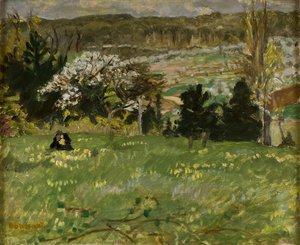
Pierre Bonnard’s evocative black and white depiction captures a vibrant Parisian street scene brimming with life—a masterful Impressionist portrayal showcasing figures amidst bustling activity and a charming dog companion. Explore this timeless artwork and bring Bonnard's luminous vision home.

A művész életrajza

Pierre Bonnard (1867-1947) francia festő, a posztimpresszionizmus és az intimizmus képviselője. A színvilágával és békés otthoni jeleneteivel hódított el a közönséget. Fedezd fel a művész világát!

from ·

Chapter 1

How large should it be?

Slide to change the size; the picture on the left shows the frame at its real width. The proportions of the original are kept.

Standard méret
egyedi méretű
CM
INCH

Válasszon előre meghatározott méreteink közül, amelyek megfelelnek a műalkotás eredeti arányainak.

szélesség
magasság

Írja be a kívánt szélességet és magasságot, hogy illeszkedjen a keretéhez vagy a falához. Mivel ez kézzel festett alkotás, egy eltérő formájú méret esetén a művész akár festhet is valamivel többet a kép körül, vagy korolathat is belőle — az Ön döntésének megfelelően. A festés megkezdése előtt küldünk egy digitális tervezetet jóváhagyásra. Az oldalon látható kép nem tartalmazza a végeredményt — csak a tervezet mutatja meg a valódi eredményt.

Chapter 2

How should it arrive?

Choose the edges of the stretched canvas

Choose your frame

Corner sample of the WhiteWrap canvas edge finish, stretched on tömörfa bars
White Ft1
Corner sample of the BlurSideWrap canvas edge finish, stretched on tömörfa bars
Blurside Ft1
Corner sample of the ExtendedWrap canvas edge finish, stretched on tömörfa bars
Extended Ft1
Corner sample of the P118B picture frame: formázott polisztirol, 5 cm wide and 3 cm thick
P118B Ft10
Corner sample of the P118H picture frame: formázott polisztirol, 5 cm wide and 3 cm thick
P118H Ft10
Corner sample of the P118W picture frame: formázott polisztirol, 5 cm wide and 3 cm thick
P118W Ft10
Corner sample of the P438Z picture frame: formázott polisztirol, 5.5 cm wide and 3.5 cm thick
P438Z Ft10
Corner sample of the P508JH picture frame: formázott polisztirol, 7 cm wide and 3.5 cm thick
P508JH Ft12
Corner sample of the P508YH picture frame: formázott polisztirol, 7 cm wide and 3.5 cm thick
P508YH Ft12
Corner sample of the P805H picture frame: formázott polisztirol, 5 cm wide and 3.5 cm thick
P805H Ft10
Corner sample of the P805Z picture frame: formázott polisztirol, 5 cm wide and 3.5 cm thick
P805Z Ft10
Corner sample of the P919BZ picture frame: formázott polisztirol, 7 cm wide and 3.5 cm thick
P919BZ Ft10
Corner sample of the P919G picture frame: formázott polisztirol, 7 cm wide and 3.5 cm thick
P919G Ft10
Corner sample of the P919XJ picture frame: formázott polisztirol, 7 cm wide and 3.5 cm thick
P919XJ Ft10
Corner sample of the P959ZH picture frame: formázott polisztirol, 5 cm wide and 3 cm thick
P959ZH Ft10
Corner sample of the P968JZ picture frame: formázott polisztirol, 6 cm wide and 4 cm thick
P968JZ Ft12
Corner sample of the W106C picture frame: tömörfa, 5 cm wide and 3 cm thick
W106C Ft8
Corner sample of the W218G picture frame: tömörfa, 5 cm wide and 3 cm thick
W218G Ft10
Corner sample of the W218JH picture frame: tömörfa, 5 cm wide and 3 cm thick
W218JH Ft8
Corner sample of the W218Y picture frame: tömörfa, 5 cm wide and 3 cm thick
W218Y Ft10
Corner sample of the W307PJ picture frame: tömörfa, 6 cm wide and 3 cm thick
W307PJ Ft10
Corner sample of the W316G picture frame: tömörfa, 6 cm wide and 3 cm thick
W316G Ft10
Corner sample of the W316PJ picture frame: tömörfa, 6 cm wide and 3 cm thick
W316PJ Ft8
Corner sample of the W316Y picture frame: tömörfa, 6 cm wide and 3 cm thick
W316Y Ft10
Corner sample of the W398PJ picture frame: tömörfa, 5 cm wide and 3 cm thick
W398PJ Ft8
Corner sample of the W4111J picture frame: tömörfa, 6.5 cm wide and 3.5 cm thick
W4111J Ft10
Corner sample of the W500HY picture frame: tömörfa, 7 cm wide and 5 cm thick
W500HY Ft15
Corner sample of the W500JH picture frame: tömörfa, 7 cm wide and 5 cm thick
W500JH Ft15
Corner sample of the W692G picture frame: tömörfa, 8 cm wide and 4 cm thick
W692G Ft12
Corner sample of the W849H picture frame: tömörfa, 5 cm wide and 3 cm thick
W849H Ft8
Corner sample of the W940BG picture frame: tömörfa, 7.5 cm wide and 4.5 cm thick
W940BG Ft15
Corner sample of the W953PJ picture frame: tömörfa, 6 cm wide and 3.5 cm thick
W953PJ Ft8
Corner sample of the H24-GOLD picture frame: faragott fa gesszóval, 10 cm wide and 6 cm thick
H24-GOLD Ft30
Corner sample of the H24-SILVER picture frame: faragott fa gesszóval, 10 cm wide and 6 cm thick
H24-SILVER Ft30
Corner sample of the H36-GOLD picture frame: faragott fa gesszóval, 15 cm wide and 6.5 cm thick
H36-GOLD Ft45
Corner sample of the H36-SILVER picture frame: faragott fa gesszóval, 15 cm wide and 6.5 cm thick
H36-SILVER Ft45

Moulding: . Overall size with the frame: .

Chapter 3

Who paints it, and should anything change?

Examples of what can be changed: Replace face with customer photo; Add pet (e.g., replace cat with dog); Include hidden message in background; Change background landscape or elements.
After order, OriginalUniqueArt.com team will email client for instructions and provide a mockup preview

Világszerte elérhető szállítás () 3-4 hét alatt a szokásos 5 hét helyett. (1 november). A minőség nem kérdőjelezhető.

Chapter 4

The finishing touches

A nameplate, as in a museum?

A gravírozott bronztábla részletei

This elegant plaque features the artist's name and the title of the artwork, finely engraved for a timeless presentation.

It is made from bronze with a refined, elegant finish. The text is precisely laser-engraved for a sharp and permanent result. Measuring 9x2 cm, the plaque is compact yet easy to read. It's built to be durable and scratch-resistant, offering a professional, museum-quality look. Mounting is simple thanks to the included adhesive backing.

Átlátszó akril tábla részletei

The plaque includes essential engraved details such as the artist's name, the title of the artwork, the date it was created, the type of media used-like oil on canvas or watercolor-a brief description of the piece, and a QR code that links to the complete artwork information.

It is crafted from clear acrylic, offering a sleek, modern appearance. The text is UV-engraved in black to ensure strong visual contrast. With a size of 10x15 cm, it ensures optimal readability. It comes equipped with two metal hooks for secure wall mounting. The plaque is designed to be weather-resistant, making it suitable for various environments, and it includes interactive features that work seamlessly with smartphone scanning.

Fekete akril tábla részletei

This elegant plaque includes engraved information such as the artist's name, the title of the artwork, the date it was created, the type of media used (like oil on canvas or watercolor), a short description of the artwork, and a QR code for quick access to more information.

The plaque itself is made from refined black acrylic with a premium finish. The text is laser-engraved in white for high contrast and readability. Its size is 10x15 cm, designed to be easy to read. It comes with two metal hooks for professional mounting. The design is sleek and fits any interior style. It is also weather-resistant and durable, with built-in digital integration for mobile compatibility.

A protective varnish?

When do you need it?

Chapter 5

Your painting, as you ordered it

Figures in the Street

Reprodukciós technika

Reprodukció mérete

-

Kiváló mesterművész

Nagyobb részletesség, finomság és bővített gyártási idő

-

Reprodukció keretezése

-

-

A bármely oldalsó méretét túlszálaló 105 cm (kb. 41 hüvelyk) meghaladó műalkotások vagy reprodukciók esetében a keret összeszerelhető készletként, szétszerelve kerül szállításra. Ez a módszer biztosítja a biztonságos szállítást, és megakadályozza a szállítás során fellépő sérüléseket.

Szakmész összeszerelést igényel – ez nem DIY (önösszeszerelhető) termék.
A készletet egy tapasztalt keretező szakembernek kell összeszerelnie és a vásznat feszítenie kell, fa ragasztó (nem tartalmazza a csomag), vásznfeszítő fogó és szorítók használatával, amelyek a ragasztó száradásáig a keretrészeket egymáshoz vuôngjba tartják. A helytelen összeszerelés vagy a nem egyenletes vásznfeszítés maradandó károsíthatja a műalkotást, és ez nem része a garanciánknak.

  • A készlet tartalmazza az összes tömörfa rudat, pontosan méretre vágva.

  • A mellékelt csavarokkal, valamint a sarokszerekhez szükséges faütő ragasztóval kell összeszerelnie (ez nem tartalmazható a csomagban), így a keretrendezőnek külön kell beszereznie.

  • A csomag nem tartalmazza a szükséges professzionális eszközöket: egy vászonfeszítőt és klipseket a rácsok vízszintes tartásához a ragasztó megszáradásáig.

Fontos:
A sarokcsatlakozásokhoz fánylagra van szükség, a keretrudakat szorítókapcsokkal kell rögzíteni, amíg a rag teljesen meg nem szárad, a kész keretre feszített vászonhoz pedig vászonfeszítő fogat szükséges. Ezek egyike sem található meg a készletben. Kérjük, rendelés előtt győződjön meg róla, hogy rendelkezik tapasztalt keretező szakemberrel.

Névtábla

-

-

Védőréteg (Lakk)

Fényes lakk (intenzívabb színek, védelem a fény és a nedvesség hatása ellen)

-

Műalkotásom egyedi igényre szabása

Példák a módosíthatóságra: az arc kicserélése az ügyfél fotójára; háziállat hozzáadása (pl. macska helyett kutya); rejtett üzenet elhelyezése a háttérben; a háttér tájainak vagy elemeinek megváltoztatása.

-

Sürgős

Világszerte szóló szállítás () mindössze 3-4 hét alatt, a szokásos 5 hét helyett. (1 november). A minőség nem kérdőjelezhető.

-

Express szállítás

Világszerte elérhető szállítás területre 5 héten belül. (8 november).

A szállítás díja tartalmazza

Összesített ár

Ft 98243

Összesített ár Ft 98243

Az üvegkeretes opció csak 110 cm alatti méretben érhető el

Included with every order

  • Ingyenes globális expressz szállítás
  • Prémium minőségű len vászon
  • Teljes körű szállítási biztosítás
  • Vámvisszatérítési Garancia
  • Hiteles színarányosság garancia
  • 100 napos visszaküldési lehetőség (csak hibás termékek esetén)
  • 100% pénzvisszatérítési garancia
  • Több darab vásárlásakor kedvezmény

A Monochrome Pulse: The Rhythms of Parisian Life

In the quiet, monochromatic depths of Pierre Bonnard’s 1894 masterpiece, Figures in the Street, we are transported to a turn-of-the-century Paris that feels both hauntingly distant and vibrantly immediate. This is not merely a depiction of a city street; it is a captured heartbeat. The painting presents a lively tableau of pedestrians navigating an urban landscape, their forms emerging from the shadows of building façues with a sense of transient grace. As one’s eye wanders through the composition, the bustle of the crowd reveals itself in subtle layers—a dog wandering near the periphery, a forgotten handbag resting on the pavement, and the rhythmic movement of figures drifting through the frame. It is a snapshot of existence caught in a moment of beautiful, fleeting motion.

Bonnard, a founding member of the avant-garde Les Nabis group, masterfully blends the optical curiosity of Impressionism with the profound, emotive weight of Symbolism. While he utilizes the broken light and dappled textures characteristic of his contemporaries, he moves beyond mere visual accuracy to seek a deeper emotional resonance. In this particular work, the absence of color serves as a powerful stylistic choice. By stripping away the spectrum, Bonnard forces the viewer to confront the raw essence of form, composition, and the interplay of light and shadow. The monochrome palette amplifies the painting's expressive power, turning a simple street scene into a contemplative study of human presence within the vast, architectural theater of the city.

Technique and the Art of Subtlety

The technical execution of Figures in the Street reveals Bonnard’s profound command over medium and light. He employed a sophisticated technique involving thin washes of pigment applied in multiple, delicate layers. This method allows for a remarkable depth of texture that belies the painting's modest dimensions. Through the skillful manipulation of tonal variations, Bonnard achieves a sense of atmospheric perspective, where figures in the foreground possess a tactile clarity while those in the distance dissolve into the misty urban backdrop. There is no reliance on heavy, aggressive brushstrokes here; instead, the artist relies on subtle shifts in shading to create a world that feels as soft and ephemeral as a memory.

For the discerning collector or interior designer, this piece offers an unparalleled opportunity to introduce a sense of historical sophistication and quiet drama into a space. The artwork’s ability to command attention through nuance rather than noise makes it a perfect centerpiece for a curated gallery wall or a focal point in a minimalist study. It invites long periods of observation, rewarding the viewer with new details—a shift in a silhouette, a sudden highlight on a stone wall—each time they look. Owning a high-quality reproduction of this work is not just about acquiring art; it is about bringing a piece of the Parisian soul into one's personal environment, fostering an atmosphere of timeless elegance and intellectual depth.

Kérdések és válaszok

Ki készítette a(t) "Figures in the Street"-t, és melyik évben?

Pierre Bonnard a "Figures in the Street" című művet 1894-ben készítette.

„Figures in the Street”, Pierre Bonnard alkotása erős kontrasztokat vagy lágy harmóniákat használ?

A „Figures in the Street”, Pierre Bonnard alkotása színelemzése Bold kontrasztot és Strong Color Unity harmóniát mutat be.

Általánosságban inkább világos vagy sötét a "Figures in the Street"?

A "Figures in the Street" alkotás fényerisége összességében deep_shadow, luminanciája pedig Dark.

More about this painting

Megtekintés AR előnézet Váltás nyomtatványra Áttérés digitális képre Küldés
Részletek Útmutató Kedvencekhez ad Letöltés Hasonló darabok X-ray felvétel Diavetítés Q&A Statisztika

In numbers

  • 1894the year it was painted
  • 29frames to choose from
  • standard sizes, in its own proportions
  • 5weeks to paint and deliver it
Pierre Bonnard

Pierre Bonnard

1867 - 1947, Franciaország

Quick facts about Pierre Bonnard

  • Artistic Movement Or Style: Posztimpresszionizmus, Intimizmus
  • Artists Or Movements Influenced By This Artist:
    • Nabis
    • Impressionizmus
  • Artists Who Influenced This Artist:
    • Gauguin
    • Hokusai
  • Date Of Birth: 1867. okt. 3.
  • Date Of Death: 1947. jan. 23.
  • Full Name: Pierre Bonnard
  • Nationality: Francia
  • Notable Artworks:
    • Női sötét ingetben
    • Ebédlő
    • Gyümölcsdoboz
  • Place Of Birth: Fontenay-aux-Roses, Francia

A művész életrajza

A Life Bathed in Light: The World of Pierre Bonnard

Pierre Bonnard, born in 1867 in the Parisian suburb of Fontenay-aux-Roses, wasn’t destined for a life steeped in artistic expression. His father, a high-ranking official in the French Ministry of War, envisioned a legal career for his son. Young Pierre dutifully pursued law studies, earning his license in 1888, but his heart lay elsewhere—in the captivating world of color and form. This duality, this tension between expectation and passion, would subtly inform his artistic journey, lending a unique intimacy to his work. He initially dabbled in caricature, honing an observational skill that would later blossom into exquisitely rendered domestic scenes. However, it was at the Académie Julian where Bonnard truly found his path, encountering kindred spirits who shared his burgeoning rejection of academic conventions and embraced the avant-garde spirit sweeping through Paris. This encounter led him to the Nabis, a group of artists—including Maurice Denis, Paul Sérusier, and Édouard Vuillard—who sought to infuse art with spirituality and symbolism, moving beyond mere representation towards an exploration of inner experience.

The Nabi Years and the Cultivation of Intimacy

Bonnard’s association with the Nabis proved pivotal. The group's emphasis on flattened forms, bold color palettes, and a rejection of traditional perspective resonated deeply with his artistic sensibilities. Inspired by Japanese prints—their elegant lines and harmonious compositions—and the Symbolist movement’s exploration of subjective emotion, Bonnard began to develop his signature style. He wasn’t interested in grand narratives or historical allegories; instead, he turned inward, focusing on the quiet moments of everyday life: a woman bathing, a family gathered for dinner, a sun-drenched garden. These weren't merely depictions of scenes but distillations of feeling—evocations of memory and atmosphere. This focus on intimate domesticity earned him the label “Intimist,” a term that perfectly captures the emotional resonance of his work. His paintings aren’t about *what* is depicted, but *how* it feels to be present in those moments. He worked from memory, sketching extensively and then translating those impressions onto canvas with a remarkable sensitivity to light and color. The Nabis group, seeking to break free from the constraints of academic art, explored themes of spirituality and symbolism, often drawing inspiration from Japanese aesthetics. Bonnard’s participation in this movement allowed him to experiment with unconventional compositions and techniques, pushing the boundaries of traditional painting.

Color as Emotion: A Master Colorist

Bonnard's mastery of color is arguably his most defining characteristic. He didn’t simply *use* color; he *felt* it, allowing it to dictate the mood and atmosphere of his paintings. His palette was vibrant yet nuanced, often employing unexpected combinations that created a sense of shimmering luminosity. He famously would revisit completed canvases, subtly adjusting colors across multiple works to achieve perfect harmony—a testament to his obsessive dedication to chromatic balance. This wasn’t about realistic representation; it was about capturing the subjective experience of color, its ability to evoke emotion and memory. He moved away from direct observation, preferring instead to paint from recollection, allowing him to imbue his scenes with a dreamlike quality. His landscapes weren't simply depictions of places but emotional responses to them—filtered through the lens of personal experience. He was particularly interested in capturing the effects of light on surfaces and objects, creating an illusion of depth and atmosphere through subtle shifts in color and tone.

Later Life and Lasting Legacy

As Bonnard matured, his artistic focus shifted further towards the exploration of color and light. He spent increasing amounts of time in the south of France, captivated by the Mediterranean landscape and its intense luminosity. His relationship with Marthe de Meligny, his wife and lifelong muse, remained central to his life and work. She appears frequently in his paintings, often depicted bathing or engaged in everyday activities, her presence radiating a quiet grace and intimacy. In 1912, he purchased “La Roulotte” in Vernonnet, near Giverny, establishing a close friendship with Claude Monet. This proximity to the master of Impressionism further fueled Bonnard’s exploration of light and color, though he always maintained his own distinct artistic vision. He continued painting until shortly before his death in 1947, leaving behind a body of work that continues to captivate and inspire. Bonnard's influence on subsequent generations of artists is undeniable. His emphasis on subjective experience, his masterful use of color, and his celebration of the everyday have left an indelible mark on modern art. He demonstrated that beauty could be found not in grand gestures or heroic narratives, but in the quiet moments of life—bathed in light and imbued with emotion.

Notable Works & Collections

  • Woman in Checkered Dress (1890): An early example of his Nabi-influenced style, showcasing flattened forms and bold color combinations.
  • The Dining Room (1913): A quintessential Intimist scene, capturing the warmth and intimacy of domestic life.
  • Bowl of Fruit (c. 1933): Demonstrates his mastery of still life, with vibrant colors and a sense of luminous depth.
  • The Almond Tree in Blossom (1947): One of his last paintings, completed just days before his death, showcasing his continued exploration of color and light.
Bonnard’s works can be found in prominent museums worldwide, including:
  • Musée Marmottan Monet, Paris, France
  • Art Institute of Chicago
  • Museum of Modern Art, New York City
  • Tate Modern, London

Gyors információk

  • Influences: Japanese prints
  • Notable elements or techniques: Impressionistic rendering
  • Medium: Oil on canvas
  • Location: Private Collection
  • Artist: Pierre Bonnard
  • Dimensions: 24 x 25 cm
Fedezze fel a műalkotásokat témák, stílusok és jellemzők szerint csoportosítva.