Váltás nyomtatványra
 Összes részlet megjelenítése







































 A bármely oldalsó méretét túlszálaló 105 cm (kb. 41 hüvelyk) meghaladó műalkotások vagy reprodukciók esetében a keret összeszerelhető készletként, szétszerelve kerül szállításra. Ez a módszer biztosítja a biztonságos szállítást, és megakadályozza a szállítás során fellépő sérüléseket.


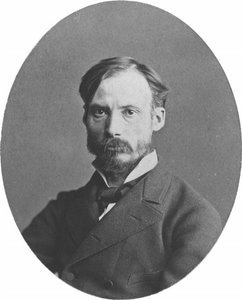
A Moment Frozen in Light: Renoir’s Portrait Sketch of Cézanne
Pierre-Auguste Renoir's charcoal sketch of Paul Cézanne stands as a testament to the Impressionist fascination with capturing fleeting impressions and conveying emotion through subtle tonal variations. Executed around 1902, this intimate portrait offers a glimpse into Cézanne’s artistic spirit—a quiet contemplation rendered in deceptively simple lines. It's not an attempt at photographic realism but rather an endeavor to distill the essence of Cézanne’s presence onto paper, reflecting Renoir’s admiration for his fellow artist’s groundbreaking vision.- Composition & Perspective: The sketch adheres to a classic bust format, centering Cézanne's head and shoulders within a rectangular frame. Notably, Cézanne’s gaze drifts slightly off-center, injecting a sense of introspection into the composition—a characteristic stylistic choice that prioritizes psychological depth over precise spatial representation.
- Line & Shape Language: Renoir employs loose, gestural lines to delineate Cézanne's facial features and clothing, eschewing meticulous detail for expressive movement. Dominating the sketch are circular shapes – visible in Cézanne’s face, hair, and collar of his coat—a deliberate technique that embodies Impressionism’s emphasis on capturing organic forms and textures.
- Texture & Lighting: The charcoal marks reveal a palpable texture reminiscent of the artist's working process, with smudges and strokes contributing to the overall volume and depth of the image. Soft, diffused lighting illuminates Cézanne’s visage, avoiding harsh shadows and fostering an atmosphere of understated elegance—a hallmark of Renoir’s Impressionistic style.
- Historical Context & Symbolism: Created during Cézanne's formative years as a painter, this sketch speaks to the burgeoning artistic dialogue between Impressionists and Post-Impressionists. It symbolizes Renoir’s respect for Cézanne’s pioneering exploration of form and color—a gesture of admiration within the broader context of artistic innovation.
Technique & Material Considerations
The artwork's materiality is crucial to understanding its aesthetic impact. Charcoal or graphite pencil was meticulously applied onto paper, utilizing pressure variations to achieve nuanced tonal gradations—a technique honed by Renoir’s extensive study of Old Masters and his desire to capture the subtleties of light and shadow. The resulting surface texture embodies Impressionism’s commitment to conveying immediacy and spontaneity, mirroring the artist's rapid sketching process.Emotional Resonance & Artistic Influence
Beyond its formal elements, Renoir’s sketch possesses a profound emotional resonance—a quiet dignity conveyed through Cézanne’s gaze and the understated beauty of the monochromatic palette. It exemplifies Impressionism’s ability to evoke feeling rather than simply depicting reality, inviting viewers to contemplate Cézanne's inner life and artistic legacy. This piece continues to inspire artists today, demonstrating the enduring power of capturing a moment in time with sensitivity and precision.Further Exploration
For deeper insights into Renoir’s oeuvre and the broader Impressionist movement, consider visiting the Petit Palais (Petit Palais) or Musée d'Orsay (Musée d’Orsay). Also, explore John Lawson Thornton’s cartographic work and Ambroise Vollard’s role in championing modern artists. Don’t forget to check out Paul Cezanne by Auguste Renoir at the National Gallery of Art for a comparative study!Kérdések és válaszok
Hol találhatok olyan műalkotásokat, amelyek hasonlóak a(z) „Paul Cézanne”, Pierre-Auguste Renoir alkotása alkotáshoz?
A "Paul Cézanne" alkotással hasonló művek a festmény Hasonló alkotások oldalán találhatók.
Milyen érzelmet közvetít a Impressionistic Sketching korszakból származó "Paul Cézanne" című alkotás?
A "Paul Cézanne" a Impressionistic Sketching korszak Reflective érzelmi hangulatát tükrözi.
Hol és milyen célra ajánlott a "Paul Cézanne"?
A "Paul Cézanne" művet Accent célokra javasoljuk, a legalkalmasabb helyszín pedig egy Living Room.
Több információ erről a festményről
 Megtekintés
 Küldés
 Megosztás
 Részletek
 Útmutató

 Letöltés
 Hasonló darabok
 X-ray felvétel
 Diavetítés
 Kérdések és válaszok
 Statisztika