
 Megtekintés
 Küldés
 Megosztás
 Részletek
 Útmutató

 Letöltés
 Hasonló darabok
 X-ray felvétel
 Diavetítés
 Q&A
Q&A Statisztika
Country Dance


 Összes részlet megjelenítése
Giclée / Műnyomat
Múzeumi minőségű giclée vagy vászonnyomat, gyors gyártással és rugalmas finomítási lehetőségekkel. ( Kézzel festett másolat rendelése Áttérés digitális képre)




P118B Ft10

P118H Ft10

P118W Ft10

P438Z Ft10

P508JH Ft12

P508YH Ft12

P805H Ft10

P805Z Ft10

P919BZ Ft10

P919G Ft10

P919XJ Ft10

P959ZH Ft10

P968JZ Ft12

W106C Ft8

W218G Ft10

W218JH Ft8

W218Y Ft10

W307PJ Ft10

W316G Ft10

W316PJ Ft8

W316Y Ft10

W398PJ Ft8

W4111J Ft10

W500HY Ft15

W500JH Ft15

W692G Ft12

W849H Ft8

W940BG Ft15

W953PJ Ft8




Válasszon előre meghatározott méreteink közül, amelyek megfelelnek a műalkotás eredeti arányainak.

Írja be a keretének vagy a falának megfelelő szélességet és magasságot. A nyomatot csak le lehet vágni, soha nem tehető nagyobbá, mint az eredeti kép, így egy eltérő alakú méretnél a kép egy része elveszik. Mielőtt bármit kinyatintanánk, küldünk egy digitális próbamodellt jóváhagyásra. Az oldalon látható kép nem tartalmazza a valós levágást — ezt csak a próbamodell mutatja meg.
Világszerte történő kiszállítás területére mindössze 2 hét alatt, a szokásos 4-5 hét helyett. (1 november)

Ingyenes globális expressz szállítás

Prémium minőségű len vászon

Teljes körű szállítási biztosítás

Vámvisszatérítési Garancia

Hiteles színarányosság garancia

100 napos visszaküldési lehetőség (csak hibás termékek esetén)

100% pénzvisszatérítési garancia

Több darab vásárlásakor kedvezmény
 Az üvegkeretes opció csak 110 cm alatti méretben érhető el

Country Dance
Giclée / Műnyomat
Reprodukció mérete
-


Összesített ár
Ft 26198
A Moment of Parisian Grace: Unveiling Pierre-Auguste Renoir’s *Country Dance*
Pierre-Auguste Renoir's 1883 painting, *Country Dance*, isn’t merely a depiction of a social gathering; it’s a vibrant distillation of the Belle Époque spirit – a fleeting moment of joy, connection, and understated elegance captured with the artist’s signature Impressionistic brushstrokes. The canvas breathes with an almost palpable warmth, transporting the viewer to a sun-drenched meadow where music fills the air and laughter dances amongst the couples. It's a scene brimming with life, yet imbued with a quiet intimacy that speaks volumes about Renoir’s profound understanding of human connection.
At first glance, the painting presents a seemingly simple tableau: a man and woman engaged in a close embrace amidst a cluster of chairs arranged around them. However, closer observation reveals a carefully constructed composition layered with subtle details and symbolic resonance. The figures, Paul Lhôte and Aline Charigot, are rendered life-size, dominating the frame and drawing us directly into their world. Renoir masterfully utilizes color to evoke atmosphere – the warm yellows of the woman’s gloves and hat contrast beautifully with the blush tones of her dress, while the verdant green of the surrounding foliage provides a lush backdrop. The dappled sunlight filtering through the trees creates an illusion of movement and depth, further enhancing the painting's sense of immediacy.
The Impressionistic Technique: Light, Color, and Movement
Renoir’s technique is central to the painting’s allure. He employs a broken brushstroke – short, distinct strokes of color applied side-by-side rather than blended – to capture the fleeting effects of light and shadow. This approach, characteristic of Impressionism, gives the scene an almost shimmering quality, as if the colors are constantly shifting and changing with the movement of the sun. The artist’s focus isn't on precise representation but on conveying the *impression* of a moment in time – the feeling of warmth, joy, and connection that permeates the scene.
Notice how Renoir subtly suggests movement through his use of loose brushwork and overlapping forms. The dancers are not frozen in place; they appear to be caught mid-step, their bodies slightly tilted as if swept along by the music. The arrangement of the chairs – some closer, others further back – creates a sense of depth and perspective, drawing our eye into the heart of the dance.
Historical Context: A Parisian Summer Romance
*Country Dance* was painted during a pivotal period in Renoir’s artistic development. Following his trip to Italy in 1881, where he found inspiration in the works of Raphael and other Renaissance masters, Renoir began experimenting with new techniques and subject matter. This painting represents a conscious departure from the rigid conventions of academic art, embracing instead a more informal and spontaneous approach. It’s believed that the commission came from Paul Durand-Ruel, a prominent art dealer who recognized Renoir's talent and sought to capture the spirit of Parisian social life.
The painting reflects the vibrant atmosphere of Paris in the late 1880s – a time of optimism, prosperity, and artistic innovation. The Belle Époque was characterized by lavish balls, fashionable gatherings, and a celebration of beauty and pleasure. *Country Dance* perfectly encapsulates this spirit, offering a glimpse into a world of elegance, romance, and carefree enjoyment.
Symbolism and Emotional Resonance
Beyond its technical brilliance, *Country Dance* is rich in symbolism. The couple’s close embrace represents intimacy, connection, and the shared joy of companionship. The surrounding chairs suggest a sense of community and social interaction. Even the simple details – the woman's fan, the hat on the ground – contribute to the painting’s overall narrative, hinting at the everyday rituals and customs of Parisian society.
Ultimately, *Country Dance* is more than just a depiction of a dance; it’s an evocation of a feeling – a sense of warmth, joy, and connection that transcends time and place. It's a testament to Renoir’s ability to capture the essence of human experience with remarkable sensitivity and artistry. The painting resides today at the Musée d'Orsay in Paris, inviting countless visitors to lose themselves in its luminous beauty.
Kérdések és válaszok
Milyen érzést közvetít a „Country Dance”, Pierre-Auguste Renoir alkotása?
A „Country Dance”, Pierre-Auguste Renoir alkotása hangulata Romantikus, érzelmi tónusa pedig Nosztalgikus.
Ismertebb műalkotás a „Country Dance”, Pierre-Auguste Renoir alkotása?
A „Country Dance”, Pierre-Auguste Renoir alkotása népszerűségi szintje: Elismert.
A „Country Dance”, Pierre-Auguste Renoir alkotása a művész honcountryjában található?
Nem – a műtárgy külföldön található. A „Country Dance” mű France múzeumának gyűjteményében található, míg Pierre-Auguste Renoir Franciaország országban született.
A művész életrajza
Egy élet a fényben: Pierre-Auguste Renoir világa
Pierre-Auguste Renoir, 1841-ben született Limoges tartományi francia városában, élete egy szerény porcelánfestőként kezdődött, és a lenyűgöző impresszionizmus mesterévé válása bizonyítja kitartását és művészi látásmódját. Korai éveit családjával Párizsba költözés jellemezte, amely gazdasági lehetőségeket keresett, egy tapasztalat, amely mélyen formálta művészi érzékenységét. A nyüzsgő város, élénk utcájával és sokszínű karakterével inspiráció forrása lett későbbi munkái nagy részének. Kezdetben porcelánfestéssel foglalkozott – egy gyakorlati szükséglet a pénzügyi korlátozások miatt –, de gyakori látogatásai a Louvre-ban nyújtottak számára vigaszt, ahol gondosan tanulmányozta a régi mestereket, elsajátítva technikájukat és fejlesztve a szépség iránti elismerését, amely stílusának védjegyévé vált. Ez a korai tapasztalat ébredtett benne egy szenvedélyt, amely messze túlmutatott a mesterségen; hivatás volt a fény és az élet mulandó tulajdonságainak megörökítésére. Később Charles Gleyre stúdiójába iratkozott be, ahol élethosszig tartó barátságot kötött Claude Monet, Alfred Sisley és Frédéric Bazille társával – egy kulcsfontosságú pillanat, amely megalapozta az impresszionista mozgalmat.A realizmustól a ragyogó benyomásokig
Renoir művészi fejlődése lenyűgöző evolúció volt, amelyet sokféle mester befolyásolt. Kezdetben Gustave Courbet és Édouard Manet realizmusához vonzódott, csodálva elkötelezettségüket a kortárs élet őszinte és közvetlen ábrázolásában. Peter Paul Rubens és Jean-Antoine Watteau ragyogó palettái és érzéki formái azonban igazán megragadták, mély szépségérzéket ébresztve benne, és hajlamot a boldogság és a szabadidő jeleneteinek ábrázolására. Ezek a korai hatások összefonódva alakították Renoir egyedi stílusát, amelyet élénk színek, törött ecsetvonások és a fény mulandó hatásainak megragadására való összpontosítás jellemezett. 1874-ben való részvétel az első impresszionista kiállításon mérföldkő volt, bár kezdetben a hagyományos művészeti körök kritikájával szembesült. Ez a merész lépés elutasította az akadémiai konvenciókat és egy új művészi vízió elfogadását jelentette – olyat, amely nemcsak azt akarta megragadni, amit a szem lát, hanem azt is, hogy milyen érzés megtapasztalni egy adott pillanatot. A Dance at Le Moulin de la Galette (1876) című festmény példázza ezt a megközelítést, elmerítve a nézőket a párizsi éjszakai élet élénk hangulatában, csillogó napfényével és vidám alakjaival.Az élet mulandó pillanatainak megragadása: kulcsfontosságú művek és témák
Renoir munkássága az élet egyszerű örömeinek ünnepe – meghitt találkozók, napsütötte tájak és az emberi forma ragyogó szépsége. A Luncheon of the Boating Party (1880-81) talán a legismertebb műve, amely egy társasági csoportot ábrázol, akik kellemes délutánt töltenek a Szajnán. A festmény mesterháztartás a fény és a mozgás megragadásában, alakok meleg napfényben fürdenek, a vízfelületen csillogó tükröződésekkel. Az After the Bath (1885-87) bemutatja Renoir finom képességét a női akt ábrázolására, hangsúlyozva a finom bőrárnyalatokat és az elegáns pózokat. Festményei nem csupán a valóság leképezései; melegséggel, intimitással és örömmel átitatottak, amelyek mélyen rezonálnak a nézőkkel. Nem a nagyszabású történelmi narratívák vagy a drámai allegóriák érdeklik, hanem az életben rejlő szépség megragadása, a hétköznapi pillanatok művészetté emelése. A Dance at Bougival egy másik ünnepelt alkotás, amely bemutatja képességét a múló benyomások és légköri hatások megragadására, mozgás- és spontaneitásérzetet teremtve.Egy eltolódás a formák felé: későbbi évek és örökség
Az 1890-es években Renoir stílusa jelentős átalakuláson ment keresztül. Bár soha nem hagyta teljesen el impresszionista gyökereit, egyre inkább szobrászati és klasszikus megközelítés felé fordult, amelyet olaszországi utazásai és a forma és a struktúra iránti megújult érdeklődése befolyásolt. Ezt az eltolódást részben fizikai korlátozások is kiváltották – az ízületi gyulladás fokozatosan korlátozta mozgékonyságát, kényszerítve a technikája alkalmazkodását. Ezeknek a kihívásoknak ellenállva Renoir kitartóan festett, alkotásai teltebb alakokkal és melegebb palettával jellemezhetők. Későbbi festményei gyakran kontemplatívabb hangulatot tükröznek, de megőrzik a korábbi munkáit meghatározó alapvető szépség ünnepét. Renoir öröksége művészi eredményein túl a családjában is tovább él; fia, Jean Renoir híres filmrendező lett, egy kreatív szellemet hordozva nemzedékek között. Pierre-Auguste Renoir 1919-ben halt meg, és maradandó munkásságot hagyott maga után, amely továbbra is inspirálja és ámulatba ejti a világ közönségét. Az art történelem egyik legkedveltebb alakjaként maradt fenn, aki képes volt az élet örömét és az emberi tapasztalat szépségét páratlan érzékenységgel és eleganciával megragadni.Tartós hatás
- Renoir hatása a következő generációkra vitathatatlan. A fényre, a színre és a múló pillanatok megragadására való hangsúly utat nyitott számos modern művészeti mozgalom számára.
- A szépség és az érzékiség ünnepe ma is rezonál a közönséggel, munkáit univerzálisan vonzóvá téve.
- Kulcsfontosságú szerepet játszott az impresszionizmus elismertségének megalapozásában mint jelentős erő az art történelemben, kihívva a hagyományos konvenciókat és új lehetőségeket nyitva a művészi kifejezés számára.
- Festményeinek tartós népszerűsége – számtalan poszteren, naptáron és egyéb árumárkákon reprodukálva – tanúskodik munkái időtálló minőségéről.
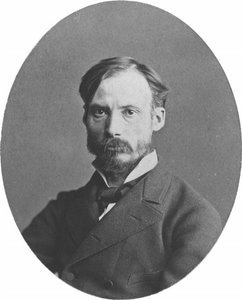
Pierre-Auguste Renoir
1841 - 1919 , Franciaország
Rövid információk
- Artistic Movement Or Style: impresszionizmus
- Artists Or Movements Influenced By This Artist: impresszionizmus
- Artists Who Influenced This Artist:
- Rubens
- Watteau
- Courbet
- Manet
- Date Of Birth: 1841. február 25.
- Date Of Death: 1919. december 3.
- Full Name: Pierre-Auguste Renoir
- Nationality: francia
- Notable Artworks:
- Dance at Le Moulin de la Galette
- Luncheon of the Boating Party
- After the Bath
- Dance at Bougival
- Place Of Birth (City And Country): Limoges, Franciaország
Kapcsolódó cikkek
A impresszionizmus 10 legikonikusabb mesterműve – OriginalUniqueArt.com
Fedezze fel a 10 legikonikusabb impresszionista mesterművet! Monet, Degas és Renoir alkotásainak története, technikája és időtálló szépsége. Vászonképek, faliképek – inspirálódjon otthon dekorációjához a OriginalUniqueArt.com kínálatából! Fedezze fel a teljes gyűjteményt online.
A 10 legnagyobb remekmű, mely meghatározta az impresszionizmust – Vásároljon festményeket online | OriginalUniqueArt
Fedezze fel a 10 legnagyobb impresszionista remekművet! Monet, Degas és Renoir alkotásainak története, technikája és időtálló szépsége. Vásároljon online prémium minőségű festmény reprodukciókat a OriginalUniqueArt-on – inspirálja otthonát művészettel!

The Luminous World of Pierre-Auguste Renoir: An Exploration of Impressionism's Sensuous Embrace
Explore the captivating world of Pierre-Auguste Renoir! Discover his life, iconic Impressionist masterpieces & enduring legacy with our expert guide. High-quality reproductions available.
A 10 legnagyobb remekmű, melyek meghatározták az impresszionizmus festészetét | OriginalUniqueArt
Fedezze fel a 10 legikonikusabb impresszionista festményt! Monet, Renoir és más mesterek alkotásainak története, technikái és örök szépsége. Vászonképek, faliképek otthonába – OriginalUniqueArt.com.

Renoir Mesterek: A 25 Leglenyűgözőbb Kép a Francia Impresszionizmus Gyöngyszemeiből | OriginalUniqueArt
Fedezze fel Pierre-Auguste Renoir 25 legszebb művét! Ismerje meg az impresszionizmus gyöngyszemeit, a színek és fény játékát. Vásároljon exkluzív Renoir reprodukciókat otthonába a OriginalUniqueArt.com kínálatából – minőségi faliképek és inspiráló dekoráció.


