
 Megtekintés
 Küldés
 Megosztás
 Részletek
 Útmutató

 Letöltés
 Hasonló darabok
 X-ray felvétel
 Diavetítés
 Kérdések és válaszok
 Statisztika
Clair de Lune (Moonlight)

- 57.0 x 72.0 cm


 Összes részlet megjelenítése
Giclée / Műnyomat
Múzeumi minőségű giclée vagy vászonnyomat, gyors gyártással és rugalmas finomítási lehetőségekkel. ( Kézzel festett másolat rendelése Áttérés digitális képre)




P118B Ft10

P118H Ft10

P118W Ft10

P438Z Ft10

P508JH Ft12

P508YH Ft12

P805H Ft10

P805Z Ft10

P919BZ Ft10

P919G Ft10

P919XJ Ft10

P959ZH Ft10

P968JZ Ft12

W106C Ft8

W218G Ft10

W218JH Ft8

W218Y Ft10

W307PJ Ft10

W316G Ft10

W316PJ Ft8

W316Y Ft10

W398PJ Ft8

W4111J Ft10

W500HY Ft15

W500JH Ft15

W692G Ft12

W849H Ft8

W940BG Ft15

W953PJ Ft8




Válasszon előre meghatározott méreteink közül, amelyek megfelelnek a műalkotás eredeti arányainak.

Írja be a keretének vagy a falának megfelelő szélességet és magasságot. A nyomatot csak le lehet vágni, soha nem tehető nagyobbá, mint az eredeti kép, így egy eltérő alakú méretnél a kép egy része elveszik. Mielőtt bármit kinyatintanánk, küldünk egy digitális próbamodellt jóváhagyásra. Az oldalon látható kép nem tartalmazza a valós levágást — ezt csak a próbamodell mutatja meg.
Világszerte történő kiszállítás területére mindössze 2 hét alatt, a szokásos 4-5 hét helyett. (7 november)

Ingyenes globális expressz szállítás

Prémium minőségű len vászon

Teljes körű szállítási biztosítás

Vámvisszatérítési Garancia

Hiteles színarányosság garancia

100 napos visszaküldési lehetőség (csak hibás termékek esetén)

100% pénzvisszatérítési garancia

Több darab vásárlásakor kedvezmény
 Az üvegkeretes opció csak 110 cm alatti méretben érhető el

Clair de Lune (Moonlight)
Giclée / Műnyomat
Reprodukció mérete
-


Összesített ár
Ft 26460
A Nocturnal Symphony of Light and Shadow
In the quietude of the night, where the boundaries between reality and dream begin to blur, Philip James de Loutherbourg’s "Clair de Lune (Moonlight)" emerges as a breathtaking testament to the power of atmospheric storytelling. This exquisite oil on canvas, dating from 1777, invites the viewer into a world of profound serenity and nocturnal mystery. At first glance, the eye is drawn to the luminous full moon, a celestial beacon that pierces through the velvet darkness to cast a shimmering path across the gentle river. The composition is masterfully balanced; on the left bank, a cluster of grazing cows rests in peaceful repose, their soft forms rendered with a delicate touch that suggests the warmth of life even amidst the cool night air. Opposite them, the rugged textures of rocks and the dark silhouettes of trees provide a structural weight to the scene, creating a sense of enclosure and intimacy that wraps around the viewer like a quiet lullaby.
The artist’s mastery of chiaroscuro—the dramatic interplay between light and shadow—is nothing short of transformative. Loutherbourg does not merely paint a landscape; he orchestrates a theatrical event of light. The brilliant white glow of the moon creates sharp, high-contrast highlights against the deep grays, browns, and blacks of the nocturnal terrain. This technique breathes life into the water's surface, where flowing, reflective strokes mimic the rhythmic movement of a slow-moving stream. A subtle, warm orange glow from a distant small fire on the right bank offers a poignant counterpoint to the cool lunar light, adding a layer of human presence and warmth to an otherwise wild and untamed landscape. This careful manipulation of light guides the eye through the depth of the painting, leading it past the foreground textures toward a distant, hazy village that sits nestled under the vast, star-dusted sky.
The Intersection of Rococo Elegance and Romantic Spirit
Historically, "Clair de Lune" stands at a fascinating crossroads of artistic movements. While the painting retains the meticulous attention to detail and refined elegance characteristic of the Rococo period, it simultaneously pulses with the burgeoning emotional intensity of Romanticism. Loutherbourg, a man whose career was defined by his ability to blend scientific observation with theatrical illusion, uses this piece to explore the sublime beauty of nature. The organic shapes—the rounded contours of the cattle, the irregular silhouettes of the foliage, and the billowing, ethereal clouds—all contribute to a sense of natural spontaneity. There is an undeniable emotional resonance in the work; it evokes a deep sense of tranquility, inviting collectors and art enthusiasts to find a moment of meditative stillness within its depths.
For the discerning interior designer or art collector, this reproduction offers more than just visual beauty; it provides an atmospheric anchor for a sophisticated space. The muted color palette of charcoal, silver, and deep earth tones allows the piece to integrate seamlessly into both classical and contemporary settings, adding a layer of intellectual depth and quiet drama to any room. Whether placed in a study to inspire contemplation or in a grand living area to serve as a focal point of elegance, "Clair de Lune" remains an enduring masterpiece. It serves as a window into a time when the night was not something to be feared, but a canvas upon which the heavens could paint their most enchanting and peaceful illusions.
Kérdések és válaszok
Milyen helyiségbe javasolt a „Clair de Lune (Moonlight)”, De Loutherbourg, Philip James alkotása?
A "Clair de Lune (Moonlight)" reprodukciója jól illik egy Living Room-be.
Milyen alkalmat szolgálhat „Clair de Lune (Moonlight)”, De Loutherbourg, Philip James alkotása ajándékként?
A „Clair de Lune (Moonlight)”, De Loutherbourg, Philip James alkotása kiváló ajándékként ajánlott Anniversary. A műalkotás reprodukciója is adományként átadhatható.
A „Clair de Lune (Moonlight)”, De Loutherbourg, Philip James alkotása jogtalanul védett (public domain)?
A szerzői jogokkal kapcsolatban a "Clair de Lune (Moonlight)" mű közösségi tulajdon – a szerzői jog lejártt.
A művész életrajza
Philip James de Loutherbourg: A művészet, a színház és az intrigák élete
- Született: Strasbourg, Franciaország (1740)
- Hunyt meg: 1812
Philip James de Loutherbourg, más néven Philip Jacques de Loutherbourg, egy olyan francia-brit festő volt, akit a tengeri csaták drámai ábrázolásai, a végtelen tájak és a színházi díszlettervezésben tett innovatív hozzájárulásai tettek világhírűvé. Pályafutása több évtizeden keresztül nyúlt, amelyet művészi sokoldalúság, az okkultizmusba való rövid bemerülés, valamint a későbbi művészgenerációkra gyakorolt jelentős hatása határozott meg.
Korai évek és művészeti neveltetés
Loutherbourg 1740-ben született Strasbourgban, és korai éveket apja, egy tehetséges metszőművész és miniatúrmåló influência alatt töltött. Bár kezdetben az egyház szolgálatára volt kijelölve – egy út, amely temperamentumához nem írt –, végleg elszakadva ettől a sorsától, a művészet felé irányította vágyait. Formális képzése Párizsban kezdődött Charles-André van Loo és Francesco Giuseppe Casanova mesterek alatt. Loutherbourg quickly kivételes tehetségét bebizonyította, és 1erd 1763-as Szalonon kapott elismerést egy emberfigurákat és állatokat ábrázoló tájfestménnyel. Elsőbbször is sikeresen szerepelhetett a későbbi szalonokon, ahol olyan befolyásos kritikusi hangokat nyert meg, mint Denis Diderot. 1767-ben úgy választották be a Francia Akadémiára, ami feltétlenül tanúskodott növekvő hírnevééről.
Karrier Angliában: Tengeri jelenetek, tájak és színház
1771-ben Loutherbourg Londonba költözött, ahol gyorsan kiállította magát, mint meghatározó művész. David Garrick személyes ajánlása révén jelentős megrendeléseket kapott a Drury Lane Theatre színpadtervezéseire. Színházi innovációi forradalmiak voltak, erre példaként szolgál az 1781-ben létrehozott Eidophusikon – egy olyan mechanikus színház, amely perspektívát és illúziós hatásokat alkalmazott a magával ragadó jelenetek megteremtésére. Ez a találmány rávilágított találmányosságára, és a színházi technológia úttörőjévé emelte őt.
Ezzel párhuzamosan Loutherbourg történelmi festményei, különösen a tengeri csaták ábrázolása révén szerzett világhírű hont. Legismertebb műve, a Lord Howe's Action, or the Glorási Első Június (1795) egy jelentős brit győzelmet ünnepelt, és mint a tengeri események vezérlő krónikása állította meg helyét a művészet történetében. Tájképvei, bár néha kritikával érintettek, amiért kissé színháziasnak tűntek, képesek voltak megragadni az angol vidék festői szépségét és tükrözni a kor éstetikai ideáljait.
- Jelentős művek: Lord Howe's Action, or the Glorious First of June, The Destruction of the Armada, Coalbrookdale by Night
Az okkult érdeklődés időszaka és a későbbi évek
Egy váratlan fordulat során Loutherbourg 1789-ben ideiglenesen felhagya az alkotást, hogy az alkímia és a szupnaturalizmus rejtelmeit kutassa. Kapcsolatba került Alessandro di Cagliostróval, egy félelmetes alakgal, aki halhatatlanságról és okkult képességekről tett csalárd állításairól ismert. Loutherbourg Cagliostróval utazott az elsőtti halálra ítéléséig, bár e korszak részletei ma is kissé rejtélyesek maradnak. Miután a nyilvánosság ellenállást mutatott a gyógyító gyakorlata ellen, visszatért a festészethez, történetileg témákat választva, és továbbra is alkotott tájképeket és portrékat.
Örökség és hatás
Philip James de Loutherbourg tartós örökséget hagyott magára, mint egy sokoldalú művész, aki áthidalta a szakadékot a történelmi festészet, a tájalkászat és a színházi tervezés között. Innovatív Eidophusikon-ja befolyásolta a színpadi technika későbbi fejlődését, míg drámai tengeri jelenetei megörökítették a tengeri hatalom által meghatározott korszak szellemiségét. Műveit számos múzeumban megtaláljuk világszerte, beleértve a National Maritime Museumot és a British Museumban is. Emellett olyan művészekre gyakorolt hatást, mint J.M.W. Turner, ezzel bizonyítva jelentős hozzájárulását a brit romantikus művészet fejlődéséhez.

De Loutherbourg, Philip James
1740 - 1812 , Francia
Rövid információk
- Artistic Movement Or Style: Romanticizmus
- Artists Or Movements Influenced By This Artist: ['Turner']
- Date Of Birth: 1740-10-31
- Date Of Death: 1812-03-11
- Full Name: Philip James de Loutherbourg
- Nationality: Francia
- Notable Artworks:
- Lord Howe's Action, vagy a Glorious First of June
- Az Armada pusztítása
- Coalbrookdale éjjel
- Place Of Birth: Strasbourg, Francia
Kapcsolódó cikkek

A Romantikus Tájképfestészet 10 Legikonikusabb Műalkotása – OriginalUniqueArt.com
Fedezze fel a romantikus tájképfestészet 10 legikonikusabb műalkotását! Caspar David Friedrich, J.M.W. Turner és más mesterek festményeinek története – inspiráló olajfestmények otthonába. OriginalUniqueArt.com: múzeumi minőségű reprodukciók és egyedi dekorációk online.

Goya Mesterművei: A Spanyol Lélek 25 Legikonikus Képe – OriginalUniqueArt
Fedezze fel Goya 25 leglenyűgözőbb mesterművét! Ismerje meg a spanyol festő életművét, portréit és ikonikus képeit. Vásároljon prémium minőségű reprodukciókat a OriginalUniqueArt.com-on, és teremtsen egyedi otthoni dekorációt klasszikus művészettel! Explore the full collection online.
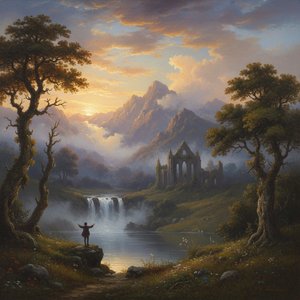
Evoking Emotion & Transcendence: Romantic Landscape Painting (18th-19th Century)
Explore the emotional depth of Romantic landscape painting (18th-19th century). Discover key artists like Friedrich & Cole, and the concepts of the sublime. Expert insights for art lovers & collectors.

Philip James de Loutherbourg: Romantic Visions of Maritime Life & the Sublime
Explore the dramatic naval scenes & landscapes of Philip James de Loutherbourg (1740-1812), a key figure in Romantic painting. Discover his legacy, theatrical innovations & iconic works like 'The Battle of the Nile' at OriginalUniqueArt.

Evocations of Place: A Historical Journey Through Landscape Art
Explore the rich history of landscape art with OriginalUniqueArt. Discover renowned artists, movements like Impressionism & Romanticism, and expert guidance for collecting timeless pieces. Find your perfect serene escape today!
