

 Előnézet
 Megosztás
 Megosztás
 Részletek
 Útmutató

 Letöltés
 Hasonló darabok
 X-ray felvétel
 Diavetítés
 Statisztika
Drawing for Conspirators


 Tovább olvasom
Az ezen az oldalon megjelenített műalkotások szerzői jogi védelem alatt állnak, ami azt jelenti, hogy törvényileg nem készíthetünk és nem adhatunk el belőlük pontos másolatokat. Ez a védelem olyan nemzetközi megállapodások alapján érvényesül, mint például a Berni Egyezmény és a nemzeti törvények által, beleértve azokat is, amelyeket meghatározott Az USA szerzői jogi törvénye – 17. cím.
Ez a módszer teljes mértékben megfelel a szerzői jogi szabályozásnak, mivel nem tartalmazza a védett műalkotás másolását vagy duplikálását. Ehelyett ez egy kreatív újinterpretáció – egy új festmény, amely az eredetivel való összefüggései miatt hatással van rá, de nem az az.
Giclée / Műnyomat
Múzeumi minőségű giclée vagy vászonnyomat, gyors gyártással és rugalmas finomítási lehetőségekkel. ( Kézzel festett másolat vásárlása Áttérés digitális képre)




P118B Ft10

P118H Ft10

P118W Ft10

P438Z Ft10

P508JH Ft12

P508YH Ft12

P805H Ft10

P805Z Ft10

P919BZ Ft10

P919G Ft10

P919XJ Ft10

P959ZH Ft10

P968JZ Ft12

W106C Ft8

W218G Ft10

W218JH Ft8

W218Y Ft10

W307PJ Ft10

W316G Ft10

W316PJ Ft8

W316Y Ft10

W398PJ Ft8

W4111J Ft10

W500HY Ft15

W500JH Ft15

W692G Ft12

W849H Ft8

W940BG Ft15

W953PJ Ft8




Válasszon előre meghatározott méreteink közül, amelyek megfelelnek a műalkotás eredeti arányainak.

Írja be a keretének vagy a falának megfelelő szélességet és magasságot. A nyomatot csak le lehet vágni, soha nem tehető nagyobbá, mint az eredeti kép, így egy eltérő alakú méretnél a kép egy része elveszik. Mielőtt bármit kinyatintanánk, küldünk egy digitális próbamodellt jóváhagyásra. Az oldalon látható kép nem tartalmazza a valós levágást — ezt csak a próbamodell mutatja meg.
Világszerte történő kiszállítás területére mindössze 2 hét alatt, a szokásos 4-5 hét helyett. (21 október)

Ingyenes globális expressz szállítás

Prémium minőségű len vászon

Teljes körű szállítási biztosítás

Vámvisszatérítési Garancia

Tökéletes színarányosság garancia

100 napos visszaküldési garancia (csak gyártási hibás termékek esetén)

100% pénzvisszatérítési garancia

Több darab vásárlásakor kedvezmény
 Az üvegkeretes opció csak 110 cm alatti méretben érhető el

Drawing for Conspirators
Giclée / Műnyomat
Reprodukció méretei
-


Összesített ár
Ft 25277
Drawing for Conspirators – A Descent Into Shadow
Philip Guston’s “Drawing for Conspirators,” completed in 1930, stands as a haunting testament to the anxieties of its time and a cornerstone of his evolving artistic vision. Executed in graphite pencil, pen and ink, colored pencil, and wax crayon on paper—a technique that would become synonymous with his later oeuvre—the artwork plunges viewers into a psychologically charged landscape steeped in symbolism and unsettling imagery. Its presence within the Whitney Museum’s collection underscores its enduring significance as a pivotal piece of Metaphysical art, marking Guston's decisive break from abstract expressionism toward a more visceral exploration of human experience.Composition and Setting: A Fortress of Fear
The scene unfolds within a claustrophobic interior dominated by stark geometric forms—primarily rectangular walls and cylindrical towers—creating an oppressive atmosphere reminiscent of medieval fortifications. These architectural elements serve as a visual anchor for the central figure, positioned kneeling before a tiled floor, manipulating a thick rope that snakes upwards toward a distant gallows. The positioning is deliberate; it suggests vulnerability juxtaposed with impending doom, mirroring the pervasive sense of dread conveyed throughout the composition. Brickwork on the left wall adds textural detail and reinforces the feeling of confinement.Color Palette and Line Work: Monochrome Intensity
Guston’s masterful use of grayscale—primarily blacks, whites, and subtle shades of gray—is paramount to establishing the artwork's mood. Hatching and cross-hatching techniques are employed extensively to build up shadows and delineate forms with remarkable precision, mirroring the stylistic influences of earlier artistic traditions while simultaneously forging a path toward Guston’s signature expressive style. The deliberate lack of color amplifies the emotional impact, forcing viewers to confront the scene's unsettling themes without distraction.Symbolism: Conspiracy and Crucifixion
The artwork is rife with symbolic references that delve into anxieties surrounding political oppression and religious persecution. The hooded figures—a direct nod to imagery associated with the Ku Klux Klan—represent secrecy, intimidation, and historical acts of violence. Their posture conveys submission and vulnerability, while the rope symbolizes punishment and death – motifs frequently explored by Guston throughout his career. The distant gallows serve as a chilling reminder of mortality and underscore the artwork’s overarching preoccupation with themes of fear and existential dread.Style and Legacy: From Abstraction to Raw Emotion
“Drawing for Conspirators” represents Guston's pivotal transition from abstract expressionism toward a more figurative style characterized by bold lines and expressive shading—a stylistic shift that would define his subsequent artistic endeavors. While retaining elements of draftsmanship rooted in classical traditions, the artwork embodies Guston’s commitment to conveying profound emotional resonance through simplified forms and deliberate textural contrasts. Its enduring influence can be seen in contemporary artists who continue to grapple with similar themes of social critique and psychological exploration—solidifying Guston's place as a visionary artist whose work transcends stylistic boundaries to address universal human concerns.Gyakran Ismételt Kérdések
Hogyan írható le „Drawing for Conspirators”, Guston alkotása hangulata?
A "Drawing for Conspirators" Dramatic hangulatú.
Ki a szerzője és mikor készült a "Drawing for Conspirators"?
A "Drawing for Conspirators" alkotását Guston készítette 1930 évben.
„Drawing for Conspirators” művészeti alkotás mentes a szerzői jogoktól?
A „Drawing for Conspirators”, Guston alkotása még szerzői jogにより védi státuszú mű. Ez a jogi státusz határozza meg, hogy a mű képmásolata hogyan reproduzható.
A művész életrajza
Philip Guston: A Szerelem, a Tragédia és a Képzőművészet Változásai
Philip Guston, született Phillip Goldsteinként 1913. június 27-én Montrealban, egy kanadai-amerikai festőművész és grafikus volt, akinek pályája több mint négy évtizedet ölelt fel. Életútja a művészi fejlődés lenyűgöző története, mely során az absztrakt expresszionizmus és a figuratív művészet elemeit ötvözte, hogy komplex témákat – a rasszizmust, az antiszeminizmust, a fasizmust és az amerikai identitást – vizsgáljon meg. Guston nem csupán egy festő volt; ő egy szellemi utazó, aki állandóan keresgélt a művészetben, mindig új formákat és kifejezési módokat próbálva ki.
A Fiatal Évek: Szörnyű Tragédia és Korai Képzőművészeti Kiteljesedés
Guston fiatalkorát mély tragédia átszelte. 1923-ban édesapja, egy ukrán zsidó bevándorolt öngyilkosságot követett el. Ez a szörnyű esemény mélyen beivódott Guston művészi fejlődésébe. Már gyermekként rajzolgatni kezdte, és 1927-ben a Los Angelesi Manuális Művészeti Főiskolán festeni tanult. Édesanyja támogatásával egy kis szekrényben alkotott, melyet csak egy függő lámpa világított meg. Schwankovsky Frederick John de St. Vrain, aki az európai modern művészetbe, a keleti filozófiába, a teozófiába és a misztikus irodalomba vezette be, jelentős hatással volt rá. Jackson Pollockkal való találkozása is meghatározó volt, akivel közösen publikáltak egy cikket az iskola szabályzataival szemben.
A Művészi Evolúció: Az Absztrakciótól a Figuratív Kifejezésig
Guston művészeti karrierje két jól elkülöníthető szakaszra osztható. Kezdetben figuratív és reprezentációs munkákat készített, melyek a reneszánsz mesterek, mint például Piero della Francesca hatását tükrözik. Később az absztrakció felé fordult, és a New York School egyik kiemelkedő alakja lett, olyan művészek között, mint Jackson Pollock és Willem de Kooning. Az 1950-es években már elismert volt absztrakt expresszionista festményeiről, melyek dinamikus kompozíciókat és gesztusos ecsetvonásokat mutatnak be. A hatvanas évek közepén azonban drámai fordulatot vett a karrierje: megtagadta az absztrakciót, és egy új formát teremtett a reprezentációs művészetben, melyet neo-expresszionizmusnak neveztek el. Ez a váltás kritikai reevaluációhoz vezetett korábbi munkáival kapcsolatban, és a társadalmi kérdésekkel való foglalkozás iránti vágyat tükrözi.
A Késői Kor: Szatíra és Társadalmi Értelmezés
Guston későbbi művei talán a legellentmondásosabbak és legsokkigébbek voltak. Ezekben a festményekben sötét, szatirikus elemek szerepeltek, például Richard Nixon rajzai és kupola alatt rejtőző Klansmen ábrázolásai. A rasszizmus, az antiszeminizmus és az amerikai identitás témáit nyers őszinteséggel boncolta, mely kihívást jelentett a konvencionális művészi normák számára. Ezekben a képekben Guston gyakran használta a karikatúrák stílusát, hogy szarkasztikusan ábrázolja az erőt és a hatalmat, ezzel is felhívva a figyelmet a társadalmi problémákra. A paletta korlátozott volt, de a képek ereje óriási.
Örökség és Jelentőség
Philip Guston öröksége továbbra is inspirálja a művészeket és a művészetkedvelőket egyaránt. Egyedülálló perspektívája és művészi stílusa maradandó nyomot hagyott a képzőművészet világában. A művei számos neves múzeumban megtalálhatók, mint például a Whitney Múzeum és a Tate Modern. Az 2020-ban tervezett nemzetközi rétrospektívjének elhalasztása is hangsúlyozta Guston munkájának folyamatos relevanciáját a társadalmi igazságügyek és a faji egyenlőség kérdéseinek kezelésében. Guston nem csupán egy festő volt, hanem egy gondolkodó művész, aki a művészet erejével próbálta megérteni és ábrázolni a világot.
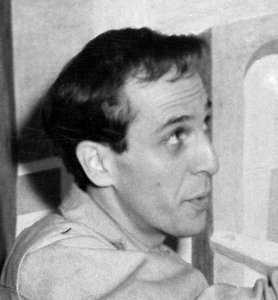
Guston
1913 - 1980 , Kanada
Gyors információk
- Artistic Movement Or Style:
- Absztrakt expresszionizmus
- Neo-expresszionizmus
- Artists Or Movements Influenced By This Artist: ['Eddie Martinez']
- Artists Who Influenced This Artist: ['Piero della Francesca']
- Date Of Birth: 1913. június 27.
- Date Of Death: 1980. június 7.
- Full Name: Philip Guston
- Nationality: Kanada-Amerikai
- Notable Artworks: ['To Fellini']
- Place Of Birth: Montréal, Kanada
Kapcsolódó cikkek

Mastering the Line: A Comprehensive Expert Guide to Technical Precision and Expressive Depth in Drawing
Elevate your artistic practice with this expert guide to mastering the line. Discover advanced techniques in graphite, charcoal, and contour drawing designed for art students seeking technical precision and expressive depth in their fine art studies.
Philip Guston: Reassessing Abstraction, Figuration & the Weight of Representation
Explore the complex evolution of Philip Guston's art – from abstraction to raw figuration. Discover his powerful social commentary, lasting influence & collecting insights with OriginalUniqueArt.
The Nuances of Graphite: Exploring Emotional Depth & Technical Mastery in Pencil Drawing
Explore the captivating world of graphite drawing! Discover its rich history, master essential techniques like chiaroscuro, and learn how artists evoke emotion through this timeless medium. Expert insights for art enthusiasts.
The Eloquent Line: Exploring the Artistic Significance of Sketches Across Movements and Media
Explore the profound artistic significance of sketches throughout history. From Renaissance masters to modern innovators like Van Gogh & Guston, discover how these foundational works reveal technique, emotion, and vision. Learn more at OriginalUniqueArt.

The Art of the Line: A Masterclass in Drawing Techniques and the Evolution of Graphic Expression
Explore the profound history of drawing techniques, from Dürer's precision to the alchemy of graphite. Discover how masters use line, weight, and contour to capture the human spirit in this expert guide to art history and technical mastery.