

 Előnézet
 Megosztás
 Megosztás
 Részletek
 Útmutató

 Letöltés
 Hasonló darabok
 X-ray felvétel
 Diavetítés
 Statisztika
Design for a wall decoration
 Acrylic On Canvas
- WallArt
- Italian Renaissance Revival
 1540
1540 378.0 x 309.0 cm
 Staatliche Museen zu Berlin
 Tovább olvasom
Giclée / Műnyomat
Múzeumi minőségű giclée vagy vászonnyomat, gyors gyártással és rugalmas finomítási lehetőségekkel. ( Kézzel festett másolat vásárlása Áttérés digitális képre)




P118B Ft10

P118H Ft10

P118W Ft10

P438Z Ft10

P508JH Ft12

P508YH Ft12

P805H Ft10

P805Z Ft10

P919BZ Ft10

P919G Ft10

P919XJ Ft10

P959ZH Ft10

P968JZ Ft12

W106C Ft8

W218G Ft10

W218JH Ft8

W218Y Ft10

W307PJ Ft10

W316G Ft10

W316PJ Ft8

W316Y Ft10

W398PJ Ft8

W4111J Ft10

W500HY Ft15

W500JH Ft15

W692G Ft12

W849H Ft8

W940BG Ft15

W953PJ Ft8




Válasszon előre meghatározott méreteink közül, amelyek megfelelnek a műalkotás eredeti arányainak.

Megadhat saját méreteket is egy konkrét kerethez vagy helyszínhez igazítva. Amennyiben a kiválasztott méret nem egyezik az eredeti kép arányokkal, a műalkotást le fogjuk vágni, vagy kiegészítjük a képet tükrözött vagy egyszínű szélekkel. A gyártás megkezdése előtt egy digitális tervezetet küldünk jóváhagyásra.
Kérjük, vegye figyelembe, hogy a képernyőn látható előnézet nem tükrözi a tényleges levágást vagy kiegészítést. Csak a tervezet mutatja pontosan a végső kompozíciót.
Bár az egyedi méretek is elérhetőek, az eredeti arányok megőrzése érdekében azt javasoljuk, hogy válasszon a előre meghatározott listából származó méretet.
Világszerte történő kiszállítás területére mindössze 2 hét alatt, a szokásos 4-5 hét helyett. (12 október)

Ingyenes globális expressz szállítás

Prémium minőségű len vászon

Teljes körű szállítási biztosítás

Vámvisszatérítési Garancia

Tökéletes színarányosság garancia

100 napos visszaküldési garancia (csak gyártási hibás termékek esetén)

100% pénzvisszatérítési garancia

Több darab vásárlásakor kedvezmény
 Az üvegkeretes opció csak 110 cm alatti méretben érhető el

Design for a wall decoration
Giclée / Műnyomat
Reprodukció méretei
-


Összesített ár
Ft 25082
Design for a Wall Decoration by FLÖTNER, Peter
Peter Flötner’s “Design for a Wall Decoration” stands as a testament to the burgeoning Renaissance Revival movement in Northern sculpture during the mid-fifteenth century—a period marked by an urgent desire to recapture the grandeur and humanist ideals of Italy. While overshadowed by luminaries like Albrecht Dürer, Flötner carved out a distinctive niche within German artistic circles, championing a stylistic approach that irrevocably altered decorative arts across Europe.Subject Matter & Composition
The painting depicts a meticulously rendered cave scene populated with figures engaged in contemplative activity. Five individuals are discernible—some standing upright, others seated or reclining—creating an ensemble that speaks to themes of piety and reflection. The cavern itself is portrayed as a natural landscape dominated by flowing water, suggesting both serenity and the transformative power of nature. Two birds grace the upper left corner and lower right side of the canvas, subtly reinforcing notions of aspiration and divine presence. At the center lies a simple cup—a symbol of communion and spiritual nourishment—further emphasizing the artwork’s contemplative core.Stylistic Influences & Technique
Flötner's artistic vision was profoundly shaped by the stylistic innovations emanating from Florence and Rome. He skillfully employed techniques characteristic of Italian Renaissance sculpture, notably precise modeling and drapery folds that imbue the figures with palpable realism. The artist’s meticulous attention to detail—evident in the depiction of textures and contours—demonstrates a mastery of sculptural craftsmanship honed under the tutelage of Adolf Daucher, Flötner's mentor. Furthermore, the muted palette—primarily earthy tones—reflects the prevailing aesthetic sensibilities of the time, aligning with the humanist preoccupation for naturalism and psychological depth.Historical Context & Significance
The painting emerged during a pivotal moment in European intellectual history—the rediscovery of classical texts and artistic precedents fueled by humanist scholarship. Artists like Flötner sought to emulate the monumental grandeur and moral seriousness of Roman sculpture, aiming to elevate German decorative arts beyond mere ornamentation. “Design for a Wall Decoration” exemplifies this ambition, serving as an emblem of the Renaissance Revival’s aspiration to infuse Northern European art with the spirit of Italian artistic excellence—a legacy that continues to inspire contemporary designers and collectors alike.Emotional Impact & Aesthetic Resonance
Ultimately, Flötner's masterpiece transcends mere visual representation; it evokes a profound sense of tranquility and spiritual contemplation. The carefully orchestrated composition invites viewers into a realm of serene beauty, mirroring the humanist conviction that art could cultivate virtue and illuminate the human condition. “Design for a Wall Decoration” remains an enduring symbol of artistic aspiration—a testament to Flötner’s ability to capture not only the visual splendor of his era but also its underlying ethos of intellectual curiosity and moral earnestness.Gyakran Ismételt Kérdések
Milyen összefüggésben áll a "Design for a wall decoration" témája Peter Flötner megszokott motíveivel?
A "Design for a wall decoration" cave scene, renaissance, sculpture, decorative arts, landscape, bird imagery, fountain design-t ábrázol, míg Peter Flötner dokumentált témái a italian renaissance style, patronage, decorative sculpture, landscape harmony, artist innovation. A kettő összevetése megmutatja, hogyan kapcsolódik ez a mű a művész megszokott motívumaihoz.
Milyen színeket használ a "Design for a wall decoration"?
A "Design for a wall decoration" színei egy Neutrals palettát alkotnak. Ez a besorolás a domináns színek családjait írja le.
Hová sorolható a "Design for a wall decoration" Peter Flötner életművében?
Peter Flötner munkásságán belül a "Design for a wall decoration" a Italian Renaissance Revival stílus képét képviseli, a italian renaissance style, patronage, decorative sculpture, landscape harmony, artist innovation témakörével összefüggésben.
Milyen felhasználásra javasolt a „Design for a wall decoration”, Peter Flötner alkotása?
A „Design for a wall decoration”, Peter Flötner alkotása reprodukcióját Accent célokra javasoljuk. Ez a javaslat a mű témájából, hangulatából és színeiből adódik.
Hányan tekintik meg a(t): "Design for a wall decoration"?
A „Design for a wall decoration”, Peter Flötner alkotása statisztikái a mű Statisztika oldalán érhetőek el: a mű havi látogatottsága, a művész alkotásainak megtekintése, valamint az utóbbi időszaki látogatók országos és nyelvi lebontása.
Megtekinthetném „Design for a wall decoration”, Peter Flötner alkotása alkotást más megvilágítás mellett is?
A „Design for a wall decoration”, Peter Flötner alkotása röntgensugár-nézetét a mű X-Ray felvétel oldalán tekinthetjük meg: ez az alkotás interaktív vizsgálata eleven optikai rétegeken keresztül.
Milyen kontraszt jellemzi „Design for a wall decoration”, Peter Flötner alkotása alkotást?
A "Design for a wall decoration" fény-sötét kontrasztja Statement értéket mutat. A kontraszt azt írja le, mennyire térnek el egymástól a világos és sötét részek.
Milyen módon kapcsolódik a "Design for a wall decoration" stílusa alkotójának korához?
„Design for a wall decoration”, Peter Flötner alkotása alkotásművében a Italian Renaissance Revival irányzat találkozik a Renaissance korszakkal.
A művész életrajza
Peter Flötner: Renaissance Revival in Northern Sculpture
Peter Flötner (Flettner), born around 1485 in Thurgau, Switzerland, stands as a pivotal figure in the artistic landscape of the early sixteenth century – specifically, the burgeoning movement to infuse German sculpture and decorative arts with the grandeur of Italian Renaissance ideals. Often overshadowed by contemporaries like Albrecht Dürer and the Vischer family, Flötner’s contribution was nonetheless substantial: he championed a stylistic shift that fundamentally reshaped artistic expression across Northern Europe.- Early Life & Training: Little is known about Flötner's formative years beyond his birthplace and apprenticeship in Augsburg with Adolf Daucher. Daucher, himself a respected goldsmith, instilled in Flötner a foundational understanding of craftsmanship and metalworking techniques – skills that would prove invaluable throughout his career. Notably, Flötner participated in the intricate goldwork adorning the Fugger Chapel, demonstrating an early aptitude for blending artistic vision with technical mastery.
- Italian Influence & Artistic Transformation: A journey to Italy during the mid-1520s profoundly impacted Flötner’s aesthetic sensibilities. Exposure to Florentine sculpture and architectural design ignited a passion for classical forms and principles, propelling him toward a distinctly Renaissance style. This influence is palpable in his subsequent works, where he consciously adopted techniques and motifs characteristic of the Italian Renaissance masters.
- Nuremberg & Bürgereid: Flötner established himself as a sculptor in Nuremberg in 1522, marking a significant turning point in his artistic trajectory. Taking the “bürgereid,” or citizen oath—a solemn declaration of allegiance to the city’s republican ideals—underscored his commitment to civic engagement and solidified his position within Nuremberg's artistic community.
Notable Sculptures & Artistic Achievements
Flötner’s oeuvre encompasses a remarkable breadth of media, yet two sculptures stand out as emblems of his artistic prowess: the nude figure of Adam in Vienna’s Kunsthistorisches Museum and Apollo firing a bow on Nuremberg's Apollo Fountain. The Adam sculpture, executed around 1530, exemplifies Flötner’s mastery of wood carving—a medium he skillfully employed to convey anatomical precision and spiritual contemplation. Similarly, the Apollo fountain, conceived for the Herrenschiesshaus in Nuremberg and cast by Pankraz Labenwolf, showcases his collaborative spirit and ability to translate architectural designs into tangible artistic creations.- Adam Sculpture: This 34.5 cm limewood depiction of Adam embodies Flötner’s dedication to anatomical accuracy and idealized beauty—traits that align seamlessly with Renaissance sculptural conventions.
- Apollo Fountain: The Apollo fountain represents Flötner's contribution to monumental sculpture, demonstrating his understanding of bronze casting techniques and architectural integration.
Printmaking & Dissemination of Style
Beyond sculpture, Flötner excelled as a printmaker, producing designs for furniture, altarpiece surrounds, ornamental panels, book illustrations, playing cards, and even a decorative alphabet. These prints served not merely as artistic expressions but also as crucial vehicles for disseminating the Italianate Renaissance style across Northern Europe—a trend initiated by Dürer’s groundbreaking prints. Flötner's plaques appeared in various metals, predominantly brass, mirroring the stylistic innovations championed by his influential predecessor.- Printmaking Technique: Flötner skillfully utilized etching and engraving techniques to capture architectural designs and decorative motifs with remarkable fidelity.
- Influence on Artistic Trends: His prints played a pivotal role in shaping artistic tastes and promoting Renaissance ideals throughout Germany and beyond.
Legacy & Historical Significance
Peter Flötner’s legacy resides not only in his individual artworks but also in his broader impact on the artistic landscape of his time. He stands as a testament to the transformative power of cultural exchange—demonstrating how exposure to Italian Renaissance art could inspire innovation and revitalize artistic traditions within Germany. By championing classical forms and techniques, Flötner helped usher in an era of stylistic refinement and architectural grandeur, securing his place as one of the foremost sculptors and printmakers of the sixteenth century.
Peter Flötner
1490 - 1546 , Switzerland
Gyors információk
- Full Name: Peter Flötner
- Nationality: German
- Date Of Birth: 1490
- Date Of Death: 1546
- Place Of Birth: Thurgau, Switzerland
- Notable Artworks:
- Venus
- St. Peter and St Paul
- Wittenberg Reliquary Book
- Artistic Movement Or Style: Italianate Renaissance Design
- Artists Who Influenced This Artist: ['Adolf Daucher']
- Artists Or Movements Influenced By This Artist: ['Albrecht Dürer']
Kapcsolódó cikkek
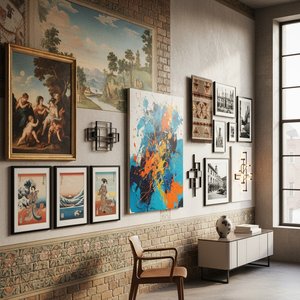
Transforming Spaces: A Comprehensive Exploration of Wall Decor Through Art History & Contemporary Practice
Explore the art of transforming spaces with our comprehensive guide to wall decor. From historical movements to contemporary trends, discover how to curate impactful interiors and commission bespoke artwork for a truly personalized aesthetic.

A művészettörténet 10 legikonikusabb bronzszobra – OriginalUniqueArt.com
Fedezze fel a művészettörténet 10 legikonikusabb bronzszobrát! Ismerje meg Rodint, Michelangelót és más mestereket. Luxus minőségű nyomatok otthonába – OriginalUniqueArt.com.

A művészettörténet 10 legikonikusabb bronzszobra – OriginalUniqueArt.com
Fedezze fel a művészettörténet 10 legikonikusabb bronzszobrát! Ismerje meg Rodin, Michelangelo és más mesterek alkotásait. Luxus minőségű reprodukciók otthonába – OriginalUniqueArt.com.

The Enduring Form: Sculpture Across History, Technique & Emotional Resonance
Explore the rich history of sculpture with OriginalUniqueArt. Discover key techniques, influential artists & investment potential for discerning collectors. Expert insights into valuing and collecting timeless masterpieces.

The Enduring Form: Exploring Themes & Techniques in Sculpture Across Historical Periods
Explore the rich history of sculpture from ancient masterpieces to contemporary innovations. Discover key techniques, influential artists & investment potential for discerning art collectors.