

 Megtekintés
 Küldés
 Megosztás
 Részletek
 Útmutató

 Letöltés
 Hasonló darabok
 X-ray felvétel
 Diavetítés
 Statisztika
The storm
 Acrylic On Canvas
- WallArt
- Biedermeier
 1837
1837 50.0 x 67.0 cm
 Österreichische Galerie Belvedere
 Összes részlet megjelenítése
Kézzel készített olajfestmény reprodukció
Kézzel festett olajvastú vászon, az Ön által választott méretben és keretben, művészeink készítik meglévőre. ( Váltás nyomtatványra Áttérés digitális képre)




P118B Ft10

P118H Ft10

P118W Ft10

P438Z Ft10

P508JH Ft12

P508YH Ft12

P805H Ft10

P805Z Ft10

P919BZ Ft10

P919G Ft10

P919XJ Ft10

P959ZH Ft10

P968JZ Ft12

W106C Ft8

W218G Ft10

W218JH Ft8

W218Y Ft10

W307PJ Ft10

W316G Ft10

W316PJ Ft8

W316Y Ft10

W398PJ Ft8

W4111J Ft10

W500HY Ft15

W500JH Ft15

W692G Ft12

W849H Ft8

W940BG Ft15

W953PJ Ft8




Válasszon előre meghatározott méreteink közül, amelyek megfelelnek a műalkotás eredeti arányainak.

Írja be a kívánt szélességet és magasságot, hogy illeszkedjen a keretéhez vagy a falához. Mivel ez kézzel festett alkotás, egy eltérő formájú méret esetén a művész akár festhet is valamivel többet a kép körül, vagy korolathat is belőle — az Ön döntésének megfelelően. A festés megkezdése előtt küldünk egy digitális tervezetet jóváhagyásra. Az oldalon látható kép nem tartalmazza a végeredményt — csak a tervezet mutatja meg a valódi eredményt.
A rendelést követően a OriginalUniqueArt.com csapata e-mailt küld az ügyfélnek az instrukciókért, és biztosít egy előnézeti képet (mockup).
Világszerte elérhető szállítás () 3-4 hét alatt a szokásos 5 hét helyett. (27 október). A minőség nem kérdőjelezhető.

Ingyenes globális expressz szállítás

Prémium minőségű len vászon

Teljes körű szállítási biztosítás

Vámvisszatérítési Garancia

Hiteles színarányosság garancia

100 napos visszaküldési lehetőség (csak hibás termékek esetén)

100% pénzvisszatérítési garancia

Több darab vásárlásakor kedvezmény
 Az üvegkeretes opció csak 110 cm alatti méretben érhető el

The storm
Reprodukciós technika
Reprodukció mérete
-


Összesített ár
Ft 96851
A Window to a Turbulent Soul: Exploring Peter Fendi’s “The Storm”
Peter Fendi's "The Storm," painted in 1837, isn’t merely a depiction of a tempestuous sky; it’s a profound meditation on domesticity, vulnerability, and the quiet drama unfolding within a family’s sanctuary. This intimate scene, rendered with the characteristic warmth and realism of Biedermeier painting, immediately draws the viewer into a tableau of contained chaos – a woman cradling her child before a window that frames both the fury of nature and the steadfastness of home. The composition is deceptively simple: a mother and child, bathed in soft light, facing an exterior world rendered with dramatic brushstrokes and swirling clouds. Yet, within this apparent tranquility lies a palpable tension, a suggestion of unease that speaks volumes about the anxieties inherent in family life.
Fendi’s masterful use of color is crucial to conveying this emotional complexity. The palette leans heavily on muted browns, grays, and blues – colors associated with storm clouds and introspection. However, these somber tones are punctuated by flashes of warm light emanating from the interior, highlighting the figures and creating a subtle contrast between safety and the unknown. The woman’s posture is particularly telling; she isn't actively shielding her child, nor does she appear panicked. Instead, she gazes out with a thoughtful expression, suggesting an acceptance of the storm both outside and within. The inclusion of other family members – two children playing near the window and another figure on the right – subtly expands the narrative, hinting at a larger household grappling with shared experiences.
The Biedermeier Aesthetic: Intimacy and Observation
“The Storm” is a quintessential example of the Biedermeier style, which flourished in Austria during the early 19th century. This artistic movement prioritized realism and domestic scenes, often depicting everyday life with an emphasis on intimacy and observation. Unlike the grand historical or mythological subjects favored by earlier periods, Biedermeier artists sought to capture the beauty and simplicity of the ordinary – a shift reflecting the growing middle class’s desire for comfort and connection within their own homes. Fendi's work embodies this ethos perfectly; he doesn’t attempt to glorify the storm itself but rather focuses on how it affects those closest to him, creating a deeply personal and relatable image.
Fendi’s technical skill is evident in his meticulous attention to detail – from the texture of the fabrics to the subtle nuances of expression on the figures' faces. He employed a technique known as “pointillé,” using small, closely spaced brushstrokes to create an illusion of depth and texture, particularly noticeable in the depiction of the clouds. This method allowed him to capture the dynamic movement of the storm while maintaining a sense of realism and warmth. Furthermore, his use of light is masterful, creating a soft, diffused glow that illuminates the figures and imbues the scene with a feeling of quiet dignity.
Symbolism and Emotional Resonance
The window itself serves as a powerful symbol in “The Storm.” It represents not only a physical barrier between the interior and exterior but also a metaphorical one – separating the family from the uncertainties of the world. The storm raging outside can be interpreted as a representation of life’s challenges, anxieties, and hardships. However, within the confines of the home, the family finds solace and strength in their connection to one another. The child, nestled securely in his mother's arms, embodies innocence and hope, suggesting that even amidst turmoil, new beginnings are possible.
Fendi’s painting resonates with a timeless emotional truth. It speaks to the universal experience of navigating difficult times while cherishing the bonds of family. “The Storm” is more than just a beautiful artwork; it's a poignant reminder of the resilience of the human spirit and the enduring power of love in the face of adversity. Reproductions of this evocative piece offer a captivating glimpse into a bygone era, inviting viewers to contemplate their own relationships and find beauty amidst life’s inevitable storms.
Kérdések és válaszok
Mely paletta és domináns szín határozza meg a "The storm" alkotást?
A "The storm" alkotást egy Earthy színekből álló paletta határozza meg, melyet Clay (#8c6a3a) dominál.
Szabad-e jogilag másolni a(z) Österreichische Galerie Belvedere gyűjteményében található „The storm”, Fendi Péter alkotása alkotást?
A "The storm" eredeti műve a Österreichische Galerie Belvedere gyűjteményében található, az alkotás pedig közösségi tulajdon – a szerzői jog lejártt státuszú.
Hogyan tölthetem le a(z) „The storm”, Fendi Péter alkotása képét?
A "The storm" letölthető változatként is elérhető: a mű Letöltés oldala magas felbontású digitális kép letöltése lehetőséget kínál.
A művész életrajza
Peter Fendi: A bécsi Biedermeier úttörője
Peter Fendi, aki 1796. szeptember 4-én született Bécs szívében, nem csupán egy festő volt; ő az osztrák művészet fejlődésének kulcsfontosságú alakja volt a Biedermekker korszak idején. Életét egy korai fizikai nehézség kísérte – egy förändítőasztalról való leesés, amely gyermekkori bajáról tartós gerincproblémákkal hagyta őt – ami ironikus módon felépítette a rajztalálékosságát, és végső soron meghatározta művészeti látásmódját. Apja, egy tan师, felismerte ezt a veleszületett képességet, és 1810-ben a tekintélyes Szent Anna Akadémia felvételte is felkerülte a fiatal Pétert. Itt, olyan becsületes művészek mentorálásában, mint Johann Martin Fischer, Hubert Maurer és Johann Baptist von Lampi az Öreg, Fendi csiszolta készségeit, laid alapját egy rendkívül termékeny pályának, amely olykészítményeket, akvarelleket, nyomatokat, etszeteket, litográfiákat és akár faáramú művészetet is magában foglal. Fendi korai szakmai életét 1818-ban kezdte a Császári Érem- és Antikvárium Galérián, ahol Joseph Barth alatt dolgozott rajcművészként és metszőként. Barth egy befolyásos művészeti gyűjtő és II. József császár személyes szemésze volt. Ez a pozíció felbecsülhetetlen hozzáférést biztosított számára a művészeti körökbe, és megismétette vele az császári megbízások által követelt precíz részletgazdagságot. Egy jelentős mérföldkő 1821-ben érkezett, amikor Fendi aranyérmet kapott az Vilenica című olykészítményéért, ezzel megszilárdítva hírnevét a bécsi művészeti Szférában. Ez az elismerés vezetett a bécsi Képzőművészeti Akadémia tagjává való választásához 1836-ban, tovább növelve társai közötti rangját.Holland pengaruhás és velencei inspiráció
Művészeti stílusa két különálló, mégis egymást kiegészítő forrás hatására alakult: a holland mesterekre és az olasz reneszánszra. Az Adriaen Brouwer, Adriaen van Ostade és Rembrandt műveiben domináló realizmus és életképi motívumok mélyen rezonáltak Fendivel, meghatározva napi élet ábrázolását – a nyüzsgő piacokat, az éttermeket és az intimebb, házi pillanatokat. Ezek a festmények emberi viselkedés éles megfigyeléséről szólnak, gyakran finom humorral vagy társadalmi megjegyzésekkel árasztva. Ezzel párhuzamosan Fendi 1821-es velencei utazása átalakító erejű volt. Giovanni Bellini, Tintoretto, Titian és Paolo Veronese opulens művészeti gyűjteményeiben elmerülve felszívta drámai kompozícióikból a gazdag színeket és a fény mesteri használatát – elemeket, amelyek később saját munkájába is beépítették a nagyság és a teatralitás érzését.Örökség és művészeti jelentőség
Peter Fendi öröksége messze túlmutat azon egyedi alkotásokon, amelyek a saját aláírását viselik. Kulcsszerepet játszott a Biedermeier esztétika kialakításában – melyet intim skála, a mindennapi élet realista ábrázolása és finom társadalmi kritikája jellemzett. Hatása látható az azt követő generációk osztrák művészei munkáiban is. Apró részletek iránti gondos odafigyelése, a litográfia innovatív megközelítésével kombinálva, megszilárdította helyét a Biedermeier korszak egyik legfontosabb alakjaként. Ma Fendi festményeit tekintélyes gyűjtemények őrzik, mint az Albertina Múzeum, a Belvedere Galéria és a vadufi hercegi gyűjtemény, biztosítva, hogy művészeti hozzájárulásai generációkon át értékelésre és tanulmányozásra kerüljenek. Műve értékes ablakot nyit a 19. századi osztrák társalomba, lenyűgöző szakértelemmel és érzékenységgel megörökítve annak szépségét és összetettségét egyaránt.
Fendi Péter
1796 - 1842 , Ausztria
Rövid információk
- Artistic Movement Or Style: Biedermeier
- Artists Or Movements Influenced By This Artist:
- holland festészet
- ital renaissance
- Artists Who Influenced This Artist:
- Rembrandt
- Adriaen Brouwer
- Giovanni Bellini
- Date Of Birth: 1796. szeptember 4.
- Date Of Death: 1842. augusztus 28.
- Full Name: Peter Fendi
- Nationality: osztrák
- Notable Artworks:
- Elise és Fanny, Liechtenstein hercegnők
- A felemelkedés
- A szomorú üzenet
- Place Of Birth: Wien, Ausztria
Kapcsolódó cikkek

Biedermeier Style: The Elegant Art of Comfort, Simplicity, and Bourgeois Sophistication
Discover the refined elegance of Biedermeier style. Explore how this 19th-century movement blended simplicity with comfort, shaping the art and design of the middle class through Romanticism and functional beauty. An expert guide for classic art enthusiasts.

Evolving Portraits: Personalized Art as a Chronicle of Family Life Across Generations
Create a timeless family legacy with custom portraits! OriginalUniqueArt connects you with skilled artists for heirloom-quality paintings & prints. Explore styles, commission your unique artwork today.

Biedermeier: Art, Society & Intimacy in Restoration Europe
Explore the world of Biedermeier art & culture! Discover the history, aesthetic principles, and lasting influence of this fascinating European movement. Expert insights & beautiful reproductions at OriginalUniqueArt.
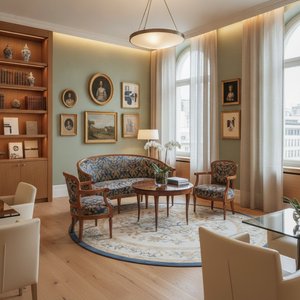
Biedermeier Style Guide: Integrating Elegant, Functional 19th-Century Art into Modern Hotel & Hospitality Interiors
Master the Biedermeier style for hospitality design. Our professional guide explores integrating 19th-century elegance and functional simplicity into modern hotel interiors through expert art procurement and large-scale custom reproductions.
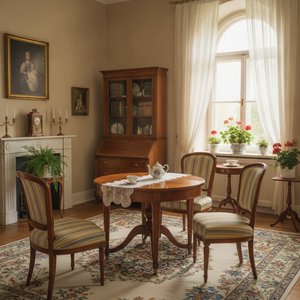
Biedermeier Style: The Art of Comfort, Elegance, and Home Harmony in 19th-Century Europe
Discover the soulful elegance of Biedermeier style. Explore how 19th-century Europe turned to domestic comfort and refined simplicity through art and design. A deep dive into the era of bourgeois sophistication for the true classic art enthusiast.