

 Előnézet
 Megosztás
 Megosztás
 Részletek
 Útmutató

 Letöltés
 Hasonló darabok
 X-ray felvétel
 Diavetítés
 Statisztika
The First Real Target.


 Tovább olvasom
Az ezen az oldalon megjelenített műalkotások szerzői jogi védelem alatt állnak, ami azt jelenti, hogy törvényileg nem készíthetünk és nem adhatunk el belőlük pontos másolatokat. Ez a védelem olyan nemzetközi megállapodások alapján érvényesül, mint például a Berni Egyezmény és a nemzeti törvények által, beleértve azokat is, amelyeket meghatározott Az USA szerzői jogi törvénye – 17. cím.
Ez a módszer teljes mértékben megfelel a szerzői jogi szabályozásnak, mivel nem tartalmazza a védett műalkotás másolását vagy duplikálását. Ehelyett ez egy kreatív újinterpretáció – egy új festmény, amely az eredetivel való összefüggései miatt hatással van rá, de nem az az.
Giclée / Műnyomat
Múzeumi minőségű giclée vagy vászonnyomat, gyors gyártással és rugalmas finomítási lehetőségekkel. ( Kézzel festett másolat vásárlása Áttérés digitális képre)




P118B Ft10

P118H Ft10

P118W Ft10

P438Z Ft10

P508JH Ft12

P508YH Ft12

P805H Ft10

P805Z Ft10

P919BZ Ft10

P919G Ft10

P919XJ Ft10

P959ZH Ft10

P968JZ Ft12

W106C Ft8

W218G Ft10

W218JH Ft8

W218Y Ft10

W307PJ Ft10

W316G Ft10

W316PJ Ft8

W316Y Ft10

W398PJ Ft8

W4111J Ft10

W500HY Ft15

W500JH Ft15

W692G Ft12

W849H Ft8

W940BG Ft15

W953PJ Ft8




Válasszon előre meghatározott méreteink közül, amelyek megfelelnek a műalkotás eredeti arányainak.

Írja be a keretének vagy a falának megfelelő szélességet és magasságot. A nyomatot csak le lehet vágni, soha nem tehető nagyobbá, mint az eredeti kép, így egy eltérő alakú méretnél a kép egy része elveszik. Mielőtt bármit kinyatintanánk, küldünk egy digitális próbamodellt jóváhagyásra. Az oldalon látható kép nem tartalmazza a valós levágást — ezt csak a próbamodell mutatja meg.
Világszerte történő kiszállítás területére mindössze 2 hét alatt, a szokásos 4-5 hét helyett. (22 október)

Ingyenes globális expressz szállítás

Prémium minőségű len vászon

Teljes körű szállítási biztosítás

Vámvisszatérítési Garancia

Tökéletes színarányosság garancia

100 napos visszaküldési garancia (csak gyártási hibás termékek esetén)

100% pénzvisszatérítési garancia

Több darab vásárlásakor kedvezmény
 Az üvegkeretes opció csak 110 cm alatti méretben érhető el

The First Real Target.
Giclée / Műnyomat
Reprodukció méretei
-


Összesített ár
Ft 25277
The Pop Art Echo: Deconstructing 'The First Real Target'
To stand before Peter Blake’s The First Real Target is not merely to observe paint on canvas; it is to step into a vibrant, slightly chaotic conversation between high art and the everyday detritus of modern life. Created in 1961, this piece arrives at a pivotal moment in cultural history—the burgeoning energy of Pop Art itself. Blake, ever the keen observer of popular culture, has assembled disparate visual elements into a compelling whole. The subject matter, ostensibly a target painted with bold circles of blue, red, yellow, and white, belies its deeper resonance. It is an object of focus, yet one that simultaneously fragments meaning through its very construction.
Technique and the Collage Impulse
What immediately draws the eye is the palpable sense of collage. Blake masterfully employs techniques that suggest assemblage—the careful layering and juxtaposition of found or reproduced imagery. This approach was revolutionary, allowing him to dismantle traditional notions of pictorial space. The painted target structure serves as a framework upon which these visual conversations take place. One can almost feel the texture beneath the paint, the ghosting of different sources brought together by Blake’s hand. It is an energetic surface that refuses singular interpretation, inviting the viewer's eye to wander across the concentric rings and the central yellow void.
Symbolism: Aim, Focus, and Fragmentation
The symbolism inherent in a target is potent and multifaceted. On the surface, it speaks of aim, precision, and the pursuit of a goal—a universal human endeavor. Yet, Blake complicates this straightforward reading. The multiple colors and overlapping circles suggest that any single 'bullseye' might be elusive or perhaps even overrated. Is the true focus in the center yellow circle, or is the meaning found in the surrounding blue rings? This ambiguity mirrors the cultural landscape of the early sixties—a time brimming with possibility, yet also marked by burgeoning social anxieties and media saturation. The piece suggests that modern life requires us to aim not for one single point, but to navigate a constellation of competing interests.
Historical Resonance and Emotional Impact
The First Real Target is deeply embedded in the spirit of British Pop Art. Blake was instrumental in elevating popular imagery—the mundane, the commercial, the mass-produced—to the pedestal of fine art. This work captures that exhilarating tension: the elevation of the common object into something profound. For the collector or designer seeking an accent piece, this painting offers more than mere decoration; it offers intellectual engagement. It pulses with a vibrant, optimistic energy while simultaneously questioning the very nature of 'success' or 'focus.' To own a reproduction is to invite a conversation about culture, artifice, and the beautiful messiness of modern experience into your living space.
CLASSIFICATION: Pop ArtGyakran Ismételt Kérdések
Milyen módon kapcsolódik össze a „The First Real Target.”, Peter Blake alkotása a Pop Art irányzatot a művész honcountryjához?
A "The First Real Target." alkotását Peter Blake készítette, aki Egyesült Királyság-ban született, a Pop Art irányzat keretein belül. A művész származása összeköti a művet a Pop Art stílusával, amelyet Egyesült Királyság művészei gyakoroltak.
Milyen színeket használ a "The First Real Target."?
A „The First Real Target.”, Peter Blake alkotása egy Earthy színpalettát használ. A paletta összefoglalja a mű egészében megnyilvánuló színes karaktert.
„The First Real Target.”, Peter Blake alkotása erős kontrasztokat vagy lágy harmóniákat használ?
A „The First Real Target.”, Peter Blake alkotása színes kompozíció egy Statement kontrasztot és egy Discordant Palette harmóniát ötvöz.
A művész életrajza
A brit pop art pionérosa: Peter Blake világa
Sir Peter Thomas Blake 1932-ben született Dartford, Kent megyében, és indelmas nyomot hagyott a brit művészet tájában, mint kulcsfontosságú alak a Pop Art mozgalomban és azon túl is. Utazása a Gravesend Technical College School of Art formális képzéssel kezdődött, majd a neves Royal College of Art tanulmányai koronázták meg, lefektetve az alapokat egy olyan pályához, amelyet az innovatív kollázsteknikák és a popkultúra mély összefogadásának meghatározott. Blake korai művészeti felfedezései nem voltak korlátozva a hagyományos szépművészet határai közé; helyette bátran beépítette környezete vibráló világából származó motívumokat – reklámokat, birkózómeccseket, music hall szórakoztatást –, gyakran ötvözve ezeket az elemeket dinamikus kollázs-kompozíciókba. Az everyday, a hétköznapi dolgok befogadása és a középszerűség felemelése a magas művészet rangjába stílusa jellegzetessé, valamint a brit Pop Art egyedi identitásának meghatározóvá vált. A Kortárs Művészetek Intézetében (ICA)จัด rendezvények fontos platformot biztosítottak ennek a feltörekvő vízióknak, amely 1960-ban az első szólókiállتásával és 1961-ben a『Young Contemporaries』forradalmi kiállításában való részvételével – ahol David Hockney és R.B. Kitaj olyan kortársai mellett térhetett meg –, végleg rögzítette helyét a művészszemlélet történetében.Ikonográfia és inspiráció: A kollázstól a kulturális kommentáron át
Blake művészeti fejlődése egy különleges vizuális történetmesélési módon tűnt ki. Olyan alkotások, mint az „On the Balálló” (1955-57), példaként szolgálnak korai kollázs-mesterműveire, nem szó szó szoros értelemben vett anyagok tapasztásáról, hanem a precíz lefestett rekonstrukciók révén, amelyek ezt az illúziót keltették. Ez az alkotás, amely Honoré Sharrer híres festményeket tartó munkások ábrázolásaiból vette inspirációt, a popkultúra-referenciák és a szépművészeti utalások összetett rétegzettségét mutatja be, jelezve az alkotó vonzalmát a magas és az alacsony kultúra közötti kölcsönhatás iránt. A „Girls With Their Hero” (1959) tovább bizonyítja ezt az érzékenységet, személyes nosztalgiát ötvözve a viktoriánus képi világgal, létrehozva egy egyedülálló brit vonalat a Pop Art szélesebb nemzetközi kontextusában is. Még a „Captain Webb Matchbox” című darabja is felfedi képességét, amellyel hétköznapi tárgyakat a nemzeti identitás és a kollektív emlékezet erőteljes szimbólumaivá képes alakítani. Ezek a korai művek nem csupán esztétikai kísérletek voltak; éles kommentárok voltak a háború utáni Brit Birodalomról, tükrözve annak fejlődő fogyasztói kultúráját és változó társadalmi értékeit. Blake nem egyszerűen csak *ábrázolta* a popkultúrát; aktívan megvizsgálta azt, feltárva mögötte rejtett szerkezeteit és ellentmondásait művészetén keresztül.Sgt. Pepper és túl: Örökség az album-művészetben
Tagadás nélkül áll, hogy Peter Blake legglobálisan elismert eredménye a The Beatles *Sgt. Pepper's Lonely Hearts Club Band* (1967) ikonikus borítójának közös alkotása volt, melyet akkori feleségével, Jann Haworthtal kollaborált. Ez nem csupán egy albumborító volt; önmagában is kulturális esemény. A bonyolult kollázs egy precízen felépített díszletet tartalmazott, amelyet kivágott fotók és tárgyak tarkítottak egy közpály körül, létrehozva egy szürreális és álomszerű táblázatot, amely tökéletesen megörökítette a kor pszichédejét. Annak hatalmas hatása és maradandó öröksége ellenére Blake nyíltan kifejezte elégedetlenségét az elsődleges díjazás – mindössze 200 font – és a folyamatos jogdíjak hiánya miatt. Ez az élmény rávilágított az művészek és a kereskedelmi vállalkozások közötti gyakran bizonytalan viszonyra, egy téma, amely végigkísérte pályafutását. Azonban az albumtervezeti tehetsége nem állt meg itt; folytatta striking borítóinak készítését a Band Aid „Do They Know It’s Christmas?” (1984), Paul Weller *Stanley Road* (1995) és az Ian Dury tiszteleti albuma, a *Brand New Boots and Panties* (2001) számára is, bizonyítva folyamatos képességét a zenei energia lenakarást vonzó vizuális formává.Evolúció: Folklorizmus, vidékiség és visszatérés a Pophoz
1969-ben Blake új fejezetbe kezdett, Bath közelébe költözve, és művészeti fókuszát az angol népművészet és a shakespeare-i karakterek evokáló világai felé mozdította. Ezen időszak alatt varázslatos akvarell-illusztrációkat alkotott Lewis Carroll *Through the Looking-Glass* című művéhez, demonstrálva sokoldalúságát illusztrátorként és a narratív történetmesélés iránti örökös vonzalmát. Alapító tagja lett a Brotherhood of Ruralists nevű csoportnak is, amely olyan művészekből állt, akik az angol vidéki táj szépségét és hagyományait kívánták ünnepelni. Ez a szentélyes, vidéki szünet azonban nem volt maradandó. <|image>1979-ben Blake visszatért Londonba, és ezzel a költözéssel korábbi Pop Art érzékenysége iránti renewed elkötelezettség is visszatért. Tovább kutatta a nosztalgia és a popkultúra témáit, alkotásokat készítve Eric Clapton *24 Nights* élő albumához (1991), és egy szkrapbuffot is kiadott saját rajzaival. A gyökereihez való ez ciklikus visszatérése bizonyítja Blake művészi integritását – az a fajta elutasítást, hogy korlátozzák stilisztikai trendek vagy elvárások, helyette hagyva, hogy munkái organisman fejlődjenek az idő múlásával. Folytatta művészi kiadások készítését, gyakran felidézve és újragondolva korábbi alkotásaiból, például a *Stanley Road* albumborítóból származó motívumokat, biztosítva, hogy ikonikus képei szélesebb közönség számára elérhetőek maradjanak.Tartós hatás: Lovagok a művészi kiváltságért
Sir Peter Thomas Blake CBE RDI RA méltán kapott lovagkort 2002-ben a művészet világá로 nyújtott felbecсülhetetlen hozzájárulásaiért. A Pop Art mozgalom monumentális alakja, aki híres a kollázs innovatív használatáról, a népi és a szépművészi hagyományok mesteri ötvözéséről, valamint egy korszak szellemiségének megörökítésének állandó képességéről. Munkássága mélyen befolyásolta a következő generációk művészeit, arra inspirálva őket, hogy tháchozzák a hagyományos határokat és befogadják a vizuális történetmesélés erejét. Művészeti eredményein túlmutatva, Blake öröksége az angol identitás, kultúra és emlék összetettségének feltárásába fektetett rendíthetetlen elkötelezettségében rejlik. A kortárs művészet vitalis erejét képviseli, alkotásokat hozva létre, amelyek egyszerre lenyűgözőek és intellektuálisan stimulálóak – a képzelet és az innováció maradandó erejének valódi bizonyítékaként.
Peter Blake
1932 - , Egyesült Királyság
Gyors információk
- Artistic Movement Or Style: Pop Art
- Artists Or Movements Influenced By This Artist: ['The Beatles']
- Artists Who Influenced This Artist:
- David Hockney
- R. B. Kitaj
- Date Of Birth: 25 június 1932
- Full Name: Peter Blake CBE RDI RA
- Nationality: Angol
- Notable Artworks:
- On The Balcony
- Girls With Their Hero
- Captain Webb Matchbox
- Place Of Birth: Dartford, Anglia
Kapcsolódó cikkek
Digital Collage Unleashed: How to Remix Reality into High-Impact Pop Art
Master the art of digital collage. Discover how to remix pop culture icons, glitch aesthetics, and vibrant textures into high-impact Pop Art for modern urban spaces. Elevate your collection with bold, trend-setting visual strategies from the experts in contemporary graphic art.
Aggressive Pop Art: The High-Impact Movement Redefining Street Style and Urban Design
Discover how Aggressive Pop Art is shattering minimalism to redefine urban design. Explore the high-impact trends of Neo-Pop, street style aesthetics, and bold graphic movements shaping modern interiors and contemporary culture.
Challenging Conventions: Pop Art's Origins, Evolution & Enduring Legacy
Explore the fascinating history of Pop Art, from its rebellious origins to its enduring influence on contemporary artists. Discover key figures like Warhol & Lichtenstein and learn about collecting this iconic movement.
More Than Meets the Eye: Decoding the Hidden Symbols and Bold Layers of Allegorical Pop Art
Unlock the secrets of Pop Art. From Warhol's influence to aggressive modern aesthetics, we decode the bold layers and hidden symbols in contemporary icons. Elevate your urban space with high-impact, hand-painted reproductions and custom commissions designed for the bold.
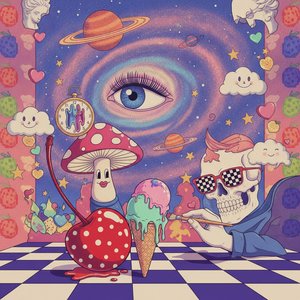
Pop Surrealism Unveiled: The Sophisticated Intersection of Vibrant Pop Art and Dreamlike Subconscious Landscapes
Explore the captivating world of Pop Surrealism. Discover how vibrant Pop Art meets dreamlike subconscious imagery through the works of masters like Jeff Soto and Ryan Heshka. An expert guide for discerning collectors seeking to understand this profound contemporary art movement.
