 Megtekintés
 Küldés
 Megosztás
 Részletek
 Útmutató

 Letöltés
 Hasonló darabok
 X-ray felvétel
 Diavetítés
 Q&A
Q&A Statisztika
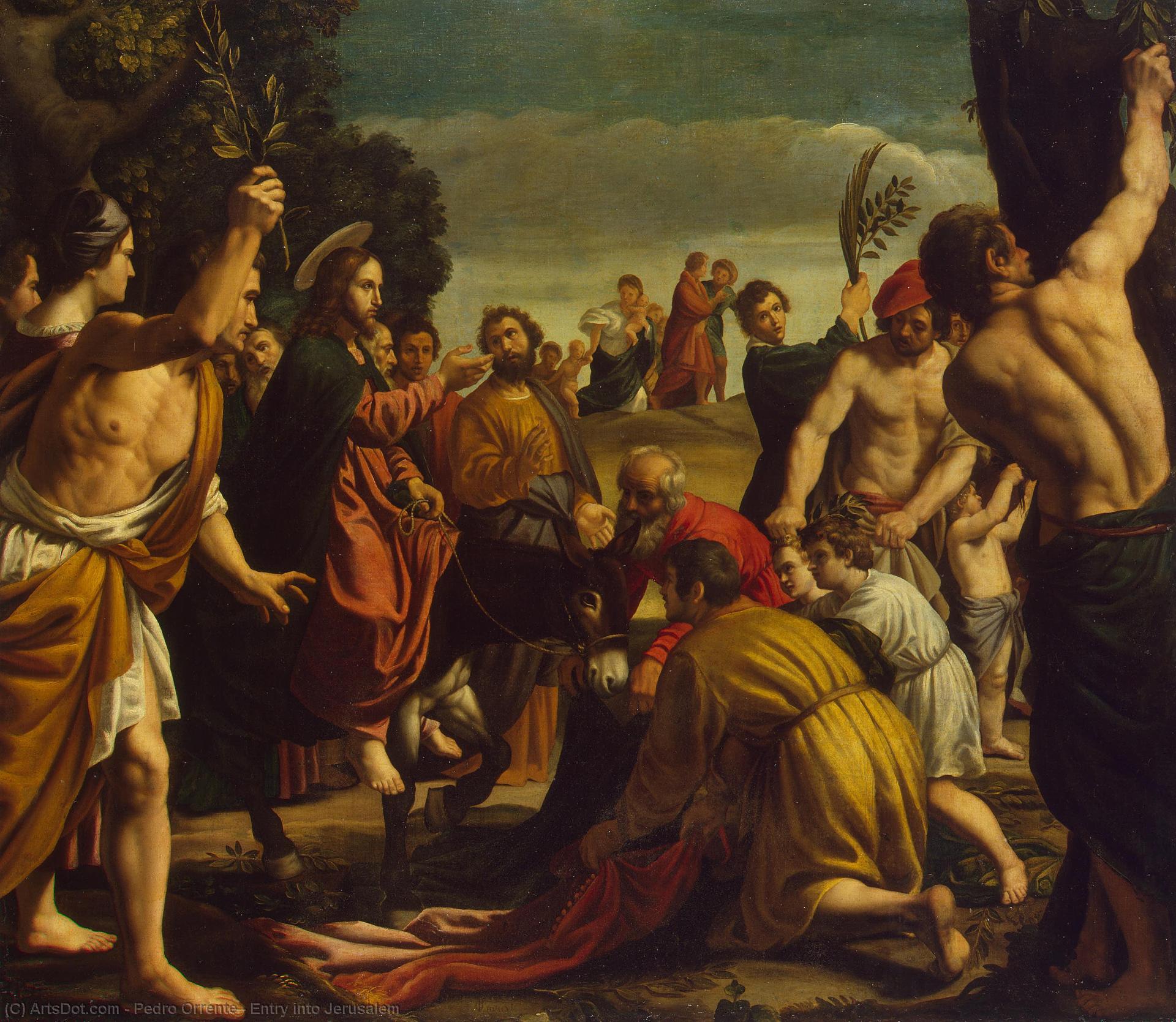
Belépés Jeruzsálembe

- 112.0 x 127.0 cm


 Összes részlet megjelenítése
Giclée / Műnyomat
Múzeumi minőségű giclée vagy vászonnyomat, gyors gyártással és rugalmas finomítási lehetőségekkel. ( Kézzel festett másolat rendelése Áttérés digitális képre)




P118B Ft10

P118H Ft10

P118W Ft10

P438Z Ft10

P508JH Ft12

P508YH Ft12

P805H Ft10

P805Z Ft10

P919BZ Ft10

P919G Ft10

P919XJ Ft10

P959ZH Ft10

P968JZ Ft12

W106C Ft8

W218G Ft10

W218JH Ft8

W218Y Ft10

W307PJ Ft10

W316G Ft10

W316PJ Ft8

W316Y Ft10

W398PJ Ft8

W4111J Ft10

W500HY Ft15

W500JH Ft15

W692G Ft12

W849H Ft8

W940BG Ft15

W953PJ Ft8




Válasszon előre meghatározott méreteink közül, amelyek megfelelnek a műalkotás eredeti arányainak.

Írja be a keretének vagy a falának megfelelő szélességet és magasságot. A nyomatot csak le lehet vágni, soha nem tehető nagyobbá, mint az eredeti kép, így egy eltérő alakú méretnél a kép egy része elveszik. Mielőtt bármit kinyatintanánk, küldünk egy digitális próbamodellt jóváhagyásra. Az oldalon látható kép nem tartalmazza a valós levágást — ezt csak a próbamodell mutatja meg.
Világszerte történő kiszállítás területére mindössze 2 hét alatt, a szokásos 4-5 hét helyett. (2 november)

Ingyenes globális expressz szállítás

Prémium minőségű len vászon

Teljes körű szállítási biztosítás

Vámvisszatérítési Garancia

Hiteles színarányosság garancia

100 napos visszaküldési lehetőség (csak hibás termékek esetén)

100% pénzvisszatérítési garancia

Több darab vásárlásakor kedvezmény
 Az üvegkeretes opció csak 110 cm alatti méretben érhető el

Belépés Jeruzsálembe
Giclée / Műnyomat
Reprodukció mérete
-


Összesített ár
Ft 26201
A Jeruzsálembe Érkező – Pedro Orrente Képeinek Szívcseppje
Pedro de Orrente, a 17. századi spanyol festőművész, egy olyan pillanatot ábrázolt ebben a remekműben, amely mélyen gyökeres a keresztény vallás és a művészet történetében: Jeruzsálembe való bejárását Jézus Krisztusnak. A kép nem csupán egy történelmi jelenet leleplezése, hanem egy lelkesedés, egy imádás, egy reménység kifejezése – egy olyan érzelmi töltettel teli alkotás, amely évszázadokon át inspirálta a művészeket és a vallókat. A festményt, mely 1620-ban született, a spanyol barokk stílus legszebb példái közé sorolják, de Orrente egyedülállóan képes volt a naturalizmus és a drámaikus kompozíció harmonikus egységét teremteni.
A kép központjában Jézus áll, egy egyszerű szónoki donkiészként, egy szamárra ülve. A tömeg, amely körülötte összegyűlt, nem csupán a vallásos hite jelképe, hanem a nép ereje és vágya is. Az emberek különböző méretűek, egyesek közel állnak hozzá, mások távolabb vannak, ami a kép dinamikus energiáját növeli. A középen lévő kereszt, mely egy férfi kezében tartatik, nem csupán vallási szimbólum, hanem a művész akaratának is jelképe – Orrente a maga idejében a realisztikus ábrázolás újaként lépett előre, és ezzel jelentős hatást gyakorolt a spanyol festészet fejlődésére.
- Technika: Az alkotás olajkrétával készült, egy vastag vászonra felvonultatva. Orrente mesteri módon használta az olajkrétát, hogy a fény és árnyékok játékával élethűbbé tegye a képet, a textúrák pedig a festménynek mélységet kölcsönöznek.
- Színvilág: A kép színe melegek és élénkek, a sárga, piros és kék árnyalatok egyaránt megjelennek, ami a képen dinamikus energiát és izgalmat kelt.
- Kompozíció: A kompozíció kiegyensúlyozott és harmonikus, a kép központjában lévő Jézus körül minden elem összpontosít.
A Barokk Szellem és a Realista Ábrázolás
Pedro Orrente egyedülállóan áll a barokk művészetek között, hiszen a drámai kompozíciók, a dinamikus mozgások és az erős érzelmi töltet mellett a realisztikus ábrázolásra helyezte a hangsúlyt. Ez a hozzáállás különösen jelentős volt a 17. századi Spanyolországban, ahol a festők többsége a klasszikus stílusra koncentrált. Orrente azonban egyedülállóan képes volt a realisztikus és a drámai elemek harmonikus egységét teremteni, amiért a művész ma is nagyra becsültetett.
A kép a Jeruzsálembe való bejárás eseményét ábrázolja, mely a keresztény vallás egyik legfontosabb ünnepének számít. A képen megjelenő tömeg nem csupán a vallásos hite jelképe, hanem a nép ereje és vágya is. Az emberek különböző méretűek, egyesek közel állnak hozzá, mások távolabb vannak, ami a kép dinamikus energiáját növeli.
Szimbolika és Érzelmi Hatás
A képen megjelenő szimbólumok mélyebb jelentéssel bírnak. A kereszt, mely egy férfi kezében tartatik, nem csupán vallási szimbólum, hanem a művész akaratának is jelképe – Orrente a maga idejében a realisztikus ábrázolás újaként lépett előre, és ezzel jelentős hatást gyakorolt a spanyol festészet fejlődésére. A két madár az égi jelenetet szimbolizálja, ami a képen egyfajta spirituális légkört teremt.
A kép érzelmi hatása erőteljes és összetett. Az imádás, a remény, a vágyakozás és a bizonytalanság egyaránt megjelennek a képen. A festmény képes arra, hogy a nézőt magába vonja, és elolvadjon a vallásos érzésekben.
Megvásárlási Lehetőségek – Egy Eredeti Képegyet
OriginalUniqueArt kínál kézzel festett reprodukciókat Pedro Orrente 1620-ban készült "Jeruzsálembe Érkező" című alkotójától. A magas minőségű reprodukciók a legmagasabb színvonalú olajkrétát alkalmazzák, és tökéletesen visszaadják az eredeti festmény részleteit. A képek különböző méretekben elérhetőek, így mindenki megtalálhatja a számára ideális darabot. Kérjük, lépjen kapcsolatba velünk egyedi méretben történő rendelés érdekében.
Kérdések és válaszok
Hány éves volt Pedro Orrente, amikor megalkotta a "Belépés Jeruzsálembe" című alkotást?
Pedro Orrente 40 éves korában festette a „Belépés Jeruzsálembe” című művét. A művész 1580 született, a alkotás dátuma pedig 1620.
A "Belépés Jeruzsálembe" alkotója honában található-e?
Nem – a műtárgy külföldön található. Pedro Orrente Spain-ban született, a „Belépés Jeruzsálembe” eredeti darabja pedig Russia-ban található múzeum gyűjteményében található.
Milyen technikával készült a "Belépés Jeruzsálembe", és milyen méretű?
A „Belépés Jeruzsálembe”, Pedro Orrente alkotása technikája Olajfesték, méretei pedig a dokumentált 112 x 127 cm.
A művész életrajza
The Spanish Bassano: The Life and Legacy of Pedro Orrente
In the vibrant tapestry of the Spanish Golden Age, few threads are as intricately woven yet subtly colored as those left by Pedro Orrente. Born in Murcia in 1580, Orrente emerged during a transformative era when the dramatic tensions of the Baroque were beginning to coalesce with a burgeoning interest in naturalism. While history often shines its brightest spotlight on more flamboyant figures like El Greco, Orrente carved out a profound niche by bridging these two worlds. His life was one of movement and adaptation, traveling from his native Murcia to the artistic hubs of Toledo and eventually settling in Valencia, where he would pass away in 1645. This nomadic existence allowed him to absorb the diverse artistic currents of Spain, creating a body of work that feels both deeply rooted in Spanish tradition and breathlessly connected to the broader European landscape.
The foundations of Orrente’s mastery were laid in his early years, likely under the tutelage of the Murcia painter Juan de Arizmendi. However, it was his time in Toledo around 1600 that truly ignited his professional ascent. It was here that he encountered Jorge Manuel Theotocóp_uli, the son of El Greco, a friendship that undoubtedly exposed him to the lingering echoes of Mannerism. Yet, Orrente’s true artistic soul found its resonance elsewhere. His travels took him to Venice, where the influence of the Bassano family became an indelible part of his visual vocabulary. Often referred to as "the Spanish Bassano," Orrente adopted their unique ability to transform biblical narratives into dynamic genre scenes. He learned to populate his canvases with lively figures set against lush, detailed landscapes, moving away from stiff, idealized compositions toward a more visceral, human experience of the divine.
A Mastery of Naturalism and Dramatic Light
Orrente’s technical prowess is most evident in his ability to manipulate light and shadow to evoke profound emotional responses. He was a pioneer of naturalism within the Spanish Baroque framework, prioritizing an accurate, almost tactile representation of the world around him. In masterpieces such as "The Sacrifice of Isaac" (1616), one can witness this tension between the sacred and the earthly. The composition is charged with an urgent, palpable anxiety, where the intervention of the angel provides a moment of divine grace amidst the raw, human terror of the scene. His use of chiaroscuro—the dramatic interplay of light and dark—serves not merely as a stylistic flourish but as a narrative tool to anchor the viewer’s eye to the most poignant emotional beats of his stories.
This skill is further illuminated in works like "Entry into Jerusalem" (c. 1620), where the biblical event is stripped of distant abstraction and rendered as a vibrant, crowded tableau. Through his brush, Jesus does not arrive merely as a theological icon but as a figure moving through a real, breathing world, surrounded by a diverse crowd of worshippers, skeptics, and onlookers. Orrente had a remarkable gift for detail; whether it was the texture of a donkey's coat, the fluttering of birds in a vast sky, or the subtle expressions of devotion on a disciple's face, his work invites a slow, meditative gaze that rewards the observer with endless layers of meaning.
Historical Significance and Artistic Triumph
The enduring significance of Pedro Orrente lies in his role as a transitional architect of Spanish art. He stood at the crossroads of eras, helping to steer the Spanish aesthetic away from the elongated, spiritualized forms of the late Renaissance toward the grounded, dramatic realism that would define much of the 17th century. His ability to synthesize the Venetian approach to landscape and genre with the intense religious fervor of Spain created a unique visual language that resonated across the regions where he worked.
Reflecting on his contributions, several key elements define his artistic triumph:
- Pioneering Naturalism: He was among the first in his region to prioritize realistic, human-centric representations within religious subjects.
- The Venetian Connection: His successful integration of the Bassano family's style allowed him to introduce a new sense of landscape and movement to Spanish altarpieces.
- Emotional Depth: Through masterful use of light and composition, he transformed static biblical stories into living, breathing dramas.
- Cultural Bridge: His work served as a vital link between the fading influence of El Greco's Mannerism and the rising tide of the Baroque.
Though his name may not always command the immediate recognition of the most famous masters, the impact of Pedro Orrente is felt in every shadow and every sun-drenched landscape of his canvases. He remains a vital figure for any student of art history, representing a moment of profound change where the divine was brought down to earth through the lens of breathtaking realism.

Pedro Orrente
1580 - 1645 , Spain
Rövid információk
- Full Name: Pedro de Orrente
- Nationality: Spanish
- Date Of Birth: 1580
- Date Of Death: 1645
- Place Of Birth: Murcia, Spain
- Notable Artworks:
- The Sacrifice of Isaac
- El bateig de Crist
- Saint Leocadia
- Artistic Movement Or Style: Baroque
- Artists Who Influenced This Artist: ['El Greco']
- Artists Or Movements Influenced By This Artist:
- Esteban March
- Valencian art
Kapcsolódó cikkek

Barokk dráma: A nagyság és az érzelem bevonása a kortárs belső terekbe
Fedezze fel a barokk stílus nagyságát és drámáját! Ismerje meg a belsőépítészet jellegzetességeit, inspirálódjon híres enteriőrökből, és valósítsa meg álmai luxus otthonát szakértő útmutatásunkkal.

Baroque Classicism: The Grandeur of Order and Drama in 17th-Century Art History
Explore the profound elegance of Baroque Classicism. Discover how 17th-century masters synthesized dramatic emotion with classical order through the lens of the Counter-Reformation and the works of legends like Carlo Maratta and Andrea Sacchi.

The Visceral Stage: Exploring Dramatic Narratives & Emotional Intensity in Baroque Art
Explore the dramatic world of Baroque art! Discover iconic masters like Caravaggio & Rembrandt, their techniques, and the movement's lasting impact. Expert insights for collectors & enthusiasts at OriginalUniqueArt.

The Dramatic Flourish: Exploring the Baroque Movement's Enduring Legacy in Art History
Explore the dramatic world of Baroque art! Discover iconic artists like Caravaggio & Rubens, defining techniques, and its lasting impact on art history. Expert insights for collectors & enthusiasts at OriginalUniqueArt.

A Barokk Mesterek 10 Legikonikusabb Remekműve – OriginalUniqueArt.com
Fedezze fel a barokk művészet 10 legpártosabb remekművét! Caravaggio, Rembrandt és Vermeer alkotásainak története – OriginalUniqueArt.com kínálatában exkluzív reprodukciók és inspiráló dekorációs ötletek várják Önt. Nézze meg most!