Menü
Text size

() ·

A painting made for you, by hand

VUE DU PRESBYTERE D'EIDSVOLD

Kézzel készített olajfestmény reprodukció

Kézzel festett olajvastú vászon, az Ön által választott méretben és keretben, művészeink készítik meglévőre. ( Váltás nyomtatványra Áttérés digitális képre)

A gyűjtemény leírása

Experience the serene beauty of Peder Balke's 'Vue du Presbytère d’Eidsvold.' A captivating landscape painting showcasing Norwegian nature with atmospheric detail and romantic emotion.

A művész életrajza

Peder Balke (1804-1887): Norvégiai romantikus festő, drámai tájak és társadalmi aktivizmusáról ismert. Fedezze fel a Norvégia természetének szívmetsző ábrázatait!

from ·

Chapter 1

How large should it be?

Slide to change the size; the picture on the left shows the frame at its real width. The proportions of the original are kept.

Standard méret
egyedi méretű
CM
INCH

Válasszon előre meghatározott méreteink közül, amelyek megfelelnek a műalkotás eredeti arányainak.

szélesség
magasság

Írja be a kívánt szélességet és magasságot, hogy illeszkedjen a keretéhez vagy a falához. Mivel ez kézzel festett alkotás, egy eltérő formájú méret esetén a művész akár festhet is valamivel többet a kép körül, vagy korolathat is belőle — az Ön döntésének megfelelően. A festés megkezdése előtt küldünk egy digitális tervezetet jóváhagyásra. Az oldalon látható kép nem tartalmazza a végeredményt — csak a tervezet mutatja meg a valódi eredményt.

Chapter 2

How should it arrive?

Choose the edges of the stretched canvas

Choose your frame

Corner sample of the WhiteWrap canvas edge finish, stretched on tömörfa bars
White Ft1
Corner sample of the BlurSideWrap canvas edge finish, stretched on tömörfa bars
Blurside Ft1
Corner sample of the ExtendedWrap canvas edge finish, stretched on tömörfa bars
Extended Ft1
Corner sample of the P118B picture frame: formázott polisztirol, 5 cm wide and 3 cm thick
P118B Ft10
Corner sample of the P118H picture frame: formázott polisztirol, 5 cm wide and 3 cm thick
P118H Ft10
Corner sample of the P118W picture frame: formázott polisztirol, 5 cm wide and 3 cm thick
P118W Ft10
Corner sample of the P438Z picture frame: formázott polisztirol, 5.5 cm wide and 3.5 cm thick
P438Z Ft10
Corner sample of the P508JH picture frame: formázott polisztirol, 7 cm wide and 3.5 cm thick
P508JH Ft12
Corner sample of the P508YH picture frame: formázott polisztirol, 7 cm wide and 3.5 cm thick
P508YH Ft12
Corner sample of the P805H picture frame: formázott polisztirol, 5 cm wide and 3.5 cm thick
P805H Ft10
Corner sample of the P805Z picture frame: formázott polisztirol, 5 cm wide and 3.5 cm thick
P805Z Ft10
Corner sample of the P919BZ picture frame: formázott polisztirol, 7 cm wide and 3.5 cm thick
P919BZ Ft10
Corner sample of the P919G picture frame: formázott polisztirol, 7 cm wide and 3.5 cm thick
P919G Ft10
Corner sample of the P919XJ picture frame: formázott polisztirol, 7 cm wide and 3.5 cm thick
P919XJ Ft10
Corner sample of the P959ZH picture frame: formázott polisztirol, 5 cm wide and 3 cm thick
P959ZH Ft10
Corner sample of the P968JZ picture frame: formázott polisztirol, 6 cm wide and 4 cm thick
P968JZ Ft12
Corner sample of the W106C picture frame: tömörfa, 5 cm wide and 3 cm thick
W106C Ft8
Corner sample of the W218G picture frame: tömörfa, 5 cm wide and 3 cm thick
W218G Ft10
Corner sample of the W218JH picture frame: tömörfa, 5 cm wide and 3 cm thick
W218JH Ft8
Corner sample of the W218Y picture frame: tömörfa, 5 cm wide and 3 cm thick
W218Y Ft10
Corner sample of the W307PJ picture frame: tömörfa, 6 cm wide and 3 cm thick
W307PJ Ft10
Corner sample of the W316G picture frame: tömörfa, 6 cm wide and 3 cm thick
W316G Ft10
Corner sample of the W316PJ picture frame: tömörfa, 6 cm wide and 3 cm thick
W316PJ Ft8
Corner sample of the W316Y picture frame: tömörfa, 6 cm wide and 3 cm thick
W316Y Ft10
Corner sample of the W398PJ picture frame: tömörfa, 5 cm wide and 3 cm thick
W398PJ Ft8
Corner sample of the W4111J picture frame: tömörfa, 6.5 cm wide and 3.5 cm thick
W4111J Ft10
Corner sample of the W500HY picture frame: tömörfa, 7 cm wide and 5 cm thick
W500HY Ft15
Corner sample of the W500JH picture frame: tömörfa, 7 cm wide and 5 cm thick
W500JH Ft15
Corner sample of the W692G picture frame: tömörfa, 8 cm wide and 4 cm thick
W692G Ft12
Corner sample of the W849H picture frame: tömörfa, 5 cm wide and 3 cm thick
W849H Ft8
Corner sample of the W940BG picture frame: tömörfa, 7.5 cm wide and 4.5 cm thick
W940BG Ft15
Corner sample of the W953PJ picture frame: tömörfa, 6 cm wide and 3.5 cm thick
W953PJ Ft8
Corner sample of the H24-GOLD picture frame: faragott fa gesszóval, 10 cm wide and 6 cm thick
H24-GOLD Ft30
Corner sample of the H24-SILVER picture frame: faragott fa gesszóval, 10 cm wide and 6 cm thick
H24-SILVER Ft30
Corner sample of the H36-GOLD picture frame: faragott fa gesszóval, 15 cm wide and 6.5 cm thick
H36-GOLD Ft45
Corner sample of the H36-SILVER picture frame: faragott fa gesszóval, 15 cm wide and 6.5 cm thick
H36-SILVER Ft45

Moulding: . Overall size with the frame: .

Chapter 3

Who paints it, and should anything change?

Examples of what can be changed: Replace face with customer photo; Add pet (e.g., replace cat with dog); Include hidden message in background; Change background landscape or elements.
After order, OriginalUniqueArt.com team will email client for instructions and provide a mockup preview

Világszerte elérhető szállítás () 3-4 hét alatt a szokásos 5 hét helyett. (31 október). A minőség nem kérdőjelezhető.

Chapter 4

The finishing touches

A nameplate, as in a museum?

A gravírozott bronztábla részletei

This elegant plaque features the artist's name and the title of the artwork, finely engraved for a timeless presentation.

It is made from bronze with a refined, elegant finish. The text is precisely laser-engraved for a sharp and permanent result. Measuring 9x2 cm, the plaque is compact yet easy to read. It's built to be durable and scratch-resistant, offering a professional, museum-quality look. Mounting is simple thanks to the included adhesive backing.

Átlátszó akril tábla részletei

The plaque includes essential engraved details such as the artist's name, the title of the artwork, the date it was created, the type of media used-like oil on canvas or watercolor-a brief description of the piece, and a QR code that links to the complete artwork information.

It is crafted from clear acrylic, offering a sleek, modern appearance. The text is UV-engraved in black to ensure strong visual contrast. With a size of 10x15 cm, it ensures optimal readability. It comes equipped with two metal hooks for secure wall mounting. The plaque is designed to be weather-resistant, making it suitable for various environments, and it includes interactive features that work seamlessly with smartphone scanning.

Fekete akril tábla részletei

This elegant plaque includes engraved information such as the artist's name, the title of the artwork, the date it was created, the type of media used (like oil on canvas or watercolor), a short description of the artwork, and a QR code for quick access to more information.

The plaque itself is made from refined black acrylic with a premium finish. The text is laser-engraved in white for high contrast and readability. Its size is 10x15 cm, designed to be easy to read. It comes with two metal hooks for professional mounting. The design is sleek and fits any interior style. It is also weather-resistant and durable, with built-in digital integration for mobile compatibility.

A protective varnish?

When do you need it?

Chapter 5

Your painting, as you ordered it

VUE DU PRESBYTERE D'EIDSVOLD

Reprodukciós technika

Reprodukció mérete

-

Kiváló mesterművész

Nagyobb részletesség, finomság és bővített gyártási idő

-

Reprodukció keretezése

-

-

A bármely oldalsó méretét túlszálaló 105 cm (kb. 41 hüvelyk) meghaladó műalkotások vagy reprodukciók esetében a keret összeszerelhető készletként, szétszerelve kerül szállításra. Ez a módszer biztosítja a biztonságos szállítást, és megakadályozza a szállítás során fellépő sérüléseket.

Szakmész összeszerelést igényel – ez nem DIY (önösszeszerelhető) termék.
A készletet egy tapasztalt keretező szakembernek kell összeszerelnie és a vásznat feszítenie kell, fa ragasztó (nem tartalmazza a csomag), vásznfeszítő fogó és szorítók használatával, amelyek a ragasztó száradásáig a keretrészeket egymáshoz vuôngjba tartják. A helytelen összeszerelés vagy a nem egyenletes vásznfeszítés maradandó károsíthatja a műalkotást, és ez nem része a garanciánknak.

  • A készlet tartalmazza az összes tömörfa rudat, pontosan méretre vágva.

  • A mellékelt csavarokkal, valamint a sarokszerekhez szükséges faütő ragasztóval kell összeszerelnie (ez nem tartalmazható a csomagban), így a keretrendezőnek külön kell beszereznie.

  • A csomag nem tartalmazza a szükséges professzionális eszközöket: egy vászonfeszítőt és klipseket a rácsok vízszintes tartásához a ragasztó megszáradásáig.

Fontos:
A sarokcsatlakozásokhoz fánylagra van szükség, a keretrudakat szorítókapcsokkal kell rögzíteni, amíg a rag teljesen meg nem szárad, a kész keretre feszített vászonhoz pedig vászonfeszítő fogat szükséges. Ezek egyike sem található meg a készletben. Kérjük, rendelés előtt győződjön meg róla, hogy rendelkezik tapasztalt keretező szakemberrel.

Névtábla

-

-

Védőréteg (Lakk)

Fényes lakk (intenzívabb színek, védelem a fény és a nedvesség hatása ellen)

-

Műalkotásom egyedi igényre szabása

Példák a módosíthatóságra: az arc kicserélése az ügyfél fotójára; háziállat hozzáadása (pl. macska helyett kutya); rejtett üzenet elhelyezése a háttérben; a háttér tájainak vagy elemeinek megváltoztatása.

-

Sürgős

Világszerte szóló szállítás () mindössze 3-4 hét alatt, a szokásos 5 hét helyett. (31 október). A minőség nem kérdőjelezhető.

-

Express szállítás

Világszerte elérhető szállítás területre 5 héten belül. (7 november).

A szállítás díja tartalmazza

Összesített ár

Ft 98090

Összesített ár Ft 98090

Az üvegkeretes opció csak 110 cm alatti méretben érhető el

Included with every order

  • Ingyenes globális expressz szállítás
  • Prémium minőségű len vászon
  • Teljes körű szállítási biztosítás
  • Vámvisszatérítési Garancia
  • Hiteles színarányosság garancia
  • 100 napos visszaküldési lehetőség (csak hibás termékek esetén)
  • 100% pénzvisszatérítési garancia
  • Több darab vásárlásakor kedvezmény

A Haunting Beauty: Peder Balke’s “Vue du Presbytère d’Eidsvold”

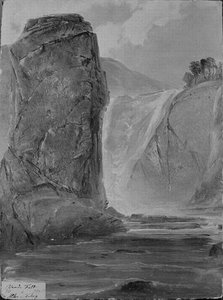
Peder Balke's "Vue du Presbytère d’Eidsvold" isn’t merely a landscape painting; it’s a distilled moment of Northern Norwegian melancholy, rendered with an almost unsettling intimacy. Completed around 1849, this work—a cornerstone of the Romantic tradition and a testament to Balke’s unique vision—captures not just a physical scene but also the profound emotional resonance of the natural world. The painting depicts the modest presbytery of Eidsvold, nestled within a landscape dominated by muted greys, blues, and browns – colors that speak less of vibrant life and more of quiet contemplation and the enduring power of time.

Romantic Luminism: Light, Atmosphere, and Feeling

Balke’s style defies easy categorization. He’s often associated with Romanticism, yet his approach diverges significantly from the grand, heroic landscapes favored by some contemporaries. Instead, he embraced a more subtle, introspective mode—a technique he termed “luminism.” This isn't about sharp detail or dramatic contrasts; it’s about capturing the *feeling* of light and atmosphere. Notice how the overcast sky diffuses the light, creating an ethereal haze that softens every edge and blurs the boundaries between land and water. The brushstrokes are loose and expressive, layering color to build depth and suggest movement—a gentle breeze rustling through the trees, the subtle shimmer on the water’s surface. This deliberate lack of precision isn't a flaw; it’s precisely what imbues the scene with its haunting beauty.

A Story in Layers: Technique and Materials

Balke employed a distinctive technique, utilizing thin washes of oil paint applied to cardboard or canvas. This layering creates a remarkable sense of depth and atmospheric perspective – distant elements appear paler and less defined, drawing the viewer’s eye into the heart of the scene. The use of muted colors—primarily greys, browns, and blues—further enhances this effect, evoking the cool, damp air characteristic of the Norwegian coast. The artist's meticulous attention to detail is evident in the subtle variations within each color tone, creating a rich tapestry of textures and values. It’s a testament to his mastery of light and color that he can evoke such profound emotion with such seemingly simple means.

Symbolism and Emotional Resonance: A Landscape of Solitude

Beyond its purely visual qualities, “Vue du Presbytère d’Eidsvold” carries a potent symbolic weight. The isolated presbytery, set against the vastness of the Norwegian landscape, speaks to themes of solitude, faith, and the enduring connection between humanity and nature. The muted colors and hazy atmosphere contribute to a sense of melancholy—a feeling that lingers long after viewing the painting. Some scholars interpret the scene as reflecting Balke’s own personal struggles with isolation and his deep reverence for the natural world. The church spire, rising above the landscape, can be seen as a symbol of hope amidst the quiet contemplation, suggesting a connection between earthly existence and something greater.

Reproductions of this work offer a remarkable opportunity to bring Balke’s evocative vision into any space. Whether adorning a study or a living room, “Vue du Presbytère d’Eidsvold” invites viewers to pause, reflect, and connect with the timeless beauty of the Norwegian landscape—a testament to one artist's ability to capture not just a scene, but an entire mood.

Kérdések és válaszok

Mi a(z) domináns színe a(z) „VUE DU PRESBYTERE D'EIDSVOLD”, Peder Balke alkotása alkotásnak?

A „VUE DU PRESBYTERE D'EIDSVOLD”, Peder Balke alkotása domináns színe a Putty (#d8cbc7).

Ki készítette a(t): "VUE DU PRESBYTERE D'EIDSVOLD"?

A "VUE DU PRESBYTERE D'EIDSVOLD" alkotója Peder Balke. A mű Peder Balke nevére van katalógusozva.

Milyen felhasználásra ajánlott a "VUE DU PRESBYTERE D'EIDSVOLD" nyomata?

A „VUE DU PRESBYTERE D'EIDSVOLD”, Peder Balke alkotása reprodukcióját Mood célokra javasoljuk. Ez a javaslat a mű témájából, hangulatából és színeiből adódik.

More about this painting

Megtekintés AR előnézet Váltás nyomtatványra Áttérés digitális képre Küldés
Részletek Útmutató Kedvencekhez ad Letöltés Hasonló darabok X-ray felvétel Diavetítés Q&A Statisztika

In numbers

  • 29frames to choose from
  • standard sizes, in its own proportions
  • 5weeks to paint and deliver it
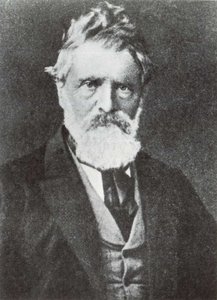
Peder Balke

Peder Balke

1804 - 1887, Norvégia

Quick facts about Peder Balke

  • Artistic Movement Or Style: Romantikus tájképfestészet
  • Artists Or Movements Influenced By This Artist:
    • Nordik művészet
    • Romantizmus
  • Artists Who Influenced This Artist:
    • Heinrich Grosch
    • Jacob Munch
    • Carl Fahlcrantz
    • Johan Dahl
  • Date Of Birth: 1804
  • Date Of Death: 1887
  • Full Name: Peder Balke
  • Nationality: Norvég
  • Notable Artworks:
    • Vue de Christiania
    • A kikötő Skjervøyban
    • Öreg fák
    • Tengerpart
    • A Nórdkapu holdfényben
  • Place Of Birth: Hegøy, Norvégia

A művész életrajza

A Norwegian Romantic Visionary: The Life and Art of Peder Balke

Peder Andersen Balke, born in 1804 on the humble island of Helgøya in Norway, emerged as a profoundly original voice within the landscape tradition of the 19th century. His life story is one of determined artistic pursuit against a backdrop of rural hardship and societal constraints. Growing up amidst the stark beauty of the Norwegian countryside instilled in him a deep connection to nature that would become the defining characteristic of his oeuvre. Though born into a family of farmers, Balke’s innate talent was recognized by his community, who pooled resources to support his artistic education – a testament to the value placed on creativity even within modest means. This early encouragement propelled him towards formal training, first with Heinrich August Grosch and Jacob Munch, then venturing further afield to study at the Royal Swedish Academy of Fine Arts in Stockholm under Carl Johan Fahlcrantz, and later refining his skills alongside Johan Christian Dahl.

Balke’s formative years were marked by considerable adversity. His family, consisting of his father Anders Thoresen and mother Pernille Pedersdatter, were simple farm laborers working on a smallholding called Svennerud on the island of Helgøya, situated in the middle of Lake Mjøsa – Norway's largest and one of its deepest lakes. They possessed no land of their own; they were essentially impoverished servants of the farmer. This precarious existence profoundly shaped Balke’s early life. The family endured a particularly devastating famine in 1812 due to a blockade by British forces, disrupting vital grain supplies. Balke vividly recalled this period, describing how his mother and brother resorted to eating bark from trees to survive – an experience that undoubtedly fueled his later fascination with the raw power and resilience of nature.

The Shaping of a Unique Style

Balke’s artistic development was marked by a restless exploration of technique and expression. He wasn't content to simply replicate the visual world; instead, he sought to capture its emotional essence, its sublime power. His paintings are immediately recognizable for their dramatic lighting, often depicting scenes bathed in an ethereal glow or shrouded in atmospheric darkness. This fascination with light – particularly the fleeting effects of moonlight and twilight – became a hallmark of his style. He developed a distinctive brushwork characterized by textured strokes and an unconventional use of color, creating a dreamlike quality that sets his work apart from more conventional Romantic landscapes. It’s as if he wasn't merely painting what he *saw*, but rather what he *felt* in the presence of nature.

Balke’s artistic journey involved several key influences. He initially received instruction from Heinrich August Grosch and Jacob Munch, both local artists who provided him with a foundational understanding of technique. He then pursued formal training at the Royal Swedish Academy of Fine Arts in Stockholm under Carl Johan Fahlcrantz, gaining exposure to the prevailing trends of Scandinavian art. Crucially, he also spent time studying alongside Johan Christian Dahl, a prominent Norwegian landscape painter known for his dramatic compositions and masterful use of light. This interaction with Dahl proved particularly significant, shaping Balke’s approach to depicting the Norwegian wilderness.

Landscapes of Norway: A National Identity on Canvas

Balke is best known for his evocative depictions of the Norwegian landscape, a subject he returned to repeatedly throughout his career. Works like Vue de Christiania (aujourd'hui Oslo), painted in 1872, offer a compelling glimpse into the urban life of Norway’s capital, yet even here, the natural world looms large, framing the cityscape and reminding viewers of its connection to the surrounding wilderness. The Harbor at Skjervøy (1846) showcases his meticulous attention to detail alongside an ability to capture the bustling energy of a coastal port. Old Trees (1840), with its stark winter scene and powerful lighting, exemplifies his mastery of mood and atmosphere. Seascape (1845) and The North Cape by Moonlight (1848) further demonstrate his ability to convey the rugged beauty and untamed spirit of Norway’s coastline and northern reaches. These weren't simply picturesque views; they were statements about national identity, a celebration of Norway’s unique natural heritage.

Balke’s paintings often captured the dramatic light conditions prevalent in the Norwegian landscape – particularly the long, low-hanging sunlight of winter and the ethereal glow of moonlight. He skillfully employed techniques to convey these effects, creating a sense of mystery and grandeur that resonated deeply with viewers. His work became closely associated with the concept of the “Nordic Sublime,” reflecting a growing interest in the power and beauty of nature during the 19th century.

Beyond the Canvas: A Social Conscience

Peder Balke was more than just an artist; he was a committed social reformer who actively engaged with the pressing issues of his time. He believed in using his resources and influence to improve the lives of others, most notably through the Balkeby project – a new suburb of Oslo designed to provide decent living conditions for workers. He provided loans and enforced strict building regulations, demonstrating a practical commitment to social justice. Furthermore, Balke tirelessly advocated for financial support for artists, arguing for grants and pensions for both men and women, recognizing the vital role that creativity played in society. This dedication to social causes reveals a compassionate and forward-thinking individual who saw art as intrinsically linked to human well-being.

Rediscovery and Legacy

Despite his significant contributions, Balke’s work was largely overlooked for many years after his death in 1887. It wasn't until the late 20th and early 21st centuries that a renewed appreciation for his unique vision began to emerge. Major exhibitions at prestigious institutions like the National Gallery in London (2014-2015) and the Metropolitan Museum of Art (2017) brought his paintings to a wider audience, sparking critical acclaim and scholarly interest. Today, Peder Balke is recognized as a pivotal figure in Norwegian art history, an artist whose dramatic landscapes and emotional depth continue to resonate with viewers. His influence can be seen in the work of subsequent Nordic artists, solidifying his place as a true visionary who captured the soul of Norway on canvas.

Gyors információk

  • Artistic style: Luminism, Romantic Landscape
  • Artist: Peder Balke
  • Notable elements: Atmospheric perspective
  • Medium: Oil on cardboard
  • Movement: Romanticism

Művészeti kvíz

Minden kérdésre csak egy helyes válasz létezik.

Kérdés 1:
What artistic movement is most closely associated with Peder Balke’s style as depicted in ‘Vue du Presbytère d’Eidsvold’?
Kérdés 2:
The hazy and atmospheric quality of ‘Vue du Presbytère d’Eidsvold’ is most likely achieved through which technique?
Kérdés 3:
What is the primary subject matter of ‘Vue du Presbytère d’Eidsvold’?
Kérdés 4:
Peder Balke was born in which country?
Kérdés 5:
According to the description, what is a key characteristic of Balke’s brushwork?