

 Megtekintés
 Küldés
 Megosztás
 Részletek

 Letöltés
 Hasonló darabok
 X-ray felvétel
 Diavetítés
 Statisztika
Vardøhus Fortress
 Oil
Oil- WallArt
- Romanticism
 1832
1832- 19th Century
 16.0 x 30.0 cm
 Nordnorsk Kunstmuseum
 Összes részlet megjelenítése
Vásároljon nagy felbontású, javított digitális képet, amely minőségében messze felülmúlja az online előnézetet.
Minden fájlt szakembereink a legmodernebb eszközök és precíz, kézi retusálás segítségével készítenek el aprólékosan. Gondoskodunk arról, hogy minden kép kivételes tisztasággal, pontos színhelyességgel és részletgazdag finomsággal rendelkezzen.
A végleges fájl 72 órán belül e-mailben megérkezik, professzionális, szerkesztői és nyomtatási környezetbe optimalizálva az azonnali használathoz. Ez ugyanaz a minőség, amelyben a legmeghatározóbb tervezőstúdiók, kiadók és galériák is megbízhatnak.
Digitális kép
Töltsön le nagy felbontású fájlt személyes kiállításokhoz, nyomtatáshoz és kreatív projektekhez. ( Áttérés Nyomtatványra Kézzel festett másolat rendelése)
Minden digitális kép rendeléséhez tartozó extrák
Szakértői digitális kézbesítés, garantáltan
Amikor a OriginalUniqueArt.com szolgáltatást választja, nem csupán egy képet kap – professzionálisan felmagasított digitális műalkotást kap, amely precizitással készült, és amelyet megelégsedési gwarancia tesz biztoslássá. Az alábbiakban automatikusan minden benne 】

Gyors e-mail teslimítés
A nagy felbontású digitális képmásolatát a megrendelést követő 72 órán belül e-mailben elküldjük Önnek – azonnal használható formátumban.

MI-alapú digitális fejlesztésű fájl
Műve professzionális módon kerül optimalizálásra fejlett mesterséges intelligencia eszközök és manuális szerkesztés segítségével, biztosítva a maximális részletességet, tisztaságot és színpontosságot.

Örök életű ingyenes újradelivery
Véletlenül törölted vagy elvesztetted a fájlodat? Ne aggódj – bármikor ingyen újra megküldjük neked.

Nincs importköltség – soha
Élvezze műalkotásait azonnal, vám, illeték vagy szállítási költség nélkül – a digitális letöltések mindig adamentesek.

Színpontosság garantálása
Professzionális eszközök és színkezelés segítségével garantáljuk, hogy digitális képe a lehető legpontosabban tükrözze az eredeti színeket.

100 napos elégedettségi garancia
Ha nemມີ elégedett a digitális képével, 100 napon belül felülvizsgáljuk vagy 100% visszatérítjük az amountot – kérdés बिना.

100% Pénzvisszatérítési garancia
Nem tetszett a vásárlás? 100 napon belül teljes visszatérítést garantálunk a digitális fájl megvételétől számítva – kérdés बिना.

Tömegrendelési kedvezmények
Vásároljon 3 képet, spóroljon 10%-et - Vásároljon 5-öt, spóroljon 15%-et - Vásároljon 10+ képet, spóroljon 20%-at. Kiváló kreatív projektekhez, galériákhoz és ügynökségekhez.
A Vision of the Arctic Frontier
In the quiet, evocative strokes of Peder Balke’s 1832 masterpiece, Vardøhus Fortress, we are transported to the rugged, windswept edges of the Norwegian coast. This painting serves as a profound window into the Romantic era, capturing a moment where the human presence meets the untamed majesty of the North. The scene unfolds within a bustling harbor, where the rhythmic movement of various vessels—ranging from small, intimate boats tucked near the shore to larger ships navigating the deeper waters—creates a sense of maritime vitality. Above this industrious landscape, birds drift through the sky, their flight adding a layer of organic grace to the composition. It is a painting that breathes with life, capturing the delicate balance between the structured world of man and the boundless energy of the sea.
The artistry of Balke is on full display through his masterful command of atmosphere and light. As a pioneer of the Norwegian Romantic tradition, Balke possessed an uncanny ability to imbue landscapes with a sense of the sublime. In this work, the technique allows for a palpable texture; one can almost feel the salt spray in the air and the cool breeze sweeping across the harbor. The way the figures are scattered throughout the scene—likely locals attending to their vessels or simply pausing to witness the day's progress—adds a narrative depth that invites the viewer to step into the frame. For the collector, this piece offers more than just a depiction of a location; it offers an immersive experience of a bygone era, rendered with a precision that honors both the historical reality and the emotional resonance of the Arctic frontier.
Symbolism and the Romantic Spirit
Beyond its literal depiction of a harbor, Vardøhus Fortress carries deep symbolic weight. The fortress itself stands as a silent sentinel, representing human resilience and the attempt to establish order within a wild, unpredictable environment. This tension between the permanence of stone architecture and the fluid, ever-changing nature of the ocean is a hallmark of Balke’s visionary style. The presence of the boats and the bustling activity suggests a community deeply intertwined with the rhythms of the sea, finding sustenance and purpose in the very elements that pose their greatest challenges. This theme of endurance and harmony with nature resonates powerfully with modern sensibilities, making the work an enduring inspiration for those who find beauty in strength and solitude.
For interior designers and art enthusiasts alike, this painting serves as a sophisticated focal point that brings a sense of historical gravity and tranquil movement to any space. The muted yet rich palette, characteristic of 19th-century landscape painting, allows it to integrate seamlessly into both classic and contemporary decor. Whether placed in a sunlit gallery or a moody, library-style study, the work commands attention through its quiet intensity. Owning a high-quality reproduction of this piece is an opportunity to possess a fragment of Norway's artistic soul, inviting the timeless, dramatic spirit of Peder Balke into the modern home.
A művész életrajza
A Norwegian Romantic Visionary: The Life and Art of Peder Balke
Peder Andersen Balke, born in 1804 on the humble island of Helgøya in Norway, emerged as a profoundly original voice within the landscape tradition of the 19th century. His life story is one of determined artistic pursuit against a backdrop of rural hardship and societal constraints. Growing up amidst the stark beauty of the Norwegian countryside instilled in him a deep connection to nature that would become the defining characteristic of his oeuvre. Though born into a family of farmers, Balke’s innate talent was recognized by his community, who pooled resources to support his artistic education – a testament to the value placed on creativity even within modest means. This early encouragement propelled him towards formal training, first with Heinrich August Grosch and Jacob Munch, then venturing further afield to study at the Royal Swedish Academy of Fine Arts in Stockholm under Carl Johan Fahlcrantz, and later refining his skills alongside Johan Christian Dahl.
Balke’s formative years were marked by considerable adversity. His family, consisting of his father Anders Thoresen and mother Pernille Pedersdatter, were simple farm laborers working on a smallholding called Svennerud on the island of Helgøya, situated in the middle of Lake Mjøsa – Norway's largest and one of its deepest lakes. They possessed no land of their own; they were essentially impoverished servants of the farmer. This precarious existence profoundly shaped Balke’s early life. The family endured a particularly devastating famine in 1812 due to a blockade by British forces, disrupting vital grain supplies. Balke vividly recalled this period, describing how his mother and brother resorted to eating bark from trees to survive – an experience that undoubtedly fueled his later fascination with the raw power and resilience of nature.
The Shaping of a Unique Style
Balke’s artistic development was marked by a restless exploration of technique and expression. He wasn't content to simply replicate the visual world; instead, he sought to capture its emotional essence, its sublime power. His paintings are immediately recognizable for their dramatic lighting, often depicting scenes bathed in an ethereal glow or shrouded in atmospheric darkness. This fascination with light – particularly the fleeting effects of moonlight and twilight – became a hallmark of his style. He developed a distinctive brushwork characterized by textured strokes and an unconventional use of color, creating a dreamlike quality that sets his work apart from more conventional Romantic landscapes. It’s as if he wasn't merely painting what he *saw*, but rather what he *felt* in the presence of nature.
Balke’s artistic journey involved several key influences. He initially received instruction from Heinrich August Grosch and Jacob Munch, both local artists who provided him with a foundational understanding of technique. He then pursued formal training at the Royal Swedish Academy of Fine Arts in Stockholm under Carl Johan Fahlcrantz, gaining exposure to the prevailing trends of Scandinavian art. Crucially, he also spent time studying alongside Johan Christian Dahl, a prominent Norwegian landscape painter known for his dramatic compositions and masterful use of light. This interaction with Dahl proved particularly significant, shaping Balke’s approach to depicting the Norwegian wilderness.
Landscapes of Norway: A National Identity on Canvas
Balke is best known for his evocative depictions of the Norwegian landscape, a subject he returned to repeatedly throughout his career. Works like Vue de Christiania (aujourd'hui Oslo), painted in 1872, offer a compelling glimpse into the urban life of Norway’s capital, yet even here, the natural world looms large, framing the cityscape and reminding viewers of its connection to the surrounding wilderness. The Harbor at Skjervøy (1846) showcases his meticulous attention to detail alongside an ability to capture the bustling energy of a coastal port. Old Trees (1840), with its stark winter scene and powerful lighting, exemplifies his mastery of mood and atmosphere. Seascape (1845) and The North Cape by Moonlight (1848) further demonstrate his ability to convey the rugged beauty and untamed spirit of Norway’s coastline and northern reaches. These weren't simply picturesque views; they were statements about national identity, a celebration of Norway’s unique natural heritage.
Balke’s paintings often captured the dramatic light conditions prevalent in the Norwegian landscape – particularly the long, low-hanging sunlight of winter and the ethereal glow of moonlight. He skillfully employed techniques to convey these effects, creating a sense of mystery and grandeur that resonated deeply with viewers. His work became closely associated with the concept of the “Nordic Sublime,” reflecting a growing interest in the power and beauty of nature during the 19th century.
Beyond the Canvas: A Social Conscience
Peder Balke was more than just an artist; he was a committed social reformer who actively engaged with the pressing issues of his time. He believed in using his resources and influence to improve the lives of others, most notably through the Balkeby project – a new suburb of Oslo designed to provide decent living conditions for workers. He provided loans and enforced strict building regulations, demonstrating a practical commitment to social justice. Furthermore, Balke tirelessly advocated for financial support for artists, arguing for grants and pensions for both men and women, recognizing the vital role that creativity played in society. This dedication to social causes reveals a compassionate and forward-thinking individual who saw art as intrinsically linked to human well-being.
Rediscovery and Legacy
Despite his significant contributions, Balke’s work was largely overlooked for many years after his death in 1887. It wasn't until the late 20th and early 21st centuries that a renewed appreciation for his unique vision began to emerge. Major exhibitions at prestigious institutions like the National Gallery in London (2014-2015) and the Metropolitan Museum of Art (2017) brought his paintings to a wider audience, sparking critical acclaim and scholarly interest. Today, Peder Balke is recognized as a pivotal figure in Norwegian art history, an artist whose dramatic landscapes and emotional depth continue to resonate with viewers. His influence can be seen in the work of subsequent Nordic artists, solidifying his place as a true visionary who captured the soul of Norway on canvas.
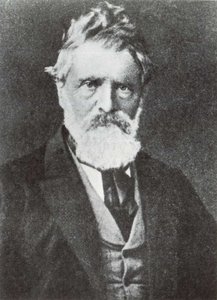
Peder Balke
1804 - 1887 , Norvégia
Érdekességek
- Artistic Movement Or Style: Romantikus tájképfestészet
- Artists Or Movements Influenced By This Artist:
- Nordik művészet
- Romantizmus
- Artists Who Influenced This Artist:
- Heinrich Grosch
- Jacob Munch
- Carl Fahlcrantz
- Johan Dahl
- Date Of Birth: 1804
- Date Of Death: 1887
- Full Name: Peder Balke
- Nationality: Norvég
- Notable Artworks:
- Vue de Christiania
- A kikötő Skjervøyban
- Öreg fák
- Tengerpart
- A Nórdkapu holdfényben
- Place Of Birth: Hegøy, Norvégia