Megtekintés
 Küldés
 Megosztás
 Részletek

 Letöltés
 Hasonló darabok
 X-ray felvétel
 Diavetítés
 Statisztika
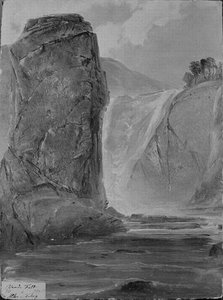
SARPS FOSSEN (CHUTE D'EAU)


 Összes részlet megjelenítése
Giclée / Műnyomat
Múzeumi minőségű giclée vagy vászonnyomat, gyors gyártással és rugalmas finomítási lehetőségekkel. ( Kézzel festett másolat rendelése Áttérés digitális képre)




P118B $10

P118H $10

P118W $10

P438Z $10

P508JH $12

P508YH $12

P805H $10

P805Z $10

P919BZ $10

P919G $10

P919XJ $10

P959ZH $10

P968JZ $12

W106C $8

W218G $10

W218JH $8

W218Y $10

W307PJ $10

W316G $10

W316PJ $8

W316Y $10

W398PJ $8

W4111J $10

W500HY $15

W500JH $15

W692G $12

W849H $8

W940BG $15

W953PJ $8




Válasszon előre meghatározott méreteink közül, amelyek megfelelnek a műalkotás eredeti arányainak.

Megadhat saját méreteket is egy konkrét kerethez vagy helyszínhez igazítva. Amennyiben a kiválasztott méret nem egyezik az eredeti kép arányokkal, a műalkotást le fogjuk vágni, vagy kiegészítjük a képet tükrözött vagy egyszínű szélekkel. A gyártás megkezdése előtt egy digitális tervezetet küldünk jóváhagyásra.
Kérjük, vegye figyelembe, hogy a képernyőn látható előnézet nem tükrözi a tényleges levágást vagy kiegészítést. Csak a tervezet mutatja pontosan a végső kompozíciót.
Bár az egyedi méretek is elérhetőek, az eredeti arányok megőrzése érdekében azt javasoljuk, hogy válasszon a előre meghatározott listából származó méretet.
Világszerte történő kiszállítás területére mindössze 2 hét alatt, a szokásos 4-5 hét helyett. (13 szeptember)

Ingyenes globális expressz szállítás

Prémium minőségű len vászon

Teljes körű szállítási biztosítás

Vámvisszatérítési Garancia

Hiteles színpontosság garancia

100 napos visszaküldési lehetőség (csak hibás termékek esetén)

100% pénzvisszatérítési garancia

Több darab vásárlása esetén kedvezmény
 Az üvegkeretes opció csak 110 cm alatti méretben érhető el

SARPS FOSSEN (CHUTE D'EAU)
Giclée / Műnyomat
Reprodukció mérete
-


Összesített ár
$ 80
A Symphony of Light and Landscape: Unveiling Peder Balkes "Sarps Fossen"
Peder Balke’s “Sarps Fossen (Chute d’Eau)” isn't merely a depiction of a waterfall; it’s an immersive experience, a carefully constructed meditation on the sublime power and quiet beauty of the Norwegian wilderness. Painted around 1860, this oil-on-canvas masterpiece transports the viewer to the heart of Telemark, capturing not just the physical form of Sarps Fossen but also the very spirit of Romanticism – a movement that sought to elevate nature as a source of spiritual and emotional resonance. The painting’s enduring appeal lies in its ability to evoke a profound sense of awe and tranquility simultaneously, inviting contemplation on humanity's place within the vastness of the natural world.
Balke, born into a farming family in rural Norway, possessed an innate sensitivity to the landscape that would define his artistic career. His early life amidst the rugged beauty of Hedmark instilled a deep connection to nature, a connection he translated onto canvas with remarkable skill and emotional depth. He wasn’t interested in precise realism; instead, he prioritized conveying the *feeling* of being present within this dramatic scene – the cool mist rising from the churning water, the echoing roar of the cascade, the diffused light filtering through the clouds.
Composition and Color: A Masterclass in Atmospheric Perspective
The composition of “Sarps Fossen” is meticulously balanced, employing a classic horizontal format that emphasizes the breadth of the landscape. The eye is immediately drawn to the mid-ground – the powerful waterfall itself – its white foam contrasting dramatically against the dark, textured cliffs that frame it. Foreground elements, including the shadowy shoreline and the small boat navigating the river, provide a sense of scale and human presence within this immense natural setting. Crucially, Balke utilizes atmospheric perspective with exquisite precision; distant elements are rendered in paler, less distinct tones, creating an illusion of depth and drawing the viewer’s gaze into the receding horizon.
The color palette is dominated by muted earth tones – browns, ochres, and yellows – reflecting the weathered stone and moss-covered terrain. Subtle blues and grays are woven throughout the sky and water, adding a touch of coolness and contrast to the warmer hues below. This restrained use of color contributes significantly to the painting’s overall sense of tranquility and age, suggesting that this landscape has witnessed centuries of change yet retains an enduring beauty.
Technique and Emotional Resonance: The Language of Romanticism
Balke's technique is characterized by loose, expressive brushstrokes – a hallmark of the Romantic style. He avoids overly detailed rendering, opting instead to capture the *essence* of the scene through broad washes of color and gestural marks. The texture of the rocks is suggested with visible impasto, while the water surface is rendered with smoother strokes that convey movement and fluidity. This deliberate lack of precision allows the viewer’s imagination to fill in the details, fostering a deeper connection with the artwork.
More than just a landscape painting, “Sarps Fossen” embodies the Romantic ideal of nature as a source of spiritual inspiration. The sheer scale of the waterfall evokes a sense of awe and humility, reminding us of our smallness in the face of nature’s power. The inclusion of the lone boat suggests humanity's tentative relationship with this untamed wilderness – an invitation to both admire and respect its grandeur. It is a painting that speaks to the heart, evoking feelings of peace, wonder, and perhaps even a touch of melancholy.
Historical Context and Legacy
Painted during a period of significant artistic and social change in Norway, “Sarps Fossen” reflects Balke’s own evolving artistic vision. He was deeply influenced by the Romantic movement, which emphasized emotion, imagination, and the beauty of nature. His work also aligns with the broader Norwegian tradition of landscape painting, which sought to capture the unique character of the country's diverse terrain. Today, “Sarps Fossen” is recognized as a seminal work in Norwegian art history, celebrated for its technical mastery, emotional depth, and enduring appeal.
A művész életrajza
A Norwegian Romantic Visionary: The Life and Art of Peder Balke
Peder Andersen Balke, born in 1804 on the humble island of Helgøya in Norway, emerged as a profoundly original voice within the landscape tradition of the 19th century. His life story is one of determined artistic pursuit against a backdrop of rural hardship and societal constraints. Growing up amidst the stark beauty of the Norwegian countryside instilled in him a deep connection to nature that would become the defining characteristic of his oeuvre. Though born into a family of farmers, Balke’s innate talent was recognized by his community, who pooled resources to support his artistic education – a testament to the value placed on creativity even within modest means. This early encouragement propelled him towards formal training, first with Heinrich August Grosch and Jacob Munch, then venturing further afield to study at the Royal Swedish Academy of Fine Arts in Stockholm under Carl Johan Fahlcrantz, and later refining his skills alongside Johan Christian Dahl.
Balke’s formative years were marked by considerable adversity. His family, consisting of his father Anders Thoresen and mother Pernille Pedersdatter, were simple farm laborers working on a smallholding called Svennerud on the island of Helgøya, situated in the middle of Lake Mjøsa – Norway's largest and one of its deepest lakes. They possessed no land of their own; they were essentially impoverished servants of the farmer. This precarious existence profoundly shaped Balke’s early life. The family endured a particularly devastating famine in 1812 due to a blockade by British forces, disrupting vital grain supplies. Balke vividly recalled this period, describing how his mother and brother resorted to eating bark from trees to survive – an experience that undoubtedly fueled his later fascination with the raw power and resilience of nature.
The Shaping of a Unique Style
Balke’s artistic development was marked by a restless exploration of technique and expression. He wasn't content to simply replicate the visual world; instead, he sought to capture its emotional essence, its sublime power. His paintings are immediately recognizable for their dramatic lighting, often depicting scenes bathed in an ethereal glow or shrouded in atmospheric darkness. This fascination with light – particularly the fleeting effects of moonlight and twilight – became a hallmark of his style. He developed a distinctive brushwork characterized by textured strokes and an unconventional use of color, creating a dreamlike quality that sets his work apart from more conventional Romantic landscapes. It’s as if he wasn't merely painting what he *saw*, but rather what he *felt* in the presence of nature.
Balke’s artistic journey involved several key influences. He initially received instruction from Heinrich August Grosch and Jacob Munch, both local artists who provided him with a foundational understanding of technique. He then pursued formal training at the Royal Swedish Academy of Fine Arts in Stockholm under Carl Johan Fahlcrantz, gaining exposure to the prevailing trends of Scandinavian art. Crucially, he also spent time studying alongside Johan Christian Dahl, a prominent Norwegian landscape painter known for his dramatic compositions and masterful use of light. This interaction with Dahl proved particularly significant, shaping Balke’s approach to depicting the Norwegian wilderness.
Landscapes of Norway: A National Identity on Canvas
Balke is best known for his evocative depictions of the Norwegian landscape, a subject he returned to repeatedly throughout his career. Works like Vue de Christiania (aujourd'hui Oslo), painted in 1872, offer a compelling glimpse into the urban life of Norway’s capital, yet even here, the natural world looms large, framing the cityscape and reminding viewers of its connection to the surrounding wilderness. The Harbor at Skjervøy (1846) showcases his meticulous attention to detail alongside an ability to capture the bustling energy of a coastal port. Old Trees (1840), with its stark winter scene and powerful lighting, exemplifies his mastery of mood and atmosphere. Seascape (1845) and The North Cape by Moonlight (1848) further demonstrate his ability to convey the rugged beauty and untamed spirit of Norway’s coastline and northern reaches. These weren't simply picturesque views; they were statements about national identity, a celebration of Norway’s unique natural heritage.
Balke’s paintings often captured the dramatic light conditions prevalent in the Norwegian landscape – particularly the long, low-hanging sunlight of winter and the ethereal glow of moonlight. He skillfully employed techniques to convey these effects, creating a sense of mystery and grandeur that resonated deeply with viewers. His work became closely associated with the concept of the “Nordic Sublime,” reflecting a growing interest in the power and beauty of nature during the 19th century.
Beyond the Canvas: A Social Conscience
Peder Balke was more than just an artist; he was a committed social reformer who actively engaged with the pressing issues of his time. He believed in using his resources and influence to improve the lives of others, most notably through the Balkeby project – a new suburb of Oslo designed to provide decent living conditions for workers. He provided loans and enforced strict building regulations, demonstrating a practical commitment to social justice. Furthermore, Balke tirelessly advocated for financial support for artists, arguing for grants and pensions for both men and women, recognizing the vital role that creativity played in society. This dedication to social causes reveals a compassionate and forward-thinking individual who saw art as intrinsically linked to human well-being.
Rediscovery and Legacy
Despite his significant contributions, Balke’s work was largely overlooked for many years after his death in 1887. It wasn't until the late 20th and early 21st centuries that a renewed appreciation for his unique vision began to emerge. Major exhibitions at prestigious institutions like the National Gallery in London (2014-2015) and the Metropolitan Museum of Art (2017) brought his paintings to a wider audience, sparking critical acclaim and scholarly interest. Today, Peder Balke is recognized as a pivotal figure in Norwegian art history, an artist whose dramatic landscapes and emotional depth continue to resonate with viewers. His influence can be seen in the work of subsequent Nordic artists, solidifying his place as a true visionary who captured the soul of Norway on canvas.
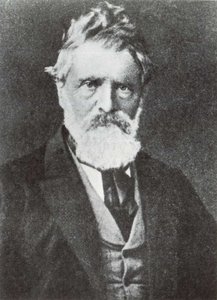
Peder Balke
1804 - 1887 , Norvégia
A művészről röviden
- Artistic Movement Or Style: Romantikus tájképfestészet
- Artists Or Movements Influenced By This Artist:
- Nordik művészet
- Romantizmus
- Artists Who Influenced This Artist:
- Heinrich Grosch
- Jacob Munch
- Carl Fahlcrantz
- Johan Dahl
- Date Of Birth: 1804
- Date Of Death: 1887
- Full Name: Peder Balke
- Nationality: Norvég
- Notable Artworks:
- Vue de Christiania
- A kikötő Skjervøyban
- Öreg fák
- Tengerpart
- A Nórdkapu holdfényben
- Place Of Birth: Hegøy, Norvégia
Kapcsolódó cikkek

Johan Christian Dahl: Pioneering Norwegian Romantic Landscape Painting
Explore the life & art of Johan Christian Dahl, Norway's first great Romantic painter. Discover his iconic landscapes, cultural impact, and lasting legacy with OriginalUniqueArt.

Evocations of Place: A Historical Journey Through Landscape Art
Explore the rich history of landscape art with OriginalUniqueArt. Discover renowned artists, movements like Impressionism & Romanticism, and expert guidance for collecting timeless pieces. Find your perfect serene escape today!
Capturing Stillness: A Curated Exploration of the Most Iconic Lake Landscapes in Art History
Journey through art history's most serene lake landscapes. From Romantic vistas to light-drenched Impressionist waters, discover the stories behind these iconic masterpieces and find museum-quality, hand-painted oil reproductions for your private collection.

A Romantikus Tájképfestészet 10 Legikonikusabb Műalkotása – OriginalUniqueArt.com
Fedezze fel a romantikus tájképfestészet 10 legikonikusabb műalkotását! Caspar David Friedrich, J.M.W. Turner és más mesterek festményeinek története – inspiráló olajfestmények otthonába. OriginalUniqueArt.com: múzeumi minőségű reprodukciók és egyedi dekorációk online.

John Constable 25 Mesterműve: A Természet Lényege Vászonon – OriginalUniqueArt.com
Fedezze fel John Constable 25 legszebb művészeti alkotását! Ismerje meg a romantika ikonikus tájképeit, Dedham Vale szépségét és a természet lenyűgöző ábrázolásait. Vászonkép reprodukcióinkkal eleganciát csempészhet otthonába – OriginalUniqueArt.com