Előnézet
 Megosztás
 Megosztás
 Részletek
 Útmutató

 Letöltés
 Hasonló darabok
 X-ray felvétel
 Diavetítés
 Statisztika
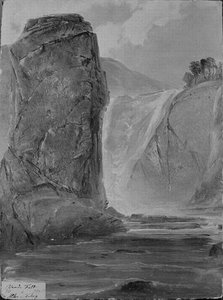
North Cape
 Oil
Oil- WallArt
- Romanticism
 1860
1860- 19th Century
 35.0 x 26.0 cm
 Nordnorsk Kunstmuseum
 Tovább olvasom
Kézzel készített olajfestmény reprodukció
Kézzel festett olajvastú vászon, az Ön által választott méretben és keretben, művészeink készítik meglévőre. ( Váltás nyomtatványra Áttérés digitális képre)




P118B Ft10

P118H Ft10

P118W Ft10

P438Z Ft10

P508JH Ft12

P508YH Ft12

P805H Ft10

P805Z Ft10

P919BZ Ft10

P919G Ft10

P919XJ Ft10

P959ZH Ft10

P968JZ Ft12

W106C Ft8

W218G Ft10

W218JH Ft8

W218Y Ft10

W307PJ Ft10

W316G Ft10

W316PJ Ft8

W316Y Ft10

W398PJ Ft8

W4111J Ft10

W500HY Ft15

W500JH Ft15

W692G Ft12

W849H Ft8

W940BG Ft15

W953PJ Ft8




Válasszon előre meghatározott méreteink közül, amelyek megfelelnek a műalkotás eredeti arányainak.

Írja be a kívánt szélességet és magasságot, hogy illeszkedjen a keretéhez vagy a falához. Mivel ez kézzel festett alkotás, egy eltérő formájú méret esetén a művész akár festhet is valamivel többet a kép körül, vagy korolathat is belőle — az Ön döntésének megfelelően. A festés megkezdése előtt küldünk egy digitális tervezetet jóváhagyásra. Az oldalon látható kép nem tartalmazza a végeredményt — csak a tervezet mutatja meg a valódi eredményt.
A rendelést követően a OriginalUniqueArt.com csapata e-mailt küld az ügyfélnek az instrukciókért, és biztosít egy előnézeti képet (mockup).
Világszerte elérhető szállítás () 3-4 hét alatt a szokásos 5 hét helyett. (22 október). A minőség nem kérdőjelezhető.

Ingyenes globális expressz szállítás

Prémium minőségű len vászon

Teljes körű szállítási biztosítás

Vámvisszatérítési Garancia

Tökéletes színarányosság garancia

100 napos visszaküldési garancia (csak gyártási hibás termékek esetén)

100% pénzvisszatérítési garancia

Több darab vásárlásakor kedvezmény
 Az üvegkeretes opció csak 110 cm alatti méretben érhető el

North Cape
Reprodukciós technika
Reprodukció méretei
-


Összesített ár
Ft 94790
A Symphony of Salt and Sky
In the evocative masterpiece North Cape, created in 1860, the legendary Norwegian painter Peder Balke invites us into a realm where the raw power of nature meets a profound, quiet solitude. The canvas unfolds as a dramatic encounter between the restless Atlantic and the rugged coastline, capturing the very essence of the Romantic movement. As waves crash against the shore with visible ferulence, the painting breathes with the rhythm of the tide. The sky, heavy with swirling, melancholic clouds, casts a diffused light that softens the horizon yet heightens the tension within the scene. It is a composition that does not merely depict a landscape but captures a mood—a fleeting moment of sublime grandeur where the elements collide in a breathtaking display of natural force.
The artistry of Balke is masterfully displayed through his unique approach to texture and light. In this work, the artist utilizes a technique that emphasizes the movement of water and the weight of the atmosphere. The foreground, featuring two solitary boats adrift near the shore, provides a sense of scale that is both humbling and intimate. A lone figure stands near the center, a small but vital presence that serves as a surrogate for the viewer, anchoring the vastness of the ocean to the human experience. This careful balance between the immense, churning sea and the delicate details of the boats and the individual creates a visual tension that draws the eye deeper into the misty distance, making the painting an immersive experience for anyone who gazes upon it.
The Visionary Spirit of Peder Balke
To understand North Cape is to understand the soul of Peder Balke himself. Born in the modest surroundings of Hegøy, Norway, Balke’s work is deeply rooted in the stark, untamed beauty of his homeland. His style transcends traditional landscape painting; he was a visionary who sought to capture the spiritual resonance of the Arctic and North Atlantic landscapes. During the mid-19th century, while many artists focused on idealized pastoral scenes, Balke leaned into the dramatic, the rugged, and the atmospheric. This piece stands as a testament to his ability to transform a geographical location into an emotional landscape, where the spray of the sea and the gloom of the clouds evoke feelings of awe, introspection, and even a touch of existential wonder.
For the discerning collector or interior designer, this painting offers more than just aesthetic beauty; it provides a focal point of profound character. The muted palette and dramatic tonal shifts make it an exquisite addition to a sophisticated space, particularly one that seeks to evoke a sense of calm strength or historical depth. Whether placed in a contemporary gallery setting or a classic study, the North Cape serves as a window into a lost era of Romanticism. It is a piece that commands attention through its subtlety, inviting long periods of contemplation and serving as a timeless reminder of the enduring majesty of the natural world.
Gyakran Ismételt Kérdések
Megrendelhető-e a "North Cape" olajfestmény másolata?
A „North Cape”, Peder Balke alkotása kézzel festett másolataival a ez a weboldal oldalon találkozhat, kézzel festett olajfesték reprodukció lino vászonon formában, melyet a(z) Kézzel festett másolat oldalon lehet megrendelni.
Melyik szobához ajánlott a „North Cape”, Peder Balke alkotása?
A „North Cape”, Peder Balke alkotása ajánlott egy Living Room számára. Ez a javaslat a mű témáján, színein és hangulatán alapul.
A dátum alapján North Cape melyik szakaszába tartozik Peder Balke pályájának?
A 1860 évszám alapján a "North Cape" Peder Balke Mature Period korszakába tartozik.
A művész életrajza
A Norwegian Romantic Visionary: The Life and Art of Peder Balke
Peder Andersen Balke, born in 1804 on the humble island of Helgøya in Norway, emerged as a profoundly original voice within the landscape tradition of the 19th century. His life story is one of determined artistic pursuit against a backdrop of rural hardship and societal constraints. Growing up amidst the stark beauty of the Norwegian countryside instilled in him a deep connection to nature that would become the defining characteristic of his oeuvre. Though born into a family of farmers, Balke’s innate talent was recognized by his community, who pooled resources to support his artistic education – a testament to the value placed on creativity even within modest means. This early encouragement propelled him towards formal training, first with Heinrich August Grosch and Jacob Munch, then venturing further afield to study at the Royal Swedish Academy of Fine Arts in Stockholm under Carl Johan Fahlcrantz, and later refining his skills alongside Johan Christian Dahl.
Balke’s formative years were marked by considerable adversity. His family, consisting of his father Anders Thoresen and mother Pernille Pedersdatter, were simple farm laborers working on a smallholding called Svennerud on the island of Helgøya, situated in the middle of Lake Mjøsa – Norway's largest and one of its deepest lakes. They possessed no land of their own; they were essentially impoverished servants of the farmer. This precarious existence profoundly shaped Balke’s early life. The family endured a particularly devastating famine in 1812 due to a blockade by British forces, disrupting vital grain supplies. Balke vividly recalled this period, describing how his mother and brother resorted to eating bark from trees to survive – an experience that undoubtedly fueled his later fascination with the raw power and resilience of nature.
The Shaping of a Unique Style
Balke’s artistic development was marked by a restless exploration of technique and expression. He wasn't content to simply replicate the visual world; instead, he sought to capture its emotional essence, its sublime power. His paintings are immediately recognizable for their dramatic lighting, often depicting scenes bathed in an ethereal glow or shrouded in atmospheric darkness. This fascination with light – particularly the fleeting effects of moonlight and twilight – became a hallmark of his style. He developed a distinctive brushwork characterized by textured strokes and an unconventional use of color, creating a dreamlike quality that sets his work apart from more conventional Romantic landscapes. It’s as if he wasn't merely painting what he *saw*, but rather what he *felt* in the presence of nature.
Balke’s artistic journey involved several key influences. He initially received instruction from Heinrich August Grosch and Jacob Munch, both local artists who provided him with a foundational understanding of technique. He then pursued formal training at the Royal Swedish Academy of Fine Arts in Stockholm under Carl Johan Fahlcrantz, gaining exposure to the prevailing trends of Scandinavian art. Crucially, he also spent time studying alongside Johan Christian Dahl, a prominent Norwegian landscape painter known for his dramatic compositions and masterful use of light. This interaction with Dahl proved particularly significant, shaping Balke’s approach to depicting the Norwegian wilderness.
Landscapes of Norway: A National Identity on Canvas
Balke is best known for his evocative depictions of the Norwegian landscape, a subject he returned to repeatedly throughout his career. Works like Vue de Christiania (aujourd'hui Oslo), painted in 1872, offer a compelling glimpse into the urban life of Norway’s capital, yet even here, the natural world looms large, framing the cityscape and reminding viewers of its connection to the surrounding wilderness. The Harbor at Skjervøy (1846) showcases his meticulous attention to detail alongside an ability to capture the bustling energy of a coastal port. Old Trees (1840), with its stark winter scene and powerful lighting, exemplifies his mastery of mood and atmosphere. Seascape (1845) and The North Cape by Moonlight (1848) further demonstrate his ability to convey the rugged beauty and untamed spirit of Norway’s coastline and northern reaches. These weren't simply picturesque views; they were statements about national identity, a celebration of Norway’s unique natural heritage.
Balke’s paintings often captured the dramatic light conditions prevalent in the Norwegian landscape – particularly the long, low-hanging sunlight of winter and the ethereal glow of moonlight. He skillfully employed techniques to convey these effects, creating a sense of mystery and grandeur that resonated deeply with viewers. His work became closely associated with the concept of the “Nordic Sublime,” reflecting a growing interest in the power and beauty of nature during the 19th century.
Beyond the Canvas: A Social Conscience
Peder Balke was more than just an artist; he was a committed social reformer who actively engaged with the pressing issues of his time. He believed in using his resources and influence to improve the lives of others, most notably through the Balkeby project – a new suburb of Oslo designed to provide decent living conditions for workers. He provided loans and enforced strict building regulations, demonstrating a practical commitment to social justice. Furthermore, Balke tirelessly advocated for financial support for artists, arguing for grants and pensions for both men and women, recognizing the vital role that creativity played in society. This dedication to social causes reveals a compassionate and forward-thinking individual who saw art as intrinsically linked to human well-being.
Rediscovery and Legacy
Despite his significant contributions, Balke’s work was largely overlooked for many years after his death in 1887. It wasn't until the late 20th and early 21st centuries that a renewed appreciation for his unique vision began to emerge. Major exhibitions at prestigious institutions like the National Gallery in London (2014-2015) and the Metropolitan Museum of Art (2017) brought his paintings to a wider audience, sparking critical acclaim and scholarly interest. Today, Peder Balke is recognized as a pivotal figure in Norwegian art history, an artist whose dramatic landscapes and emotional depth continue to resonate with viewers. His influence can be seen in the work of subsequent Nordic artists, solidifying his place as a true visionary who captured the soul of Norway on canvas.
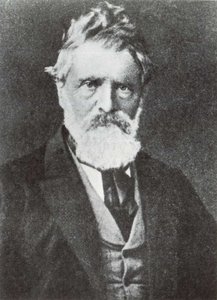
Peder Balke
1804 - 1887 , Norvégia
Gyors információk
- Artistic Movement Or Style: Romantikus tájképfestészet
- Artists Or Movements Influenced By This Artist:
- Nordik művészet
- Romantizmus
- Artists Who Influenced This Artist:
- Heinrich Grosch
- Jacob Munch
- Carl Fahlcrantz
- Johan Dahl
- Date Of Birth: 1804
- Date Of Death: 1887
- Full Name: Peder Balke
- Nationality: Norvég
- Notable Artworks:
- Vue de Christiania
- A kikötő Skjervøyban
- Öreg fák
- Tengerpart
- A Nórdkapu holdfényben
- Place Of Birth: Hegøy, Norvégia
Kapcsolódó cikkek

Johan Christian Dahl: Pioneering Norwegian Romantic Landscape Painting
Explore the life & art of Johan Christian Dahl, Norway's first great Romantic painter. Discover his iconic landscapes, cultural impact, and lasting legacy with OriginalUniqueArt.
Drámai műalkotások: 10 ikonikus festmény a lelki mélységekben | OriginalUniqueArt.com
Fedezze fel a 10 legdrámaibb műalkotást! Munch, Rembrandt, Goya és más mesterek ikonikus festményeinek története. Expresszionizmus, romantika & szürrealizmus – inspirálódjon otthon dekorációjához a OriginalUniqueArt.com-on! Fedezze fel a teljes gyűjteményt online.
The Azure Depths: Exploring Representations of the Ocean in Art History
Explore the rich history of ocean art! Discover Romantic seascapes, renowned artists like Aivazovsky & Harris, and expert guidance for collectors at OriginalUniqueArt.com.

Katsushika Hokusai 25 Mesterműve: A Japán Art Élmény, Otthonodban – OriginalUniqueArt
Fedezze fel Katsushika Hokusai 25 legikonikusabb műalkotását! Merüljön el a japán ukiyo-e világában, ismerje meg a 'Nagy Hullám' történetét és más remekműveket. Museum minőségű reprodukciók otthonába – OriginalUniqueArt.com.
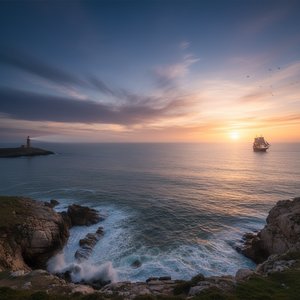
The Allure of the Horizon: A Comprehensive Exploration of Seascape Art Through History & Emotion
Explore the captivating world of seascape art! Discover its history, key artists & movements – from Dutch Masters to Impressionism. Expert insights for collectors and enthusiasts at OriginalUniqueArt.