

 Előnézet
 Megosztás
 Megosztás
 Részletek
 Útmutató

 Letöltés
 Hasonló darabok
 X-ray felvétel
 Diavetítés
 Statisztika
Concarneau (study)
 Oil On Canvas
- WallArt
- Impressionism
 1891
1891- 19th Century
 24.0 x 33.0 cm
 Tovább olvasom
Kézzel készített olajfestmény reprodukció
Kézzel festett olajvastú vászon, az Ön által választott méretben és keretben, művészeink készítik meglévőre. ( Váltás nyomtatványra Áttérés digitális képre)




P118B Ft10

P118H Ft10

P118W Ft10

P438Z Ft10

P508JH Ft12

P508YH Ft12

P805H Ft10

P805Z Ft10

P919BZ Ft10

P919G Ft10

P919XJ Ft10

P959ZH Ft10

P968JZ Ft12

W106C Ft8

W218G Ft10

W218JH Ft8

W218Y Ft10

W307PJ Ft10

W316G Ft10

W316PJ Ft8

W316Y Ft10

W398PJ Ft8

W4111J Ft10

W500HY Ft15

W500JH Ft15

W692G Ft12

W849H Ft8

W940BG Ft15

W953PJ Ft8




Válasszon előre meghatározott méreteink közül, amelyek megfelelnek a műalkotás eredeti arányainak.

Írja be a kívánt szélességet és magasságot, hogy illeszkedjen a keretéhez vagy a falához. Mivel ez kézzel festett alkotás, egy eltérő formájú méret esetén a művész akár festhet is valamivel többet a kép körül, vagy korolathat is belőle — az Ön döntésének megfelelően. A festés megkezdése előtt küldünk egy digitális tervezetet jóváhagyásra. Az oldalon látható kép nem tartalmazza a végeredményt — csak a tervezet mutatja meg a valódi eredményt.
A rendelést követően a OriginalUniqueArt.com csapata e-mailt küld az ügyfélnek az instrukciókért, és biztosít egy előnézeti képet (mockup).
Világszerte elérhető szállítás () 3-4 hét alatt a szokásos 5 hét helyett. (21 október). A minőség nem kérdőjelezhető.

Ingyenes globális expressz szállítás

Prémium minőségű len vászon

Teljes körű szállítási biztosítás

Vámvisszatérítési Garancia

Tökéletes színarányosság garancia

100 napos visszaküldési garancia (csak gyártási hibás termékek esetén)

100% pénzvisszatérítési garancia

Több darab vásárlásakor kedvezmény
 Az üvegkeretes opció csak 110 cm alatti méretben érhető el

Concarneau (study)
Reprodukciós technika
Reprodukció méretei
-


Összesített ár
Ft 94790
A Luminous Study in Coastal Light
To gaze upon this study of Concarneau is to be transported to a moment suspended between dawn and afternoon—a breath of salty air captured on canvas. The painting immerses the viewer in an atmosphere saturated with warm, golden hues, creating a luminous haze that seems to emanate from the water itself. It is not merely a depiction of a seaside vista; it is an evocation of light’s ephemeral dance upon liquid surfaces. The composition guides the eye across the calm expanse where sailboats drift like painted dreams toward a distant, softened horizon. Here, the artist masterfully prioritizes the feeling of movement and the play of reflected color over any need for sharp, photographic detail.
The Science and Soul of Impressionism
This work stands as a beautiful testament to the enduring spirit of Impressionism, filtered through the thoughtful lens of Paul Signac. While the scene speaks with the immediacy of Monet’s later works, the underlying structure hints at the systematic approach that defined his career. The visible brushstrokes—short, broken dabs of pure color—are not mere stylistic flourishes; they are records of perception itself. They capture how light fractures upon water and rock, giving texture to what might otherwise appear smooth. Notice the foreground: the rocky shoreline and large boulders are rendered with a palpable impasto, allowing one to almost feel the grit beneath the fingertips. This tactile quality is central to the painting’s power.
Rhythm, Reflection, and Form
The interplay between horizontal lines—the vast sweep of the water and sky—and the vertical accents provided by the masts and shoreline anchors the piece in a profound sense of rhythm. The sailboats themselves become rhythmic punctuation marks against the expansive canvas. Signac’s handling here suggests that the subject matter, while maritime, is deeply concerned with optical experience. The way the light catches the sails, making them glow against the deeper tones of the water, speaks to an understanding of color theory as a structural element. It is a study in atmospheric perspective, where distance softens edges until the cityscape recedes into a gentle wash of color.
Symbolism of Passage and Freedom
Beyond its technical brilliance, this painting resonates with universal themes. The sea, eternally restless yet momentarily calm, has always symbolized the journey of life itself. These graceful sailboats are potent symbols of freedom, of passage, and of humanity’s enduring connection to nature's vast, beautiful indifference. For the collector or designer, owning this piece means bringing into a space not just a painting, but a mood—a sense of open possibility and tranquil escape. It invites contemplation on journeys taken and those yet to come.
Gyakran Ismételt Kérdések
Milyen helyiségbe javasolt a „Concarneau (study)”, Paul Signac alkotása?
A „Concarneau (study)”, Paul Signac alkotása számára a javasolt helyszín egy Lounge. Természetesen ez az ajánlás az Ön belső terehez is igazítható.
Miért van az, hogy a "Concarneau (study)" szerzői jogi állapota ilyen?
A „Concarneau (study)”, Paul Signac alkotása a joghallgatói schützenesség körébe tartozik – a szerzői jog lejártt állapotban van. A szerzői jogi védelem időtartama a művész halálától számítódik, amely 1935 évben történt.
Paul Signac pályájának mely időszakához tartozik a „Concarneau (study)”?
Paul Signac pályaművében a „Concarneau (study)” a Mature Period korszakba tartozik. Ez az időszak segít összehasonlíthatóvá tenni a művet a művész többi alkotásával.
A művész életrajza
The Harmonious Vision of Paul Signac
Paul Victor Jules Signac, born in Paris in 1863, emerged as a pivotal figure in the evolution of modern art, inextricably linked to the birth and development of Neo-Impressionism. His early life, marked by a privileged upbringing within a successful merchant family, provided him with both financial security and exposure to the cultural elite of the time. However, it was a youthful encounter with Claude Monet’s exhibition in 1880 that truly ignited his artistic passion, setting him on a path far removed from the expected trajectory of a young man from a wealthy background. This initial fascination with Impressionism sparked a lifelong exploration of light, color, and the very science underpinning visual perception – a pursuit that would ultimately define his unique contribution to the art world. Signac wasn’t merely a painter; he was a dedicated explorer, driven by an insatiable curiosity about how we perceive the world around us.A Dialogue with Seurat and the Birth of Neo-Impressionism
The meeting between Signac and Georges Seurat in 1884 proved transformative for both artists. They shared a deep admiration for Eugène Delacroix’s writings on color theory, particularly his exploration of complementary contrasts and the emotional impact of hue. This intellectual kinship fueled a rigorous investigation into these principles, leading them to develop a revolutionary painting technique – Pointillism. Signac wholeheartedly embraced Seurat's vision, abandoning the fleeting brushstrokes of Impressionism for the precise, calculated application of tiny, distinct dots of pure color intended to blend optically in the viewer’s eye. This wasn’t simply about aesthetics; it was an attempt to systematize painting, grounding it in scientific principles and challenging conventional artistic norms. The core idea was that by applying small strokes of complementary colors side-by-side, the human eye would naturally mix them, creating a richer, more vibrant image than could be achieved with traditional brushwork. Boulevard de Clichy (1886) stands as an early and remarkably successful testament to this new approach, showcasing Signac’s meticulous style and his commitment to capturing the vibrancy of urban life through a scientific lens – a deliberate departure from the subjective impressions favored by many Impressionists. Their collaboration wasn't merely technical; it was intellectual, fueled by a shared desire to elevate painting to the level of a rigorous science.Coastal Reveries and Artistic Independence
Following Seurat’s tragic early death in 1891, Signac continued to develop his artistic vision, deeply influenced by his profound love for sailing and the allure of the Mediterranean coast. He discovered Saint-Tropez in 1892, establishing a home there that became a haven for artists and a source of endless inspiration. The shimmering waters, sun-drenched harbors, and picturesque coastal towns provided an ideal setting to explore the interplay of light and color. *The Red Buoy, Saint-Tropez* (1895) exemplifies this period, showcasing his mastery of Pointillism in capturing the vibrant hues and dynamic energy of the sea. He experimented with larger brushstrokes and a broader palette, moving beyond strict adherence to Seurat’s precise dotting method, incorporating elements of Impressionistic spontaneity into his technique. His travels extended beyond France, encompassing Italy, Holland, and even Constantinople, each journey enriching his artistic vocabulary and broadening his perspective – he meticulously documented these experiences in watercolor notebooks, capturing the essence of each location through rapid sketches and washes of color.A Patron of the Avant-Garde and Lasting Legacy
Beyond his own prolific output, Signac played a crucial role in fostering the development of modern art through his leadership within the Société des Artistes Indépendants. As president from 1908 until his death in 1935, he championed artistic freedom and provided a platform for emerging talents, including Henri Matisse, André Derain, and other pioneers of Fauvism and Cubism. He was among the first to recognize and support their groundbreaking work, exhibiting controversial pieces that challenged conventional aesthetic norms – often defying established tastes and pushing the boundaries of artistic expression. Signac’s commitment to inclusivity and his willingness to embrace innovation helped shape the trajectory of 20th-century art. His theoretical writings, notably *From Eugène Delacroix to Neo-Impressionism* (1899), further solidified his position as a leading intellectual figure in the art world, offering a systematic exploration of color theory and its application to painting. Paul Signac’s legacy extends far beyond his captivating paintings; he was a visionary artist, a dedicated theorist, and a generous patron who profoundly influenced the course of modern art, leaving an indelible mark on generations of artists to come.Key Dates & Achievements
- 1863: Born in Paris, France.
- 1884: Co-founded the Société des Artistes Indépendants with Georges Seurat.
- 1886: Painted *Boulevard de Clichy*, a key example of early Pointillism.
- 1895: Created *The Red Buoy, Saint-Tropez*, showcasing his mastery of coastal scenes.
- 1899: Published *From Eugène Delacroix to Neo-Impressionism*, a seminal work on color theory.
- 1908 – 1935: Served as President of the Société des Artistes Indépendants, championing avant-garde artists.
- 1935: Passed away in Paris at the age of 72, leaving behind a rich artistic legacy.

Paul Signac
1863 - 1935 , Franciaország
Gyors információk
- Artistic Movement Or Style: Neo-Impressionizmus, Divizionizmus
- Artists Or Movements Influenced By This Artist:
- Henri Matisse
- Fauvizmus
- Artists Who Influenced This Artist:
- Claude Monet
- Georges Seurat
- Date Of Birth: November 11, 1863
- Date Of Death: August 15, 1935
- Full Name: Paul Victor Jules Signac
- Nationality: Francia
- Notable Artworks:
- Boulevard de Clichy
- A Vörös Bottyú
- A Szellő Concarneau-ban
- A Velodrom
- A tengerpart Collioure-ban
- Place Of Birth: Párizs, Franciaország
Kapcsolódó cikkek
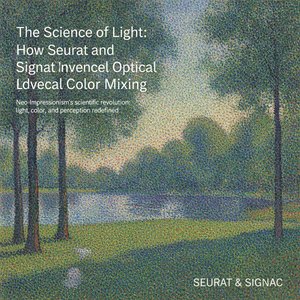
The Science of Light: How Seurat and Signac Revolutionized Color with Pointillism
Explore the scientific revolution of Pointillism. Discover how Georges Seurat and Paul Signac utilized optical color mixing and light theory to transform modern art through Neo-Impressionist precision and luminous technique.

Paul Klee Mesterművei: A 25 Legikonikusabb Festmény, Amelyek Életet Színeznek – OriginalUniqueArt
Fedezze fel Paul Klee 25 legikonikusabb festményét! Merüljön el az absztrakt művészet, expresszionizmus és kubizmus világában. Művészi történetek, színes kompozíciók és inspiráló dekorációs ötletek várják Önt a OriginalUniqueArt-on. Explore the full collection online!

Paul Cézanne 25 Mesterműve: A Modern Művészet Úttörői | OriginalUniqueArt
Fedezze fel Paul Cézanne 25 legikonikusabb művét! Ismerje meg a posztimpresszionizmus úttörőjének festményeit, technikáját és inspirációit. Vászonképek, portrék, tájképfestmények – minden otthonba. Böngéssze gyűjteményünket a OriginalUniqueArt-on!

The Enduring Legacy of Oil on Canvas: Technique, History & Aesthetic Impact
Explore the rich history & techniques of oil painting – from Renaissance masters to Impressionism. Discover pigments, layering methods, and why this timeless medium endures. Expert insights for artists & art enthusiasts.

Paul Signac: Pointillism, Politics & the Pursuit of Harmony in Modern Art
Explore the life & art of Paul Signac, a key figure in Neo-Impressionism. Discover his Pointillist technique, anarchist beliefs, and stunning coastal scenes. Learn about his influence on modern art history.


