

 Megtekintés
 Küldés
 Megosztás
 Részletek

 Letöltés
 Hasonló darabok
 X-ray felvétel
 Diavetítés
 Statisztika
El inconsciente azul


 Összes részlet megjelenítése
Giclée / Műnyomat
Múzeumi minőségű giclée vagy vászonnyomat, gyors gyártással és rugalmas finomítási lehetőségekkel. ( Kézzel festett másolat rendelése Áttérés digitális képre)




P118B $10

P118H $10

P118W $10

P438Z $10

P508JH $12

P508YH $12

P805H $10

P805Z $10

P919BZ $10

P919G $10

P919XJ $10

P959ZH $10

P968JZ $12

W106C $8

W218G $10

W218JH $8

W218Y $10

W307PJ $10

W316G $10

W316PJ $8

W316Y $10

W398PJ $8

W4111J $10

W500HY $15

W500JH $15

W692G $12

W849H $8

W940BG $15

W953PJ $8




Válasszon előre meghatározott méreteink közül, amelyek megfelelnek a műalkotás eredeti arányainak.

Megadhat saját méreteket is egy konkrét kerethez vagy helyszínhez igazítva. Amennyiben a kiválasztott méret nem egyezik az eredeti kép arányokkal, a műalkotást le fogjuk vágni, vagy kiegészítjük a képet tükrözött vagy egyszínű szélekkel. A gyártás megkezdése előtt egy digitális tervezetet küldünk jóváhagyásra.
Kérjük, vegye figyelembe, hogy a képernyőn látható előnézet nem tükrözi a tényleges levágást vagy kiegészítést. Csak a tervezet mutatja pontosan a végső kompozíciót.
Bár az egyedi méretek is elérhetőek, az eredeti arányok megőrzése érdekében azt javasoljuk, hogy válasszon a előre meghatározott listából származó méretet.
Világszerte történő kiszállítás területére mindössze 2 hét alatt, a szokásos 4-5 hét helyett. (12 szeptember)

Ingyenes globális expressz szállítás

Prémium minőségű len vászon

Teljes körű szállítási biztosítás

Vámvisszatérítési Garancia

Hiteles színpontosság garancia

100 napos visszaküldési lehetőség (csak hibás termékek esetén)

100% pénzvisszatérítési garancia

Több darab vásárlása esetén kedvezmény
 Az üvegkeretes opció csak 110 cm alatti méretben érhető el

El inconsciente azul
Giclée / Műnyomat
Reprodukció mérete
-


Összesített ár
$ 80
El inconsciente azul: Un viaje al corazón de la pintura abstracta
Jackson Pollock (1912-1956) fue una figura revolucionaria en el movimiento abstracto expresionista, cuyo estilo único marcó un antes y un después en la historia del arte moderno. Conocido por su técnica innovadora de goteo, donde líquido pigmento se proyectaba sobre lienzo desde todas las perspectivas, Pollock logró capturar la esencia misma del inconsciente humano y convertirlo en una obra maestra visualmente impactante.
La creación de “El Inconsciente Azul” (1946) representa un punto culminante en la exploración artística de Pollock hacia nuevas vías de expresión. Esta pintura, considerada uno de los iconos del expresionismo abstracto estadounidense, no solo demuestra maestría técnica sino que también invita a una reflexión profunda sobre temas como el movimiento, la emoción y la relación entre el artista y su entorno.
El estilo distintivo de Pollock en esta obra se caracteriza por la aplicación aleatoria de pintura líquida sobre lienzo plano. Esta técnica, conocida como “dripping” o goteo, fue pionera en el desarrollo del expresionismo abstracto y permitió al pintor liberar toda su energía física y emocional durante el proceso creativo.
- Materiales: La composición de "El Inconsciente Azul" utiliza óleo sobre lienzo como medio artístico principal. Esta elección refleja la tradición pictórica estadounidense de principios del siglo XX, pero también demuestra una voluntad experimental por parte de Pollock hacia nuevas posibilidades materiales.
- Técnica: El método empleado por Pollock fue el desarrollo de un estilo único conocido como “all-over painting”, donde toda la superficie del lienzo se cubre con pintura líquida proyectada desde diferentes puntos de apoyo. Esta técnica buscaba romper con las convenciones tradicionales de representación y ofrecer una nueva perspectiva sobre cómo abordar la creación artística.
- Simbolismo: Aunque Pollock rechazó cualquier interpretación simbólica explícita de su obra, muchos críticos y estudiosos consideran que "El Inconsciente Azul" refleja una profunda preocupación por temas como el inconsciente colectivo humano y la búsqueda del significado oculto en las experiencias cotidianas.
- Contexto Histórico: Esta pintura fue creada durante el período de auge del expresionismo abstracto estadounidense, un movimiento artístico nacido en Nueva York después de la Segunda Guerra Mundial que buscaba expresar emociones y sentimientos directamente sin intermediarios como la razón o la lógica.
“El Inconsciente Azul” sigue siendo una obra emblemática del arte moderno que continúa fascinando a artistas y espectadores por igual. Su belleza estética, su fuerza expresiva y su capacidad para provocar reflexión son testimonio de la visión artística excepcional de Jackson Pollock y de su legado como uno de los creadores más influyentes del siglo XX.
Para descubrir más sobre esta obra maestra y otros trabajos destacados de Pollock, visita nuestra página dedicada: Jackson Pollock: El Inconsciente Azul
Imagen fuente: /art/list/?Filter=8EWJY8-
A művész életrajza
Early Life and the Seeds of Innovation
Paul Jackson Pollock, born in Cody, Wyoming, in 1912, was a restless spirit from the outset. His early life was marked by frequent relocation as his father pursued work as a land surveyor across the vast landscapes of the American West. This itinerant existence instilled in young Pollock a deep connection to the natural world and an exposure to diverse cultures, particularly through encounters with Native American art during those surveying trips – impressions that would subtly permeate his artistic vision later in life. Though he never explicitly imitated Indigenous styles, the raw energy and spiritual resonance of these early experiences undoubtedly left their mark. Pollock’s formal artistic training began at the Manual Arts High School in Los Angeles, followed by studies at the Art Students League of New York under the tutelage of Thomas Hart Benton. Benton, a prominent figure in the Regionalist movement, emphasized rhythmic composition and narrative themes rooted in American life. While Pollock initially absorbed these lessons, his inherent inclination leaned toward more abstract explorations. He was also profoundly impacted by Mexican muralists like José Clemente Orozco, whose powerful depictions of social struggle resonated deeply with him. These early influences laid a foundation, but it was the burgeoning world of Surrealism that truly unlocked Pollock’s artistic potential.The Birth of Action Painting and a Revolutionary Technique
The 1930s saw Pollock experimenting with various techniques, seeking alternatives to traditional brushwork. He began pouring paint, exploring its fluidity and unpredictable nature. However, it was around 1947 that his artistic trajectory underwent a radical transformation. Abandoning the easel altogether, Pollock laid canvases directly on the floor, initiating what would become known as his “drip technique.” He then proceeded to drip, splash, and fling paint onto the canvas from above, orchestrating a dynamic dance between artist, medium, and surface. This wasn’t merely about applying paint; it was about embodying the act of creation itself. Pollock's canvases became arenas for physical expression, capturing the immediacy of his gestures and emotions. The resulting paintings are characterized by their “all-over” composition – a lack of central focus that invites the viewer to explore the entire surface as a unified field of energy. Intricate networks of lines and colors intertwine, creating a visual complexity that is both captivating and challenging. He employed unconventional tools—sticks, knives, even syringes—to manipulate the paint in unpredictable ways, further emphasizing the spontaneous nature of his process.- He mixed unconventional materials into the paint, such as sand and tar.
- His technique was a direct rejection of traditional brushwork and compositional rules.
Influence and Development
Pollock’s artistic journey wasn't solely defined by his groundbreaking drip technique. He drew inspiration from diverse sources, including the works of European modernists like Piet Mondrian and Wassily Kandinsky, as well as the vibrant murals of Mexican artists such as Diego Rivera. The influence of Surrealism is also evident in his early work, particularly his exploration of subconscious imagery and dreamlike landscapes. His time at the Art Students League under Thomas Hart Benton provided a crucial grounding in traditional painting techniques, which he later subverted to create his own unique style. His marriage to Lee Krasner was pivotal; she not only provided emotional support but also encouraged his artistic experimentation and helped him navigate the complexities of the New York art scene.Iconic Works and Lasting Legacy
Pollock’s most celebrated works—such as Number 1, 1950 (Lavender Mist), One: Number 31, 1950, Blue Poles: Number 11, 1952, and *Convergence*—are testaments to his revolutionary technique. These paintings are not simply images; they are records of a performance, imbued with the artist’s physical presence and emotional intensity. The dynamic energy that emanates from these canvases is palpable, drawing viewers into a world of pure abstraction. Key Works:- Lavender Mist (1950)
- One: Number 31 (1950)
- Blue Poles (1952)
- Convergence (1956)

Jackson Pollock
1912 - 1956 , Egyesült Államok
A művészről röviden
- Artistic Movement Or Style: Absztrakt expresszionizmus
- Artists Or Movements Influenced By This Artist: ['Surrealizmus']
- Artists Who Influenced This Artist: ['Thomas Hart Benton']
- Date Of Birth: 1912. jan 28.
- Date Of Death: 1956. aug 11.
- Full Name: Paul Jackson Pollock
- Nationality: Amerikai
- Notable Artworks:
- Number 1, 1950
- Blue Poles
- Convergence
- Place Of Birth: Cody, Wyoming
Kapcsolódó cikkek
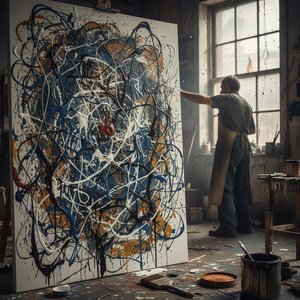
Paul Jackson Pollock: A Radical Departure – Exploring Abstract Expressionism's Pioneering Figure and His Enduring Legacy
Explore the revolutionary art of Jackson Pollock & Abstract Expressionism. Discover his iconic drip paintings, lasting impact, and considerations for collecting this pivotal American artist. Expert insights at OriginalUniqueArt.
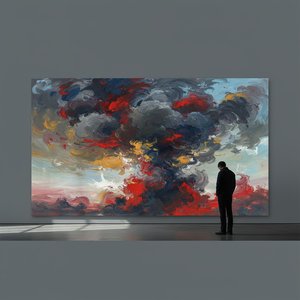
Beyond Representation: Exploring the Emotional Landscape of Abstract Expressionism
Explore the profound emotional world of Abstract Expressionism with OriginalUniqueArt. Discover key artists like Pollock & Rothko, learn about collecting, and find museum-quality reproductions to inspire your space.

A kék árnyalatai: 10 ikonikus festmény a Slate Blue szín jegyében | OriginalUniqueArt.com
Fedezze fel a 10 legikonikusabb festményt, melyeket a Slate Blue szín ural! Monet, Renoir és más mesterek művei inspirálnak. Vászonképek eladás, otthon dekoráció tippek a OriginalUniqueArt.com-on. Explore the full collection online!

Kandinsky Mesterművei: 25 Lenyűgöző Festmény a Modern Művészet Gyöngyszemeiből | OriginalUniqueArt
Fedezze fel Wassily Kandinsky 25 legikonikusabb művét! Merüljön el az absztrakt művészet világában, ismerje meg a színek és formák lenyűgöző történetét. Prémium minőségű reprodukciók és inspiráló dekorötletek a OriginalUniqueArt.com-on.

Absztrakt Expresszionizmus Mesterei: 10 alkotás, ami meghatározta a művészetet | OriginalUniqueArt.com
Fedezze fel a 10 legikonikusabb absztrakt expresszionista alkotást! Ismerje meg Jackson Pollock, Mark Rothko és más mesterek történetét. Művészeti reprodukciók prémium minőségben – OriginalUniqueArt.com.


