
 Megtekintés
 Küldés
 Megosztás
 Részletek
 Útmutató

 Letöltés
 Hasonló darabok
 X-ray felvétel
 Diavetítés
 Kérdések és válaszok
 Statisztika
The Scottish Highlands

- 108.0 x 183.0 cm


 Összes részlet megjelenítése
Giclée / Műnyomat
Múzeumi minőségű giclée vagy vászonnyomat, gyors gyártással és rugalmas finomítási lehetőségekkel. ( Kézzel festett másolat rendelése Áttérés digitális képre)




P118B Ft10

P118H Ft10

P118W Ft10

P438Z Ft10

P508JH Ft12

P508YH Ft12

P805H Ft10

P805Z Ft10

P919BZ Ft10

P919G Ft10

P919XJ Ft10

P959ZH Ft10

P968JZ Ft12

W106C Ft8

W218G Ft10

W218JH Ft8

W218Y Ft10

W307PJ Ft10

W316G Ft10

W316PJ Ft8

W316Y Ft10

W398PJ Ft8

W4111J Ft10

W500HY Ft15

W500JH Ft15

W692G Ft12

W849H Ft8

W940BG Ft15

W953PJ Ft8




Válasszon előre meghatározott méreteink közül, amelyek megfelelnek a műalkotás eredeti arányainak.

Írja be a keretének vagy a falának megfelelő szélességet és magasságot. A nyomatot csak le lehet vágni, soha nem tehető nagyobbá, mint az eredeti kép, így egy eltérő alakú méretnél a kép egy része elveszik. Mielőtt bármit kinyatintanánk, küldünk egy digitális próbamodellt jóváhagyásra. Az oldalon látható kép nem tartalmazza a valós levágást — ezt csak a próbamodell mutatja meg.
Világszerte történő kiszállítás területére mindössze 2 hét alatt, a szokásos 4-5 hét helyett. (9 november)

Ingyenes globális expressz szállítás

Prémium minőségű len vászon

Teljes körű szállítási biztosítás

Vámvisszatérítési Garancia

Hiteles színarányosság garancia

100 napos visszaküldési lehetőség (csak hibás termékek esetén)

100% pénzvisszatérítési garancia

Több darab vásárlásakor kedvezmény
 Az üvegkeretes opció csak 110 cm alatti méretben érhető el

The Scottish Highlands
Giclée / Műnyomat
Reprodukció mérete
-


Összesített ár
Ft 26397
A Vision of Highland Majesty
In the vast, mist-shrouded annals of nineteenth-century Romanticism, few works capture the raw, untamed spirit of nature as poignantly as Gustave Doré’s 1875 masterpiece, The Scottish Highlands. This breathtaking oil on canvas is far more than a mere topographical record of a landscape; it is an evocative window into a world where the boundaries between reality and myth begin to dissolve. As one gazes upon the rugged, cloud-wreathed peaks and the shimmering expanse of Loch Moraine, the viewer is immediately transported to a time when the sublime power of the natural world was a primary source of both terror and profound reverence. Doré, a master of light and shadow, does not simply paint a scene; he orchestrates an emotional experience that resonates with the deep-seated human desire to connect with the eternal and the infinite.
The composition is a triumph of atmospheric impressionism, where Doré prioritizes the feeling of the Highlands over precise geographical accuracy. Through a sophisticated, layered technique, the artist employs broad washes of color to establish a brooding, melancholic mood, which he then refines with meticulous brushstrokes to render the textures of granite and water. The interplay of light is particularly striking; the way the sunlight struggles through heavy, dramatic clouds to illuminate certain facets of the mountain slopes creates a sense of movement and life. This technique of chiaroscuro—the dramatic contrast between deep shadows and brilliant highlights—imbues the landscape with a cinematic quality, making every element, from the dense clusters of trees to the distant, hazy summits, feel imbued with a spiritual weight.
Symbolism and the Romantic Soul
Beyond its visual splendor, The Scottish Highlands serves as a profound meditation on the tension between the fleeting nature of human existence and the permanence of the earth. The towering mountains, standing resolute against the shifting skies, act as symbols of resilience and timelessness. In an era marked by the rapid onset of industrial modernity and urban expansion, Doré’s vision offered a sanctuary of "a land untamed by human civilization." This sense of isolation is beautifully punctuated by the presence of a lone hunter and his dogs in the foreground; their small scale relative to the immense landscape emphasizes the insignificance of man when confronted with the grandeur of the wild. It is a poignant reminder of our place within the larger, more powerful rhythms of the natural world.
For the discerning collector or interior designer, this painting offers an unparalleled opportunity to introduce a sense of drama and historical depth into a space. The sheer scale of the work—stretching over seven feet in width—allows it to serve as a commanding focal point in any grand room, evoking a sense of quiet contemplation and sophisticated elegance. Whether placed in a library filled with classic literature or as a centerpiece in a contemporary living space, the painting’s rich textures and emotive palette provide a timeless aesthetic appeal. Owning a high-quality reproduction of this Doré masterpiece is not merely about acquiring art; it is about inviting the enduring majesty of the Scottish wilderness and the profound emotional depth of the Romantic era into one's personal sanctuary.
Kérdések és válaszok
A "The Scottish Highlands" alkotója honában található-e?
Nem – a műtárgy külföldön található. Doré születési országa Francia, a „The Scottish Highlands” eredeti művét pedig Egyesült Államok-ban tároló múzeum található.
Hol vásárolhatok egy nyomtatványt a(z) „The Scottish Highlands”, Doré alkotása alkotásból?
A "The Scottish Highlands" minőségi giclée nyomat pamutvászonon vagy archiváló vászonpapíron formátumban is elérhető. A rendelést a Művészeti nyomtatvány oldalon lehet megtenni, a kívánt méretben.
„The Scottish Highlands”, Doré alkotása egy világos vagy egy sötét tónusú alkotás?
A „The Scottish Highlands”, Doré alkotása érzetelt fényessége balanced. Ez összehangolható az adott tér világításával.
A művész életrajza
A Life Etched in Shadow and Light: The World of Gustave Doré
Paul Gustave Louis Christophe Doré, a name synonymous with dramatic illustration and evocative imagery, was more than just an artist; he was a cultural phenomenon. Born in Strasbourg, France, on January 6th, 1832, his life unfolded during a period of profound transformation – the waning years of Romanticism giving way to the burgeoning realism and symbolism of the 19th century. Even as a young boy, Doré possessed an extraordinary talent, not merely for drawing—a skill he diligently cultivated from an incredibly early age—but also with a captivating personality that hinted at the theatrical intensity which would become his signature style. Tales abound of youthful antics demonstrating a maturity far beyond his years, foreshadowing the complex and often melancholic themes that would dominate his artistic output. He embarked on his professional career remarkably early, at just fifteen years old, as a caricaturist for the Parisian journal *Le Journal pour rire*, honing his observational skills and compositional abilities within the vibrant world of satirical art.From Caricature to Literary Giants: The Rise of an Illustrator
Doré’s initial commissions laid the groundwork for his subsequent renown. Works such as *Les Travaux d'Hercule* (1847), *Trois artistes incompris et mécontents* (1851), and *Les Dés-agréments d'un voyage d'agrément* (1851) showcased a burgeoning talent for dynamic composition and a masterful command of light and shadow, even in these relatively modest beginnings. He was deeply influenced by the illustrations of J.J. Grandville, whose fantastical imagery and satirical edge resonated profoundly with Doré’s own developing artistic sensibilities. However, it was through his collaborations with literary giants that Doré truly ascended to prominence. In 1853, he received a prestigious commission to illustrate the works of Lord Byron, an undertaking which opened doors to further significant projects. The monumental task of illustrating the Bible followed, a project that would cement his reputation and bring his art before a vast international audience – a testament to his skill and ambition. This ambitious undertaking required not only artistic talent but also meticulous research and a deep understanding of biblical narratives. His illustrations were revolutionary for their time, capturing both the grandeur and the drama of these ancient stories with unprecedented detail and emotional depth. The sheer scale of the project demanded a large team of skilled block-cutters, allowing Doré to translate his intricate designs into stunning wood engravings that could be mass-produced and distributed widely.A Master of Technique: Wood Engraving and Romantic Vision
Doré’s artistic prowess wasn't solely rooted in imaginative vision; it was inextricably linked to his technical mastery, particularly in the art of wood engraving. He possessed an extraordinary ability to create incredibly detailed and dramatic images through this medium – a skill that allowed for the efficient production needed to meet the demands of publishers and readers alike. His compositions are characterized by their dynamism, stark contrasts between light and shadow (a technique known as chiaroscuro), and a sense of overwhelming grandeur or even palpable terror. He frequently employed a large team of block-cutters to meticulously translate his designs into wood engravings, ensuring the precision and detail required for his ambitious projects. His style is firmly rooted in the Romantic tradition – emphasizing emotion, imagination, and the sublime—a fascination with the power of nature and the human condition. He wasn’t merely recording scenes; he was interpreting them through a lens of heightened emotionality and dramatic flair. This approach, while sometimes criticized for its theatricality, ultimately contributed to his enduring appeal.Notable Works and Lasting Influence
Doré's artistic legacy extends far beyond the sheer volume of his work. His illustrations had a profound impact on visual culture, influencing artists and readers for generations. Vincent van Gogh, a fervent admirer of Doré’s depictions of suffering and hardship, recognized in them a shared sensitivity to the plight of humanity. His *Illustrations for Dante's Inferno* (1867-1870), in particular, remains one of his most iconic achievements – a terrifying and unforgettable depiction of Hell that continues to captivate audiences today. Similarly, his illustrations for Milton’s *Paradise Lost* captured the epic scope and dramatic intensity of this monumental poem. Beyond these major works, Doré's illustrations for Cervantes’ *Don Quixote*, Edgar Allan Poe’s “The Raven,” and Blanchard Jerrold’s *London: A Pilgrimage* demonstrate his versatility and ability to adapt his style to a wide range of subjects and genres. Despite facing some criticism during his lifetime—some found his work overly dramatic or lacking in subtlety—Doré's art is now celebrated for its artistic merit, historical significance, and enduring power to evoke emotion and imagination. He died on January 23rd, 1883, leaving behind an immense body of work that continues to inspire awe and admiration. His legacy lies not only in the beauty of his images but also in their ability to transport us to other worlds – a testament to the transformative power of illustration.Notable Works (Selected)
- Flower Sellers of London (1875): A poignant depiction of Victorian poverty and resilience, showcasing familial bonds amidst hardship.
- The Christian Martyrs: A dramatic masterpiece depicting faith and persecution with powerful emotion.
- Illustrations for Dante’s Inferno: Perhaps his most iconic work, these engravings brought the terrifying visions of Dante's hell to life with unparalleled intensity.
- Illustrations for Milton’s Paradise Lost: Doré’s interpretation of this epic poem is renowned for its grandeur and dramatic flair.
- The Wandering Jew (1856): A popular work, though it contains antisemitic undertones reflective of the time period.
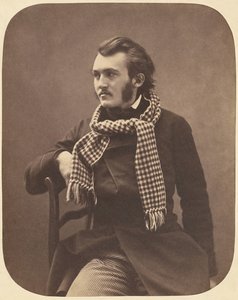
Doré
1832 - 1883 , Francia
Rövid információk
- Artistic Movement Or Style: Romanticizmus
- Artists Or Movements Influenced By This Artist: ['Van Gogh']
- Artists Who Influenced This Artist: ['Grandville']
- Date Of Birth: 1832 jan 6.
- Date Of Death: 1883 jan 23.
- Full Name: Paul Gustave Doré
- Nationality: Francia
- Notable Artworks:
- Don Quixote
- A galamb
- London: Egy út
- Dante pokla
- Paradise Lost
- Place Of Birth: Strasbourg, Francia
Kapcsolódó cikkek
Gustav Klimt 25 Mesterműve: A Szecesszió Aranykora – Vászonképek és Dekorációk
Fedezze fel Gustav Klimt 25 legpazarabb művészeti alkotását! A szecesszió aranykora, ikonikus portrék és szerelmesek története. Vászonképek, reprodukciók és inspiráció otthonába – OriginalUniqueArt.com.

Evocations of Place: A Historical Journey Through Landscape Art
Explore the rich history of landscape art with OriginalUniqueArt. Discover renowned artists, movements like Impressionism & Romanticism, and expert guidance for collecting timeless pieces. Find your perfect serene escape today!

John Constable 25 Mesterműve: A Természet Lényege Vászonon – OriginalUniqueArt.com
Fedezze fel John Constable 25 legszebb művészeti alkotását! Ismerje meg a romantika ikonikus tájképeit, Dedham Vale szépségét és a természet lenyűgöző ábrázolásait. Vászonkép reprodukcióinkkal eleganciát csempészhet otthonába – OriginalUniqueArt.com

A Romantikus Tájképfestészet 10 Legikonikusabb Műalkotása – OriginalUniqueArt.com
Fedezze fel a romantikus tájképfestészet 10 legikonikusabb műalkotását! Caspar David Friedrich, J.M.W. Turner és más mesterek festményeinek története – inspiráló olajfestmények otthonába. OriginalUniqueArt.com: múzeumi minőségű reprodukciók és egyedi dekorációk online.
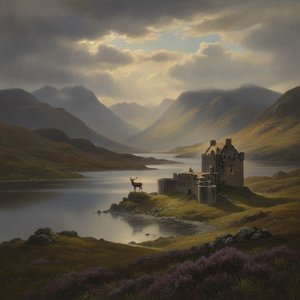
Capturing the Highlands: A Guide to Iconic Scottish Landscape Paintings and the Romantic Tradition
Explore the profound beauty of the Scottish Highlands through the lens of Romanticism. Discover the history, technique, and atmospheric mastery behind iconic landscape paintings from the Old Masters to museum-quality oil reproductions for collectors.


