

 Megtekintés
 Küldés
 Megosztás
 Részletek

 Letöltés
 Hasonló darabok
 X-ray felvétel
 Diavetítés
 Statisztika
Cacciaguida

 Összes részlet megjelenítése
Vásároljon nagy felbontású, javított digitális képet, amely minőségében messze felülmúlja az online előnézetet.
Minden fájlt szakembereink a legmodernebb eszközök és precíz, kézi retusálás segítségével készítenek el aprólékosan. Gondoskodunk arról, hogy minden kép kivételes tisztasággal, pontos színhelyességgel és részletgazdag finomsággal rendelkezzen.
A végleges fájl 72 órán belül e-mailben megérkezik, professzionális, szerkesztői és nyomtatási környezetbe optimalizálva az azonnali használathoz. Ez ugyanaz a minőség, amelyben a legmeghatározóbb tervezőstúdiók, kiadók és galériák is megbízhatnak.
Digitális kép
Töltsön le nagy felbontású fájlt személyes kiállításokhoz, nyomtatáshoz és kreatív projektekhez. ( Áttérés Nyomtatványra Kézzel festett másolat rendelése)
Minden digitális kép rendeléséhez tartozó extrák
Szakértői digitális kézbesítés, garantáltan
Amikor a OriginalUniqueArt.com szolgáltatást választja, nem csupán egy képet kap – professzionálisan felmagasított digitális műalkotást kap, amely precizitással készült, és amelyet megelégsedési gwarancia tesz biztoslássá. Az alábbiakban automatikusan minden benne 】

Gyors e-mail teslimítés
A nagy felbontású digitális képmásolatát a megrendelést követő 72 órán belül e-mailben elküldjük Önnek – azonnal használható formátumban.

MI-alapú digitális fejlesztésű fájl
Műve professzionális módon kerül optimalizálásra fejlett mesterséges intelligencia eszközök és manuális szerkesztés segítségével, biztosítva a maximális részletességet, tisztaságot és színpontosságot.

Örök életű ingyenes újradelivery
Véletlenül törölted vagy elvesztetted a fájlodat? Ne aggódj – bármikor ingyen újra megküldjük neked.

Nincs importköltség – soha
Élvezze műalkotásait azonnal, vám, illeték vagy szállítási költség nélkül – a digitális letöltések mindig adamentesek.

Színpontosság garantálása
Professzionális eszközök és színkezelés segítségével garantáljuk, hogy digitális képe a lehető legpontosabban tükrözze az eredeti színeket.

100 napos elégedettségi garancia
Ha nemມີ elégedett a digitális képével, 100 napon belül felülvizsgáljuk vagy 100% visszatérítjük az amountot – kérdés बिना.

100% Pénzvisszatérítési garancia
Nem tetszett a vásárlás? 100 napon belül teljes visszatérítést garantálunk a digitális fájl megvételétől számítva – kérdés बिना.

Tömegrendelési kedvezmények
Vásároljon 3 képet, spóroljon 10%-et - Vásároljon 5-öt, spóroljon 15%-et - Vásároljon 10+ képet, spóroljon 20%-at. Kiváló kreatív projektekhez, galériákhoz és ügynökségekhez.
Egy Szent Szellem Újjáavattatásának Megjelenése: Mélyültetésünk Érzelmi és Szimbolikus Utazása Gustave Doré Egyetemes Művével – Cacciaguida
Paul Gustave Doré műve, a „Cacciaguida” egyetemes alkotás, melyet kiváló részletességével készített el öntözött acéllemezből és átültetett papírra, bizonyítja meg a romantikus szellem örök vonzódását az Ótestavági történetekhez és annak művészi technikájának mesteri irányításához. Együtteszéleti művének 1865 körül keletkezett, és ezt az alkotást közvetlenül Dante Alighieri *Szellemi Utazásából* követi el – egy képet, amely nem csak egyszerű illusztrációt jelent hanem mély filozófiai meditációt is tükrözve.- Téma és Kontextus: A mű egy szent fényűző megvilágításban álló alakot ábrázol Virgil és Dante útja során az Ördögötől való menekülés közben, amely egyenes utalás Dante Szellem Utazására és Purgatóriába – egy képet, amely nem csak fizikai tájként hanem lelki nyugtalanság tükröződésében is megmutatja magát. Doré kiválóan átülteti az időszak nagy dramatizmusát és szépségét, melyet a romantikus korszak művészei tökéletesítettek.
- Stílus és Technikája: Doré jellegzetes stílusa a dramatikus színgörög – vagy más szóval fény és árnyék játékának mesteri irányítása –, egy technikája, amelyet a romantikus korszak művészei tökéletesítettek. Az öntözött acéllemezből kivetült nagy részletességű rézöntvény pedig egyetlen érzelmet tükrözve mutatja meg magát.
- Szimbolizmus és Érzelmi Mélység: A fényűző alak jelképezi az Isteni Szeretetet és Megváltást Dante számára, aki szorongás közepén találja magát – egy remény színét tükrözi a sötétségben. Virgil képviseli az érvet és útmutatást, míg Dante maga az emberi érzettesség és az Isteni Szeretet felé való törekvés jelképe. Doré műve erőteljesen kommunikálja Dante tapasztalata közepén álló lelki örömöt és félelmet: szorongást, megbánatot és végül megváltást.
- Történelmi Fontosság és Öröksége: „Cacciaguida” bizonyítja meg a romantikus művészek érdeklődését az Ótestavági alegóriához és annak képződési eszközehez – egy képet, amely nem csak művészi tökéletességével hanem mély filozófiai gondolatának kifejezésével pedig örök életűvé teszi magát. Doré műve megmutatta az ő művészi tudását és kreativitását és nagy befolyást gyakorolt több generációra következvén, melyek számára inspirációt jelentett és továbbra is megdöbbenést okozva nézőközönségnek.
A művész életrajza
A Life Etched in Shadow and Light: The World of Gustave Doré
Paul Gustave Louis Christophe Doré, a name synonymous with dramatic illustration and evocative imagery, was more than just an artist; he was a cultural phenomenon. Born in Strasbourg, France, on January 6th, 1832, his life unfolded during a period of profound transformation – the waning years of Romanticism giving way to the burgeoning realism and symbolism of the 19th century. Even as a young boy, Doré possessed an extraordinary talent, not merely for drawing—a skill he diligently cultivated from an incredibly early age—but also with a captivating personality that hinted at the theatrical intensity which would become his signature style. Tales abound of youthful antics demonstrating a maturity far beyond his years, foreshadowing the complex and often melancholic themes that would dominate his artistic output. He embarked on his professional career remarkably early, at just fifteen years old, as a caricaturist for the Parisian journal *Le Journal pour rire*, honing his observational skills and compositional abilities within the vibrant world of satirical art.From Caricature to Literary Giants: The Rise of an Illustrator
Doré’s initial commissions laid the groundwork for his subsequent renown. Works such as *Les Travaux d'Hercule* (1847), *Trois artistes incompris et mécontents* (1851), and *Les Dés-agréments d'un voyage d'agrément* (1851) showcased a burgeoning talent for dynamic composition and a masterful command of light and shadow, even in these relatively modest beginnings. He was deeply influenced by the illustrations of J.J. Grandville, whose fantastical imagery and satirical edge resonated profoundly with Doré’s own developing artistic sensibilities. However, it was through his collaborations with literary giants that Doré truly ascended to prominence. In 1853, he received a prestigious commission to illustrate the works of Lord Byron, an undertaking which opened doors to further significant projects. The monumental task of illustrating the Bible followed, a project that would cement his reputation and bring his art before a vast international audience – a testament to his skill and ambition. This ambitious undertaking required not only artistic talent but also meticulous research and a deep understanding of biblical narratives. His illustrations were revolutionary for their time, capturing both the grandeur and the drama of these ancient stories with unprecedented detail and emotional depth. The sheer scale of the project demanded a large team of skilled block-cutters, allowing Doré to translate his intricate designs into stunning wood engravings that could be mass-produced and distributed widely.A Master of Technique: Wood Engraving and Romantic Vision
Doré’s artistic prowess wasn't solely rooted in imaginative vision; it was inextricably linked to his technical mastery, particularly in the art of wood engraving. He possessed an extraordinary ability to create incredibly detailed and dramatic images through this medium – a skill that allowed for the efficient production needed to meet the demands of publishers and readers alike. His compositions are characterized by their dynamism, stark contrasts between light and shadow (a technique known as chiaroscuro), and a sense of overwhelming grandeur or even palpable terror. He frequently employed a large team of block-cutters to meticulously translate his designs into wood engravings, ensuring the precision and detail required for his ambitious projects. His style is firmly rooted in the Romantic tradition – emphasizing emotion, imagination, and the sublime—a fascination with the power of nature and the human condition. He wasn’t merely recording scenes; he was interpreting them through a lens of heightened emotionality and dramatic flair. This approach, while sometimes criticized for its theatricality, ultimately contributed to his enduring appeal.Notable Works and Lasting Influence
Doré's artistic legacy extends far beyond the sheer volume of his work. His illustrations had a profound impact on visual culture, influencing artists and readers for generations. Vincent van Gogh, a fervent admirer of Doré’s depictions of suffering and hardship, recognized in them a shared sensitivity to the plight of humanity. His *Illustrations for Dante's Inferno* (1867-1870), in particular, remains one of his most iconic achievements – a terrifying and unforgettable depiction of Hell that continues to captivate audiences today. Similarly, his illustrations for Milton’s *Paradise Lost* captured the epic scope and dramatic intensity of this monumental poem. Beyond these major works, Doré's illustrations for Cervantes’ *Don Quixote*, Edgar Allan Poe’s “The Raven,” and Blanchard Jerrold’s *London: A Pilgrimage* demonstrate his versatility and ability to adapt his style to a wide range of subjects and genres. Despite facing some criticism during his lifetime—some found his work overly dramatic or lacking in subtlety—Doré's art is now celebrated for its artistic merit, historical significance, and enduring power to evoke emotion and imagination. He died on January 23rd, 1883, leaving behind an immense body of work that continues to inspire awe and admiration. His legacy lies not only in the beauty of his images but also in their ability to transport us to other worlds – a testament to the transformative power of illustration.Notable Works (Selected)
- Flower Sellers of London (1875): A poignant depiction of Victorian poverty and resilience, showcasing familial bonds amidst hardship.
- The Christian Martyrs: A dramatic masterpiece depicting faith and persecution with powerful emotion.
- Illustrations for Dante’s Inferno: Perhaps his most iconic work, these engravings brought the terrifying visions of Dante's hell to life with unparalleled intensity.
- Illustrations for Milton’s Paradise Lost: Doré’s interpretation of this epic poem is renowned for its grandeur and dramatic flair.
- The Wandering Jew (1856): A popular work, though it contains antisemitic undertones reflective of the time period.
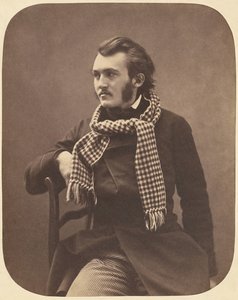
Doré
1832 - 1883 , Francia
Érdekességek
- Artistic Movement Or Style: Romanticizmus
- Artists Or Movements Influenced By This Artist: ['Van Gogh']
- Artists Who Influenced This Artist: ['Grandville']
- Date Of Birth: 1832 jan 6.
- Date Of Death: 1883 jan 23.
- Full Name: Paul Gustave Doré
- Nationality: Francia
- Notable Artworks:
- Don Quixote
- A galamb
- London: Egy út
- Dante pokla
- Paradise Lost
- Place Of Birth: Strasbourg, Francia