
 Megtekintés
 Küldés
 Megosztás
 Részletek
 Útmutató

 Letöltés
 Hasonló darabok
 X-ray felvétel
 Diavetítés
 Kérdések és válaszok
 Statisztika
Az Éhes


 Összes részlet megjelenítése
Szerezzen be nyomtatásra kész fájlt, amely messze túlmutat a webes előnézeten. Minden általunk értékesített digitális kép az adatbázisunkban található nagy felbontású mesterfájlból származik – általában 5 000 és 15 000 pixel szélességű –, így magabiztosan nyomtathat nagy méretben, sokat vághat a képen, vagy reprodukálhatja a legfinomabb részleteket is.
Stúdiómból egyetlen fájl sem távozik feltartózkodás nélkül. Egy digitális szakértő az eredeti festménnyel összehasonlítja a színeket, és szükség esetén korrigálja azokat, majd professzionális retusználó eszközökkel javítja a tisztaságot és a részletgazdagságot — miközben mindig hű marad a művész vonalvezetéséhez és stílusához. Az eredmény egy olyan kép, amely úgy néz ki, mint egy festmény, és nem úgy, mint egy szűrőzött szkenn.
A végső munka befejezése előtt jóvá kell hagynia a képet: szakértőnk 72 órán belül elküldi azt e-mailben ellenőrzésre. Nem tetszett? Kérhet javításokat vagy korrekciókat, illetve visszatérítést kérhet, amennyiben a minőség nem felel meg az elvárásoknak.
Ez az a minőség, amelyre a kiadók, a design stúdiók, a galériák és a nyomdaték megbízhatnak.
Digitális kép
Töltsön le nagy felbontású fájlt személyes kiállításokhoz, nyomtatáshoz és kreatív projektekhez. ( Váltás nyomtatványra Kézzel festett másolat rendelése)
Minden digitális kép rendeléséhez tartozó extrák
Szakértői digitális kézbesítés, garantáltan
Amikor a OriginalUniqueArt.com szolgáltatást választja, nem csupán egy képet kap – professzionálisan felmagasított digitális műalkotást kap, amely precizitással készült, és amelyet megelégsedési gwarancia tesz biztoslássá. Az alábbiakban automatikusan minden benne 】

Gyors e-mail teslimítés
A nagy felbontású digitális képmásolatát a megrendelést követő 72 órán belül e-mailben elküldjük Önnek – azonnal használható formátumban.

MI-alapú digitális fájljavítás
Műve professzionális módon kerül optimalizálásra fejlett mesterséges intelligencia eszközök és manuális szerkesztés segítségével, biztosítva a maximális részletességet, tisztaságot és színpontosságot.

Örök életű ingyenes újradelivery
Véletlenül törölted vagy elvesztetted a fájlodat? Ne aggódj – bármikor ingyen újra megküldjük neked.

Nincs importköltség – soha
Élvezze műalkotásait azonnal, vám, illeték vagy szállítási költség nélkül – a digitális letöltések mindig adamentesek.

Színpontosság garantálása
Professzionális eszközök és színkezelés segítségével garantáljuk, hogy digitális képe a lehető legpontosabban tükrözze az eredeti színeket.

100 napos elégedettségi garancia
Ha nemມີ elégedett a digitális képével, 100 napon belül felülvizsgáljuk vagy 100% visszatérítjük az amountot – kérdés बिना.

100% Pénzvisszatérítési garancia
Nem tetszett a vásárlás? 100 napon belül teljes visszatérítést garantálunk a digitális fájl megvételétől számítva – kérdés nélkül.

Tömegrendelési kedvezmények
Vásároljon 3 képet, spóroljon 10%-et - Vásároljon 5-öt, spóroljon 15%-et - Vásároljon 10+ képet, spóroljon 20%-at. Kiváló kreatív projektekhez, galériákhoz és ügynökségekhez.
A Descent into Darkness: Doré’s ‘The Avaricious’ – Egy Pusztító Vágy Kezdete
Gustave Doré remekműve, “Az Avarc”, nem csupán egy szomorú jelenet; az egyik legbefolyásosabb 19. századi francia festőművész alkotása a túlzott vágy pusztító erejének mélyen megfogalmazott vizuális kifejezése. A vonalak és árnyékok mesterségbeli használata, Doré egyedülálló stílusának köszönhetően, nemcsak a történelmi kontextusban marad el, hanem ma is erőteljesen szól a gazdagság, a hatalom és a következményeik pusztító hatásai iránti modern érdeklődésről. A gyors ipari fejlődés és társadalmi felülemelő időszakában, Doré művei gyakran foglalkoztak a morál kérdéseivel és a társadalmi kritikával, tükrözve Franciaország aggodalmait egy olyan országból, amely mélyen változásokon ment keresztül. Ez a különleges alkotás, egy nagyobb sorozat része, mely bibliai történeteket és irodalmi klasszikusokat ábrázol, emlékeztet bennünket az emberiség korrupcióra való képességére.- Téma: A jelenet egy teljes pusztulás képet mutat – hatalmas halott emberek, elterülve egy szörnyű, üres tájban. Közepette áll egy magas, lenyűgöző figura, ami a vágyat jelképezi, és megfigyeli ezt a rettenetes jelenetet, mintha nem törődne vele.
- Stílus és Művészi Művesség: Doré stílusa azonnal felismerhető a drámai kontrasztok miatt – a fény és árnyék intenzív ellentéte, amit mesteri szinten használ fel a formák megművelésére és az érzelmi hatások megerősítésére. Az engravement technikája, mely során a fémlemezen pontos vonalak vannak, lehetővé teszi a rendkívüli részletességt és tonal variációt, ami egyfajta textúrát és mélységet teremt, ami egyszerre zavaró és magával vonzó.
A Remény Kevesebb – A Történet és a Bibliás Hivatkozások
“Az Avarc” erősen támaszkodik a bibliai történetekre, különösen Noa’s Povádjára, melyet morális ítélkezésként értelmezik. A halott emberek a bűnökben elbuktak és büntetésüket szenvedték meg. Doré nagyban befolyásolta a romantika, egy mozgalom, ami az érzelmekre, a képzeletre és a nagyszerűségre helyezi a hangsúlyt – tulajdonságok, melyek erőteljesen jelen vannak ebben a művészetben. Ezenkívül a jelenet tükrözi a középkori kényszereket, ami azt jelenti, hogy az ítélkezés és a gazdagok elleni harc is megjelenik. A kép ereje nemcsak a vizuális hatásában rejlik, hanem abban, hogy felébreszt bennünk egy időtálló morális vitát. Megjegyzés: Ez az engravement egy olyan időszakban lett létrehozva, amikor Franciaországban különösen nagy volt a társadalmi egyenlőtlenségek és a kapitalizmus fellépése aggodalma, ami Doré fókuszát a korrupcióra és ítéltségre terelte.A Szimbolikus Kódok – A Figurák és Az Értelmezések
A “Az Avarc” nemcsak a halál és a pusztulás közvetlen megjelenítését mutatja, hanem gazdag szimbólumokkal is van tele. A központi figura hatalmas statusa jelzi egy iránytalan erőt, míg a szétszórt testek az befolyása következményei. A jelenet nagysága hangsúlyozza a túlzott ambíciók méreteit. Az éles vonalak és geometriai formák használata hozzájárul ahhoz, hogy egy szörnyűséges és zavaró érzést teremtsenek, ami megerősíti az alapvető pusztulás üzenetét. A figurák elhelyezése – sokan fekvő állapotban, mások küzdenek – jelzi ezt a destruktív erő folyamatát.A Hosszú Érzelmi Hatás – Doré Öröksége
Gustave Doré “Az Avarc” műve ma is mélyen mozgató és zavaró alkotás. Drámai kompozíciója, mesteri technikája és erőteljes szimbóluma továbbra is vonzza a nézők figyelmét. Az engravement reprodukciói lehetőséget kínálnak ahhoz, hogy teljes erővel éljük meg Doré művészi látását – egy tanúbírászat, ami nemcsak a művészeti megjelenés erejét mutatja, hanem az érzelmek mély hatásának is. Ez a darab nem csupán történelmi emlék; ez egy időtálló meditáció az emberi természeten és a vágy pusztító következményein.Kérdések és válaszok
Hová sorolható a Gustave Doré pályájának mely szakaszába a "Az Éhes"?
A "Az Éhes" Gustave Doré pályájának a Mature Period szakaszába tartozik. Ez a besorolás összekapcsolja a művet a művész fejlődésével.
Milyen tónus felé hajlik a "Az Éhes"?
A „Az Éhes” egy Zöldtől ibolyáig terjedő spektrum tónus felé hajlik.
Hol vásárolhatom meg „Az Éhes”, Gustave Doré alkotása digitális képét?
A „Az Éhes”, Gustave Doré alkotása digitális fájljának megvásárlása érdekében magas felbontású digitális kép letöltése az alábbi oldalon: Digitális alkotás.
Művész életrajza
The Life of Paul Gustave Doré
Strasbourg, France, 6 January 1832. This is where the life of Paul Gustave Louis Christophe Doré begins. He enters a world of shifting artistic currents, moving from the Rhine to the bustling streets of Paris. By age fifteen, he is already navigating the satirical landscape of Le Journal pour rire, working as a caricaturist. The boy who draws with precocious talent quickly transitions into a professional force, his hands moving from simple sketches to the complex demands of large-scale wood engravings.
His career moves with a sudden, intense momentum. He moves between the roles of designer, painter, and sculptor, never settling into a single lane. He establishes a presence in London, opening the Doré Gallery in Bond Street, and his name becomes a staple of the Victorian era. He navigates the high-pressure world of mass production, employing teams of block-cutters to translate his visions into the wood-engravings that flood the international market. The scale of his output is immense, driven by a relentless pace that carries him through the mid-to-late 19th century.
The momentum breaks in Paris. On 23 January 1883, Paul Gustave Doré dies following a short illness and a heart attack. He leaves behind a massive body of work that spans the spectrum of human emotion, from the divine to the grotesque.
Early Life and Artistic Beginnings
Strasbourg, France, provides the setting for the beginning of a life defined by visual precision. By the age of ten, the boy is already a self-taught draftsman. He does not wait for formal instruction to master the line. Instead, he develops a technical facility that bypasses the traditional classroom. This early autonomy marks the start of a prolific output that will eventually span multiple mediums.
The transition from private practice to professional labor arrives with sudden speed. At fifteen, he enters the bustling, satirical atmosphere of the French journal Le Journal pour rire. He works as a caricaturist, using his pen to navigate the social and political tensions of the era. This period of work hones his ability to observe and distill complex human expressions into sharp, immediate imagery. It is a training ground in economy and impact.
While his pen finds success in the world of print, his formal training takes a different, more tactile direction. He focuses his studies on sculpture. This pursuit of three-dimensional form informs his understanding of volume and weight, even as his career moves toward the two-dimensional world of engraving and illustration. The discipline of the sculptor remains a foundational element of his technical approach.
Patrons, Workshop and Major Commissions
The scale of Doré’s output required a massive industrial operation. He did not work alone in a quiet studio; instead, he directed a specialized workshop to meet the demands of global publishing. At the height of his productivity, he employed a team of approximately 40 block-cutters. These craftsmen were responsible for the grueling task of translating his intricate designs into wood engravings, carving the lines that would eventually be run off by the millions on cylinder presses. This assembly line of talent allowed his visual narratives to reach audiences in Paris, London, and New York simultaneously.
Commercial success followed his ability to bridge the gap between fine art and mass media. In 1853, a commission to illustrate the works of Lord Byron marked a significant ascent in his professional standing. This momentum continued through his collaborations with major publishers, leading to high-stakes projects that commanded significant fees. By 1883, he was working on an oversized edition of Edgar Allan Poe’s “The Raven,” a project that secured him 30,000 francs from Harper & Brothers. This final, massive undertaking remains a marker of the immense commercial value his vision held for the international publishing industry.
- The Legend of The Wandering Jew (1856)
- Don Quixote (1860s)
- The Divine Comedy (1860)
Technique and Artistic Style
The wood-engraving process defines his visual language. He functions primarily as a designer, creating intricate drawings that teams of block-cutters translate onto wooden printing blocks. This method allows for a massive scale of reproduction. To meet the demands of international publishing, the electrotype process is utilized for mass reproduction. The results are characterized by a heavy reliance on chiaroscuro, where deep blacks and piercing whites create a sense of dramatic tension. Every line serves a purpose in building texture and depth.
Meticulous detail anchors his compositions. He uses hatching and cross-hatching to render surfaces, such as the fur of a creature or the ruggedness of stone, with tactile precision. This technical rigor extends to his work in other media. During a trip to Scotland in 1873, he develops a specific expertise in watercolor. His approach often prioritizes expressive power and bold compositions over strict academic realism. He builds entire environments through the interplay of light and shadow, creating a cinematic atmosphere that feels heavy and physical.
Key Works and Literary Illustrations
The scale of his output often matched the epic nature of his subjects. In 1856, he produced twelve folio-size illustrations for The Legend of The Wandering Jew. This work helped establish his ability to handle large-scale narratives. By the 1860s, his vision moved toward the characters of Cervantes. His depictions of Don Quixote and Sancho Panza became the definitive visual standard for these figures, influencing how readers and artists alike imagined the knight and his squire.
The shadows deepen as his work moves into the realms of the divine and the damned. He translated the terrifying visions of Dante’s Divine Comedy into wood engravings, including the harrowing scenes of Dante's Inferno. These designs were not merely sketches; they were blueprints for a massive production of prints. In 1866, he turned his attention to Milton’s Paradise Lost, applying the same dramatic intensity to the fallen angels and celestial struggles of the epic poem.
- The Legend of The Wandering Jew (1856)
- Don Quixote (1860s)
- Paradise Lost (1866)
Later Years and Death
The year 1861 marks a significant shift in his standing, as the French government named him a Knight of the Legion of Honour. This recognition arrived as his influence expanded beyond the borders of France. By 1868, the focus of his professional life shifted toward London. There, he established the Doré Gallery in Bond Street, a space that would become a central hub for his work and his presence in the British art scene.
His creative output remained relentless until the very end. At the time of his death, he was actively engaged in a new series of illustrations for the plays of Shakespeare. The work was still in progress when his health failed. He died in Paris following a short illness, the cause being a heart attack.
Legacy and Enduring Influence
The impact of his work reaches far beyond the printed page, occupying a space where fine art and storytelling intersect. His 1866 illustrations for the Bible achieved massive success, cementing a visual language for sacred texts that persists in the public imagination. This ability to translate complex narratives into visceral imagery left a mark on the giants of the next generation. Vincent van Gogh, for instance, found deep inspiration in Doré’s depictions of human suffering and hardship.
His influence often dictates how we visualize literary archetypes. The specific physical appearance of Don Quixote and Sancho Panza, as rendered in his 1860s illustrations, became the standard for subsequent readers and artists alike. He did not merely illustrate characters; he defined their visual identity for the modern era. This legacy continues through the survival of his original designs and the enduring presence of his dramatic compositions in global collections.
- The Legend of The Wandering Jew (1856)
- Don Quixote (1860s)
- The Divine Comedy (1860)
Where to See the Works Today
The physical remnants of Doré’s prolific output are scattered across several continents, preserved in institutions that hold his diverse range of media. In France, the Musée de Grenoble maintains a collection of his watercolor paintings. These works offer a different perspective than the high-contrast wood engravings that defined his commercial success. The artist's presence in major public collections extends to the National Gallery of Canada in Ottawa, where his catalog is represented.
In the United Kingdom, the Walker Art Gallery in Liverpool preserves pieces from his extensive body of work. His reach continues into the Americas, with the Museo de Arte de Ponce holding works from his catalog. These collections provide a way to observe the scale and detail of his compositions in person.
- Flower Sellers of London (1875)
- The Serenade (1863)
- Souvenir of Loch Lomond (1875)
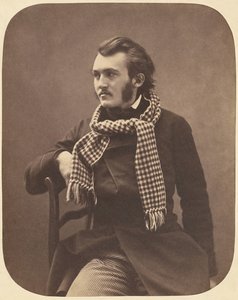
Gustave Doré
1832 - 1883 , Franciaország
Érmeradatok
- Artistic Movement Or Style: Romantika
- Artists Or Movements Influenced By This Artist: ['Vincent van Gogh']
- Artists Who Influenced This Artist: ['J.J. Grandville']
- Date Of Birth: 1832
- Date Of Death: 1883
- Full Name: Paul Gustave Louis Christophe Doré
- Nationality: Francia
- Notable Artworks:
- London virágosnői
- A keresztény mártírok
- Illusztrációk a Dante Infernohoz
- Illusztrációk a Paradise Losthoz
- A vándorló zsidó
- Place Of Birth: Strasbourg, Franciaország