 Váltás nyomtatványra
 Összes részlet megjelenítése







































 A bármely oldalsó méretét túlszálaló 105 cm (kb. 41 hüvelyk) meghaladó műalkotások vagy reprodukciók esetében a keret összeszerelhető készletként, szétszerelve kerül szállításra. Ez a módszer biztosítja a biztonságos szállítást, és megakadályozza a szállítás során fellépő sérüléseket.


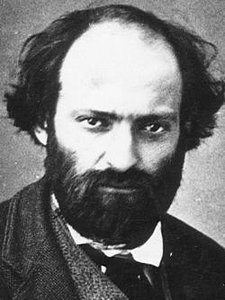
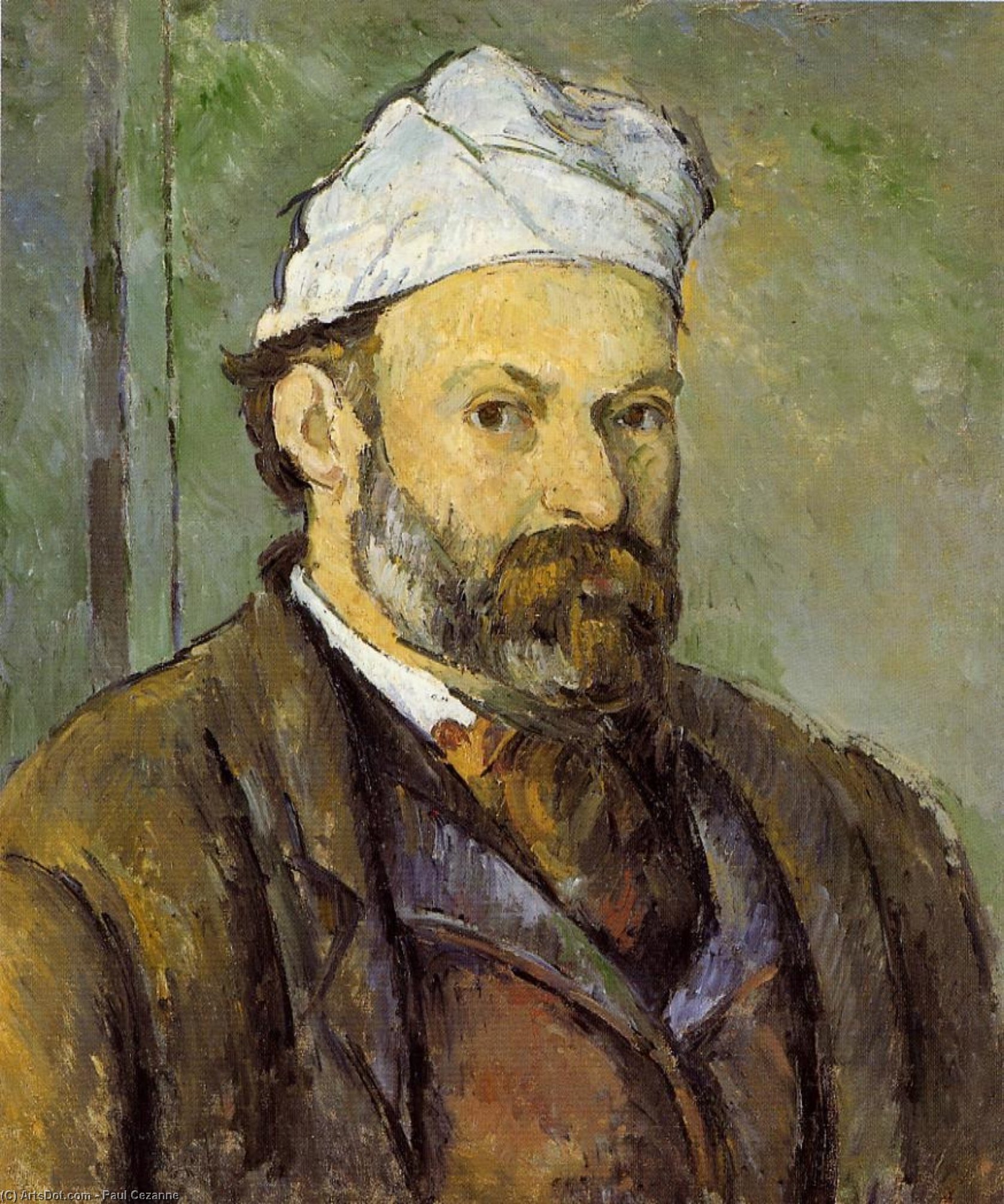
Paul Cézanne’s “Self Portrait in a White Cap”: A Pioneering Vision of Form
Paul Cézanne, a name synonymous with bridging the gap between Impressionism and the nascent movements of modern art, offers us within his "Self Portrait in a White Cap" (1882) not merely a likeness, but a profound statement about the very nature of seeing and representing. Housed within the Bayerische Staatsgemaldesammlungen in Munich, this chalk drawing transcends its simple subject matter – a man in white – to become a cornerstone of artistic revolution, a testament to Cézanne’s unwavering belief that art should capture not just what is seen, but *how* it is perceived. The painting isn't simply a portrait; it’s an exploration of structure, light, and the fundamental building blocks of visual reality.- The Compositional Dance: Cézanne masterfully employs a subtly off-center composition, drawing our eye to the artist himself while simultaneously anchoring the scene with the muted green backdrop. The deliberate asymmetry creates a dynamic tension, suggesting an ongoing process of observation and refinement – a characteristic that would become central to his later work.
- Texture as Truth: Notice how Cézanne doesn’t strive for smooth, polished surfaces. Instead, he utilizes the chalk medium with a remarkable degree of tactility, building up layers of pigment to create a palpable sense of texture. This roughness isn't accidental; it mirrors his desire to represent the underlying physicality of objects, moving away from the fleeting impressions of Impressionism towards a more solid and enduring form.
- The Significance of Color: The restrained palette – dominated by greens, browns, and touches of crimson – contributes significantly to the painting’s mood. Cézanne wasn't interested in replicating the vibrant hues of nature; he sought to capture the *essence* of color, using subtle shifts in tone and value to create depth and atmosphere.
A Revolutionary Approach: Cézanne’s Artistic Philosophy
Cézanne’s journey to this groundbreaking self-portrait was paved with experimentation and a rejection of established artistic conventions. Initially influenced by Romantic landscapes and the Barbizon school, he quickly recognized the limitations of academic realism and sought a new path. He began meticulously dissecting objects – still lifes, landscapes, even portraits – analyzing their geometric forms and breaking them down into their essential components. This process wasn’t driven by a desire for simplification; rather, it was an attempt to understand the underlying structure that gave each object its solidity and presence. His famous quote, “I do not paint what I see, but what I feel,” encapsulates this core belief – he aimed to capture the *feeling* of an object, its essence, rather than a mere imitation of its appearance. This pursuit led him away from Impressionism’s focus on capturing fleeting moments of light and color towards a more rigorous investigation of form and perspective.The Symbolism of Form: The White Cap and Beyond
The white cap itself is laden with symbolic weight. It represents Cézanne's intellectual rigor, his dedication to observation and analysis. The crimson ribbon adds a touch of formality and perhaps even a hint of self-awareness – the artist acknowledging his role as both subject and observer. His gaze, directed squarely at the viewer, invites us into this intimate portrait, suggesting a quiet contemplation on the nature of art itself. The dark velvet cape and gold embroidery speak to his family’s wealth and status, grounding the painting in a specific social context while simultaneously hinting at a desire to transcend those limitations through artistic expression.A Legacy that Resonates: Cézanne's Influence on Modern Art
“Self Portrait in a White Cap” is more than just a beautiful artwork; it’s a pivotal moment in art history. Cézanne’s radical approach to perspective, his emphasis on form over illusion, and his willingness to challenge established conventions paved the way for Cubism and profoundly influenced generations of artists who followed. His work demonstrated that art could be both intellectually stimulating and emotionally resonant, laying the foundation for a new era in modern painting. Today, reproductions of this iconic piece continue to inspire and captivate, offering a glimpse into the mind of one of the most innovative and influential figures in the history of art. Consider commissioning a bespoke oil painting reproduction to honor Cézanne’s legacy and infuse your own space with the spirit of artistic exploration – a tangible reminder of his pioneering vision.For high-quality reproductions and further information, visit Painting by 'Paul Cézanne' | Paul Cézanne:Self Portrait in a White Cap.
Kérdések és válaszok
Milyen technikával készült a „Öregembert fehér tollfüzéssel”, Paul Cézanne alkotása?
Paul Cézanne a Olajfestmény vászonon technikát alkalmazta a "Öregembert fehér tollfüzéssel" alkotáshoz. A technika határozza meg az eredeti mű anyagösszetételt.
Milyen technika és stílus jellemzi a(z) „Öregembert fehér tollfüzéssel”, Paul Cézanne alkotása alkotást?
A "Öregembert fehér tollfüzéssel" alkotás Olajfestmény vászonon technikával készült, a Post-Impressionism stílusban.
Milyen színtelítettséggel rendelkezik „Öregembert fehér tollfüzéssel”, Paul Cézanne alkotása?
A „Öregembert fehér tollfüzéssel”, Paul Cézanne alkotása színei Egyensúlyozott, lágy szaturáció telítettségűek. A telítettség azt mutatja meg, hogy a színek mennyire élénkek vagy fakók.
Több információ erről a festményről
 Megtekintés
 Küldés
 Megosztás
 Részletek
 Útmutató

 Letöltés
 Hasonló darabok
 X-ray felvétel
 Diavetítés
 Kérdések és válaszok
 Statisztika