Megtekintés
 Küldés
 Megosztás
 Részletek
 Útmutató

 Letöltés
 Hasonló darabok
 X-ray felvétel
 Diavetítés
 Q&A
Q&A Statisztika
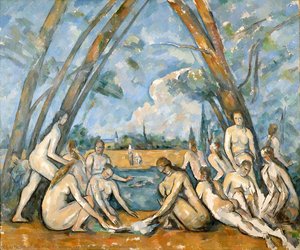
A Út Szélén
 Olajfesték
- Falfu díszek
- Post-Impressionist Landscape
 1882
1882- 19. század
 60.0 x 75.0 cm
 Művészeti Múzeum, Boston
 Összes részlet megjelenítése
Kézzel készített olajfestmény reprodukció
Kézzel festett olajvastú vászon, az Ön által választott méretben és keretben, művészeink készítik meglévőre. ( Váltás nyomtatványra Áttérés digitális képre)




P118B Ft10

P118H Ft10

P118W Ft10

P438Z Ft10

P508JH Ft12

P508YH Ft12

P805H Ft10

P805Z Ft10

P919BZ Ft10

P919G Ft10

P919XJ Ft10

P959ZH Ft10

P968JZ Ft12

W106C Ft8

W218G Ft10

W218JH Ft8

W218Y Ft10

W307PJ Ft10

W316G Ft10

W316PJ Ft8

W316Y Ft10

W398PJ Ft8

W4111J Ft10

W500HY Ft15

W500JH Ft15

W692G Ft12

W849H Ft8

W940BG Ft15

W953PJ Ft8




Válasszon előre meghatározott méreteink közül, amelyek megfelelnek a műalkotás eredeti arányainak.

Írja be a kívánt szélességet és magasságot, hogy illeszkedjen a keretéhez vagy a falához. Mivel ez kézzel festett alkotás, egy eltérő formájú méret esetén a művész akár festhet is valamivel többet a kép körül, vagy korolathat is belőle — az Ön döntésének megfelelően. A festés megkezdése előtt küldünk egy digitális tervezetet jóváhagyásra. Az oldalon látható kép nem tartalmazza a végeredményt — csak a tervezet mutatja meg a valódi eredményt.
A rendelést követően a OriginalUniqueArt.com csapata e-mailt küld az ügyfélnek az instrukciókért, és biztosít egy előnézeti képet (mockup).
Világszerte elérhető szállítás () 3-4 hét alatt a szokásos 5 hét helyett. (28 október). A minőség nem kérdőjelezhető.

Ingyenes globális expressz szállítás

Prémium minőségű len vászon

Teljes körű szállítási biztosítás

Vámvisszatérítési Garancia

Hiteles színarányosság garancia

100 napos visszaküldési lehetőség (csak hibás termékek esetén)

100% pénzvisszatérítési garancia

Több darab vásárlásakor kedvezmény
 Az üvegkeretes opció csak 110 cm alatti méretben érhető el

A Út Szélén
Reprodukciós technika
Reprodukció mérete
-


Összesített ár
Ft 97055
A Turn in the Road: Cézanne’s Revolutionary Vision of Rural Tranquility
Paul Cézanne's *A Turn in the Road* – painted in 1882 – isn’t merely a depiction of a country lane; it’s a profound exploration of perception, form, and the very essence of seeing. This captivating oil painting, now available as a meticulously hand-painted reproduction from OriginalUniqueArt.com, invites us into a world where the familiar landscape is transformed through Cézanne's unique artistic lens. The scene unfolds on a gently sloping hillside, offering an elevated perspective that immediately establishes a sense of depth and spatial complexity – a hallmark of Cézanne’s revolutionary approach to painting. A winding road, rendered with confident brushstrokes, draws the eye into the distance, while the surrounding trees and modest houses evoke a feeling of serene rural life, untouched by the bustle of modern existence. More than just a landscape, *A Turn in the Road* is a meditation on how we perceive reality, a deliberate challenge to traditional artistic conventions.Cézanne’s genius lay not in replicating nature faithfully, but in distilling its underlying structure and essence onto canvas. Notice the careful arrangement of planes – broad, flat areas of color that seem to float independently within the composition. This technique, developed through years of painstaking observation and experimentation, creates a sense of solidity and weight, as if Cézanne is building his scene from geometric blocks. The small, broken brushstrokes, almost invisible to the casual observer, contribute to this effect, layering colors and forms in a way that suggests both movement and stillness simultaneously. The color palette itself is deliberately muted – earthy greens, browns, and blues – reflecting the natural tones of the landscape while also imbuing the scene with a quiet dignity.
Looking deeper into *A Turn in the Road*, we can trace Cézanne’s artistic journey. His early works were undeniably influenced by Romanticism and Realism, evident in his earlier murals at Jas de Bouffan, where he meticulously documented the details of nature. However, a pivotal shift occurred as he engaged with Impressionist principles, particularly their focus on capturing fleeting moments of light and color. Yet, Cézanne didn’t simply adopt Impressionism; he pushed its boundaries, seeking to represent not just what he *saw*, but how he *felt* about what he saw. This is powerfully evident in the way he manipulates perspective – subtly distorting familiar forms to create a more dynamic and emotionally resonant image. The road doesn't lead directly into the distance as one might expect; instead, it curves and bends, inviting us to linger and contemplate the scene.
The painting’s historical context is equally fascinating. Cézanne initially faced considerable criticism for his unconventional style, with many contemporary critics dismissing his work as incomprehensible. It wasn't until the late 1890s, thanks to the support of fellow artists like Camille Pissarro and the discerning eye of art dealer Ambroise Vollard, that Cézanne’s genius began to be recognized. The first solo exhibition of his work in Vollard’s Paris gallery in 1895 marked a turning point, establishing him as a leading figure in the burgeoning avant-garde movement. His influence on subsequent generations of artists – including Henri Matisse and Pablo Picasso, who famously declared him “the father of us all” – is undeniable. Cézanne's innovative approach to perspective and his emphasis on the underlying structure of objects paved the way for movements like Cubism, demonstrating a profound and lasting impact on the course of modern art.
Beyond its artistic merits, *A Turn in the Road* possesses a powerful emotional resonance. There’s a sense of tranquility and contemplation that pervades the scene – an invitation to slow down, breathe deeply, and appreciate the simple beauty of the natural world. The painting speaks to our longing for connection with nature, for escape from the pressures of modern life, and for a deeper understanding of ourselves and our place in the universe. A hand-painted reproduction from OriginalUniqueArt.com allows you to bring this timeless masterpiece into your own home, transforming any space into a sanctuary of artistic inspiration. Explore other remarkable works by Paul Cézanne at OriginalUniqueArt.com, including *Orchard in Pontoise* and *A Turn on the Road at Roche-Ruyon*, and discover the full breadth of his extraordinary vision.
About Paul Cézanne: A Pioneer of Modern Art
Paul Cézanne (1839-1906) stands as a pivotal figure in the transition from late 19th-century Impressionism to early 20th-century Cubism. Born in Aix-en-Provence, France, into a family with strong financial backing thanks to his father’s banking career, Cézanne enjoyed the freedom to pursue his artistic passions without immediate economic constraints. Initially inclined towards law, he ultimately dedicated himself entirely to art, shaping a revolutionary style that would profoundly influence generations of artists. His early influences included Romanticism and the Barbizon school, characterized by their focus on landscape painting and meticulous observation of nature. However, Cézanne’s artistic journey took an unexpected turn as he engaged with Impressionist principles, particularly their exploration of light and color. Yet, rather than simply adopting Impressionism, he pushed its boundaries, seeking to represent not just what he *saw*, but how he *felt* about what he saw – a characteristic that would define his unique style.Cézanne’s artistic development was marked by intense experimentation with form and perspective. He meticulously studied the works of artists like Paul Gauguin and Georges Seurat, analyzing their approaches to color and composition. He developed a distinctive technique involving the use of planes of color and small, broken brushstrokes, creating a sense of solidity and weight that challenged traditional notions of representation. This approach was not merely stylistic; it reflected Cézanne’s deep belief in the underlying structure of objects and his desire to capture their essence rather than simply their appearance.
His early works, such as murals at Jas de Bouffan, demonstrate a meticulous attention to detail and a fascination with capturing the nuances of light and shadow. However, it was through his later paintings – including *A Turn in the Road* – that Cézanne truly established his unique artistic vision. He deliberately distorted familiar forms, creating a sense of spatial ambiguity and inviting viewers to actively engage with the painting. This innovative approach, combined with his masterful use of color and brushwork, cemented Cézanne’s place as one of the most influential artists of the modern era.
Explore Related Works by Paul Cézanne
- A Turn in the Road: A quintessential example of Cézanne’s exploration of form and perspective, capturing a tranquil rural scene with remarkable depth and spatial complexity.
- Orchard in Pontoise: Another iconic work showcasing Cézanne’s masterful use of color and his ability to capture the essence of a rural landscape.
- A Turn on the Road at Roche-Ruyon: A similar theme of rural landscapes with a focus on geometric forms and spatial relationships.
- Pine Trees in Front of the Wall of the Asylum: A Post-Impressionist work demonstrating Cézanne’s interest in capturing the underlying structure of objects and their relationship to space.
Discover More About Paul Cézanne
For a deeper understanding of Paul Cézanne's life, artistic influences, and legacy, visit Paul Cézanne at OriginalUniqueArt. You may also find valuable insights on Wikipedia: Paul Cézanne. Explore related artists such as Camille Pissarro at Camille Pissarro, a key figure in the development of Impressionism and a close friend and collaborator of Cézanne.
Kérdések és válaszok
Megrendelhető-e a "A Út Szélén" olajfestmény kézzel festett másolata?
A "A Út Szélén" kézzel festett olajfesték reprodukció lino vászonon formátumban is elérhető. A rendelés a Kézzel festett másolat oldalon adható le, különböző méretválasztékban.
Ki készítette a "A Út Szélén" alkotást, és milyen stílusú?
Paul Cézanne a Post-Impressionist Landscape irányzatban alkototta meg a "A Út Szélén" című művét.
Mennyire népszerű a "A Út Szélén" a Post-Impressionist Landscape irányzatban?
A katalógban a Post-Impressionist Landscape művek körében a "A Út Szélén" Ikonikus rangsorolást kapott.
A művész életrajza
Paul Cézanne élete és művészete: A modern festészet úttörője
Paul Cézanne, 1839-ben született Aix-en-Provence városában, a festészet történetének egyik legfontosabb alakja. Művészete híd volt az impresszionizmus szubjektív látásmódja és a kubizmus töredezett formái között. Élete nem a gyors elismerésről szólt; sokkal inkább egy lassú, mély művészi felfedezés időszaka, melyet kétségek és kritikai visszautasítások kísértek, végül pedig egy olyan örökséget eredményezett, amely gyökeresen megváltoztatta a modern művészet irányát. Cézanne tehetős családban született – apja kezdetben kalapos volt, később bankár –, ami szokatlan anyagi biztonságot biztosított számára, lehetővé téve, hogy szenvedélyének élhessen anélkül, hogy azonnali kereskedelmi sikert kellett volna elérnie. Bár apja eredetileg jogi pályára terelte, a művészi kifejezés vonzereje erősebbnek bizonyult, és végül festészetet kezdett tanulni, egy olyan döntés, amely meghatározta az életét. Korai hatásai közé tartozott a romantika és a barbizon iskola tájképekre való odafigyelése, de Paul Gauguin és Georges Seurat innovatív szín- és formamegoldásaival való találkozásán keresztül kezdett saját egyedi útját kialakítani.A sötétségből a szerkezet felé: Cézanne stílusának fejlődése
Cézanne korai munkái gyakran tükrözték a romantikus festészet drámai, érzelmileg feltöltött témáit – sötét paletták és kifejező ecsetvonások domináltak vásztasain. Ez az első szakasz azonban csupán egy lépcsőfok volt egy sokkal analitikusabb és úttörőbb megközelítés felé. Elégedetlenkedve a fény pillanatnyi benyomásainak egyszerű rögzítésével, ahogyan azt az impresszionisták kedvelték, Cézanne elindult azon a küldetésen, hogy megértse és ábrázolja a tárgyak mögöttes szerkezetét. Nem csupán arra törekedett, hogy *mit* látott, hanem arra is, hogy *hogyan* érzékelte azokat az alapvető formákat, amelyek valóságot alkotják. Ez vezette őt ahhoz, hogy a természetes alakzatokat geometriai megfelelőikre bontsa – kúpos testekre, hengerekre, gömbökre –, évtizedekkel megelőzve ezzel a kubista forradalmat. Technikája apró, ismétlődő ecsetvonásokkal jellemezhető, melyeket gondosan rétegezett komplex szín- és textúramezők felépítésére, olyan szilárdság és mélység érzetét teremtve, amely korábban nem volt látható a festészetben. Nem érdekelte az illuzionisztikus tér; ehelyett gyakran mutatta be a tárgyakat egyszerre több nézőpontból is, kihívva ezzel a hagyományos perspektíva fogalmait és arra kényszerítve a nézőt, hogy aktívan részt vegyen kompozícióinak felépítésében. Ez szándékos torzítás nem öncélú volt, hanem egy teljesebb formamegértés megkísérlése, amely nem csupán egy pillanatnyi látványt ábrázolt, hanem a percepció szintézisét.Tájak, életképek és az emberi forma: Cézanne főművei és visszatérő motívumai
Cézanne oeuvre rendkívül sokszínű, tájképeket, életképeket, portrékat és fürdőkádak ábrázolásait foglalja magában, de mindegyiket egyedi formamegértése és színvilága egyesíti. A Jas de Bouffan tava, melyet 1880-ban festett, példázza tájképeit, bemutatva képességét a természet esszenciájának rögzítésére gondosan elrendezett formák és árnyalatok segítségével. Az Émile Zola portréja, melyet 1866-ban készített, felfedi fejlődő stílusát és lenyűgöző pillanatképet közeli barátjának és írótársának intenzív szellemiségéről. Életképei, például az almákat és más gyümölcsöket ábrázolók, nem csupán a tárgyak leképezései, hanem a térfogat, a fény és a téri kapcsolatok felfedezései. A Mont Sainte-Victoire sorozat Cézanne megszállottságává vált, egy visszatérő motívum, amely lehetővé tette számára, hogy évtizedeken keresztül szüntelenül vizsgálja a formát és a perspektívát. Ezek a festmények nem egyszerűen egy hegy ábrázolásai; hanem tanulmányok arról, hogyan érzékeljük a mélységet, a térfogatot és a fény és árnyék kölcsönhatását. Végül sorozata Fürdőkádakról, melyek idilli tájakban ábrázolt meztelen alakokat tartalmaznak, az emberi forma mély kutatása és kapcsolatát a természettel képviselik, gyakran egyfajta időtállóság és csendes kontempláció érzetével átitatva.Egy innovációra épült örökség: Cézanne hatása a modern művészetre
Paul Cézanne hatása a következő generációk művészeire felmérhetetlen. Őt tartják széles körben a „modern művészet atyjának” úttörő hozzájárulásai miatt a képi nyelvhez, utat nyitva a 20. század számos jelentős művészeti áramlata előtt. Pablo Picasso és Georges Braque mélyen voltak Cézanne geometriai formákra való hangsúlyozásának és több perspektívának köszönhetők, amelyek a kubizmus központi elemeivé váltak. Merész színhasználata inspirálta a Fauvist mozgalmat is, melyet Henri Matisse vezette, aki élénk, nem-naturalisztikus árnyalatokat ölelt. Még a szürrealista művészek is találtak rezonanciát Cézanne szubjektív percepció és pszichológiai mélység kutatásában. A konkrét mozgásokon túl Cézanne ragaszkodása az alkotó egyéni látásmódjához és a hagyományos akadémiai korlátok elutasításához felszabadította a festők generációit, hogy új kifejezési formákat fedezzenek fel. Kihívta a reprezentáció fogalmát, áthelyezve a fókuszt a valóság utánozásáról egy olyan vizuális élmény megteremtésére, amely az alapvető szerkezetre és szubjektív percepcióra épül. Halála 1906-ban nem a végét jelentette, hanem egy új korszak hajnalát – a művészettörténet egy olyan új korát, amelyet gyökeresen formált forradalmi látásmódja.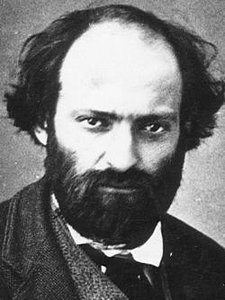
Paul Cézanne
1839 - 1906 , Franciaország
Rövid információk
- Artistic Movement Or Style: posztimpresszionizmus
- Artists Or Movements Influenced By This Artist:
- Kubizmus
- Fauvizmus
- Szürrealizmus
- Artists Who Influenced This Artist:
- Romantika
- Barbizon iskola
- Paul Gauguin
- Georges Seurat
- Date Of Birth: 1839. január 19.
- Date Of Death: 1906. október 22.
- Full Name: Paul Cézanne
- Nationality: francia
- Notable Artworks:
- Jas de Bouffan tava
- Émile Zola portréja
- Mont Sainte-Victoire sorozat
- Fürdők
- Place Of Birth (City And Country): Aix-en-Provence, Franciaország
Kapcsolódó cikkek

Paul Cézanne 25 Mesterműve: A Modern Művészet Úttörői | OriginalUniqueArt
Fedezze fel Paul Cézanne 25 legikonikusabb művét! Ismerje meg a posztimpresszionizmus úttörőjének festményeit, technikáját és inspirációit. Vászonképek, portrék, tájképfestmények – minden otthonba. Böngéssze gyűjteményünket a OriginalUniqueArt-on!

Beyond Impressionism: Exploring the Emotional Depth of Post-Impressionist Painting
Explore the profound emotional depth & innovative techniques of Post-Impressionism with OriginalUniqueArt. Discover Cézanne, Van Gogh, Gauguin & more – and their lasting impact on modern art.
Beyond Impressionism: Exploring Emotional Depth & Formal Innovation in Post-Impressionist Art
Explore the profound emotional depth & formal innovations of Post-Impressionism with our expert guide. Discover Cézanne, Van Gogh, Gauguin & more. Learn about art history, collecting, and investing in this pivotal movement.

A benyomásosok mesterművei: 10 ikonikus festmény a művészetben és otthonában
Fedezze fel a 10 legikonikusabb impresszionista festményt! Monet, Renoir és más mesterek művészete életre kel OriginalUniqueArt.com-on. Vászonképek, faliképek – inspirálja otthonát a benyomásosok színeivel és hangulatával! Explore the full collection online.

A posztimpresszionizmus 10 legikonikusabb remekműve – OriginalUniqueArt.com
Fedezze fel a posztimpresszionizmus 10 legjelentősebb remekművét! Van Gogh, Cézanne és Gauguin alkotásainak története – inspiráló festmények otthonába. Prémium minőségű reprodukciók a OriginalUniqueArt.com-on. Böngéssze online kínálatunkat!