Menü
Text size

() ·

A painting made for you, by hand

A Kártyázók

Kézzel készített olajfestmény reprodukció

Kézzel festett olajvastú vászon, az Ön által választott méretben és keretben, művészeink készítik meglévőre. ( Váltás nyomtatványra Áttérés digitális képre)

A gyűjtemény leírása

Cézanne ikonikus A Kártyázók képe! A post-impreszionista művész mélygående ábrázolja a játék nyugalmát és az emberek közötti kapcsolatot. Fedezd fel a remekművel!

A művész életrajza

Cézanne: A posztimpresszionizmus úttörője! Fedezze fel Aix-en-Provence festőjének tájkép-, csendélet- és kubista hatású műveit. Modern művészet alapkövé!

from ·

Chapter 1

How large should it be?

Slide to change the size; the picture on the left shows the frame at its real width. The proportions of the original are kept.

Standard méret
egyedi méretű
CM
INCH

Válasszon előre meghatározott méreteink közül, amelyek megfelelnek a műalkotás eredeti arányainak.

szélesség
magasság

Írja be a kívánt szélességet és magasságot, hogy illeszkedjen a keretéhez vagy a falához. Mivel ez kézzel festett alkotás, egy eltérő formájú méret esetén a művész akár festhet is valamivel többet a kép körül, vagy korolathat is belőle — az Ön döntésének megfelelően. A festés megkezdése előtt küldünk egy digitális tervezetet jóváhagyásra. Az oldalon látható kép nem tartalmazza a végeredményt — csak a tervezet mutatja meg a valódi eredményt.

Chapter 2

How should it arrive?

Choose the edges of the stretched canvas

Choose your frame

Corner sample of the WhiteWrap canvas edge finish, stretched on tömörfa bars
White Ft1
Corner sample of the BlurSideWrap canvas edge finish, stretched on tömörfa bars
Blurside Ft1
Corner sample of the ExtendedWrap canvas edge finish, stretched on tömörfa bars
Extended Ft1
Corner sample of the P118B picture frame: formázott polisztirol, 5 cm wide and 3 cm thick
P118B Ft10
Corner sample of the P118H picture frame: formázott polisztirol, 5 cm wide and 3 cm thick
P118H Ft10
Corner sample of the P118W picture frame: formázott polisztirol, 5 cm wide and 3 cm thick
P118W Ft10
Corner sample of the P438Z picture frame: formázott polisztirol, 5.5 cm wide and 3.5 cm thick
P438Z Ft10
Corner sample of the P508JH picture frame: formázott polisztirol, 7 cm wide and 3.5 cm thick
P508JH Ft12
Corner sample of the P508YH picture frame: formázott polisztirol, 7 cm wide and 3.5 cm thick
P508YH Ft12
Corner sample of the P805H picture frame: formázott polisztirol, 5 cm wide and 3.5 cm thick
P805H Ft10
Corner sample of the P805Z picture frame: formázott polisztirol, 5 cm wide and 3.5 cm thick
P805Z Ft10
Corner sample of the P919BZ picture frame: formázott polisztirol, 7 cm wide and 3.5 cm thick
P919BZ Ft10
Corner sample of the P919G picture frame: formázott polisztirol, 7 cm wide and 3.5 cm thick
P919G Ft10
Corner sample of the P919XJ picture frame: formázott polisztirol, 7 cm wide and 3.5 cm thick
P919XJ Ft10
Corner sample of the P959ZH picture frame: formázott polisztirol, 5 cm wide and 3 cm thick
P959ZH Ft10
Corner sample of the P968JZ picture frame: formázott polisztirol, 6 cm wide and 4 cm thick
P968JZ Ft12
Corner sample of the W106C picture frame: tömörfa, 5 cm wide and 3 cm thick
W106C Ft8
Corner sample of the W218G picture frame: tömörfa, 5 cm wide and 3 cm thick
W218G Ft10
Corner sample of the W218JH picture frame: tömörfa, 5 cm wide and 3 cm thick
W218JH Ft8
Corner sample of the W218Y picture frame: tömörfa, 5 cm wide and 3 cm thick
W218Y Ft10
Corner sample of the W307PJ picture frame: tömörfa, 6 cm wide and 3 cm thick
W307PJ Ft10
Corner sample of the W316G picture frame: tömörfa, 6 cm wide and 3 cm thick
W316G Ft10
Corner sample of the W316PJ picture frame: tömörfa, 6 cm wide and 3 cm thick
W316PJ Ft8
Corner sample of the W316Y picture frame: tömörfa, 6 cm wide and 3 cm thick
W316Y Ft10
Corner sample of the W398PJ picture frame: tömörfa, 5 cm wide and 3 cm thick
W398PJ Ft8
Corner sample of the W4111J picture frame: tömörfa, 6.5 cm wide and 3.5 cm thick
W4111J Ft10
Corner sample of the W500HY picture frame: tömörfa, 7 cm wide and 5 cm thick
W500HY Ft15
Corner sample of the W500JH picture frame: tömörfa, 7 cm wide and 5 cm thick
W500JH Ft15
Corner sample of the W692G picture frame: tömörfa, 8 cm wide and 4 cm thick
W692G Ft12
Corner sample of the W849H picture frame: tömörfa, 5 cm wide and 3 cm thick
W849H Ft8
Corner sample of the W940BG picture frame: tömörfa, 7.5 cm wide and 4.5 cm thick
W940BG Ft15
Corner sample of the W953PJ picture frame: tömörfa, 6 cm wide and 3.5 cm thick
W953PJ Ft8
Corner sample of the H24-GOLD picture frame: faragott fa gesszóval, 10 cm wide and 6 cm thick
H24-GOLD Ft30
Corner sample of the H24-SILVER picture frame: faragott fa gesszóval, 10 cm wide and 6 cm thick
H24-SILVER Ft30
Corner sample of the H36-GOLD picture frame: faragott fa gesszóval, 15 cm wide and 6.5 cm thick
H36-GOLD Ft45
Corner sample of the H36-SILVER picture frame: faragott fa gesszóval, 15 cm wide and 6.5 cm thick
H36-SILVER Ft45

Moulding: . Overall size with the frame: .

Chapter 3

Who paints it, and should anything change?

Examples of what can be changed: Replace face with customer photo; Add pet (e.g., replace cat with dog); Include hidden message in background; Change background landscape or elements.
After order, OriginalUniqueArt.com team will email client for instructions and provide a mockup preview

Világszerte elérhető szállítás () 3-4 hét alatt a szokásos 5 hét helyett. (30 október). A minőség nem kérdőjelezhető.

Chapter 4

The finishing touches

A nameplate, as in a museum?

A gravírozott bronztábla részletei

This elegant plaque features the artist's name and the title of the artwork, finely engraved for a timeless presentation.

It is made from bronze with a refined, elegant finish. The text is precisely laser-engraved for a sharp and permanent result. Measuring 9x2 cm, the plaque is compact yet easy to read. It's built to be durable and scratch-resistant, offering a professional, museum-quality look. Mounting is simple thanks to the included adhesive backing.

Átlátszó akril tábla részletei

The plaque includes essential engraved details such as the artist's name, the title of the artwork, the date it was created, the type of media used-like oil on canvas or watercolor-a brief description of the piece, and a QR code that links to the complete artwork information.

It is crafted from clear acrylic, offering a sleek, modern appearance. The text is UV-engraved in black to ensure strong visual contrast. With a size of 10x15 cm, it ensures optimal readability. It comes equipped with two metal hooks for secure wall mounting. The plaque is designed to be weather-resistant, making it suitable for various environments, and it includes interactive features that work seamlessly with smartphone scanning.

Fekete akril tábla részletei

This elegant plaque includes engraved information such as the artist's name, the title of the artwork, the date it was created, the type of media used (like oil on canvas or watercolor), a short description of the artwork, and a QR code for quick access to more information.

The plaque itself is made from refined black acrylic with a premium finish. The text is laser-engraved in white for high contrast and readability. Its size is 10x15 cm, designed to be easy to read. It comes with two metal hooks for professional mounting. The design is sleek and fits any interior style. It is also weather-resistant and durable, with built-in digital integration for mobile compatibility.

A protective varnish?

When do you need it?

Chapter 5

Your painting, as you ordered it

A Kártyázók

Reprodukciós technika

Reprodukció mérete

-

Kiváló mesterművész

Nagyobb részletesség, finomság és bővített gyártási idő

-

Reprodukció keretezése

-

-

A bármely oldalsó méretét túlszálaló 105 cm (kb. 41 hüvelyk) meghaladó műalkotások vagy reprodukciók esetében a keret összeszerelhető készletként, szétszerelve kerül szállításra. Ez a módszer biztosítja a biztonságos szállítást, és megakadályozza a szállítás során fellépő sérüléseket.

Szakmész összeszerelést igényel – ez nem DIY (önösszeszerelhető) termék.
A készletet egy tapasztalt keretező szakembernek kell összeszerelnie és a vásznat feszítenie kell, fa ragasztó (nem tartalmazza a csomag), vásznfeszítő fogó és szorítók használatával, amelyek a ragasztó száradásáig a keretrészeket egymáshoz vuôngjba tartják. A helytelen összeszerelés vagy a nem egyenletes vásznfeszítés maradandó károsíthatja a műalkotást, és ez nem része a garanciánknak.

  • A készlet tartalmazza az összes tömörfa rudat, pontosan méretre vágva.

  • A mellékelt csavarokkal, valamint a sarokszerekhez szükséges faütő ragasztóval kell összeszerelnie (ez nem tartalmazható a csomagban), így a keretrendezőnek külön kell beszereznie.

  • A csomag nem tartalmazza a szükséges professzionális eszközöket: egy vászonfeszítőt és klipseket a rácsok vízszintes tartásához a ragasztó megszáradásáig.

Fontos:
A sarokcsatlakozásokhoz fánylagra van szükség, a keretrudakat szorítókapcsokkal kell rögzíteni, amíg a rag teljesen meg nem szárad, a kész keretre feszített vászonhoz pedig vászonfeszítő fogat szükséges. Ezek egyike sem található meg a készletben. Kérjük, rendelés előtt győződjön meg róla, hogy rendelkezik tapasztalt keretező szakemberrel.

Névtábla

-

-

Védőréteg (Lakk)

Fényes lakk (intenzívabb színek, védelem a fény és a nedvesség hatása ellen)

-

Műalkotásom egyedi igényre szabása

Példák a módosíthatóságra: az arc kicserélése az ügyfél fotójára; háziállat hozzáadása (pl. macska helyett kutya); rejtett üzenet elhelyezése a háttérben; a háttér tájainak vagy elemeinek megváltoztatása.

-

Sürgős

Világszerte szóló szállítás () mindössze 3-4 hét alatt, a szokásos 5 hét helyett. (30 október). A minőség nem kérdőjelezhető.

-

Express szállítás

Világszerte elérhető szállítás területre 5 héten belül. (6 november).

A szállítás díja tartalmazza

Összesített ár

Ft 98090

Összesített ár Ft 98090

Az üvegkeretes opció csak 110 cm alatti méretben érhető el

Included with every order

  • Ingyenes globális expressz szállítás
  • Prémium minőségű len vászon
  • Teljes körű szállítási biztosítás
  • Vámvisszatérítési Garancia
  • Hiteles színarányosság garancia
  • 100 napos visszaküldési lehetőség (csak hibás termékek esetén)
  • 100% pénzvisszatérítési garancia
  • Több darab vásárlásakor kedvezmény

Paul Cézanne: A Quiet Revolution – The Card Players

Paul Cézanne’s “The Card Players” (Les Joueurs de Cartes) isn't merely a depiction of men playing cards; it’s a profound meditation on human connection, the passage of time, and the very essence of seeing. Painted in the early 1890s during a pivotal period in Cézanne’s artistic evolution, this monumental oil painting residing within the Courtauld Institute Galleries in London offers a glimpse into the mind of an artist who fundamentally reshaped how we perceive and represent reality. It's a work that transcends its subject matter to become a powerful statement about form, color, and the quiet dignity of everyday life.

Cézanne’s approach was revolutionary for his time. He moved decisively away from the fleeting impressions of Impressionism, seeking instead to capture the underlying structure of objects – the solidity of the table, the planes of the men's clothing, the geometric forms that constitute their bodies. This pursuit led him to a style characterized by bold brushstrokes and simplified shapes, anticipating the rise of Cubism decades later. The painting isn’t about capturing a specific moment in time; it’s about distilling the essence of the scene – the stillness, the concentration, the shared experience – into its most fundamental elements.

Composition and the Illusion of Depth

The composition of “The Card Players” is deceptively simple yet remarkably complex. Cézanne masterfully manipulates perspective to create a sense of depth that defies traditional Renaissance techniques. The table itself, rendered as a flattened plane punctuated by vertical lines, acts as a visual anchor, subtly guiding the viewer’s eye towards the background. Notice how he isolates the figures within a confined space, minimizing distractions and intensifying their psychological impact. This deliberate framing draws attention to the quiet intensity of the game unfolding before us.

Cézanne's use of color is equally significant. He employs a muted palette dominated by earthy tones – browns, ochres, and greens – creating a sense of warmth and intimacy. The subtle shifts in hue and value contribute to the painting’s overall atmosphere of contemplative stillness. The lighting, diffused and naturalistic, further enhances this effect, bathing the scene in a soft, golden glow.

Symbolism and Human Connection

Beyond its formal innovations, “The Card Players” resonates with profound symbolic meaning. The card game itself serves as a metaphor for life – a realm governed by chance, strategy, and unpredictable outcomes. Yet, amidst the tension of competition, Cézanne captures a moment of quiet camaraderie between the two men, suggesting an appreciation for human connection and shared experience. The fact that they are not actively engaged in boisterous play, but rather focused on their hands and cards, hints at a deeper level of interaction – perhaps a silent acknowledgment of each other’s skill or simply a comfortable familiarity.

The presence of the pipe-smoking figure in the background adds another layer to the painting's symbolism. It represents a quiet observer, a witness to the unfolding drama, and perhaps even a reflection of Cézanne himself – an artist contemplating his own work and the mysteries of human existence. The arrangement of the figures—seated around the table, their gazes lowered—creates a sense of intimacy and shared experience, inviting the viewer to step into the scene and become part of this quiet tableau.

A Legacy of Innovation

“The Card Players” stands as a cornerstone of Post-Impressionism and a crucial bridge between the artistic styles of the 19th century. Cézanne’s revolutionary approach to form, color, and perspective profoundly influenced generations of artists, including Pablo Picasso and Henri Matisse, who built upon his innovations to develop their own unique visions. His emphasis on underlying structure and geometric abstraction paved the way for Cubism and other avant-garde movements that would transform the course of modern art. The painting’s enduring appeal lies not only in its aesthetic beauty but also in its intellectual depth – a testament to Cézanne's genius as an artist and his profound understanding of the human condition.

Photo Description: The painting is a post-impressionist piece by Paul Cézanne titled "The Card Players." The two men in the painting are sitting at a table with cards in their hands, engaged in a game of poker or another card game. One man is on the left side of the table and the other is on the right. There are several chairs visible around the table, including one near each man and another chair further back to the right. The men have various items with them at the table, such as a bottle located in front of the man on the left and a cup placed closer to the center of the table. Additionally, there is a tie hanging off the edge of the table, possibly belonging to one of the players. The overall atmosphere of the painting suggests a casual gathering between friends or acquaintances as they enjoy their time together playing cards. Size: Unknown Date: 1892 ARTIST INFORMATION: ================== Artist: Paul Cézanne Birth Year: 1839 Death Year: 1906 Birth City: Aix-en-Provence Birth Country: France Biography:

A Revolutionary Vision: The Life and Art of Paul Cézanne

Paul Cézanne, born in Aix-en-Provence in 1839, stands as a monumental figure bridging the gap between the fleeting impressions of Impressionism and the fragmented forms of Cubism. His journey was not one of immediate acclaim; rather, it was a slow burn of artistic exploration, marked by periods of self-doubt and critical dismissal, ultimately culminating in a legacy that would irrevocably alter the course of modern art. Born to a prosperous family – his father initially a hatmaker who later became a banker – Cézanne enjoyed a financial security unusual for aspiring artists, allowing him the freedom to dedicate himself to his passion without the immediate pressures of commercial success. Though initially steered towards a legal career by his father’s ambitions, the pull of artistic expression proved too strong, and he eventually abandoned law to pursue painting, a decision that wou

Kérdések és válaszok

Milyen technika és stílus jellemzi a(z) „A Kártyázók”, Paul Cézanne alkotása alkotást?

A „A Kártyázók”, Paul Cézanne alkotása egyesíti a Olajfestmény vászonon technikát a Post-Impressionism stílussal. A technika és a művészeti irány a mű elkészítésének módját és stílusát jellemzi.

„A Kártyázók”, Paul Cézanne alkotása színei tel愈tek vagy fakók?

A "A Kártyázók" színeinek telítettsége Egyensúlyozott, lágy szaturáció.

Milyen hangulatot áraszt a "A Kártyázók"?

„A Kártyázók”, Paul Cézanne alkotása művészeti alkotásának összhangulata Nyugodt. Ez az érzet foglalja össze a mű általános atmoszféráját.

More about this painting

Megtekintés AR előnézet Váltás nyomtatványra Áttérés digitális képre Küldés
Részletek Útmutató Kedvencekhez ad Letöltés Hasonló darabok X-ray felvétel Diavetítés Q&A Statisztika

In numbers

  • 1892the year it was painted
  • 29frames to choose from
  • standard sizes, in its own proportions
  • 5weeks to paint and deliver it
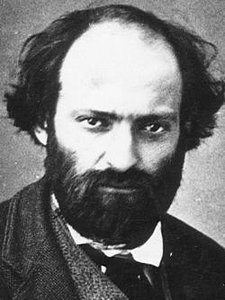
Paul Cézanne

Paul Cézanne

1839 - 1906, Franciaország

Quick facts about Paul Cézanne

  • Artistic Movement Or Style: posztimpresszionizmus
  • Artists Or Movements Influenced By This Artist:
    • Kubizmus
    • Fauvizmus
    • Szürrealizmus
  • Artists Who Influenced This Artist:
    • Romantika
    • Barbizon iskola
    • Paul Gauguin
    • Georges Seurat
  • Date Of Birth: 1839. január 19.
  • Date Of Death: 1906. október 22.
  • Full Name: Paul Cézanne
  • Nationality: francia
  • Notable Artworks:
    • Jas de Bouffan tava
    • Émile Zola portréja
    • Mont Sainte-Victoire sorozat
    • Fürdők
  • Place Of Birth (City And Country): Aix-en-Provence, Franciaország

A művész életrajza

Paul Cézanne élete és művészete: A modern festészet úttörője

Paul Cézanne, 1839-ben született Aix-en-Provence városában, a festészet történetének egyik legfontosabb alakja. Művészete híd volt az impresszionizmus szubjektív látásmódja és a kubizmus töredezett formái között. Élete nem a gyors elismerésről szólt; sokkal inkább egy lassú, mély művészi felfedezés időszaka, melyet kétségek és kritikai visszautasítások kísértek, végül pedig egy olyan örökséget eredményezett, amely gyökeresen megváltoztatta a modern művészet irányát. Cézanne tehetős családban született – apja kezdetben kalapos volt, később bankár –, ami szokatlan anyagi biztonságot biztosított számára, lehetővé téve, hogy szenvedélyének élhessen anélkül, hogy azonnali kereskedelmi sikert kellett volna elérnie. Bár apja eredetileg jogi pályára terelte, a művészi kifejezés vonzereje erősebbnek bizonyult, és végül festészetet kezdett tanulni, egy olyan döntés, amely meghatározta az életét. Korai hatásai közé tartozott a romantika és a barbizon iskola tájképekre való odafigyelése, de Paul Gauguin és Georges Seurat innovatív szín- és formamegoldásaival való találkozásán keresztül kezdett saját egyedi útját kialakítani.

A sötétségből a szerkezet felé: Cézanne stílusának fejlődése

Cézanne korai munkái gyakran tükrözték a romantikus festészet drámai, érzelmileg feltöltött témáit – sötét paletták és kifejező ecsetvonások domináltak vásztasain. Ez az első szakasz azonban csupán egy lépcsőfok volt egy sokkal analitikusabb és úttörőbb megközelítés felé. Elégedetlenkedve a fény pillanatnyi benyomásainak egyszerű rögzítésével, ahogyan azt az impresszionisták kedvelték, Cézanne elindult azon a küldetésen, hogy megértse és ábrázolja a tárgyak mögöttes szerkezetét. Nem csupán arra törekedett, hogy *mit* látott, hanem arra is, hogy *hogyan* érzékelte azokat az alapvető formákat, amelyek valóságot alkotják. Ez vezette őt ahhoz, hogy a természetes alakzatokat geometriai megfelelőikre bontsa – kúpos testekre, hengerekre, gömbökre –, évtizedekkel megelőzve ezzel a kubista forradalmat. Technikája apró, ismétlődő ecsetvonásokkal jellemezhető, melyeket gondosan rétegezett komplex szín- és textúramezők felépítésére, olyan szilárdság és mélység érzetét teremtve, amely korábban nem volt látható a festészetben. Nem érdekelte az illuzionisztikus tér; ehelyett gyakran mutatta be a tárgyakat egyszerre több nézőpontból is, kihívva ezzel a hagyományos perspektíva fogalmait és arra kényszerítve a nézőt, hogy aktívan részt vegyen kompozícióinak felépítésében. Ez szándékos torzítás nem öncélú volt, hanem egy teljesebb formamegértés megkísérlése, amely nem csupán egy pillanatnyi látványt ábrázolt, hanem a percepció szintézisét.

Tájak, életképek és az emberi forma: Cézanne főművei és visszatérő motívumai

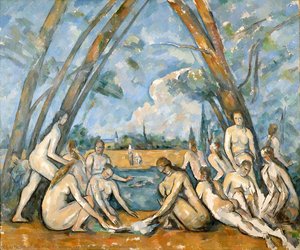
Cézanne oeuvre rendkívül sokszínű, tájképeket, életképeket, portrékat és fürdőkádak ábrázolásait foglalja magában, de mindegyiket egyedi formamegértése és színvilága egyesíti. A Jas de Bouffan tava, melyet 1880-ban festett, példázza tájképeit, bemutatva képességét a természet esszenciájának rögzítésére gondosan elrendezett formák és árnyalatok segítségével. Az Émile Zola portréja, melyet 1866-ban készített, felfedi fejlődő stílusát és lenyűgöző pillanatképet közeli barátjának és írótársának intenzív szellemiségéről. Életképei, például az almákat és más gyümölcsöket ábrázolók, nem csupán a tárgyak leképezései, hanem a térfogat, a fény és a téri kapcsolatok felfedezései. A Mont Sainte-Victoire sorozat Cézanne megszállottságává vált, egy visszatérő motívum, amely lehetővé tette számára, hogy évtizedeken keresztül szüntelenül vizsgálja a formát és a perspektívát. Ezek a festmények nem egyszerűen egy hegy ábrázolásai; hanem tanulmányok arról, hogyan érzékeljük a mélységet, a térfogatot és a fény és árnyék kölcsönhatását. Végül sorozata Fürdőkádakról, melyek idilli tájakban ábrázolt meztelen alakokat tartalmaznak, az emberi forma mély kutatása és kapcsolatát a természettel képviselik, gyakran egyfajta időtállóság és csendes kontempláció érzetével átitatva.

Egy innovációra épült örökség: Cézanne hatása a modern művészetre

Paul Cézanne hatása a következő generációk művészeire felmérhetetlen. Őt tartják széles körben a „modern művészet atyjának” úttörő hozzájárulásai miatt a képi nyelvhez, utat nyitva a 20. század számos jelentős művészeti áramlata előtt. Pablo Picasso és Georges Braque mélyen voltak Cézanne geometriai formákra való hangsúlyozásának és több perspektívának köszönhetők, amelyek a kubizmus központi elemeivé váltak. Merész színhasználata inspirálta a Fauvist mozgalmat is, melyet Henri Matisse vezette, aki élénk, nem-naturalisztikus árnyalatokat ölelt. Még a szürrealista művészek is találtak rezonanciát Cézanne szubjektív percepció és pszichológiai mélység kutatásában. A konkrét mozgásokon túl Cézanne ragaszkodása az alkotó egyéni látásmódjához és a hagyományos akadémiai korlátok elutasításához felszabadította a festők generációit, hogy új kifejezési formákat fedezzenek fel. Kihívta a reprezentáció fogalmát, áthelyezve a fókuszt a valóság utánozásáról egy olyan vizuális élmény megteremtésére, amely az alapvető szerkezetre és szubjektív percepcióra épül. Halála 1906-ban nem a végét jelentette, hanem egy új korszak hajnalát – a művészettörténet egy olyan új korát, amelyet gyökeresen formált forradalmi látásmódja.

Gyors információk

  • Notable elements or techniques: Geometrikus absztracción
  • Artist: Paul Cézanne
  • Location: A Musée d’Orsay
  • Year: 1892-1895
  • Dimensions: 134,6 x 180,3 cm
  • Artistic style: Formateremtés

Művészeti kvíz

Minden kérdésre csak egy helyes válasz létezik.

Kérdés 1:
Melyik művész alkotása a ‘The Card Players’?
Kérdés 2:
Milyen műfajban készült a ‘The Card Players’?
Kérdés 3:
Melyik művészeti irányhoz tartozik a ‘The Card Players’?
Kérdés 4:
Melyik a festmény fő témája?
Kérdés 5:
Melyik múzeumában található a ‘The Card Players’?