

 Megtekintés
 Küldés
 Megosztás
 Részletek

 Letöltés
 Hasonló darabok
 X-ray felvétel
 Diavetítés
Untitled (826)
 Összes részlet megjelenítése
Giclée / Műnyomat
Múzeumi minőségű giclée vagy vászonnyomat, gyors gyártással és rugalmas finomítási lehetőségekkel. ( Kézzel festett másolat rendelése Kép letöltése)




































Válasszon előre meghatározott méreteink közül, amelyek megfelelnek a műalkotás eredeti arányainak.

Megadhat saját méreteket is egy konkrét kerethez vagy helyszínhez igazítva. Amennyiben a kiválasztott méret nem egyezik az eredeti kép arányokkal, a műalkotást le fogjuk vágni, vagy kiegészítjük a képet tükrözött vagy egyszínű szélekkel. A gyártás megkezdése előtt egy digitális tervezetet küldünk jóváhagyásra.
Kérjük, vegye figyelembe, hogy a képernyőn látható előnézet nem tükrözi a tényleges levágást vagy kiegészítést. Csak a tervezet mutatja pontosan a végső kompozíciót.
Bár az egyedi méretek is elérhetőek, az eredeti arányok megőrzése érdekében azt javasoljuk, hogy válasszon a előre meghatározott listából származó méretet.
Világszerte történő kiszállítás területére mindössze 2 hét alatt, a szokásos 4-5 hét helyett. (22 augusztus)

Ingyenes globális expressz szállítás

Prémium minőségű len vászon

Teljes körű szállítási biztosítás

Vámvisszatérítési Garancia

Hiteles színpontosság garancia

60 napos visszaküldési lehetőség (csak hibás termékek esetén)

100% pénzvisszatérítési garancia

Több darab vásárlása esetén kedvezmény
 Az üvegkeretes opció csak 110 cm alatti méretben érhető el

Untitled (826)
Giclée / Műnyomat
Reprodukció mérete
-


Összesített ár
$ 80
A művész életrajza
A Life Immersed in Observation: The World of Paul Cadmus
Paul Cadmus, born in Manhattan in 1904, emerged as a pivotal figure in American art – an artist whose work fearlessly confronted societal norms and offered a uniquely gritty yet beautiful vision of modern life. His upbringing was deeply rooted in creativity; both his parents were practicing artists – Maria Latasa, an illustrator, and Egbert Cadmus, a commercial artist – fostering an environment where artistic expression wasn’t merely encouraged but lived. This early immersion profoundly shaped his perspective, laying the foundation for a career defined by meticulous observation and a dedication to representing the world as he saw it, flaws and all. He began formal training at the remarkably young age of fifteen, enrolling in the National Academy of Design for six years, followed by studies at the Art Students League of New York in 1928. Even early on, Cadmus demonstrated a commitment to honing his technical skills – a dedication that would become a hallmark of his distinctive style. His membership in The Brooklyn Society of Etchers in 1925 further solidified his grounding in draftsmanship and printmaking techniques.European Sojourns and the Shaping of an Aesthetic
The early 1930s marked a period of significant artistic and personal development for Cadmus. A transformative journey through Europe with fellow artist Jared French proved pivotal, leading them to settle in a small fishing village on the island of Majorca, Spain. This relocation wasn’t simply geographical; it was an immersion into a different way of life – a slower pace that allowed for deep observation and contemplation. The relationship between Cadmus and French was both artistic and intensely personal, profoundly influencing each other's work. They challenged one another, pushing the boundaries of their respective styles and exploring new thematic territories. However, financial realities eventually compelled them to return to the United States in 1933. This period instilled within Cadmus a refined aesthetic sensibility – a subtle blend of realism with an emerging sense of surrealism, a style that would later be categorized as Magic Realism. During their time on Majorca, he produced some of his most celebrated early works, capturing the essence of village life and the beauty of the Mediterranean landscape.The New Deal and the Controversy of “The Fleet’s In!”
Upon his return to America, Cadmus became involved with the New Deal art programs, specifically the Public Works of Art Project (PWAP). This provided him with an invaluable opportunity to create large-scale works that addressed contemporary social issues. It was during this time that he painted The Fleet’s In! in 1934 – a work that would catapult him into both artistic recognition and public controversy. The painting depicts sailors on leave, engaging in various forms of recreation – drinking, gambling, and intimate encounters with women (and men). Its frank depiction of sexuality and social interaction was shocking to many, particularly Admiral Hugh Rodman, who protested the artwork’s inclusion in a public exhibition, leading to its temporary removal from display. Despite—or perhaps because of—the uproar, The Fleet’s In! became a defining moment in Cadmus' career – establishing his reputation as an artist unafraid to challenge conventional morality and societal expectations. It was a bold statement that resonated with a nation grappling with rapidly changing social norms and anxieties about the Great Depression. The controversy surrounding this painting cemented his place as a provocative voice within the American art scene.Magic Realism and Enduring Legacy
Paul Cadmus’s artistic style is most readily associated with Magic Realism – a movement characterized by its precise rendering of realistic details combined with dreamlike or surreal elements. He drew inspiration from the Italian Renaissance masters – Signorelli and Mantegna in particular – admiring their anatomical precision and dramatic compositions. Reginald Marsh also served as an influence, particularly in his depictions of urban life. However, Cadmus synthesized these influences into something uniquely his own. His subject matter often focused on the gritty realities of New York City, depicting scenes of everyday life with both idealization and a touch of the grotesque. He was renowned for his highly finished drawings of nude male figures – exploring themes of beauty, desire, and vulnerability with remarkable sensitivity and technical skill. Throughout his long career, Cadmus maintained a studio at 54 Morton Street, continuing to work and refine his vision until his death in 1999 at the age of 94. His election into the National Academy of Design in 1979 was a testament to his enduring contribution to American art. Paul Cadmus remains a significant figure for his unflinching portrayal of urban life and sexuality, challenging artistic norms and offering a compelling social commentary that continues to resonate with audiences today. His work stands as a powerful reminder of the importance of honest observation and fearless self-expression in art.Key Works
- The Fleet’s In! (1934): Perhaps his most famous painting, this controversial depiction of sailors on leave sparked significant public debate due to its frank portrayal of sexuality.
- YMCA Locker Room, Shore Leave, Self Portrait: Mallorca, Mallorcan Fishermen: These works from his time in Majorca showcase his early mastery of color and composition, capturing the essence of Mediterranean life.
- Coney Island (1935): A satirical depiction of Coney Island’s vibrant but often seedy underbelly, demonstrating Cadmus's ability to blend humor with social critique.
- Various Nude Drawings: His meticulously rendered drawings of male nudes are a testament to his technical skill and his exploration of the human form.
Influences
- Italian Renaissance Masters (Signorelli, Mantegna): Cadmus admired their anatomical precision and dramatic compositions.
- Jared French: His close artistic partnership with Jared French profoundly influenced his style and thematic concerns.
- Reginald Marsh: Cadmus was inspired by Marsh’s depictions of urban life and his use of bold colors and dynamic compositions.
Legacy
Cadmus's work continues to be studied and admired for its honesty, its social commentary, and its unique blend of realism and surrealism. He remains a vital figure in the history of American art, demonstrating the power of art to challenge conventions and provoke thought. His legacy is one of fearless creativity and unwavering commitment to his artistic vision.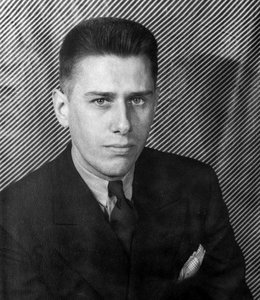
Paul Cadmus
1904 - 1999 , Egyesült Államok
A művészről röviden
- Artistic Movement Or Style: Varázslatos realizmus
- Artists Or Movements Influenced By This Artist:
- Marsh
- Varázslatos realizmus
- Artists Who Influenced This Artist:
- Signorelli
- Mantegna
- Marsh
- Date Of Birth: 1904. 12. 17.
- Date Of Death: 1999. 12. 12.
- Full Name: Paul Cadmus
- Nationality: Amerikai
- Notable Artworks:
- A flottatásra!
- Bolognai éjszaka
- Untitled (565)
- Untitled (991)
- Place Of Birth: Manhattan, USA

