

 Megtekintés
 Küldés
 Megosztás
 Részletek

 Letöltés
 Hasonló darabok
 X-ray felvétel
 Diavetítés
 Stats
StatsMorphine Addicts
 Acrylic On Canvas
- WallArt
- Impressionism
 1887
1887 24.0 x 37.0 cm
 Metropolitan Művészeti Múzeum
 Összes részlet megjelenítése
Vásároljon nagy felbontású, javított digitális képet, amely minőségében messze felülmúlja az online előnézetet.
Minden fájlt szakembereink a legmodernebb eszközök és precíz, kézi retusálás segítségével készítenek el aprólékosan. Gondoskodunk arról, hogy minden kép kivételes tisztasággal, pontos színhelyességgel és részletgazdag finomsággal rendelkezzen.
A végleges fájl 72 órán belül e-mailben megérkezik, professzionális, szerkesztői és nyomtatási környezetbe optimalizálva az azonnali használathoz. Ez ugyanaz a minőség, amelyben a legmeghatározóbb tervezőstúdiók, kiadók és galériák is megbízhatnak.
Digitális kép
Töltsön le nagy felbontású fájlt személyes kiállításokhoz, nyomtatáshoz és kreatív projektekhez. ( Switch to Print Kézzel festett másolat rendelése)
Minden digitális kép rendeléséhez tartozó extrák
Szakértői digitális kézbesítés, garantáltan
Amikor a OriginalUniqueArt.com szolgáltatást választja, nem csupán egy képet kap – professzionálisan felmagasított digitális műalkotást kap, amely precizitással készült, és amelyet megelégsedési gwarancia tesz biztoslássá. Az alábbiakban automatikusan minden benne 】

Gyors e-mail teslimítés
A nagy felbontású digitális képmásolatát a megrendelést követő 72 órán belül e-mailben elküldjük Önnek – azonnal használható formátumban.

MI-alapú digitális fejlesztésű fájl
Műve professzionális módon kerül optimalizálásra fejlett mesterséges intelligencia eszközök és manuális szerkesztés segítségével, biztosítva a maximális részletességet, tisztaságot és színpontosságot.

Örök életű ingyenes újradelivery
Véletlenül törölted vagy elvesztetted a fájlodat? Ne aggódj – bármikor ingyen újra megküldjük neked.

Nincs importköltség – soha
Élvezze műalkotásait azonnal, vám, illeték vagy szállítási költség nélkül – a digitális letöltések mindig adamentesek.

Színpontosság garantálása
Professzionális eszközök és színkezelés segítségével garantáljuk, hogy digitális képe a lehető legpontosabban tükrözze az eredeti színeket.

100 napos elégedettségi garancia
Ha nemມີ elégedett a digitális képével, 100 napon belül felülvizsgáljuk vagy 100% visszatérítjük az amountot – kérdés बिना.

100% Pénzvisszatérítési garancia
Nem tetszett a vásárlás? 100 napon belül teljes visszatérítést garantálunk a digitális fájl megvételétől számítva – kérdés बिना.

Tömegrendelési kedvezmények
Vásároljon 3 képet, spóroljon 10%-et - Vásároljon 5-öt, spóroljon 15%-et - Vásároljon 10+ képet, spóroljon 20%-at. Kiváló kreatív projektekhez, galériákhoz és ügynökségekhez.
Paul Albert Besnard - Morphine Addicts
Paul Albert Besnard (1849-1934) stands as a singular figure in French art of the late nineteenth and early twentieth centuries—a painter who stubbornly resisted categorization while simultaneously achieving remarkable success across diverse artistic mediums. Born in Paris, he possessed an innate talent nurtured by formal training at the École des Beaux-Arts under Jean Bremond and profoundly shaped by the pioneering spirit of Alexandre Cabanel, whose meticulous realism served as a cornerstone for Besnard’s initial artistic explorations. His academic grounding provided a disciplined foundation upon which he would later forge his own distinctive path, one characterized by an unwavering fascination with color and light—concepts championed by the Impressionists. Despite eschewing the overtly dramatic aesthetic favored by his contemporaries, Besnard skillfully adapted Impressionistic techniques to monumental decorative pro Besnard’s oeuvre is marked by a profound sensitivity to human emotion and psychological nuance, particularly evident in his portraits of women – figures rendered with exquisite detail and imbued with an aura of melancholy. “Morphine Addicts,” completed in 1887, exemplifies this artistic approach, presenting two women presented in a starkly lit laboratory setting—a juxtaposition that immediately invites contemplation on themes of illness, addiction, and the complexities of human experience. The artist’s masterful command of etching technique contributes significantly to the artwork's expressive power, capturing subtle tonal variations and textural nuances with remarkable precision. The composition itself is deliberately restrained, focusing intently on the faces and upper bodies of the subjects—a stylistic choice that underscores Besnard’s commitment to realism while simultaneously conveying a sense of intimacy. The figures are positioned slightly off-center, creating visual balance and drawing the viewer's gaze towards their expressive eyes. A table laden with scientific glassware serves as a grounding element, anchoring the scene within its clinical context and subtly hinting at the underlying narrative. Besnard’s meticulous hatching and crosshatching techniques—inherited from Cabanel’s influence—are employed to build up areas of shadow, enhancing depth and creating an atmosphere of quiet contemplation. Color plays a crucial role in conveying emotion, though Besnard eschews vibrant hues characteristic of Impressionism, opting instead for a monochrome palette dominated by shades of grey and white. This tonal scheme amplifies the artwork’s melancholic mood, emphasizing the vulnerability of the subjects and fostering a connection with the viewer on an emotional level. The artist skillfully utilizes light and shadow to sculpt the forms of the women's faces, highlighting their expressions and conveying subtle nuances of emotion—a testament to Besnard’s artistic prowess. Ultimately, “Morphine Addicts” transcends mere visual representation; it functions as a poignant meditation on human suffering and resilience. Besnard’s stylistic blend of academic realism with Impressionistic sensibilities captures the essence of his era—a period marked by intellectual curiosity and an exploration of psychological states. The artwork's enduring appeal lies in its ability to provoke reflection on themes of addiction, vulnerability, and the profound beauty found within moments of quiet introspection. It remains a compelling example of Besnard’s artistic vision and a testament to the power of art to communicate complex emotions with grace and subtlety.A művész életrajza
Paul Albert Besnard fénytermő öröksége
Paul Albert Besnard (1849-1934) egyedülálló alakként áll a francia művészet szövetében, mint olyan festő, aki a XIX. század végi és a XX. század eleji változó hullámokat egy különleges, nem klasszikusba easyen sorolható eleganciával vezette végig. Párizsban született, művészi utazása az École des Beaux-Arts szigorú keretei között kezdődött, ahol Jean Bremond tanítványaként készült. Korai fejlődését mélyen meghatározta Alexandre Cabanel aprólékos realizmusa, amely fegyelmezett akadémikus alapot biztosított Besznard számára. Azonban ez a klasszikus képzés mögött egy modernizátor szíve döntött: olyan művész, aki végül képes volt túllépni a hagyomány merev határain, hogy befogadja a fény és a légkör múlandós szépségét.
Pályafutása érettévé válásával Besnard áthidalta a szakaszokat az akadémikus festészet strukturált világán és az Impressionizmus vibráló, érzéki felfedezésein között. Bár nem rengette el magát a tiszta absztrakcióért, és nem hagyta magát teljesen feladni a formának, a színek mesterévé vált, olyan palettát használva, amely egyszerre volt ragyogó és mélyen érzelmekkel teli. Művészetét meghatározott egy rendíthetetlen vonzalom: az a mód, ahogyan a fény interakcióba lép a felületekkel, legyen szó egy portré finom bőrszínéről vagy legnagyszerűbb megrendeléseinek monumentális építészeti kiterjedéseiről. A monumentális és az intim össze casadoásának képessége lehetővé tette számára, hogy megússza korának címkéit, olyan stílust alkotva, amely egyszerre időtlen és megdöbbentően kortárs maradt.
A méret és a szellem mestere
Besnard valódi zsenialitása talán leginkább abban volt látható, ahogyan képes volt a modern érzeteket monumentális, dekoratív skálára lefordítani. Ő nem csupán képeket festett; ő terek áltartozója volt. Ambiciózus freskói, amelyek Franciaország néhány legmeghatározóbb intézményét díszítik, tanúbizonyságot tesznek annak a vízióinak, mely szerint a művészet egy nyilvános, magával ragadó élmény. Ezek a művek olyan helyeken találhatók meg, mint:
- A Sorbonne, ahol ecsetvonásai életet lehelnek az akadémikus pompába.
- <Az École de Pharmacie, amely bemutatja képességét a művészet integrálásában a funkcionális építészetbe.
- <A Comédie Française Salle des Sciences épülete, amely a dekoratív történetmesélés triumfusa.
- <Hôtel de Ville, amely Párizs polgári büszkeségét és esztétikai kifinomultságát tükrözi.
- <A Berck Hospital kápolnája, ahol a Feszültséges keresztút (Stations of the Cross) ábrázolása a vallási ikonográfiát modern, humanisztikus lencsén keresztül mutatja meg újra.
E these hatalmas vállalkozások során Besnard elkerülte a kortársai által kedvelt túl drámai vagy színházias esztétikát. Ehelyett egy finomabb, atmoszférikus megközelítést alkalmazott, amely lehetővé tette, hogy a fény vezesse a néző tekintetét, biztosítva, hogy még a legnagyobb kompozíciók is megőrizzék a költői intimitás és a spirituális mélység érzetét.
Portréfestészet és a forma intimitása
Freszkói lenyűgöző tájlénye beyond, Besnard sokkal személyesebb alkotások bőséges termelője is volt. Kivételes képességgel rendelkezett ahhoz, hogy olajfestményen, akvarellben, pastelban és etszésben is megörökítse vágyai alanyainak pszichológiai lényegét. Portréit nemcsak technikai precizitásuk miatt tisztelik, hanem mély érzelmi rezonanciájuk miatt is. Madame Georges Rodenbach ábrázolásában a szépség merész felfedezésére találunk rá, amely kihívja a hagyományos normákat, bemutatva képességét a textúra és a karakter egyenlő szenvedélmmel történő megformálásában.
A grafikusi és rajztani sokoldalúsága lehetővé tette számára, hogy sokkal finomabb skálán kísérletezzen az árnyék és a fény kölcsönhatásával. Legyen szó Belgia király és királynője királyi jelenlétének megörökítéséről vagy egy táj csendjének ábrázolásáról, Besnard munkássága továbbra is egy Thomas Gainsborough-ra emlékeztető hatás által van rögzítve – egy bizonyos elegancia és ritmikus áramlás, amely felemeli a témát. Végül is, Paul Albert Besnard jelentősége éppen ebben a kettősségben rejlik: ő volt az a művész, aki képes volt uralni Franciaország legnagyobb termét, miközben egyszerre képes volt megörökíteni a fény legátlósabb, legkönnyedebb suttogásait is.
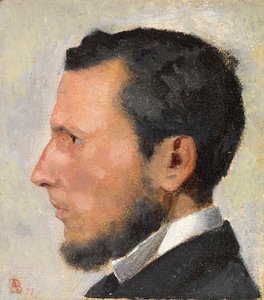
Paul Albert Besnard
1849 - 1934 , Franciaország
Érdekességek
- Artistic Movement Or Style: Impressionizmus
- Artists Or Movements Influenced By This Artist: ['Akadémikus festészet']
- Artists Who Influenced This Artist:
- Alexandre Cabanel
- Thomas Gainsborough
- Date Of Birth: Paris, Francia (1849)
- Date Of Death: 1934
- Full Name: Paul Albert Besnard
- Nationality: Francia
- Notable Artworks:
- Timophanes halála
- Békét az arbitrázzsal
- Madame Georges Rodenbach portréja
- Place Of Birth: Paris