Megtekintés
 Küldés
 Megosztás
 Részletek
 Útmutató

 Letöltés
 Hasonló darabok
 X-ray felvétel
 Diavetítés
 Kérdések és válaszok
 Statisztika
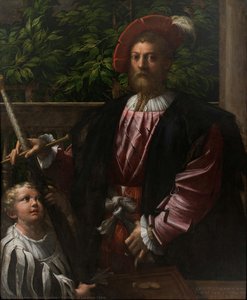
Venus Disarming Cupid

- 18.0 x 14.0 cm


 Összes részlet megjelenítése
Giclée / Műnyomat
Múzeumi minőségű giclée vagy vászonnyomat, gyors gyártással és rugalmas finomítási lehetőségekkel. ( Kézzel festett másolat rendelése Áttérés digitális képre)




P118B Ft10

P118H Ft10

P118W Ft10

P438Z Ft10

P508JH Ft12

P508YH Ft12

P805H Ft10

P805Z Ft10

P919BZ Ft10

P919G Ft10

P919XJ Ft10

P959ZH Ft10

P968JZ Ft12

W106C Ft8

W218G Ft10

W218JH Ft8

W218Y Ft10

W307PJ Ft10

W316G Ft10

W316PJ Ft8

W316Y Ft10

W398PJ Ft8

W4111J Ft10

W500HY Ft15

W500JH Ft15

W692G Ft12

W849H Ft8

W940BG Ft15

W953PJ Ft8




Válasszon előre meghatározott méreteink közül, amelyek megfelelnek a műalkotás eredeti arányainak.

Írja be a keretének vagy a falának megfelelő szélességet és magasságot. A nyomatot csak le lehet vágni, soha nem tehető nagyobbá, mint az eredeti kép, így egy eltérő alakú méretnél a kép egy része elveszik. Mielőtt bármit kinyatintanánk, küldünk egy digitális próbamodellt jóváhagyásra. Az oldalon látható kép nem tartalmazza a valós levágást — ezt csak a próbamodell mutatja meg.
Világszerte történő kiszállítás területére mindössze 2 hét alatt, a szokásos 4-5 hét helyett. (7 november)

Ingyenes globális expressz szállítás

Prémium minőségű len vászon

Teljes körű szállítási biztosítás

Vámvisszatérítési Garancia

Hiteles színarányosság garancia

100 napos visszaküldési lehetőség (csak hibás termékek esetén)

100% pénzvisszatérítési garancia

Több darab vásárlásakor kedvezmény
 Az üvegkeretes opció csak 110 cm alatti méretben érhető el

Venus Disarming Cupid
Giclée / Műnyomat
Reprodukció mérete
-


Összesített ár
Ft 26396
The Enigmatic Dance of Desire: Parmigianino’s Venus Disarming Cupid
Parmigianino's "Venus Disarming Cupid," a drawing executed between 1527 and 1530, isn’t merely a depiction of a mythological scene; it’s a profound meditation on love, power, and the very nature of desire. Created during his formative years in Florence and Rome, this work encapsulates the burgeoning Mannerist style – a deliberate departure from the idealized harmony of the High Renaissance, favoring instead an exquisite tension, a heightened drama, and a captivating sense of ambiguity. The sheet itself, a pale pink prepared paper reminiscent of a chiaroscuro woodcut, immediately establishes a mood of restrained elegance, hinting at the intricate layers of meaning concealed within the composition.
At its heart lies Venus, rendered with an almost unsettling sensuality. She’s not the serene goddess of classical sculpture; instead, she's caught in a moment of fierce, volatile emotion. Her pose – a masterful example of the *figura serpentinata*, that sinuous, twisting form so beloved by Mannerist artists – is both arresting and subtly unsettling. The exaggerated curve of her spine, the languid drape of her gown, all contribute to an image brimming with contained energy. Her hand, poised mid-gesture, holds the bow and arrow, a symbol of Cupid’s destructive power, yet she wields it not with aggression, but with a deliberate, almost playful control.
- The Myth Unveiled: The scene draws directly from Ovid's *Metamorphoses*, recounting the moment when Venus, wounded by Cupid’s arrow, retaliates by disarming her son. This isn’t a tale of simple maternal affection; it’s a complex narrative of reciprocal pain and fury – a testament to the consuming nature of love itself.
- A Study in Movement: Parmigianino meticulously explored various poses for Venus's arm, evident in the numerous preparatory sketches that accompanied this drawing. Each iteration reveals his painstaking process of achieving the perfect balance between dynamism and grace, capturing the fleeting quality of emotion.
- The Woodcutter’s Influence: The Budapest sheet’s origin is intriguing; it was likely intended for woodcuts, a technique favored by Parmigianino during his time working with Antonio da Trento. This suggests an awareness of the limitations of drawing as a medium and a desire to translate the image into a more widely accessible format.
Mannerist Sensibilities: A Departure from Tradition
“Venus Disarming Cupid” is a quintessential example of Mannerism’s distinctive aesthetic. Unlike the balanced compositions and harmonious colors of the High Renaissance, Parmigianino embraces distortion, exaggeration, and an unsettling sense of artificiality. The figures are elongated, their proportions subtly skewed, creating a visual tension that mirrors the emotional turmoil depicted. The use of pale pink as a dominant color further contributes to this atmosphere of restrained intensity – it’s not a vibrant, celebratory hue, but rather one imbued with a subtle melancholy.
This departure from classical ideals wasn't simply stylistic; it reflected a broader cultural shift. The Sack of Rome in 1527 had profoundly impacted the Italian Renaissance, shattering the confidence and stability that had characterized the era. Mannerism emerged as a response to this upheaval – a style characterized by uncertainty, anxiety, and a fascination with the grotesque. Parmigianino’s drawing embodies these anxieties, capturing the sense of disorientation and emotional instability that permeated the period.
Symbolic Layers: Beyond the Myth
Beyond its mythological narrative, “Venus Disarming Cupid” is rich in symbolic meaning. The bow and arrow represent not just Cupid's destructive power but also the vulnerability inherent in love – a force capable of inflicting both pleasure and pain. Venus’s act of disarming her son can be interpreted as a rejection of passive acceptance, a declaration of agency in the face of overwhelming emotion. The two Cupids flanking her are themselves symbolic: one appears subdued, perhaps representing the wounded innocence of youth, while the other seems to mirror Venus's defiant stance.
Furthermore, the drawing’s preparatory nature—the numerous sketches and studies—suggest a deeper exploration of the theme. It’s not simply a finished artwork but a testament to Parmigianino’s intellectual engagement with the subject matter, reflecting his meticulous approach to artistic creation.
A Legacy of Grace: Reproduction and Interpretation
Reproductions of “Venus Disarming Cupid” offer a remarkable opportunity to appreciate the nuances of Parmigianino's artistry. The delicate washes, the subtle gradations of tone, and the masterful rendering of form are all best appreciated through high-quality reproductions. This drawing remains a powerful testament to the enduring appeal of Mannerist art – a style that continues to captivate viewers with its exquisite beauty, unsettling intensity, and profound exploration of human emotion. It’s a work that invites contemplation, prompting us to consider the complexities of love, desire, and the ever-shifting boundaries between power and vulnerability.
Kérdések és válaszok
Mennyire fényes „Venus Disarming Cupid”, Parmigianino alkotása?
A „Venus Disarming Cupid”, Parmigianino alkotása alkotás Soft Shadow fényerőséggel rendelkezik. A fényerő azt mutatja meg, hogy a színek mennyire tűnnek visszafényesnek.
Milyen más neveken ismert Parmigianino?
Parmigianino más néven is ismert: Girolamo Francesco Maria Mazzola, Francesco Mazzola, Le Parmesan.
Mekkora a „Venus Disarming Cupid”, Parmigianino alkotása valóságos mérete?
A „Venus Disarming Cupid”, Parmigianino alkotása dokumentált méretei 18 x 14 cm. A reprodukciók más méretben is megrendelhetők, az eredeti arányok megtartásával.
A művész életrajza
A Raffinaság Művésze: Parmigianino Élete és Alakja
Girolamo Francesco Maria Mazzola, akit a történelem Parmigianino néven – „Parma kisfia” – jegyez, a reneszánsz aranykorából bukkant fel, ám hamarosan meghatározó alakává vált a virágzó manierizmusnak. 1503. január 11-én született Parmában, és az életét korai családi veszteségek is árnyalták; édesapja, Filippo Mazzola mindössze két évesen elhunyt. Unokái, Michele és Pier Ilario, akik maguk is szerény képességű művészek voltak, nevelteték a fiatal Parmigianinót, aki kezdeti művészeti tanulmányait családjában folytatta. Ez az alap azonban csupán lendületet adott egy kivételes tehetségnek, amely hamarosan még mentorait is felülmúlja. Mindössze tizennyolc éves korában már elvégezhette a Bardi oltárképet, mely olyan érettséget és kifinomultságot mutatott, ami messze túlmutatott az évein, jelezve ezzel egy igazán kiemelkedő művész születését.Firenze, Róma és a Manierista Víziónak Formálódása
Parmigianino művészi útja 1524 körül Firenzébe vezetett, ahol elsajátította Raffaello és Leonardo da Vinci mestereinek hatását, ugyanakkor hamarosan saját, egyedi útját kezdte járni. Három festményt is ajándékba adott VII. Kelemen pápának, többek között egy lenyűgöző önarcképet domború tükörben – ami a művészi képességeinek és növekvő önbizalomnak a bizonyítéka volt. Ez megszervezte neki megbízásokat Rómában, de a város művészeti tája hamarosan a 1527-es fosztogatás miatt megváltozott. Kénytelen volt menedéket keresni Bolognában, ahol az egyik leghíresebb alkotását, a *Szent Család* festményét készítette. Éppen ebben az időszakban kristályosodott ki igazán a védjegyjelző stílusa: a hosszúkás formák, a kecses pózok és a finom sensualitás váltak művészete jellegzetes elemeivé. Nem csupán a valóságot ábrázolta; egy elegancia és idealizált szépség lencséjén keresztül újraképzelte azt. Ez a távolodás a reneszánsz hangsúlyozott naturalizmusától kulcsfontosságú innovátorként helyezte őt a manierizmus művészeti mozgalmának élére, amely mesterséges, kifinomult és klasszikus formák szándékos torzulását jelentette.Elnyúlás és Elegancia Mesterművei
Parmigianino öröksége viszonylag kis, de rendkívül befolyásos alkotások során pihen. A *Hosszú nyakú Madonna* (1535 körül) talán a legikonikusabb remekműve maradt. Késleltető és mégis lenyűgöző kompozíciója, hosszú nyakú és végtagú alakokkal, megkérdőjelezi a szépség és az arány hagyományos fogalmait. Ez a szándékos torzulás nem csupán stílusa; egyfajta lelki vágyat és világi édességet sugároz. Hasonlóképpen a *Szent Jeromos Látomása* (1527), amelyet római tartózkodása során készített, mesteri szinten mutatja be az anatómiai ismereteket és a perspektívát, miközben emeli ki a manierizmus drámai kompozícióira és érzelmi intenzitására való hajlamát. Ezek a híres festmények mellett Parmigianino rajzai is rendkívüli szintű képességet és érzékenységet mutatnak. Az alakok, a drapériák és az építészeti elemek tanulmányai aprólékos figyelmet szentelnek a részletekre és mély megértést mutatnak a formáról. Még kevésbé ismert munkái is, mint például a *Nyílázó Amor*, ugyanazt a finom érzékenységet és művészi virtuozitást tükrözik, amelyek meghatározzák az egész életművét.Egy Megszakított Örökség: Parmigianino Utolsó Évei
Tragikus módon Parmigianino ígéretes karrierje korán véget ért 1540-ben Casalmaggioreban, mindössze harminchat évesen. A halálának körülményei továbbra is valamilyen mértékig rejtélyesek; egyes beszámolók szerint láz következtében halt meg, míg mások egy elesés szövődményeire utalnak. Bár rövid élete volt, Parmigianino maradandó nyomot hagyott az olasz reneszánsz művészetén. Ő az egyik legfontosabb képviselője a manierizmusnak, stílusával és formák és kompozíciók innovatív megközelítésével generációk művészeit befolyásolva. Munkái ma is lenyűgözik a nézőket, betekintést nyújtva egy olyan világba, ahol a szépséget nem csupán megfigyelik, hanem aktívan teremtik – ami a művészi látáskép tartós erejének bizonyítéka. A Parma és Fontanellato városokban félbehagyott freskói szomorú emlékeztetők arra, mi is lehetett volna, de még hiányos állapotukban is felfedik egy mester ragyogását, akinek öröksége évszázadokon át rezonál.
Parmigianino
1503 - 1540 , Olaszország
Rövid információk
- Halálozási Dátum: 1540
- Jelentős Művek:
- Hosszú nyakú Madonna
- Szent Jeromos látomása
- Önképítés tükörben
- Szentháromság
- A megkeresztelés
- Művészek, Akik Hatottak Rá:
- Correggio
- Raphael
- Művészek/Mozgások, Amelyeket Befolyásolt: ['Olasz reneszánsz']
- Művészeti Irányzat: Manierizmus
- Nemzetiség: Olasz
- Születési Dátum: 1503. január 11.
- Születési Hely: Parma, Olaszország
- Teljes Név: Girolamo Francesco Maria Mazzola
Kapcsolódó cikkek
A manierizmus 10 mesterműve: A reneszánsz kifinomultsága a művészetben | OriginalUniqueArt
Fedezze fel a manierizmus 10 legikonikusabb mesterművét! Pontormo, Bronzino és El Greco alkotásai elmesélik a reneszánsz kifinomultságát. Múzeumi minőségű művészeti reprodukciók otthonába – OriginalUniqueArt.com.

Mannerism: Bridging Renaissance Harmony & Baroque Drama – A Study of Style & Affectation
Explore the fascinating world of Mannerism! Discover its key characteristics, pioneering artists like Pontormo & Bronzino, and its pivotal role in bridging Renaissance harmony to Baroque drama. A comprehensive guide for art enthusiasts.

Mastering the Line: A Comprehensive Expert Guide to Technical Precision and Expressive Depth in Drawing
Elevate your artistic practice with this expert guide to mastering the line. Discover advanced techniques in graphite, charcoal, and contour drawing designed for art students seeking technical precision and expressive depth in their fine art studies.
The Nuances of Graphite: Exploring Emotional Depth & Technical Mastery in Pencil Drawing
Explore the captivating world of graphite drawing! Discover its rich history, master essential techniques like chiaroscuro, and learn how artists evoke emotion through this timeless medium. Expert insights for art enthusiasts.

Botticelli Mesterművek: A 25 Leglenyűgözőbb Kép a Reneszánsz Gyöngyszemeiből | OriginalUniqueArt
Fedezze fel Sandro Botticelli 25 legpazarabb műalkotását! Merüljön el a reneszánsz festészet világában, ismerje meg a Primavera és Vénusz születése történetét. Museum-minőségű reprodukciók és inspiráló dekorációs ötletek a OriginalUniqueArt.com oldalon.