

 Előnézet
 Megosztás
 Megosztás
 Részletek
 Útmutató

 Letöltés
 Hasonló darabok
 X-ray felvétel
 Diavetítés
 Statisztika
Perspective Study
 Acrylic On Canvas
- WallArt
- Renaissance
 1430
1430- Renaissance
 290.0 x 241.0 cm
 Uffizi Képtár
 Tovább olvasom
Giclée / Műnyomat
Múzeumi minőségű giclée vagy vászonnyomat, gyors gyártással és rugalmas finomítási lehetőségekkel. ( Kézzel festett másolat vásárlása Áttérés digitális képre)




P118B Ft10

P118H Ft10

P118W Ft10

P438Z Ft10

P508JH Ft12

P508YH Ft12

P805H Ft10

P805Z Ft10

P919BZ Ft10

P919G Ft10

P919XJ Ft10

P959ZH Ft10

P968JZ Ft12

W106C Ft8

W218G Ft10

W218JH Ft8

W218Y Ft10

W307PJ Ft10

W316G Ft10

W316PJ Ft8

W316Y Ft10

W398PJ Ft8

W4111J Ft10

W500HY Ft15

W500JH Ft15

W692G Ft12

W849H Ft8

W940BG Ft15

W953PJ Ft8




Válasszon előre meghatározott méreteink közül, amelyek megfelelnek a műalkotás eredeti arányainak.

Írja be a keretének vagy a falának megfelelő szélességet és magasságot. A nyomatot csak le lehet vágni, soha nem tehető nagyobbá, mint az eredeti kép, így egy eltérő alakú méretnél a kép egy része elveszik. Mielőtt bármit kinyatintanánk, küldünk egy digitális próbamodellt jóváhagyásra. Az oldalon látható kép nem tartalmazza a valós levágást — ezt csak a próbamodell mutatja meg.
Világszerte történő kiszállítás területére mindössze 2 hét alatt, a szokásos 4-5 hét helyett. (15 október)

Ingyenes globális expressz szállítás

Prémium minőségű len vászon

Teljes körű szállítási biztosítás

Vámvisszatérítési Garancia

Tökéletes színarányosság garancia

100 napos visszaküldési garancia (csak gyártási hibás termékek esetén)

100% pénzvisszatérítési garancia

Több darab vásárlásakor kedvezmény
 Az üvegkeretes opció csak 110 cm alatti méretben érhető el

Perspective Study
Giclée / Műnyomat
Reprodukció méretei
-


Összesített ár
Ft 25374
A Renaissance Masterclass in Perspective: Paolo Uccello’s “Perspective Study”
Created around 1430, this monumental drawing – measuring an impressive 290 x 241 cm – is not merely a study; it's a testament to Paolo Uccello’s groundbreaking obsession with perspective and geometric form. This work offers a rare glimpse into the artistic process of one of the Renaissance’s most innovative thinkers.Deconstructing the Form
The artwork presents a complex, abstract composition dominated by intricately layered lines. While seemingly devoid of representational subject matter, the structure evokes a stylized vase or urn – a vessel rendered not through observation, but through mathematical calculation. The density of overlapping circles and curves creates a captivating visual texture, almost etched into the surface. It’s an exploration of form for form's sake, prioritizing intellectual rigor over naturalistic depiction.Technique & Materials
Uccello masterfully employs hatching and cross-hatching to build tonal variations within the monochrome palette. The diminishing line weights skillfully suggest depth and recession, demonstrating a profound understanding of linear perspective. The precision and meticulousness evident in every line point towards its function as a preparatory study – a working diagram for larger compositions. Though executed with seemingly simple materials, the effect is one of controlled chaos, a complex arrangement that nonetheless conveys a clear geometric structure.Historical Context: The Birth of Perspective
Paolo Uccello (1397-1475) was at the forefront of artistic innovation during the Early Renaissance. Apprenticed to Lorenzo Ghiberti, he became captivated by the possibilities of representing three-dimensional space on a two-dimensional surface. Vasari famously recounts Uccello’s nocturnal studies dedicated to unraveling the secrets of perspective. This “Perspective Study” exemplifies that dedication, existing alongside his more famous narrative paintings like *The Battle of San Romano*, where he similarly employed and refined these techniques. It's a crucial piece in understanding the development of Renaissance art.Symbolism & Interpretation
While abstract, the work’s symbolism lies in its demonstration of mathematical principles and artistic skill. The geometric forms can be interpreted as representing the underlying order of the universe – a concept deeply rooted in Renaissance humanist thought. The very act of meticulously constructing this perspective study reflects the era's fascination with reason, proportion, and harmony. It’s not about *what* is depicted, but *how* it is depicted.Emotional Impact & Interior Design
This drawing evokes a sense of intellectual curiosity and quiet contemplation. Its monochrome palette and precise lines lend themselves to a sophisticated aesthetic. In an interior design context, a high-quality reproduction would serve as a striking focal point in a study, library, or modern living space. The artwork’s abstract nature allows it to complement a variety of styles – from minimalist to eclectic – adding a touch of Renaissance elegance and intellectual depth.- Ideal for: Art collectors, interior designers, architecture enthusiasts, those seeking intellectually stimulating art.
- Style: Early Renaissance, Geometric Abstraction, Technical Illustration
- Keywords: Perspective, Geometry, Renaissance, Uccello, Drawing, Study, Abstract, Monochrome, Italian Art
Gyakran Ismételt Kérdések
Mikor készült a(z) „Perspective Study”, Paolo Uccello alkotása?
A "Perspective Study" művészeti alkotás 1430-ból származik. A dátum Paolo Uccello pályájának és az adott korszaknak is meghatározó pontjaként szolgál.
Milyen stílusba tartozik a "Perspective Study"?
A „Perspective Study”, Paolo Uccello alkotása művészeti irányata a Renaissance. Ez a klasszifikáció a művet a kapcsolódó alkotók és alkotások közé sorolja.
Hogyan ötvölik a kontraszt és a harmónia a(z) "Perspective Study" alkotásban?
A "Perspective Study" alkotásban egy Gentle kontraszt párosul egy Unified Palette harmóniával.
A művész életrajza
A Florentini Reneszánsz Színpompás Színterében: Paolo Uccello Élete és Művészete
Paolo Uccello, vagy Paolo di Dono, 1397-ben született a pratócei hegyek árnyékában, nem messze Firentéből. A neve, “Uccello” – madár – már a születésénél sejthető volt a művész lelkeskedése a madarak iránt, de azt is sugallja, hogy az agya mélyen belemerült a kor felívelő gondolataiba. Ő nem csupán festő volt; egyúttal úttörő, egy vászonra vett matematikus, aki szorgalmazta a látványtér titkainak megfejtését és ezeket a titkokat lenyűgöző műveletekbe öntötte. Apja, Dono di Paolo, egyszerre volt borbély és sebész, anyja pedig Antonia di Giovanni del Beccuto, egy firenzei nemesi családba tartozott – ez a származás talán mindkét gyermeke iránti praktikus érzéket és finom ízlést is kialakította. 1412-től 1416-ig Paolo élete első éveit Lorenzo Ghiberti műhelyében töltötte, ahol a nagyszerű bronzkupolák készítése volt a központ – ez a helyszín pedig elmélyítette Paolo gondolataiban a gótikus stílus vonzását, amely a díszes eleganciára és narratív világításra helyezte a hangsúlyt, ugyanakkor felkeltette benne azt az önszerű vágyat, hogy ezen a hagyományokon túl is jusson.A Perspektívák Kutatója: Egy Matematikai Eszmével Istálló Művész
Paolo művészi fejlődése nem csupán a technikás mesterség elsajátításáról szólt; az elméleti alapelvek iránti vágya vezérelte őt. Magára vett a matematikára, különösen a geometriára és a perspektívára, nem mint absztrakt tudományokat, hanem eszközökké, amelyek segítségével a valóságot pontosabban ábrázolhatja. Filippo Brunelleschi gyakran kapta a kreditet a lineáris perspektíva felfedezéséért, de Paolo Uccello volt az első, aki sziszegő módon alkalmazta azt a festészetben, aprólékosan számolt ki eltűnő pontokat és merülső vonalakat, hogy egy olyan mélységet teremjen meg, amely korábban nagyrészt hiányzott a művészetből. Ez nem csupán technikai precizitás volt; Paolo számára a perspektíva egyfajta narratív struktúra, ami a drámát fokozza és az alkotásokba egyfajta rendet és érleltséget helyez. Aztán, ahogy Giorgio Vasari írta, Paolo élete nagy részét a eltűnő pontok és a térrel való foglalkozásban töltötte, sőt, későbbi műveit is ezen alapuló elvek vezették.A Reneszánszi Színpaletta és a Dinamikus Harcok
Paolo Uccello stílusa egyedi volt, egyfajta gótikus elegancia és reneszánsz innováció keveréke. A *San Romano csatája* című három paneles sorozat a legismertebb alkotása, amely nem csupán egy háborús jelenetet ábrázol, hanem dinamikus kompozíciót, forgó alakokat, darabos páncélokat és merőleges nyilakat is tartalmaz – mindezt élénk színekben és aprólékosan számított perspektívával. A *Szűz Mária születése* pedig a lineáris perspektívával való kísérletezését mutatja be, egy mélységet teremtve a felszínben, amely korábban nem volt jellemző. Ugyanakkor a *Szent György és a sárkány* című alkotásban is feltűnően megjelenik Paolo vonzása az épületi részletekhez és a bonyolult kompozíciókhoz. Stílusa egyértelműen a következő jellemzőket hordozza:- Élénk színek és merész alkalmazásuk
- A lineáris perspektívák hangsúlyos használata
- Stilizált alakok és díszes mintázatok gótikus vonásokkal
- A geometriai formák és a térrel való kapcsolat iránti mély vágy
Kiemelkedő Művek és Hagyományok
Paolo Uccello oeuvre-je, bár viszonylag kicsi, egyedülálló stílusát mutatja be. A *San Romano csatája* című sorozat a legismertebb alkotása, amely dinamikus kompozíciót, forgó alakokat, darabos páncélokat és merőleges nyilakat tartalmaz – mindezt élénk színekben és aprólékosan számított perspektívával. A *Szűz Mária születése* pedig a lineáris perspektívával való kísérletezését mutatja be, egy mélységet teremtve a felszínben, amely korábban nem volt jellemző. Ugyanakkor a *Szent György és a sárkány* című alkotásban is feltűnően megjelenik Paolo vonzása az épületi részletekhez és a bonyolult kompozíciókhoz. A művész munkássága jelentős mértékben befolyásolta későbbi festők, mint például Piero della Francesca és Leonardo da Vinci munkáit. Paolo Uccello halott 1475-ben Firentében, és a városban temették el.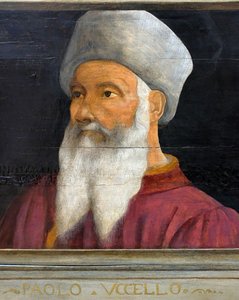
Paolo Uccello
1397 - 1475 , Olaszország
Gyors információk
- Artistic Movement Or Style: Korai reneszánszi
- Artists Or Movements Influenced By This Artist: ['Dürer']
- Artists Who Influenced This Artist:
- Ghiberti
- Donatello
- Date Of Birth: 1397
- Date Of Death: 1475
- Full Name: Paolo di Dono
- Nationality: Olasz
- Notable Artworks:
- San Romano harc
- Szűlő Szűlő
- Szent György
- Place Of Birth: Pratovecchio, Itália
Kapcsolódó cikkek

Monochrome Visions: Exploring the Aesthetic & Historical Significance of Black & White Photography
Explore the rich history & artistic power of black and white photography. From early techniques to iconic masters like Ansel Adams, discover why monochrome continues to captivate art lovers today. Expert insights for collectors.
Paolo Uccello: Pioneering Perspective & the Renaissance Pursuit of Visual Truth
Explore the revolutionary art of Paolo Uccello, a Florentine Renaissance master who pioneered perspective. Discover his iconic paintings like 'St. George & The Dragon' and learn about his lasting influence on art history.

Shadow & Soul: Why Black & White Photography Remains the Ultimate Power Move in Modern Art
Discover why black & white photography remains a powerful force in contemporary art. Explore the impact of light, shadow, and texture through a visual journey of monochrome mastery and learn how to elevate your space with timeless grayscale aesthetics.

A Fehér Szín Mesterei: 10 Híres Festmény, Amelyek Elvarázsolnak – OriginalUniqueArt.com
Fedezze fel a 10 legikonikusabb fehér tónusú festményt! Monet, Van Gogh és más mesterek alkotásainak története. Vászonképek, reprodukciók – inspiráció otthonába. OriginalUniqueArt.com: minőségi művészet online.

A Fekete Szín Mesterei: 10 Híres Festmény, Amelyek Elvarázsolnak – OriginalUniqueArt.com
Fedezze fel a 10 leghíresebb, fekete tónusú festményt! Rembrandt, Goya és Manet remekművei elvarázsolják. Művészettörténet, inspiráció otthonába – OriginalUniqueArt.com kínálatából. Fedezze fel a teljes gyűjteményt online!


