Text size

() ·

A painting made for you, by hand

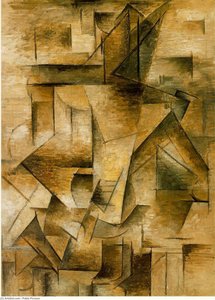
The absinthe drinker

Kézzel készített olajfestmény reprodukció

Kézzel festett olajvastú vászon, az Ön által választott méretben és keretben, művészeink készítik meglévőre. ( Váltás nyomtatványra Áttérés digitális képre)

A gyűjtemény leírása

Witness Picasso's revolutionary 'Absinthe Drinker' (1901). A surreal portrait capturing Parisian nightlife & artistic obsession, rendered in bold colors and a unique Cubist style.

A művész életrajza

Pablo Picasso (1881-1973) forradalmázó spanyol festő és szobrász, a kubizmus mediatartója és a különböző stílusok mestere volt. Az olyan ikonikus művek alkotójaként, mint a Guernica és az Avignon nők, öröksége ma is inspirál.

from ·

Chapter 1

How large should it be?

Slide to change the size; the picture on the left shows the frame at its real width. The proportions of the original are kept.

Standard méret
egyedi méretű
CM
INCH

Válasszon előre meghatározott méreteink közül, amelyek megfelelnek a műalkotás eredeti arányainak.

szélesség
magasság

Írja be a kívánt szélességet és magasságot, hogy illeszkedjen a keretéhez vagy a falához. Mivel ez kézzel festett alkotás, egy eltérő formájú méret esetén a művész akár festhet is valamivel többet a kép körül, vagy korolathat is belőle — az Ön döntésének megfelelően. A festés megkezdése előtt küldünk egy digitális tervezetet jóváhagyásra. Az oldalon látható kép nem tartalmazza a végeredményt — csak a tervezet mutatja meg a valódi eredményt.

Chapter 2

How should it arrive?

Choose the edges of the stretched canvas

Choose your frame

Corner sample of the WhiteWrap canvas edge finish, stretched on tömörfa bars
White Ft1
Corner sample of the BlurSideWrap canvas edge finish, stretched on tömörfa bars
Blurside Ft1
Corner sample of the ExtendedWrap canvas edge finish, stretched on tömörfa bars
Extended Ft1
Corner sample of the P118B picture frame: formázott polisztirol, 5 cm wide and 3 cm thick
P118B Ft10
Corner sample of the P118H picture frame: formázott polisztirol, 5 cm wide and 3 cm thick
P118H Ft10
Corner sample of the P118W picture frame: formázott polisztirol, 5 cm wide and 3 cm thick
P118W Ft10
Corner sample of the P438Z picture frame: formázott polisztirol, 5.5 cm wide and 3.5 cm thick
P438Z Ft10
Corner sample of the P508JH picture frame: formázott polisztirol, 7 cm wide and 3.5 cm thick
P508JH Ft12
Corner sample of the P508YH picture frame: formázott polisztirol, 7 cm wide and 3.5 cm thick
P508YH Ft12
Corner sample of the P805H picture frame: formázott polisztirol, 5 cm wide and 3.5 cm thick
P805H Ft10
Corner sample of the P805Z picture frame: formázott polisztirol, 5 cm wide and 3.5 cm thick
P805Z Ft10
Corner sample of the P919BZ picture frame: formázott polisztirol, 7 cm wide and 3.5 cm thick
P919BZ Ft10
Corner sample of the P919G picture frame: formázott polisztirol, 7 cm wide and 3.5 cm thick
P919G Ft10
Corner sample of the P919XJ picture frame: formázott polisztirol, 7 cm wide and 3.5 cm thick
P919XJ Ft10
Corner sample of the P959ZH picture frame: formázott polisztirol, 5 cm wide and 3 cm thick
P959ZH Ft10
Corner sample of the P968JZ picture frame: formázott polisztirol, 6 cm wide and 4 cm thick
P968JZ Ft12
Corner sample of the W106C picture frame: tömörfa, 5 cm wide and 3 cm thick
W106C Ft8
Corner sample of the W218G picture frame: tömörfa, 5 cm wide and 3 cm thick
W218G Ft10
Corner sample of the W218JH picture frame: tömörfa, 5 cm wide and 3 cm thick
W218JH Ft8
Corner sample of the W218Y picture frame: tömörfa, 5 cm wide and 3 cm thick
W218Y Ft10
Corner sample of the W307PJ picture frame: tömörfa, 6 cm wide and 3 cm thick
W307PJ Ft10
Corner sample of the W316G picture frame: tömörfa, 6 cm wide and 3 cm thick
W316G Ft10
Corner sample of the W316PJ picture frame: tömörfa, 6 cm wide and 3 cm thick
W316PJ Ft8
Corner sample of the W316Y picture frame: tömörfa, 6 cm wide and 3 cm thick
W316Y Ft10
Corner sample of the W398PJ picture frame: tömörfa, 5 cm wide and 3 cm thick
W398PJ Ft8
Corner sample of the W4111J picture frame: tömörfa, 6.5 cm wide and 3.5 cm thick
W4111J Ft10
Corner sample of the W500HY picture frame: tömörfa, 7 cm wide and 5 cm thick
W500HY Ft15
Corner sample of the W500JH picture frame: tömörfa, 7 cm wide and 5 cm thick
W500JH Ft15
Corner sample of the W692G picture frame: tömörfa, 8 cm wide and 4 cm thick
W692G Ft12
Corner sample of the W849H picture frame: tömörfa, 5 cm wide and 3 cm thick
W849H Ft8
Corner sample of the W940BG picture frame: tömörfa, 7.5 cm wide and 4.5 cm thick
W940BG Ft15
Corner sample of the W953PJ picture frame: tömörfa, 6 cm wide and 3.5 cm thick
W953PJ Ft8
Corner sample of the H24-GOLD picture frame: faragott fa gesszóval, 10 cm wide and 6 cm thick
H24-GOLD Ft30
Corner sample of the H24-SILVER picture frame: faragott fa gesszóval, 10 cm wide and 6 cm thick
H24-SILVER Ft30
Corner sample of the H36-GOLD picture frame: faragott fa gesszóval, 15 cm wide and 6.5 cm thick
H36-GOLD Ft45
Corner sample of the H36-SILVER picture frame: faragott fa gesszóval, 15 cm wide and 6.5 cm thick
H36-SILVER Ft45

Moulding: . Overall size with the frame: .

Chapter 3

Who paints it, and should anything change?

Examples of what can be changed: Replace face with customer photo; Add pet (e.g., replace cat with dog); Include hidden message in background; Change background landscape or elements.
After order, OriginalUniqueArt.com team will email client for instructions and provide a mockup preview

Világszerte elérhető szállítás () 3-4 hét alatt a szokásos 5 hét helyett. (1 november). A minőség nem kérdőjelezhető.

Chapter 4

The finishing touches

A nameplate, as in a museum?

A gravírozott bronztábla részletei

This elegant plaque features the artist's name and the title of the artwork, finely engraved for a timeless presentation.

It is made from bronze with a refined, elegant finish. The text is precisely laser-engraved for a sharp and permanent result. Measuring 9x2 cm, the plaque is compact yet easy to read. It's built to be durable and scratch-resistant, offering a professional, museum-quality look. Mounting is simple thanks to the included adhesive backing.

Átlátszó akril tábla részletei

The plaque includes essential engraved details such as the artist's name, the title of the artwork, the date it was created, the type of media used-like oil on canvas or watercolor-a brief description of the piece, and a QR code that links to the complete artwork information.

It is crafted from clear acrylic, offering a sleek, modern appearance. The text is UV-engraved in black to ensure strong visual contrast. With a size of 10x15 cm, it ensures optimal readability. It comes equipped with two metal hooks for secure wall mounting. The plaque is designed to be weather-resistant, making it suitable for various environments, and it includes interactive features that work seamlessly with smartphone scanning.

Fekete akril tábla részletei

This elegant plaque includes engraved information such as the artist's name, the title of the artwork, the date it was created, the type of media used (like oil on canvas or watercolor), a short description of the artwork, and a QR code for quick access to more information.

The plaque itself is made from refined black acrylic with a premium finish. The text is laser-engraved in white for high contrast and readability. Its size is 10x15 cm, designed to be easy to read. It comes with two metal hooks for professional mounting. The design is sleek and fits any interior style. It is also weather-resistant and durable, with built-in digital integration for mobile compatibility.

A protective varnish?

When do you need it?

Chapter 5

Your painting, as you ordered it

The absinthe drinker

Reprodukciós technika

Reprodukció mérete

-

Kiváló mesterművész

Nagyobb részletesség, finomság és bővített gyártási idő

-

Reprodukció keretezése

-

-

A bármely oldalsó méretét túlszálaló 105 cm (kb. 41 hüvelyk) meghaladó műalkotások vagy reprodukciók esetében a keret összeszerelhető készletként, szétszerelve kerül szállításra. Ez a módszer biztosítja a biztonságos szállítást, és megakadályozza a szállítás során fellépő sérüléseket.

Szakmész összeszerelést igényel – ez nem DIY (önösszeszerelhető) termék.
A készletet egy tapasztalt keretező szakembernek kell összeszerelnie és a vásznat feszítenie kell, fa ragasztó (nem tartalmazza a csomag), vásznfeszítő fogó és szorítók használatával, amelyek a ragasztó száradásáig a keretrészeket egymáshoz vuôngjba tartják. A helytelen összeszerelés vagy a nem egyenletes vásznfeszítés maradandó károsíthatja a műalkotást, és ez nem része a garanciánknak.

  • A készlet tartalmazza az összes tömörfa rudat, pontosan méretre vágva.

  • A mellékelt csavarokkal, valamint a sarokszerekhez szükséges faütő ragasztóval kell összeszerelnie (ez nem tartalmazható a csomagban), így a keretrendezőnek külön kell beszereznie.

  • A csomag nem tartalmazza a szükséges professzionális eszközöket: egy vászonfeszítőt és klipseket a rácsok vízszintes tartásához a ragasztó megszáradásáig.

Fontos:
A sarokcsatlakozásokhoz fánylagra van szükség, a keretrudakat szorítókapcsokkal kell rögzíteni, amíg a rag teljesen meg nem szárad, a kész keretre feszített vászonhoz pedig vászonfeszítő fogat szükséges. Ezek egyike sem található meg a készletben. Kérjük, rendelés előtt győződjön meg róla, hogy rendelkezik tapasztalt keretező szakemberrel.

Névtábla

-

-

Védőréteg (Lakk)

Fényes lakk (intenzívabb színek, védelem a fény és a nedvesség hatása ellen)

-

Műalkotásom egyedi igényre szabása

Példák a módosíthatóságra: az arc kicserélése az ügyfél fotójára; háziállat hozzáadása (pl. macska helyett kutya); rejtett üzenet elhelyezése a háttérben; a háttér tájainak vagy elemeinek megváltoztatása.

-

Sürgős

Világszerte szóló szállítás () mindössze 3-4 hét alatt, a szokásos 5 hét helyett. (1 november). A minőség nem kérdőjelezhető.

-

Express szállítás

Világszerte elérhető szállítás területre 5 héten belül. (8 november).

A szállítás díja tartalmazza

Összesített ár

Ft 98243

Összesített ár Ft 98243

Az üvegkeretes opció csak 110 cm alatti méretben érhető el

Included with every order

  • Ingyenes globális expressz szállítás
  • Prémium minőségű len vászon
  • Teljes körű szállítási biztosítás
  • Vámvisszatérítési Garancia
  • Hiteles színarányosság garancia
  • 100 napos visszaküldési lehetőség (csak hibás termékek esetén)
  • 100% pénzvisszatérítési garancia
  • Több darab vásárlásakor kedvezmény

A Glimpse into the Soul: Pablo Picasso’s “The Absinthe Drinker”

Pablo Picasso's "The Absinthe Drinker," painted in 1901, isn’t merely a portrait; it’s a distilled essence of early 20th-century Paris—a city simmering with artistic innovation and shadowed by social anxieties. This oil on canvas, now housed within the esteemed Museum Boijmans Van Beuningen in Rotterdam, offers a poignant window into the bohemian world of the time, a realm where absinthe held both allure and danger. The painting immediately draws the eye to its central figure: a woman seated at a table, bathed in a muted palette dominated by blues and browns—colors often associated with melancholy and introspection. She’s not conventionally beautiful; her features are somewhat distorted, almost dreamlike, reflecting the influence of Symbolism and the nascent explorations into the subconscious that would soon define Surrealism.

The scene is deceptively simple: a table, a wine glass, a cup, and a telephone. Yet, each element carries significant weight. The telephone, a relatively new invention at the time, symbolizes isolation and disconnection—a key theme of the era as individuals sought solace in fleeting pleasures amidst an increasingly impersonal world. The absinthe glass itself is prominent, its swirling green liquid hinting at the intoxicating effects of the drink, often associated with hallucinations and escapism. The woman’s hand, reaching towards the glass, suggests a desperate attempt to grasp something—perhaps oblivion, perhaps connection, perhaps simply a moment of respite from an unseen burden.

Cubist Beginnings and Surrealist Echoes

Picasso was at a pivotal point in his artistic development during the creation of “The Absinthe Drinker.” He was actively experimenting with techniques that would later coalesce into Cubism, a revolutionary style characterized by fragmented forms and multiple perspectives. While the painting isn’t strictly Cubist—it retains elements of traditional portraiture—it demonstrates Picasso's growing interest in deconstructing reality and presenting it from unconventional viewpoints. The flattened perspective, the slightly distorted features, and the overlapping planes all foreshadow his later explorations into geometric abstraction.

However, “The Absinthe Drinker” also possesses a distinctly Surrealist quality. Picasso was deeply influenced by Symbolism and its exploration of dreams, myths, and the irrational. The painting’s atmosphere is dreamlike, imbued with an unsettling sense of unease. It's as if we are peering into the mind of a troubled soul—a common motif in both Symbolist and early Surrealist art. The woman’s gaze, lost in thought, further contributes to this feeling of psychological depth.

A Reflection of Parisian Society

To understand “The Absinthe Drinker,” it's crucial to consider the social context of 1901 Paris. The city was a hotbed of artistic and intellectual ferment, but also a place of poverty, inequality, and disillusionment. Absinthe, a potent anise-flavored spirit, became increasingly popular among artists, writers, and intellectuals—a means of both inspiration and escape. Picasso’s painting captures this duality—the allure of the bohemian lifestyle juxtaposed with the underlying anxieties and vulnerabilities of its inhabitants.

The inclusion of the red sweater worn by the woman is a deliberate choice, adding a vibrant splash of color to the otherwise somber palette. It could be interpreted as a symbol of passion or defiance—a small act of rebellion against the prevailing mood of melancholy. Furthermore, the presence of the other figures in the background – a man standing near her and another further away - adds layers of narrative complexity, suggesting a social scene filled with unspoken interactions and hidden dramas.

Collecting the Essence: A OriginalUniqueArt Reproduction

OriginalUniqueArt offers meticulously crafted hand-painted reproductions of “The Absinthe Drinker,” allowing you to bring this iconic masterpiece into your home or office. Our skilled artists faithfully recreate Picasso’s unique style, capturing the painting's atmospheric depth and psychological intensity with remarkable precision. Whether you are an art enthusiast, a collector, or simply seeking a stunning piece of decorative art, our reproduction provides an authentic representation of this seminal work—a timeless portrait of Parisian melancholy and the complexities of the human spirit.

Kérdések és válaszok

Ki készítette a(t) "The absinthe drinker"-t, és melyik évben?

A "The absinthe drinker" alkotását Pablo Picasso készítette 1901 évben.

Mennyire erős a kontraszt a(z) „The absinthe drinker”, Pablo Picasso alkotása alkotásban?

A "The absinthe drinker" fény-sötét kontrasztja Erőteljes kontrasztú értéket mutat. A kontraszt azt írja le, mennyire térnek el egymástól a világos és sötét részek.

A dátum alapján The absinthe drinker Pablo Picasso pályájának melyik szakaszába tartozik?

A 1901 évszám a "The absinthe drinker" alkotást Pablo Picasso fejlődésének Early Period szakaszába helyezi.

More about this painting

Megtekintés AR előnézet Váltás nyomtatványra Áttérés digitális képre Küldés
Részletek Útmutató Kedvencekhez ad Letöltés Hasonló darabok X-ray felvétel Diavetítés Q&A Statisztika

In numbers

  • 1901the year it was painted
  • 29frames to choose from
  • standard sizes, in its own proportions
  • 5weeks to paint and deliver it

About the original

Pablo Picasso

Pablo Picasso

1881 - 1973, Spanyolország

Quick facts about Pablo Picasso

  • Artistic Movement Or Style: Kubizmus, szürrealizmus
  • Artists Or Movements Influenced By This Artist:
    • Kubizmus
    • Modern művészet
  • Artists Who Influenced This Artist:
    • Velázquez
    • Goya
    • Matisse
  • Date Of Birth: 1881. október 25.
  • Date Of Death: 1973. április 8.
  • Full Name: Pablo Diego José Ruiz Picasso
  • Nationality: Spanyol
  • Notable Artworks (List Of Titles):
    • Les Demoiselles d'Avignon
    • Guernica
    • The Old Guitarist
  • Place Of Birth (City And Country): Málaga, Spanyolország

A művész életrajza

Pablo Picasso élete és öröksége

Pablo Ruiz y Picasso, a művészeti forradalom szinonimája, 1881. október 25-én született Málagában, Spanyolországban. Már a születése is kreatív kifejezésre utalt; legenda szerint első kimondott szavai a “piz, piz” voltak, ami a ‘ceruza’ kísérlete volt. Ezt az eleintei hajlamot apja, José Ruiz y Blasco festő és művészpedagógus nevelte, aki alapvető képzést biztosított a fiatal Pablonak. Azonban a tanítvány hamar túl is nőtte a mestert, figyelemre méltó természetes ábrázolási képességet mutatva, ami a benne rejlő zsenialitásra utalt. A család későbbi költözései – először La Coruñába, majd Barcelonába – személyes tragédiákkal voltak tarkítva, nevezetesen nővére elvesztésével, melyek finoman szomorúság és halandóság témáit ültették Picasso későbbi munkáiba. Még a barcelonai Képzőművészeti Iskolában és a madridi Szent Ferdinánd Királyi Szépművészeti Akadémián töltött formális tanulmányok során is Picasso elutasította a szigorú akadémiai korlátokat, inkább Velázquez és Goya műveibe merült, saját útját törve a művészi innováció felé.

A kék korszaktól a rózsaszín árnyalatokig

A 20. század elején jelentek meg Picasso életművében két markáns időszak: a Kék korszak (kb. 1901-1904) és a Rózsaszín korszak (1904-1906). A Kék korszak személyes nehézségekből és a társadalmi szenvedés éles tudatából született, mélyen kék és kékeszöld árnyalatokban úszó festményekkel jellemezve. Ezek a művek társadalomból kiszorult alakokkal népesítettek be – koldusok, vakok, prostituáltak –, akik hátborzongató együttérzéssel ábrázolták az izoláció és kétségbeesés témáit. Az Élet (1903) és A régi gitáros (1903-1904) megrázó példái ennek a feltöltött szakaszának. Picasso személyes életének változása, Párizsba költözése hirdette meg a Rózsaszín korszak eljövetelét. A paletta jelentősen felmelegedett, rózsaszínekkel, narancssárgával és vörössel gazdagodott, tükrözve egy optimistánabb kilátást. Ebben az időszakban a cirkuszművészek – bohócok, akrobaták és családi társulatok – iránti érdeklődés bontakozott ki, olyan alakok, amelyek törékenységet és ellenállóképességet egyaránt megtestesítették. A Saltimbanques családja (1905) gyönyörűen foglalja össze ezt az átmenetet, utalva a következő stiláris felfedezésekre.

A perspektíva feltörése: A kubizmus és azon túl

Az 1907-es év mérföldkőnek számított a művészettörténetben Les Demoiselles d'Avignon létrehozásával. Ibériai szobrászat és afrikai maszkok hatására ez a forradalmi festmény megzavarta a hagyományos perspektíva és ábrázolás fogalmait. Ez egy radikális eltérés volt, a több száz éves konvenciók tudatos elutasítása, amely utat nyitott a kubizmus számára. Georges Braque-val szoros együttműködésben Picasso megalapította ezt a forradalmi mozgalmat, alapvetően megváltoztatva azt, ahogy az művészek érzékelték és ábrázolták a valóságot. Az Analitikus kubizmus (1909-1912) tárgyak geometrikus formákra bontását jelentette, tompított színekben ábrázolva, mintha magát a formát boncolná fel. Ez fejlődött tovább Szintetikus kubizmussá (1912-1919), amely kollázselemeket – újságpapírt, anyagdarabokat – épített be, textúrát és új vizuális rétegeket adva a képekhez. Picasso nem akarta egyszerűen ábrázolni a világot; meg akarta bontani és saját feltételei szerint újraépíteni.

Egy nyugtalan kísérletező: Neoklasszicizmus, szürrealizmus és háború

Az 1920-as években Picasso röviden neoklasszikus stílusokat is felfedezett, monumentális alakokat alkotva, amelyek klasszikus formákat visszhangzottak, miközben megőrizték egy markáns modern érzékenységet. Ugyanakkor bekapcsolódott a virágzó szürrealista mozgalomba, bár sosem azonosult teljesen elveivel. Ebben az időszakban munkái korábbi stiláris hatásokat ötvözték szürreális képekkel és torz perspektívával, demonstrálva fáradhatatlan kísérletező kedvét. A spanyol polgárháború borzalmai mélyen érintették Picassót, csúcspontja a Guernica (1937) létrehozása volt, egy nyers és érzelmileg pusztító válasz Guernica bombázására. Ez a monumentális mű a háború borzalmainak tartós szimbólumává vált, megerősítve Picasso szerepét nemcsak művészként, hanem a béke és a társadalmi igazságosság erőteljes hangjaként is. Az 1950-es és 60-as években továbbra is feszegette a határokat, kerámiát, szobrászatot és grafikát kutatva rendíthetetlen kíváncsisággal és ügyességgel. Jacqueline Roque-val való házassága 1961-ben új dimenziót hozott személyes életébe és művészi kifejezésébe.

Kimérhetetlen hatás

Pablo Picasso 1973. április 8-án halt meg Mougins-ban, Franciaországban, hátrahagyva egy lenyűgöző életművet – becslések szerint több mint 50 000 darabot –, amely továbbra is elbűvöli és inspirálja az embereket. Művészi fejlődését a spanyol mesterek, például Velázquez és Goya sokszínűsége, valamint az ibériai szobrászat, az afrikai művészet és Henri Matisse élénk színpalettája formálta. Hatása a 20. századi művészetre felmérhetetlen. Megalapította a kubizmust, úttörő szerepet játszott a kollázsban és a konstruált szobrászatban, következetesen kihívta ki a művészi konvenciókat. Picasso fáradhatatlan kísérletezése átformálta a modern művészetet, maradandó nyomot hagyva a művészek generációin és megerősítve pozícióját a történelem egyik legfontosabb és legbefolyásosabb alakjaként. Öröksége messze túlmutat a vásznon, számtalan aspektusában rezonál a kortárs kultúrában, emlékeztetve minket a művészi látókép átalakító erejére.