
 Előnézet
 Megosztás
 Megosztás
 Részletek
 Útmutató

 Letöltés
 Hasonló darabok
 X-ray felvétel
 Diavetítés
 Statisztika
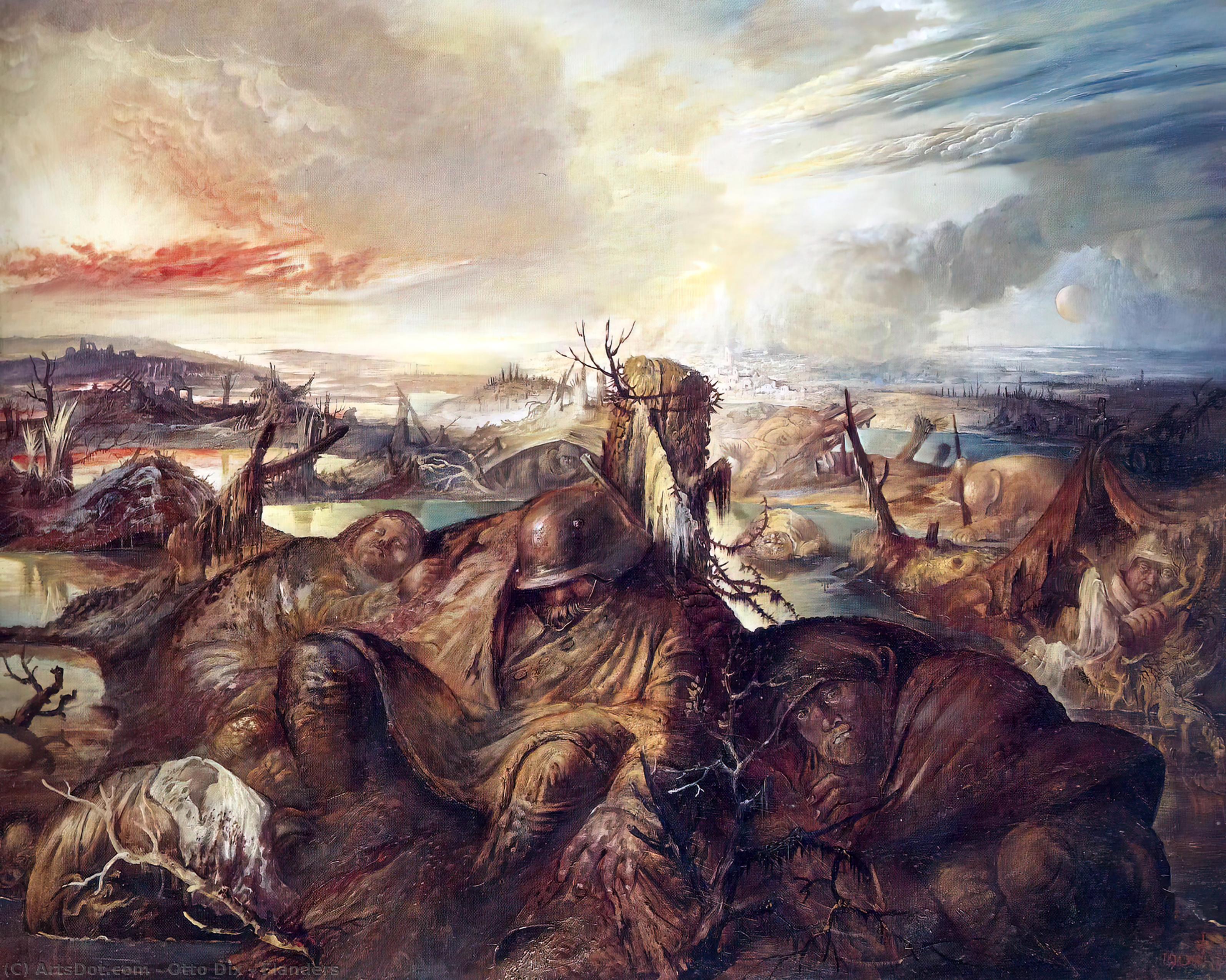
Flandria


 Tovább olvasom
Az ezen az oldalon megjelenített műalkotások szerzői jogi védelem alatt állnak, ami azt jelenti, hogy törvényileg nem készíthetünk és nem adhatunk el belőlük pontos másolatokat. Ez a védelem olyan nemzetközi megállapodások alapján érvényesül, mint például a Berni Egyezmény és a nemzeti törvények által, beleértve azokat is, amelyeket meghatározott Az USA szerzői jogi törvénye – 17. cím.
Ez a módszer teljes mértékben megfelel a szerzői jogi szabályozásnak, mivel nem tartalmazza a védett műalkotás másolását vagy duplikálását. Ehelyett ez egy kreatív újinterpretáció – egy új festmény, amely az eredetivel való összefüggései miatt hatással van rá, de nem az az.
Giclée / Műnyomat
Múzeumi minőségű giclée vagy vászonnyomat, gyors gyártással és rugalmas finomítási lehetőségekkel. ( Kézzel festett másolat vásárlása Áttérés digitális képre)




P118B Ft10

P118H Ft10

P118W Ft10

P438Z Ft10

P508JH Ft12

P508YH Ft12

P805H Ft10

P805Z Ft10

P919BZ Ft10

P919G Ft10

P919XJ Ft10

P959ZH Ft10

P968JZ Ft12

W106C Ft8

W218G Ft10

W218JH Ft8

W218Y Ft10

W307PJ Ft10

W316G Ft10

W316PJ Ft8

W316Y Ft10

W398PJ Ft8

W4111J Ft10

W500HY Ft15

W500JH Ft15

W692G Ft12

W849H Ft8

W940BG Ft15

W953PJ Ft8




Válasszon előre meghatározott méreteink közül, amelyek megfelelnek a műalkotás eredeti arányainak.

Írja be a keretének vagy a falának megfelelő szélességet és magasságot. A nyomatot csak le lehet vágni, soha nem tehető nagyobbá, mint az eredeti kép, így egy eltérő alakú méretnél a kép egy része elveszik. Mielőtt bármit kinyatintanánk, küldünk egy digitális próbamodellt jóváhagyásra. Az oldalon látható kép nem tartalmazza a valós levágást — ezt csak a próbamodell mutatja meg.
Világszerte történő kiszállítás területére mindössze 2 hét alatt, a szokásos 4-5 hét helyett. (24 október)

Ingyenes globális expressz szállítás

Prémium minőségű len vászon

Teljes körű szállítási biztosítás

Vámvisszatérítési Garancia

Tökéletes színarányosság garancia

100 napos visszaküldési garancia (csak gyártási hibás termékek esetén)

100% pénzvisszatérítési garancia

Több darab vásárlásakor kedvezmény
 Az üvegkeretes opció csak 110 cm alatti méretben érhető el

Flandria
Giclée / Műnyomat
Reprodukció méretei
-


Összesített ár
Ft 25605
A háború pusztításának erőteljes ábrázolása
Ez a kísérteties alkotás megörökíti egy posztapokaliptikus táj nyers káoszát és mély kétségbeesését, felidézve a háború brutális valóságát és az emberi szenvedélyt. A jelenet kiterjedt és zűrzavaros, romos építményekkel, elesett katonákkal és egy keserű, elszigetelt terepen szétszóródott csontmaradványokkal teli. A torzított és gyötrelmes alakok a konfliktus és a veszteség érzelmi súlyát testesítik meg. Lenyűgöző témáján keresztül a mű arra hívja a nézőt, hogy gondolkodjon a erőszak pusztító következményeire és az emberi szellem túlélőképességére a romok között.Egyedi stílus és technika
A realizmus és az expresszionizmus elemeit ötvözve a művész laza, kifező ecsetvonatokat és rétegzett textúrákat alkalmaz, hogy fokozza az érzelmi intenzitást. A sötét, visszafogott színpaletta – világosabb tónusok érintésével tarkítva – éles kontrasztot teremt, amely kiemeli a pusztítást, miközben finom ellenállás jeleit is sugallja. A gazdag textúrák és a rétegzett festékmunka mély, tapintható minőséget kölcsönöznek a műnek, elmerítve a nézőt a jelenet káoszába és kétségbeesésébe. A tágas perspektíva és az egymást kitöltő formák a tekintetet a hatalmas táj felé terelik, növelve a mélység és a nagyság érzetét.Történelmi kontextus és szimbolika
Bár a létrecreation pontos ideje ismeretlen, a mű mélyen rezonál a háború, a pusztítás és a társadalmi felfordulások témáival, amelyeket a 20. század eleje jellemezett. Visszhangozza az olyan művészek munkáiban ábrázolt brutális valóságokat, mint Otto Dix, akik törekedtek arra, hogy a nézőket a háború borzalmaival és annak következményeivel szembontsa. A szaggatott vonalak és a törött formák a káoszt és az erőszakot szimbolozzák, míg a csontmaradványok és a romos építmények a halandóság és az emberi élet törékenységének nyers emlékeiként szolgálnak. A diffúz, komoly fényviszonyok a gyász és a megfontoltság hangulatát hangsúlyozzák, arra invitálva a nézőt, hogy mérgelődjön a konfliktus örök cicatékain.Érzelmi hatás és művészeti jelentőség
Ez az alkotás több, mint egy vizuális ábrázolás; ez egy érzelmi utazás, amely szembeállítja a nézőt a háború és az emberi szenvedés kegyetlen igazsággal. Belsős képi világát és rétegzett technikája a kétségbeesés, a veszteség és az elmélkedés érzéseit kelti, erőteljes üzenetté téve a gyűjtők és belsőépítészek számára, akik hatásos, beszélgetést indító művészetet keresnek. Legyen szó egy galériáról, egy modern élettérről vagy egy kontemplatív környezetről, ez a munka mély vizuális élményt nyújt azoknak, akik értékelik a történelmi mélységgel és érzelmi rezonanciával rendelkező művészetet.Gyakran Ismételt Kérdések
Megrendelhető-e a "Flandria" olajfestmény másolata?
A „Flandria”, Otto Dix alkotása kézzel festett másolataival a ez a weboldal oldalon találkozhat, kézzel festett olajfesték reprodukció lino vászonon formában, melyet a(z) Kézzel festett másolat oldalon lehet megrendelni.
Mely művészeti irányba és mely korszakba sorolható a „Flandria”, Otto Dix alkotása?
A „Flandria” a Neue Sachlichkeit irányzat alkotása, készítője pedig a Modern kor korszakban tevékenykedett.
Hová sorolható a "Flandria" Otto Dix életművében?
A "Flandria" Otto Dix Neue Sachlichkeit korszakának alkotása, melynek témakörében war trauma, expressionist style, social critique, dix legacy is feltűlik.
A művész életrajza
Early Life and the Shadow of War
Wilhelm Heinrich Otto Dix, born in 1891 in Untermhaus, Germany, emerged from a world steeped in industrial labor and quiet artistic yearning. His father, Franz Dix, was an iron foundry worker, while his mother, Louise Dix, nurtured a poetic spirit, creating a domestic landscape that subtly fostered young Otto’s creative inclinations. Crucially, it was the influence of his cousin, the painter Fritz Amann, that truly ignited Dix's ambition. Hours spent in Amann’s studio weren’t merely lessons in technique; they were an immersion into a world where artistic expression held tangible power. This early exposure led to an apprenticeship with Carl Senff and subsequent studies at the Kunstgewerbeschule in Dresden, though initially focused on applied arts rather than fine painting. However, it was the cataclysm of World War I that irrevocably shaped Dix’s artistic trajectory. Volunteering for service, he experienced the brutal realities of trench warfare firsthand, a trauma that would haunt his work for decades to come. The horrors witnessed during battles like the Somme and in Flanders left an indelible mark, transforming him from a promising landscape painter into a chronicler of human suffering and societal decay.The Weimar Republic and Neue Sachlichkeit
Returning from the war profoundly changed Dix; he channeled his experiences into unflinching depictions of its aftermath. His early post-war work reflected Expressionist tendencies, characterized by distorted forms and intense emotionality. However, he soon gravitated towards a new aesthetic—*Neue Sachlichkeit*, or New Objectivity. This movement rejected emotional abstraction in favor of stark realism and critical social commentary. Dix became one of its leading figures alongside George Grosz and Max Beckmann. Paintings like *The Trench* (1923) caused public outrage with their graphic portrayal of dismembered bodies, forcing museums to hide the work from view. This wasn’t merely shock value; it was a deliberate attempt to confront viewers with the brutal truth of war, stripping away any romanticized notions of heroism or glory. He didn't shy away from depicting the physical and psychological wounds inflicted upon soldiers, nor did he ignore the societal indifference towards their plight. His series of paintings *War Cripples* further underscored this theme, portraying veterans marginalized and forgotten by a society eager to move on. Beyond war, Dix turned his gaze toward the excesses and moral bankruptcy of Weimar Germany. *Metropolis* (1928) is a scathing indictment of urban life, filled with scenes of debauchery, prostitution, and social alienation. His portraits from this period are equally unflinching, capturing the cynicism and decadence of the era’s elite. The influence of artists like Lucas Cranach and Albrecht Dürer became evident in his later works, demonstrating a deliberate return to classical techniques while maintaining his critical perspective.Political Turmoil and Later Years
As Germany descended into political turmoil in the 1930s, Dix found himself increasingly targeted by the Nazi regime. His art was deemed “degenerate,” and he was dismissed from his teaching position at the Dresden Academy of Fine Arts in 1933. Facing persecution and censorship, Dix gradually shifted away from overtly political themes, turning instead to landscapes and religious subjects—a strategic move for self-preservation. However, even these later works retained a sense of underlying tension and unease. During World War II, he was conscripted into the German army once more, an experience that further solidified his anti-war stance. Despite the dangers, Dix continued to paint, producing works reflecting both his personal struggles and the broader anxieties of the time. He maintained a quiet resistance through his art, subtly undermining the propaganda of the Nazi regime with his unflinching depictions of reality.Legacy and Artistic Impact
Otto Dix’s artistic legacy is multifaceted and enduring. He remains one of the most important German painters of the 20th century, renowned for his uncompromising realism, scathing social critique, and unflinching portrayal of human suffering. His influence can be seen in the work of subsequent generations of artists who have sought to confront difficult truths and challenge societal norms. Dix’s ability to blend technical skill with emotional intensity sets him apart; he wasn't simply documenting reality, but interpreting it through a lens of profound empathy and moral outrage. His exploration of themes such as war, trauma, social injustice, and the human condition continues to resonate with audiences today. He demonstrated that art could be both aesthetically powerful and politically engaged, serving as a potent force for social change. Dix’s work serves as a stark reminder of the horrors of war and the fragility of human existence—a testament to his courage, vision, and enduring commitment to truth. His paintings are featured in major museums worldwide, including the Museum of Modern Art in New York and the Suermondt-Ludwig-Museum in Germany. His etchings, particularly *The War*, are considered masterpieces of graphic art. Otto Dix remains a pivotal figure in understanding the artistic and social landscape of Weimar Germany.
Otto Dix
1891 - 1969 , Németország
Gyors információk
- Artistic Movement Or Style: Neue Sachlichkeit
- Artists Or Movements Influenced By This Artist: ['George Grosz']
- Date Of Birth: December 2, 1891
- Date Of Death: July 25, 1969
- Full Name: Wilhelm Heinrich Otto Dix
- Nationality: Német
- Notable Artworks:
- A Bástya
- Metropolis
- Töröttek katonák
- Place Of Birth: Untermhaus, Németország
Kapcsolódó cikkek

Echoes of Trauma & Hope: Representing Transformation in Artworks of 1918
Explore the profound artistic responses to World War I's trauma & hope. Discover Expressionist masterpieces by Bacon, de Kooning & more. Expert insights for collectors & art enthusiasts at OriginalUniqueArt.
Henry Wolf: A Legacy of Abstract Expressionism & Emotional Resonance in Post-War Art
Explore the profound legacy of Henry Wolf, a pivotal figure in Abstract Expressionism and post-war visual culture. Discover his impact on graphic design, photography, and art collecting with OriginalUniqueArt.

William Owen: A Poetic Vision of War & Landscape in British Modernism
Explore the poignant war poetry of Wilfred Owen, a key figure in British Modernism. Discover his innovative style, themes of loss & camaraderie, and lasting impact on 20th-century literature. Analysis & historical context included.

Otto Dix: Trauma, Society & Artistic Rebellion in Weimar Germany
Explore the powerful and unsettling art of Otto Dix, a key figure of Neue Sachlichkeit. Discover his unflinching depictions of Weimar Germany's trauma, society, and war through insightful analysis & iconic masterpieces.
Lech Jankowski: Polish Abstraction & the Materiality of Post-War Identity
Explore the compelling work of Lech Jankowski, a leading figure in Polish post-war abstraction. Discover his unique exploration of materiality, identity, and surreal landscapes – a valuable addition to any discerning art collection.


