

 Előnézet
 Megosztás
 Megosztás
 Részletek
 Útmutató

 Letöltés
 Hasonló darabok
 X-ray felvétel
 Diavetítés
 Statisztika
Double Portrait


 Tovább olvasom
Az ezen az oldalon megjelenített műalkotások szerzői jogi védelem alatt állnak, ami azt jelenti, hogy törvényileg nem készíthetünk és nem adhatunk el belőlük pontos másolatokat. Ez a védelem olyan nemzetközi megállapodások alapján érvényesül, mint például a Berni Egyezmény és a nemzeti törvények által, beleértve azokat is, amelyeket meghatározott Az USA szerzői jogi törvénye – 17. cím.
Ez a módszer teljes mértékben megfelel a szerzői jogi szabályozásnak, mivel nem tartalmazza a védett műalkotás másolását vagy duplikálását. Ehelyett ez egy kreatív újinterpretáció – egy új festmény, amely az eredetivel való összefüggései miatt hatással van rá, de nem az az.
Giclée / Műnyomat
Múzeumi minőségű giclée vagy vászonnyomat, gyors gyártással és rugalmas finomítási lehetőségekkel. ( Kézzel festett másolat vásárlása Áttérés digitális képre)




P118B Ft10

P118H Ft10

P118W Ft10

P438Z Ft10

P508JH Ft12

P508YH Ft12

P805H Ft10

P805Z Ft10

P919BZ Ft10

P919G Ft10

P919XJ Ft10

P959ZH Ft10

P968JZ Ft12

W106C Ft8

W218G Ft10

W218JH Ft8

W218Y Ft10

W307PJ Ft10

W316G Ft10

W316PJ Ft8

W316Y Ft10

W398PJ Ft8

W4111J Ft10

W500HY Ft15

W500JH Ft15

W692G Ft12

W849H Ft8

W940BG Ft15

W953PJ Ft8




Válasszon előre meghatározott méreteink közül, amelyek megfelelnek a műalkotás eredeti arányainak.

Megadhat saját méreteket is egy konkrét kerethez vagy helyszínhez igazítva. Amennyiben a kiválasztott méret nem egyezik az eredeti kép arányokkal, a műalkotást le fogjuk vágni, vagy kiegészítjük a képet tükrözött vagy egyszínű szélekkel. A gyártás megkezdése előtt egy digitális tervezetet küldünk jóváhagyásra.
Kérjük, vegye figyelembe, hogy a képernyőn látható előnézet nem tükrözi a tényleges levágást vagy kiegészítést. Csak a tervezet mutatja pontosan a végső kompozíciót.
Bár az egyedi méretek is elérhetőek, az eredeti arányok megőrzése érdekében azt javasoljuk, hogy válasszon a előre meghatározott listából származó méretet.
Világszerte történő kiszállítás területére mindössze 2 hét alatt, a szokásos 4-5 hét helyett. (11 október)

Ingyenes globális expressz szállítás

Prémium minőségű len vászon

Teljes körű szállítási biztosítás

Vámvisszatérítési Garancia

Tökéletes színarányosság garancia

100 napos visszaküldési garancia (csak gyártási hibás termékek esetén)

100% pénzvisszatérítési garancia

Több darab vásárlásakor kedvezmény
 Az üvegkeretes opció csak 110 cm alatti méretben érhető el

Double Portrait
Giclée / Műnyomat
Reprodukció méretei
-


Összesített ár
Ft 25082
Double Portrait by Oskar Kokoschka: A Window into the Soul
Oskar Kokoschka’s “Double Portrait” is more than just a depiction of two individuals; it's a raw, visceral exploration of human emotion and psychological tension. Completed in 1913, this seminal work embodies the very heart of Expressionism – a movement that sought to translate inner experience onto canvas with unflinching honesty. The painting immediately arrests the viewer with its vibrant palette and bold brushstrokes, qualities that contribute significantly to its intense emotional impact. Kokoschka’s masterful use of color, particularly the striking crimson of the woman's dress, isn’t merely decorative; it acts as a visual amplifier for the underlying feelings of unease and perhaps even unspoken desire.
A Portrait of Discomfort and Intrigue
The composition itself is deliberately unsettling. The two figures stand close together, yet separated by an invisible barrier of emotion. The man on the right, with his open mouth as if mid-sentence or expression, dominates the scene, while the woman’s gaze – a mixture of surprise, curiosity, and perhaps discomfort – draws us into her perspective. This dynamic creates a palpable sense of dialogue, though one that remains unresolved. Kokoschka's skill lies in his ability to capture this ambiguity, leaving the viewer to ponder the unspoken narrative between these two souls. The juxtaposition of clothing styles—a formal suit for the man and a flowing red dress for the woman – further enhances the painting’s dramatic effect, hinting at contrasting social roles or perhaps even conflicting personalities.
Expressionism's Pulse: Context and Technique
- Historical Roots: “Double Portrait” was created during a period of immense social and political upheaval in Europe. The early 20th century witnessed rapid industrialization, urbanization, and the rise of new ideologies – all contributing to a sense of anxiety and uncertainty that fueled the Expressionist movement.
- Kokoschka's Vision: As a leading figure within Expressionism, Kokoschka rejected traditional academic approaches to art, prioritizing emotional intensity over objective representation. He sought to capture not just what he saw, but how he *felt* – a deeply personal and subjective approach that profoundly influenced his work.
- Technique: The painting is executed with loose, gestural brushstrokes, characteristic of Kokoschka’s style. This technique adds to the sense of movement and energy, further amplifying the emotional impact of the piece. The layering of paint creates a rich texture and depth, inviting close examination of the surface.
A Timeless Masterpiece: Reproduction Possibilities
Handmade oil painting reproductions of “Double Portrait” offer art lovers the opportunity to experience this powerful work firsthand. Each reproduction is meticulously crafted by skilled artisans, ensuring an accurate representation of Kokoschka’s original vision. The 90 cm size allows for a substantial presence within any interior space, making it suitable for both private collections and commercial settings. Owning a “Double Portrait” reproduction isn't simply acquiring a beautiful image; it’s investing in a piece of art history – a testament to Kokoschka’s genius and the enduring power of Expressionism. Explore our exquisite hand-painted reproductions at https://OriginalUniqueArt.com
Gyakran Ismételt Kérdések
Ki árul „Double Portrait”, Oskar Kokoschka alkotása kézzel festett másolatait?
A „Double Portrait”, Oskar Kokoschka alkotása kézzel festett másolataival a ez a weboldal oldalon találkozhat: kézzel festett olajfesték reprodukció lino vászonon, megrendelve a ez az oldal felületén.
Hol vásárolhatok egy nyomtatványt a(z) „Double Portrait”, Oskar Kokoschka alkotása alkotásból?
A „Double Portrait”, Oskar Kokoschka alkotása nyomtatványa megrendelhető a ez az oldal oldalon: minőségi giclée nyomat pamutvászonon vagy archiváló vászonpapíron.
Mely művészhez köthető a "Double Portrait"?
A "Double Portrait" alkotója Oskar Kokoschka. A mű Oskar Kokoschka nevére van katalógusozva.
Megtekinthetném „Double Portrait”, Oskar Kokoschka alkotása alkotást más megvilágítás mellett is?
A „Double Portrait” rétegről rétegre vizsgálható a mű alkotásának X-Ray felvétel oldalán, amely egy restaurátori fényasztal alapján készült interaktív néző, és tizenegyi optikai rétegben mutatja be a képet.
Milyen érzést közvetít a „Double Portrait”, Oskar Kokoschka alkotása?
A „Double Portrait”, Oskar Kokoschka alkotása egy Dramatic érzést közvetít, egy összonosan Dramatic hangulatban.
Miről szól a "Double Portrait"?
A "Double Portrait" alkotás tárgyai: double portrait, oskar kokoschka, expressionism, psychological art, portrait painting, vibrant colors, emotional intensity.
Melyik szín tűnik ki leginkább a(z) "Double Portrait" alkotásból?
A „Double Portrait”, Oskar Kokoschka alkotása domináns színe a Quinacridone Magenta (#786043).
A művész életrajza
A Life Etched in Expression: The World of Oskar Kokoschka
Oskar Kokoschka, born on March 1, 1886, in Pöchlarn, Austria, was a figurehead of early Expressionism, an artist whose work pulsed with the anxieties and passions of a rapidly changing world. His life, marked by both intense personal drama and historical upheaval, became inextricably woven into the fabric of his art. From humble beginnings as the son of a goldsmith and a mother who fostered his artistic inclinations, Kokoschka’s path diverged from conventional expectations. He rejected a scientific career to pursue his calling at the Kunstgewerbeschule in Vienna, a decision that set him on a course toward becoming one of the most psychologically penetrating portraitists of his time. Even as a young student, he displayed an unusual sensitivity and a willingness to challenge artistic norms, traits that would define his entire oeuvre. His early education was steeped in the atmosphere of fin-de-siècle Vienna, a city brimming with intellectual ferment and artistic innovation, yet also shadowed by a growing sense of unease. This duality – beauty and anxiety, tradition and modernity – became a central theme in Kokoschka’s work.The Viennese Years: Portraits and Passion
Kokoschka quickly established himself as a daring portraitist within the vibrant artistic community of Vienna. He didn't aim for mere likeness; instead, he sought to capture the inner turmoil and psychological complexity of his sitters. His portraits were often unsettling, even confrontational, revealing vulnerabilities and hidden depths. This approach resonated with an audience increasingly fascinated by the burgeoning field of psychoanalysis pioneered by Sigmund Freud. The influence of Freud is palpable in Kokoschka’s work, as he delved into the subconscious and explored themes of desire, alienation, and identity. A pivotal moment in his life – and art – was his passionate affair with Alma Mahler, the widow of composer Gustav Mahler. This tumultuous relationship inspired some of his most iconic works, including *The Bride of the Wind (The Tempest)*, a monumental canvas that is both a tribute to Alma and a haunting depiction of their fraught connection. The painting’s swirling forms and intense colors convey a sense of emotional turbulence and impending doom, reflecting the instability of their love affair. It stands as a testament to Kokoschka's ability to translate personal experience into universal themes. He frequently depicted his subjects with exaggerated features and distorted perspectives, aiming not for objective representation but for an honest portrayal of their inner states.War, Exile, and Artistic Evolution
The outbreak of World War I dramatically altered Kokoschka’s life. He volunteered for service in the Austrian army, experiencing firsthand the horrors of trench warfare. Severely wounded in 1915, his experiences on the front lines left an indelible mark on his psyche and informed his later work. The war years saw a shift in his style, with landscapes becoming increasingly prominent alongside portraits. These landscapes were not idyllic depictions of nature but rather expressions of alienation and despair, reflecting the trauma he had endured. He often used dark colors and jagged forms to convey a sense of unease and disorientation. As political tensions escalated in Europe during the 1930s, Kokoschka found himself targeted by the Nazi regime due to his outspoken opposition to fascism and his association with avant-garde movements deemed “degenerate.” Forced into exile, he fled Austria in 1934, eventually settling in England in 1938. This period of displacement and uncertainty further deepened his sense of isolation but also fueled his artistic creativity. He became a British citizen in 1946, continuing to paint and exhibit internationally while remaining deeply committed to social justice and human rights.Kokoschka’s Enduring Influence
The impact of Kokoschka extends beyond his own artistic output, influencing subsequent generations of artists. Suzanne Sternberg, for example, directly studied under him, absorbing his expressive techniques and philosophical approach to art. His emphasis on emotional honesty and psychological insight resonated with Abstract Expressionists in the mid-20th century and later Neo-Expressionists. Kokoschka’s willingness to confront uncomfortable truths and challenge artistic conventions continues to inspire artists today. He demonstrated that art could be a powerful tool for social commentary, personal expression, and ultimately, a deeper understanding of ourselves and the world around us. His work remains a powerful testament to the enduring power of art to confront difficult truths and illuminate the depths of the human soul. Kokoschka’s legacy is not simply one of artistic innovation but also of unwavering commitment to expressing the complexities of the human condition through his unique and deeply personal vision.Kokoschka’s Key Works
- The Bride of the Wind (The Tempest): A monumental canvas capturing the intensity of his relationship with Alma Mahler, filled with swirling forms and emotional turmoil.
- Self-Portrait as Warrior: A powerful depiction of Kokoschka’s inner strength and resilience in the face of adversity.
- Thésée et Antiope: An allegorical work exploring themes of love, power, and fate, showcasing his masterful use of color and form.
- Numerous Portraits: His portraits are renowned for their psychological depth and ability to capture the essence of his subjects’ personalities.

Oskar Kokoschka
1886 - 1980 , Ausztria
Gyors információk
- Artistic Movement Or Style: Expresszionizmus
- Artists Or Movements Influenced By This Artist: ['Neo-expresszionisták']
- Date Of Birth: 1886. március 1.
- Date Of Death: 1980. február 22.
- Full Name: Oskar Kokoschka
- Nationality: Osztrák, Brit
- Notable Artworks:
- A Szellő Háza
- Önálló portré
- Place Of Birth: Pöchlarn, Ausztria
Kapcsolódó cikkek

Giclée Prints: Archival Quality & Aesthetic Nuances for the Discerning Collector
Explore the world of giclée prints with OriginalUniqueArt. Learn about archival quality, aesthetic nuances & investment potential. Expert guidance for discerning art collectors seeking museum-quality reproductions and lasting value.
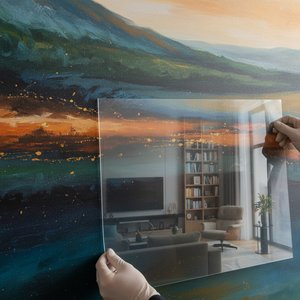
Giclée Prints Explained: The Ultimate Guide to Museum-Quality Art Reproductions
Master the nuances of Giclée printing with our expert guide. Discover how pigment-based inks and museum-grade substrates create fade-resistant, high-fidelity art reproductions designed for discerning collectors seeking unparalleled quality and longevity.
A digitális festmények és fotónyomatok új korszakának előnyei a hagyományos művészettől: Esztétikai érték, tartósság és érzelmi rezonancia
Fedezze fel a digitális festészet és fotónyomatok új világát! Prémium minőségű alkotások, egyedi rendelés, kínai festészeti inspiráció. Szakértői tanácsadással segítünk tökéletes műalkotást találni otthonába vagy ajándékba.
Beyond the Canvas: Scaling Your Creative Legacy Through OriginalUniqueArt’s Automated Print & Oil Reproduction Ecosystem
Unlock your creative potential with OriginalUniqueArt. Learn how to scale your art business through our automated print and premium oil reproduction services, transforming your original works into a global, passive income stream without compromising academic excellence.
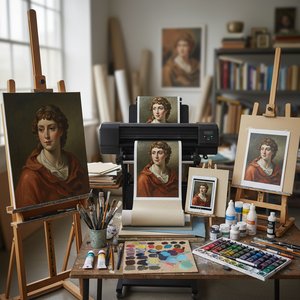
Művészeti reprodukciók: Útmutató olajfestmények, vászon és papír technikáihoz
Kiváló minőségű művészeti reprodukciók olajfestésben, vászonon és papíron. Szakértői tanácsadás, egyedi megrendelések a -tól. Fedezze fel a klasszikus és modern műalkotások széles választékát!


