Megtekintés
 Küldés
 Megosztás
 Részletek
 Útmutató

 Letöltés
 Hasonló darabok
 X-ray felvétel
 Diavetítés
 Statisztika
Danaë
 Oil On Canvas
- WallArt
- Baroque Symbolism
 1621
1621- Early Modern
 163.0 x 228.0 cm
 Cleveland Museum of Art
 Összes részlet megjelenítése
Giclée / Műnyomat
Múzeumi minőségű giclée vagy vászonnyomat, gyors gyártással és rugalmas finomítási lehetőségekkel. ( Kézzel festett másolat rendelése Áttérés digitális képre)




P118B Ft10

P118H Ft10

P118W Ft10

P438Z Ft10

P508JH Ft12

P508YH Ft12

P805H Ft10

P805Z Ft10

P919BZ Ft10

P919G Ft10

P919XJ Ft10

P959ZH Ft10

P968JZ Ft12

W106C Ft8

W218G Ft10

W218JH Ft8

W218Y Ft10

W307PJ Ft10

W316G Ft10

W316PJ Ft8

W316Y Ft10

W398PJ Ft8

W4111J Ft10

W500HY Ft15

W500JH Ft15

W692G Ft12

W849H Ft8

W940BG Ft15

W953PJ Ft8




Válasszon előre meghatározott méreteink közül, amelyek megfelelnek a műalkotás eredeti arányainak.

Írja be a keretének vagy a falának megfelelő szélességet és magasságot. A nyomatot csak le lehet vágni, soha nem tehető nagyobbá, mint az eredeti kép, így egy eltérő alakú méretnél a kép egy része elveszik. Mielőtt bármit kinyatintanánk, küldünk egy digitális próbamodellt jóváhagyásra. Az oldalon látható kép nem tartalmazza a valós levágást — ezt csak a próbamodell mutatja meg.
Világszerte történő kiszállítás területére mindössze 2 hét alatt, a szokásos 4-5 hét helyett. (26 október)

Ingyenes globális expressz szállítás

Prémium minőségű len vászon

Teljes körű szállítási biztosítás

Vámvisszatérítési Garancia

Hiteles színarányosság garancia

100 napos visszaküldési lehetőség (csak hibás termékek esetén)

100% pénzvisszatérítési garancia

Több darab vásárlásakor kedvezmény
 Az üvegkeretes opció csak 110 cm alatti méretben érhető el

Danaë
Giclée / Műnyomat
Reprodukció mérete
-


Összesített ár
Ft 25642
A Golden Encounter: The Luminous Grace of Orazio Gentileschi
In the quiet, dramatic corridors of the Baroque era, few works capture the intersection of divine intervention and human vulnerability as poignantly as Orazio Gentileschi’s Danaë. Painted around 1621-1623, this masterpiece serves as a breathtaking window into a moment of mythological transformation. The scene centers on Danaë, the mortal princess destined to conceive a hero, captured in a state of profound anticipation. As she reclines upon a bed of opulent white linens and deep crimson pillows, the viewer is drawn into her private world—a space where the boundaries between the earthly and the celestial begin to dissolve. The composition is a masterclass in tension; her dynamic pose, with one hand reaching toward the unseen and the other raised in a gesture of startled wonder, invites us to feel the very heartbeat of the narrative.
The brilliance of this work lies in its sophisticated use of chiaroscuro, a technique heavily influenced by the revolutionary Caravaggio. Gentileschi employs a stark, dramatic contrast between the deep, velvety shadows of the background and the radiant, luminous skin of Danaë. This light does not merely illuminate; it sculptates, giving her form a palpable, three-dimensional presence that seems to breathe within the frame. The interplay of light across the heavy gold drapery and the soft textures of the bedding creates a sensory experience so rich that one can almost feel the weight of the silk and the warmth of the atmosphere. For the discerning collector or interior designer, this painting offers a profound sense of depth and drama, making it an unparalleled focal point for any space dedicated to classical elegance.
Symbolism and the Baroque Soul
Beyond its technical prowess, Danaë is a profound meditation on fate and the transformative power of grace. The painting captures the precise moment of divine visitation, where the mythic Zeus descends not as a king, but as a shower of gold to penetrate the princess's chamber. This element of "divine light" serves as a powerful symbol of inspiration and sudden, life-altering change. The richness of the palette—the deep reds, the shimmering golds, and the stark whites—works in harmony to evoke themes of wealth, fertility, and the sacred. There is an inherent tension between the physical opulence of her surroundings and the spiritual weight of the event unfolding.
For those looking to bring a piece of art history into a contemporary setting, this reproduction offers more than mere decoration; it provides an emotional anchor. The painting’s ability to evoke both intimacy and grandeur makes it a versatile choice for sophisticated interiors. Whether placed in a sunlit gallery or a moody, library-style study, the work commands attention through its narrative intrigue and its masterful execution of color and light. It remains a testament to Gentileschi's unique ability to marry the gritty naturalism of his Roman influences with a refined, lyrical grace that continues to captivate the modern eye.
Kérdések és válaszok
Vannak a „Danaë” alkotáshoz hasonló művek?
A „Danaë”, Gentileschi Orazio alkotása alkotással hasonló műalkotások a(z) Hasonló alkotások oldalon találhatók.
Hol vásárolható „Danaë”, Gentileschi Orazio alkotása képmű kézzel festett másolata?
A „Danaë”, Gentileschi Orazio alkotása kézzel festett másolataival a ez a weboldal oldalon találkozhat, kézzel festett olajfesték reprodukció lino vászonon formában, melyet a(z) Kézzel festett másolat oldalon lehet megrendelni.
Mely korszakban készült a „Danaë”, Gentileschi Orazio alkotása?
A „Danaë”, Gentileschi Orazio alkotása a Early Modern korszakból származik. Ez az időszak adja meg a mű történelmi kontextusát.
A művész életrajza
A Tuscan Dawn: The Life and Art of Orazio Gentileschi
Born in 1563 amidst the rolling hills of Tuscany, Orazio Gentileschi embarked on a journey that would see him become a pivotal figure in the transition from Mannerism to Baroque painting. Initially known as Orazio Lomi, he gravitated towards Rome, then the epicenter of artistic innovation, where he honed his skills within the workshops of Cola dell’Amata and absorbed the architectural sensibilities of Francesco da Sangallo. These early influences instilled in him a meticulous attention to form and composition, characteristics that would remain hallmarks of his style even as it dramatically evolved. Gentileschi’s initial work often involved contributing figures to larger decorative schemes conceived by other artists – a formative experience that taught him collaboration and adaptability, yet also hinted at a burgeoning ambition for independent expression. He began his career assisting established masters, learning the intricacies of perspective, color theory, and the skillful rendering of drapery—skills he would later master himself.Embracing the Shadow: Caravaggio's Influence and Artistic Development
The turn of the 17th century marked a turning point in Gentileschi’s artistic trajectory. The revolutionary naturalism of Caravaggio burst onto the Roman art scene, challenging established conventions with its dramatic use of light and shadow – *tenebrism* – and unflinching realism. Gentileschi was profoundly affected by this seismic shift, adopting elements of Caravaggio's style into his own work. However, he wasn’t merely an imitator; rather, he filtered Caravaggio’s innovations through his existing artistic sensibilities. While retaining the dramatic intensity, Gentileschi softened the harshness of Caravaggio’s *tenebrism*, introducing a lighter palette and a more refined approach to detail. This resulted in paintings that possessed both emotional power and elegant grace – a unique synthesis that distinguished him from his contemporaries. He didn't simply copy Caravaggio; he internalized the principles, adapting them to his own temperament and developing a style that was simultaneously powerful and subtly nuanced. Biblical scenes and mythological narratives became frequent subjects, allowing Gentileschi to explore themes of faith, heroism, and human vulnerability with compelling visual storytelling.A Courtly Wanderer: From Paris to London
Gentileschi’s artistic reputation extended beyond Italy's borders. His talent attracted the patronage of powerful figures, leading him on a peripatetic journey through Europe. He spent time at the court of Marie de' Medici in Paris, where his refined style resonated with the Queen’s taste for elegance and sophistication. This period saw a further evolution in his work, characterized by increasingly elaborate compositions and a heightened sense of decorum. He developed a particular skill in creating portraits that captured not only physical likeness but also the personality and social standing of his subjects. However, it was his invitation to England in 1626 that would define the final chapter of his career. Appointed court painter to Charles I, Gentileschi became one of the first major exponents of Caravaggism in Britain, significantly influencing the development of English Baroque painting. He undertook ambitious projects, including a series of ceiling paintings for Greenwich Palace (now Marlborough House), showcasing his mastery of large-scale decorative schemes and solidifying his position as a leading artist of his time. His work in England demonstrated a willingness to adapt his style to suit the tastes of a new audience while retaining his core artistic principles.The Language of Light and Shadow: Artistic Techniques
Gentileschi’s distinctive style was rooted in a sophisticated understanding of technique. He meticulously studied anatomy, rendering figures with remarkable accuracy and realism. His use of *tenebrism*, inherited from Caravaggio, created dramatic contrasts between light and shadow, intensifying the emotional impact of his scenes. He employed a rich, vibrant palette—often incorporating warm reds, yellows, and blues—to create a sense of dynamism and vitality. Furthermore, Gentileschi was known for his skillful handling of drapery, capturing its folds and textures with astonishing precision. His compositions were carefully balanced, often employing pyramidal structures to convey stability and harmony. He wasn’t just painting; he was orchestrating visual drama, using light, color, and form to tell compelling stories.Legacy and Lasting Impact
Orazio Gentileschi’s contributions to the world of art are multifaceted. He bridged the gap between Mannerism and Baroque, absorbing the innovations of Caravaggio while forging his own distinctive style. His use of vibrant colors, dramatic compositions, and refined technique influenced a generation of artists across Europe. He was instrumental in introducing Caravaggism to England, leaving an indelible mark on the artistic landscape there. But perhaps his most enduring legacy lies in his daughter, Artemisia Gentileschi. Trained in her father’s studio, she emerged as one of the most celebrated female painters of the Baroque era, carrying forward the family's artistic tradition and achieving renown in her own right. Today, Gentileschi’s works are held in prestigious museums and galleries worldwide – from the Uffizi Gallery in Florence to the Accademia Gallery in Venice – testaments to his enduring brilliance and lasting impact on the history of art. His paintings continue to captivate viewers with their emotional depth, technical virtuosity, and timeless beauty.- Major Works: “Danae”, "The Annunciation", "The Virgin Mary"
- Key Influences: Mannerism, Caravaggio
- Artistic Style: Baroque, Dramatic compositions, Bright colors.

Gentileschi Orazio
1563 - 1639 , Olaszország
Rövid információk
- Artistic Movement Or Style: Barokk, Karavaggizmus
- Artists Or Movements Influenced By This Artist:
- Artemisia Gentileschi
- Barokk művészet
- Artists Who Influenced This Artist:
- Caravaggio
- Francesco da Sangallo
- Date Of Birth: 1563
- Full Name: Orazio Gentileschi
- Nationality: Olasz
- Notable Artworks:
- Danae
- Az Ítélet
- A Szűz Mária
- Place Of Birth: Toscana, Olaszország
Kapcsolódó cikkek

Oil on Canvas: A Historical & Technical Exploration of a Timeless Artistic Medium
Explore the rich history & enduring techniques of oil painting on canvas. Discover the science behind its longevity, conservation practices, and contemporary relevance. Expert insights for art enthusiasts.

Az olajfestészet örökös hagyatéka: technika, történelem és kortárs gyakorlat
Fedezze fel az olajfestészet történetét, technikáit és a kortárs művészeti trendeket! Szakértői útmutatók, híres festők alkotásai és tippek az olajfestmény ápolásához. Inspirálódjon most!

The Enduring Legacy of Oil on Canvas: Technique, History & Aesthetic Impact
Explore the rich history & techniques of oil painting – from Renaissance masters to Impressionism. Discover pigments, layering methods, and why this timeless medium endures. Expert insights for artists & art enthusiasts.
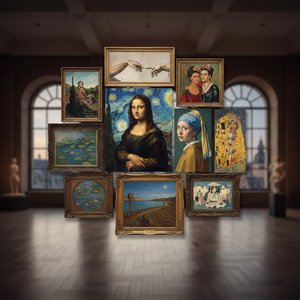
A művészettörténet 10 ikonikus olajfestménye – OriginalUniqueArt.com
Fedezze fel a művészettörténet 10 legikonikusabb olajfestményét! Leonardo, Van Gogh, Rembrandt és más mesterek remekművei – történetükkel, technikájukkal. Vászonképek otthonába a OriginalUniqueArt.com-on! Fedezze fel a teljes gyűjteményt online.

The Soul of Impressionism: Why Oil on Canvas Captures Eternal Light and Timeless Emotion
Discover the enchanting alchemy of Impressionism. Explore how the mastery of oil on canvas, through glazing and impasto, captures eternal light and emotion. Perfect for lovers of Monet and Van Gogh seeking the profound depth of hand-painted fine art.