Megtekintés
 Küldés
 Megosztás
 Részletek
 Útmutató

 Letöltés
 Hasonló darabok
 X-ray felvétel
 Diavetítés
 Statisztika
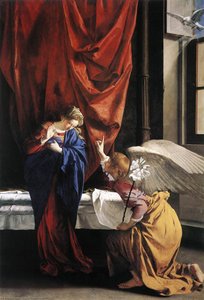
Cupid and Psyche
 Oil On Canvas
- WallArt
- Baroque Drama
 1628
1628- Early Modern
 137.0 x 160.0 cm
 Hermitázsmúzeum
 Összes részlet megjelenítése
Kézzel készített olajfestmény reprodukció
Kézzel festett olajvastú vászon, az Ön által választott méretben és keretben, művészeink készítik meglévőre. ( Váltás nyomtatványra Áttérés digitális képre)




P118B Ft10

P118H Ft10

P118W Ft10

P438Z Ft10

P508JH Ft12

P508YH Ft12

P805H Ft10

P805Z Ft10

P919BZ Ft10

P919G Ft10

P919XJ Ft10

P959ZH Ft10

P968JZ Ft12

W106C Ft8

W218G Ft10

W218JH Ft8

W218Y Ft10

W307PJ Ft10

W316G Ft10

W316PJ Ft8

W316Y Ft10

W398PJ Ft8

W4111J Ft10

W500HY Ft15

W500JH Ft15

W692G Ft12

W849H Ft8

W940BG Ft15

W953PJ Ft8




Válasszon előre meghatározott méreteink közül, amelyek megfelelnek a műalkotás eredeti arányainak.

Írja be a kívánt szélességet és magasságot, hogy illeszkedjen a keretéhez vagy a falához. Mivel ez kézzel festett alkotás, egy eltérő formájú méret esetén a művész akár festhet is valamivel többet a kép körül, vagy korolathat is belőle — az Ön döntésének megfelelően. A festés megkezdése előtt küldünk egy digitális tervezetet jóváhagyásra. Az oldalon látható kép nem tartalmazza a végeredményt — csak a tervezet mutatja meg a valódi eredményt.
A rendelést követően a OriginalUniqueArt.com csapata e-mailt küld az ügyfélnek az instrukciókért, és biztosít egy előnézeti képet (mockup).
Világszerte elérhető szállítás () 3-4 hét alatt a szokásos 5 hét helyett. (26 október). A minőség nem kérdőjelezhető.

Ingyenes globális expressz szállítás

Prémium minőségű len vászon

Teljes körű szállítási biztosítás

Vámvisszatérítési Garancia

Hiteles színarányosság garancia

100 napos visszaküldési lehetőség (csak hibás termékek esetén)

100% pénzvisszatérítési garancia

Több darab vásárlásakor kedvezmény
 Az üvegkeretes opció csak 110 cm alatti méretben érhető el

Cupid and Psyche
Reprodukciós technika
Reprodukció mérete
-


Összesített ár
Ft 96158
A Celestial Encounter: The Radiance of Orazio Gentileschi’s Cupid and Psyche
In the quiet, shadowed depths of the early seventeenth century, a transformative magic was unfolding in the heart of Italy, and few works capture this transition as poignantly as Orazio Gentileschi’s “Cupid and Psyche.” Completed in 1628, this masterpiece serves as a breathtaking bridge between the stylized, often artificial elegance of Mannerism and the raw, visceral drama of the Baroque era. The painting invites us into a sacred, intimate space where the boundaries between the mortal and the divine dissolve. As we gaze upon the central figures, we are not merely observers of a myth; we are witnesses to a profound moment of emotional vulnerability and celestial connection. The scene, steeped in the atmosphere of tenebrismo, utilizes stark contrasts of light and shadow to pull the viewer into a realm where every flicker of illumination feels like a divine revelation.
The narrative foundation of this work is drawn from the ancient, enchanting fables of antiquity—specifically the tales of Psyche, a mortal princess whose soul must undergo harrowing trials to prove her worthiness of the god Cupid. Gentileschi translates this epic journey into a singular, quiet moment of intense psychological depth. Through his masterful use of a pyramidal composition, he directs our gaze upward, centering our attention on the tender interaction between the two lovers. The artist’s technique is nothing short of extraordinary; he renders the velvet softness of Psyche’s skin and the powerful, muscular contours of Cupid with such precision that the figures seem to breathe within their dark, mysterious surroundings. This meticulous attention to texture, combined with the dramatic interplay of light, creates a sensory experience that is both tactile and ethereal.
Symbolism and the Baroque Soul
Beyond its technical brilliance, “Cupid and Psyche” is a profound meditation on the nature of love and the human spirit. The presence of two celestial beings, positioned like silent guardians above the lovers, imbues the scene with an undeniable sense of sanctity. These figures serve as reminders that the passion shared between Cupid and Psyche is not merely a fleeting earthly impulse, but a cosmic event sanctioned by the heavens. The deep, enveloping shadows that surround the pair do more than provide contrast; they represent the unknown trials and the darkness of the mortal condition, against which the light of love must constantly struggle to shine. For the discerning collector or interior designer, this painting offers much more than aesthetic beauty; it provides a focal point of profound narrative weight and spiritual resonance.
The emotional impact of the piece lies in its ability to evoke pathos through subtlety rather than overt spectacle. There is an unmistakable tension in the air—a mixture of Psyche’s trepidation and Cupid’s ardent, protective desire. This psychological complexity makes the artwork a timeless addition to any curated collection. Whether placed in a grand, classical hall or used as a sophisticated accent in a contemporary, minimalist space, a high-quality reproduction of this work brings with it an aura of historical importance and emotional sophistication. It is a piece that demands contemplation, inviting anyone who stands before it to reflect on the enduring power of devotion and the beautiful struggle of the soul to find its light.
Kérdések és válaszok
Mekkora a „Cupid and Psyche”, Gentileschi Orazio alkotása valóságos mérete?
A „Cupid and Psyche”, Gentileschi Orazio alkotása eredeti mérete 137 x 160 cm.
Hol tudom letölteni a(t) „Cupid and Psyche”, Gentileschi Orazio alkotása?
A "Cupid and Psyche" letölthető változatként is elérhető: a mű Letöltés oldala magas felbontású digitális kép letöltése lehetőséget kínál.
Milyen arányú „Cupid and Psyche”, Gentileschi Orazio alkotása, és milyen méretű?
A "Cupid and Psyche" formátuma Landscape, az eredeti mérete pedig 137 x 160 cm. Mindkét információ hasznos, ha reprodukciót tervezünk.
A művész életrajza
A Tuscan Dawn: The Life and Art of Orazio Gentileschi
Born in 1563 amidst the rolling hills of Tuscany, Orazio Gentileschi embarked on a journey that would see him become a pivotal figure in the transition from Mannerism to Baroque painting. Initially known as Orazio Lomi, he gravitated towards Rome, then the epicenter of artistic innovation, where he honed his skills within the workshops of Cola dell’Amata and absorbed the architectural sensibilities of Francesco da Sangallo. These early influences instilled in him a meticulous attention to form and composition, characteristics that would remain hallmarks of his style even as it dramatically evolved. Gentileschi’s initial work often involved contributing figures to larger decorative schemes conceived by other artists – a formative experience that taught him collaboration and adaptability, yet also hinted at a burgeoning ambition for independent expression. He began his career assisting established masters, learning the intricacies of perspective, color theory, and the skillful rendering of drapery—skills he would later master himself.Embracing the Shadow: Caravaggio's Influence and Artistic Development
The turn of the 17th century marked a turning point in Gentileschi’s artistic trajectory. The revolutionary naturalism of Caravaggio burst onto the Roman art scene, challenging established conventions with its dramatic use of light and shadow – *tenebrism* – and unflinching realism. Gentileschi was profoundly affected by this seismic shift, adopting elements of Caravaggio's style into his own work. However, he wasn’t merely an imitator; rather, he filtered Caravaggio’s innovations through his existing artistic sensibilities. While retaining the dramatic intensity, Gentileschi softened the harshness of Caravaggio’s *tenebrism*, introducing a lighter palette and a more refined approach to detail. This resulted in paintings that possessed both emotional power and elegant grace – a unique synthesis that distinguished him from his contemporaries. He didn't simply copy Caravaggio; he internalized the principles, adapting them to his own temperament and developing a style that was simultaneously powerful and subtly nuanced. Biblical scenes and mythological narratives became frequent subjects, allowing Gentileschi to explore themes of faith, heroism, and human vulnerability with compelling visual storytelling.A Courtly Wanderer: From Paris to London
Gentileschi’s artistic reputation extended beyond Italy's borders. His talent attracted the patronage of powerful figures, leading him on a peripatetic journey through Europe. He spent time at the court of Marie de' Medici in Paris, where his refined style resonated with the Queen’s taste for elegance and sophistication. This period saw a further evolution in his work, characterized by increasingly elaborate compositions and a heightened sense of decorum. He developed a particular skill in creating portraits that captured not only physical likeness but also the personality and social standing of his subjects. However, it was his invitation to England in 1626 that would define the final chapter of his career. Appointed court painter to Charles I, Gentileschi became one of the first major exponents of Caravaggism in Britain, significantly influencing the development of English Baroque painting. He undertook ambitious projects, including a series of ceiling paintings for Greenwich Palace (now Marlborough House), showcasing his mastery of large-scale decorative schemes and solidifying his position as a leading artist of his time. His work in England demonstrated a willingness to adapt his style to suit the tastes of a new audience while retaining his core artistic principles.The Language of Light and Shadow: Artistic Techniques
Gentileschi’s distinctive style was rooted in a sophisticated understanding of technique. He meticulously studied anatomy, rendering figures with remarkable accuracy and realism. His use of *tenebrism*, inherited from Caravaggio, created dramatic contrasts between light and shadow, intensifying the emotional impact of his scenes. He employed a rich, vibrant palette—often incorporating warm reds, yellows, and blues—to create a sense of dynamism and vitality. Furthermore, Gentileschi was known for his skillful handling of drapery, capturing its folds and textures with astonishing precision. His compositions were carefully balanced, often employing pyramidal structures to convey stability and harmony. He wasn’t just painting; he was orchestrating visual drama, using light, color, and form to tell compelling stories.Legacy and Lasting Impact
Orazio Gentileschi’s contributions to the world of art are multifaceted. He bridged the gap between Mannerism and Baroque, absorbing the innovations of Caravaggio while forging his own distinctive style. His use of vibrant colors, dramatic compositions, and refined technique influenced a generation of artists across Europe. He was instrumental in introducing Caravaggism to England, leaving an indelible mark on the artistic landscape there. But perhaps his most enduring legacy lies in his daughter, Artemisia Gentileschi. Trained in her father’s studio, she emerged as one of the most celebrated female painters of the Baroque era, carrying forward the family's artistic tradition and achieving renown in her own right. Today, Gentileschi’s works are held in prestigious museums and galleries worldwide – from the Uffizi Gallery in Florence to the Accademia Gallery in Venice – testaments to his enduring brilliance and lasting impact on the history of art. His paintings continue to captivate viewers with their emotional depth, technical virtuosity, and timeless beauty.- Major Works: “Danae”, "The Annunciation", "The Virgin Mary"
- Key Influences: Mannerism, Caravaggio
- Artistic Style: Baroque, Dramatic compositions, Bright colors.

Gentileschi Orazio
1563 - 1639 , Olaszország
Rövid információk
- Artistic Movement Or Style: Barokk, Karavaggizmus
- Artists Or Movements Influenced By This Artist:
- Artemisia Gentileschi
- Barokk művészet
- Artists Who Influenced This Artist:
- Caravaggio
- Francesco da Sangallo
- Date Of Birth: 1563
- Full Name: Orazio Gentileschi
- Nationality: Olasz
- Notable Artworks:
- Danae
- Az Ítélet
- A Szűz Mária
- Place Of Birth: Toscana, Olaszország
Kapcsolódó cikkek
Baroque Classicism: The Grandeur of Order and Drama in 17th-Century Art History
Explore the profound elegance of Baroque Classicism. Discover how 17th-century masters synthesized dramatic emotion with classical order through the lens of the Counter-Reformation and the works of legends like Carlo Maratta and Andrea Sacchi.

The Visceral Stage: Exploring Dramatic Narratives & Emotional Intensity in Baroque Art
Explore the dramatic world of Baroque art! Discover iconic masters like Caravaggio & Rembrandt, their techniques, and the movement's lasting impact. Expert insights for collectors & enthusiasts at OriginalUniqueArt.

The Dramatic Flourish: Exploring the Baroque Movement's Enduring Legacy in Art History
Explore the dramatic world of Baroque art! Discover iconic artists like Caravaggio & Rubens, defining techniques, and its lasting impact on art history. Expert insights for collectors & enthusiasts at OriginalUniqueArt.

Barokk dráma: A nagyság és az érzelem bevonása a kortárs belső terekbe
Fedezze fel a barokk stílus nagyságát és drámáját! Ismerje meg a belsőépítészet jellegzetességeit, inspirálódjon híres enteriőrökből, és valósítsa meg álmai luxus otthonát szakértő útmutatásunkkal.

A Barokk Mesterek 10 Legikonikusabb Remekműve – OriginalUniqueArt.com
Fedezze fel a barokk művészet 10 legpártosabb remekművét! Caravaggio, Rembrandt és Vermeer alkotásainak története – OriginalUniqueArt.com kínálatában exkluzív reprodukciók és inspiráló dekorációs ötletek várják Önt. Nézze meg most!