
 Megtekintés
 Küldés
 Megosztás
 Részletek

 Letöltés
 Hasonló darabok
 X-ray felvétel
 Diavetítés
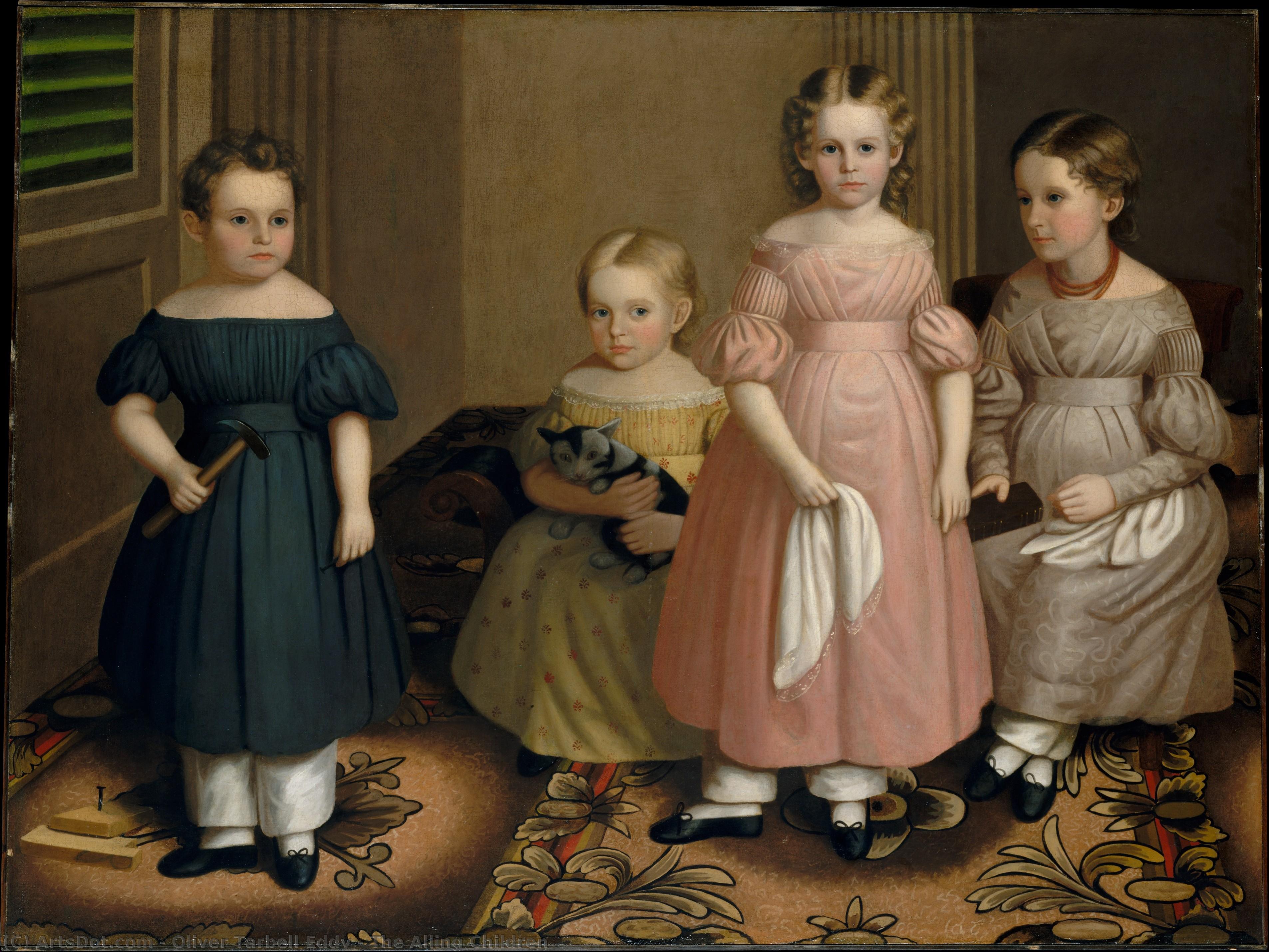
The Alling Children
 1839
1839 120.0 x 160.0 cm
 Összes részlet megjelenítése
Kézzel készített olajfestmény reprodukció
Kézzel festett olajvastú vászon, az Ön által választott méretben és keretben, művészeink készítik meglévőre. ( Nyomat rendelése Kép letöltése)




































Válasszon előre meghatározott méreteink közül, amelyek megfelelnek a műalkotás eredeti arányainak.

Ön megadhat saját méreteket egy adott kerethez vagy térhez igazításhoz. Ha a kiválasztott méret nem egyezik az eredeti kép arányával, akkor a műalkotást levágjuk, vagy további kézzel festett elemekkel meghosszabbítjuk a festményt. A gyártás megkezdése előtt küldünk Önnek egy digitális előnézetet jóváhagyásra.
Kérjük, vegye figyelembe, hogy a képernyőn megjelenő előnézet nem tükrözi a tényleges vágást vagy kiterjesztést. Csak az előnézet fog pontosan mutatni a végső kompozíciót.
Bár egyedi méretek állnak rendelkezésre, javasoljuk, hogy válasszon egy méretet az előre meghatározott listából az eredeti arányok megőrzése érdekében.
A rendelést követően a OriginalUniqueArt.com csapata e-mailt küld az ügyfélnek az instrukciókért, és biztosít egy előnézeti képet (mockup).
Világszerte elérhető szállítás () 3-4 hét alatt a szokásos 5 hét helyett. (19 augusztus). A minőség nem kérdőjelezhető.

Ingyenes globális expressz szállítás

Prémium minőségű len vászon

Teljes körű szállítási biztosítás

Vámvisszatérítési Garancia

Hiteles színpontosság garancia

60 napos visszaküldési lehetőség (csak hibás termékek esetén)

100% pénzvisszatérítési garancia

Több darab vásárlása esetén kedvezmény
 Az üvegkeretes opció csak 110 cm alatti méretben érhető el

The Alling Children
Reprodukciós technika
Reprodukció mérete
-


Összesített ár
$ 300
A műalkotás leírása
A művész életrajza
The Dual Legacy of a Visionary
In the rich tapestry of nineteenth-century American art, few figures possess a legacy as multifaceted and intriguing as Oliver Tarbell Eddy. Born in 1799 amidst the verdant landscapes of Greenbush, Vermont, Eddy was a man whose very existence bridged the gap between the delicate precision of fine art and the rugged ingenuity of mechanical invention. As the eldest son of Isaac Newton Eddy—a prominent printer, engraver, and inventor—Oliver was raised in an environment where the meticulous stroke of a copper engraving tool was as significant as the turning of a gear. This unique upbringing instilled in him a profound respect for detail, a trait that would later define his celebrated career as a portraitist and miniature painter, shaping him into an artist who saw the world through a lens of both beauty and structural complexity.
His early life was steeped in the traditions of craftsmanship. Under his father's guidance, he mastered the intricate art of copper engraving, a discipline that demanded absolute accuracy and a keen eye for line. Yet, while his hands were trained in the mechanical, his spirit sought the expressive. He eventually taught himself the nuances of painting, blending the disciplined precision of an engraver with the fluid, emotive capabilities of a painter. This duality would become the hallmark of his work, allowing him to capture not just the likeness of his subjects, but the very texture of their lives.
A Journey Through the American Landscape
Eddy’s artistic odyssey was one of constant movement, mirroring the expansion and shifting social hierarchies of a young, growing nation. Following his family's move to Waterford, New York, in 1826, Oliver found himself at the heart of a burgeoning cultural landscape. His journey took him through the vibrant, bustling streets of New York City, where he honed his skills as a miniature artist, and eventually into the industrial heart of Newark, New Jersey. It was in Newark that Eddy truly found his stride, capturing the likenesses of the city's rising industrial elite with an unparalleled ability to render both character and social standing.
His technique was characterized by a meticulousness born from his training in engraving. He employed tight, disciplined brushstrokes to delineate the intricate textures of silk, lace, and velvet, often imbuing his subjects with a sense of quiet dignity and permanence. One might look at works such as The Alling Children to witness this mastery; in such pieces, he utilized light not merely as a tool for visibility, but as an emotional instrument, bathing figures in an eerie, ethereal glow that elevated a simple portrait into a poignant narrative of life and loss. His ability to separate subjects through light and shadow allowed him to create depth and atmosphere that resonated with the Victorian sensibility of his era.
The Intersection of Art and Innovation
While his portraits remain his most enduring visual contribution to the American canon, Eddy’s intellect was never confined to the easel. He possessed a restless, inquisitive mind that sought to improve the world through mechanical progress, proving that the same hand that could paint a delicate miniature could also draft a revolutionary machine. This spirit of innovation led him to contribute significantly to the evolution of communication, as he famously developed an early precursor to the typewriter, a feat that stands alongside his artistic achievements in importance.
To understand Oliver Tarbell Eddy is to recognize the harmony between his two great passions:
- The Artist: A master of the miniature who captured the soul of a growing nation through precise and textured portraiture.
- The Inventor: A pioneer whose mechanical insights helped pave the way for the dawn of modern communication technology.
His life remains a testament to the idea that creativity knows no boundaries, proving that the precision required for an engraving can just as easily fuel the spark of a revolutionary invention. He left behind a legacy where the beauty of the painted image and the utility of the mechanical device exist in perfect, enduring balance.

oliver tarbell eddy
1799 - 1868 , United States of America
A művészről röviden
- Artistic Movement Or Style: Portraiture
- Artists Or Movements Influenced By This Artist: ['Victorian Art']
- Artists Who Influenced This Artist: ['Isaac Eddy']
- Date Of Birth: 1799
- Date Of Death: 1868
- Full Name: Oliver Tarbell Eddy
- Nationality: American
- Notable Artworks: ['The Alling Children']
- Place Of Birth: Greenbush, Vermont

