

 Megtekintés
 Küldés
 Megosztás
 Részletek
 Útmutató

 Letöltés
 Hasonló darabok
 X-ray felvétel
 Diavetítés
 Q&A
Q&A Statisztika
Wirbelwerk
 Contemporary Installation
 2013
2013- Contemporary
 811.0 x 813.0 cm
 Lenbachhaus
 Összes részlet megjelenítése
Az ezen az oldalon megjelenített műalkotások szerzői jogi védelem alatt állnak, ami azt jelenti, hogy törvényileg nem készíthetünk és nem adhatunk el belőlük pontos másolatokat. Ez a védelem olyan nemzetközi megállapodások alapján érvényesül, mint például a Berni Egyezmény és a nemzeti jogszabályok által, beleértve azokat is, amelyeket meghatározott Az USA szerzői jogi törvénye – 17. cím.
Ez a módszer teljes mértékben megfelel a szerzői jogi szabályozásnak, mivel nem tartalmazza a védett műalkotás másolását vagy duplikálását. Ehelyett ez egy kreatív újinterpretáció – egy új festmény, amely az eredetivel való összefüggései miatt hatással van rá, de nem az az.
Giclée / Műnyomat
Múzeumi minőségű giclée vagy vászonnyomat, gyors gyártással és rugalmas finomítási lehetőségekkel. ( Kézzel festett másolat rendelése Áttérés digitális képre)




P118B Ft10

P118H Ft10

P118W Ft10

P438Z Ft10

P508JH Ft12

P508YH Ft12

P805H Ft10

P805Z Ft10

P919BZ Ft10

P919G Ft10

P919XJ Ft10

P959ZH Ft10

P968JZ Ft12

W106C Ft8

W218G Ft10

W218JH Ft8

W218Y Ft10

W307PJ Ft10

W316G Ft10

W316PJ Ft8

W316Y Ft10

W398PJ Ft8

W4111J Ft10

W500HY Ft15

W500JH Ft15

W692G Ft12

W849H Ft8

W940BG Ft15

W953PJ Ft8




Válasszon előre meghatározott méreteink közül, amelyek megfelelnek a műalkotás eredeti arányainak.

Írja be a keretének vagy a falának megfelelő szélességet és magasságot. A nyomatot csak le lehet vágni, soha nem tehető nagyobbá, mint az eredeti kép, így egy eltérő alakú méretnél a kép egy része elveszik. Mielőtt bármit kinyatintanánk, küldünk egy digitális próbamodellt jóváhagyásra. Az oldalon látható kép nem tartalmazza a valós levágást — ezt csak a próbamodell mutatja meg.
Világszerte történő kiszállítás területére mindössze 2 hét alatt, a szokásos 4-5 hét helyett. (30 október)

Ingyenes globális expressz szállítás

Prémium minőségű len vászon

Teljes körű szállítási biztosítás

Vámvisszatérítési Garancia

Hiteles színarányosság garancia

100 napos visszaküldési lehetőség (csak hibás termékek esetén)

100% pénzvisszatérítési garancia

Több darab vásárlásakor kedvezmény
 Az üvegkeretes opció csak 110 cm alatti méretben érhető el

Wirbelwerk
Giclée / Műnyomat
Reprodukció mérete
-


Összesített ár
Ft 25847
Wirbelwerk: A Dance of Light and Geometry by Ólafur Eliasson
Ólafur Eliasson’s “Wirbelwerk,” created in 2012 for the Lenbachhaus museum in Munich, isn't merely a sculpture; it’s an orchestrated experience. This monumental installation immediately captivates with its sheer scale – spanning over eight meters in diameter and descending nearly nine meters below – yet manages to feel remarkably intimate as visitors are drawn into its swirling embrace. The work is a testament to Eliasson’s signature approach: a masterful blend of science, perception, and the evocative power of light and space. It's an invitation to reconsider our relationship with the world around us, prompting a moment of quiet contemplation amidst the bustle of a museum setting.
At its core, “Wirbelwerk” is built upon a complex system of polished metal tubes – hundreds of them – meticulously arranged in opposing spirals. These aren’t simply lines; they are conduits for light, each tube subtly tinted with color, creating an iridescent shimmer as it catches the ambient illumination. Interwoven within this metallic framework are hand-blown coloured glass triangles, strategically positioned to refract and scatter light further, adding layers of complexity and visual richness. The entire structure is bathed in a carefully calibrated internal lighting system, shifting and evolving throughout the day, mirroring the natural rhythms of sunlight and shadow.
The Language of Motion: Vortexes and Perception
Eliasson’s fascination with movement – particularly the dynamic forms of vortexes and spirals – is central to “Wirbelwerk.” He draws inspiration from phenomena observed in nature, such as the swirling patterns of water currents or the graceful rotation of schools of fish. The installation subtly mimics these natural movements, creating an illusion of perpetual motion that engages the viewer’s sense of spatial awareness. The geometry itself—the precise spirals and intersecting lines—references principles of Gestalt psychology, demonstrating how our brains actively interpret visual information to create a cohesive whole. It's not just about seeing; it’s about *feeling* the movement within the space.
A Dialogue with Light and Space
The brilliance of “Wirbelwerk” lies in its interaction with the surrounding environment. The installation is designed to respond dynamically to changes in light, casting shifting patterns of color and shadow onto the museum’s walls and floors. This creates a constantly evolving visual landscape, transforming the space into an immersive experience. Eliasson deliberately blurs the boundaries between art and architecture, turning the entire atrium into a single, unified artwork. The work invites viewers to become active participants in this dynamic interplay of light and form, altering their perception of the room with each movement.
Symbolism and Emotional Resonance
Beyond its technical sophistication, “Wirbelwerk” carries a subtle symbolic weight. The swirling forms evoke notions of transformation, fluidity, and interconnectedness – mirroring the cyclical nature of life itself. The installation’s scale encourages a sense of awe and wonder, prompting viewers to momentarily step outside their everyday concerns and embrace a more expansive perspective. It's a reminder of our inherent connection to the natural world, and a celebration of the beauty and complexity that surrounds us. The piece ultimately leaves one with a feeling of quiet contemplation, a lingering awareness of the intricate dance between light, space, and perception.
Kérdések és válaszok
Melyik történelmi korszakból származik a „Wirbelwerk”, Ólafur Elíasson alkotása?
A "Wirbelwerk" a Contemporary korszak alkotása.
Mit ábrázol a „Wirbelwerk”, Ólafur Elíasson alkotása, és milyen hangulatot áraszt?
A "Wirbelwerk" című alkotás glass sculpture, vortex, perception, installation, light, spiral, munich témákat ábrázol, hangulata pedig Calm.
Mennyire intenzívek a "Wirbelwerk" színei?
A "Wirbelwerk" színe Subtle Color telítettségű és Balanced intenzitású.
A művész életrajza
Ólafur Elíasson: A Biography
Early Life and Education
- Born in Copenhagen, Denmark in 1967 to Icelandic parents, Elías Hjörleifsson and Ingibjörg Olafsdottir.
- Spent formative years navigating dual cultural identities – Danish and Icelandic.
- Showed early artistic promise with his first solo exhibition at age 15.
- Studied at the Royal Danish Academy of Fine Arts from 1989 to 1995, a period crucial for developing his conceptual approach.
Artistic Development and Influences
- Elíasson’s work evolved from early landscape drawings to large-scale installations exploring perception, light, and natural phenomena.
- Influenced by phenomenology and Gestalt psychology, focusing on how viewers experience space and reality.
- Collaboration with architect Einar Thorsteinn significantly impacted his geometric works and spatial designs.
- Inspired by artists like Robert Irwin and James Turrell who also manipulate perception through light and space.
Key Themes and Artistic Style
- Central themes include the relationship between humans and nature, artificial versus natural environments, and the subjective experience of reality.
- His style is characterized by large-scale installations that often incorporate elemental materials like light, water, air temperature, and mirrors.
- Immersive experiences are a hallmark of his work, inviting viewers to actively participate in and question their surroundings.
- Frequently blends art with scientific inquiry, exploring concepts from physics, optics, and meteorology.
Major Achievements and Notable Works
- Represented Denmark at the 50th Venice Biennale in 2003, gaining international recognition.
- “The Weather Project” (2003) at Tate Modern’s Turbine Hall – a monumental installation creating an artificial sun and sky, becoming one of his most iconic works.
- Designed the Serpentine Gallery Pavilion in 2007, showcasing innovative architectural design.
- Created “New York City Waterfalls” (2008), transforming Manhattan’s waterfront with cascading waterfalls.
- Co-founded Studio Other Spaces with Sebastian Behmann, expanding his practice into architecture and urban interventions.
- Designed the Harpa Concert Hall in Reykjavik, Iceland – a stunning architectural landmark.
Historical Significance and Legacy
- Elíasson is considered one of the most influential contemporary artists working today.
- His work challenges traditional notions of art by blurring boundaries between disciplines—art, science, architecture, and environmentalism.
- He has sparked important conversations about climate change, sustainability, and our relationship with the natural world.
- Continues to push the boundaries of artistic practice through innovative installations, architectural projects, and public interventions.
- Currently a professor at the Berlin University of the Arts, nurturing future generations of artists and thinkers.

Ólafur Elíasson
1967 - , Denmark
Rövid információk
- Name: Ólafur Elíasson
- Movement:
- Installation Art
- Contemporary Art
- Environmental Art
- Birth Date: 1967-02-05
- Birth Place: Copenhagen, Denmark
- Nationality:
- Danish
- Icelandic
- Date Of Birth: 1967
- Notable Works:
- The Weather Project
- Serpentine Gallery Pavilion 2007
- New York City Waterfalls
- The Presence of Absence Pavilion
- Place Of Birth: Copenhagen, Denmark
Kapcsolódó cikkek

A művészettörténet 10 legikonikusabb bronzszobra – OriginalUniqueArt.com
Fedezze fel a művészettörténet 10 legikonikusabb bronzszobrát! Ismerje meg Rodin, Michelangelo és más mesterek alkotásait. Luxus minőségű reprodukciók otthonába – OriginalUniqueArt.com.

The Enduring Form: Exploring Themes & Techniques in Sculpture Across Historical Periods
Explore the rich history of sculpture from ancient masterpieces to contemporary innovations. Discover key techniques, influential artists & investment potential for discerning art collectors.
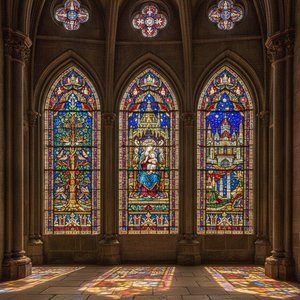
Luminous Masterpieces: The Captivating Beauty and Timeless Elegance of Stained Glass Artworks
Embark on a visual journey through the luminous world of stained glass art. Discover the exquisite craftsmanship, historical significance, and captivating beauty of masterworks from Art Nouveau to the Gothic era, curated for the discerning fine art enthusiast.

A művészettörténet 10 legikonikusabb bronzszobra – OriginalUniqueArt.com
Fedezze fel a művészettörténet 10 legikonikusabb bronzszobrát! Ismerje meg Rodint, Michelangelót és más mestereket. Luxus minőségű nyomatok otthonába – OriginalUniqueArt.com.

The Enduring Form: Sculpture Across History, Technique & Emotional Resonance
Explore the rich history of sculpture with OriginalUniqueArt. Discover key techniques, influential artists & investment potential for discerning collectors. Expert insights into valuing and collecting timeless masterpieces.