

 Küldés
 Megosztás
 Részletek

 Letöltés
 Hasonló darabok
 Diavetítés
Landscape
 Silk
Silk- Textile
- Nanga
 1833
1833- 19th Century
 28.0 x 18.0 cm
 Cleveland Museum of Art
 Összes részlet megjelenítése
Kézzel készített olajfestmény reprodukció
Kézzel festett olajvastú vászon, az Ön által választott méretben és keretben, művészeink készítik meglévőre. ( Nyomat rendelése Kép letöltése)




































Válasszon előre meghatározott méreteink közül, amelyek megfelelnek a műalkotás eredeti arányainak.

Ön megadhat saját méreteket egy adott kerethez vagy térhez igazításhoz. Ha a kiválasztott méret nem egyezik az eredeti kép arányával, akkor a műalkotást levágjuk, vagy további kézzel festett elemekkel meghosszabbítjuk a festményt. A gyártás megkezdése előtt küldünk Önnek egy digitális előnézetet jóváhagyásra.
Kérjük, vegye figyelembe, hogy a képernyőn megjelenő előnézet nem tükrözi a tényleges vágást vagy kiterjesztést. Csak az előnézet fog pontosan mutatni a végső kompozíciót.
Bár egyedi méretek állnak rendelkezésre, javasoljuk, hogy válasszon egy méretet az előre meghatározott listából az eredeti arányok megőrzése érdekében.
A rendelést követően a OriginalUniqueArt.com csapata e-mailt küld az ügyfélnek az instrukciókért, és biztosít egy előnézeti képet (mockup).
Világszerte elérhető szállítás () 3-4 hét alatt a szokásos 5 hét helyett. (30 augusztus). A minőség nem kérdőjelezhető.

Ingyenes globális expressz szállítás

Prémium minőségű len vászon

Teljes körű szállítási biztosítás

Vámvisszatérítési Garancia

Hiteles színpontosság garancia

60 napos visszaküldési lehetőség (csak hibás termékek esetén)

100% pénzvisszatérítési garancia

Több darab vásárlása esetén kedvezmény
 Az üvegkeretes opció csak 110 cm alatti méretben érhető el

Landscape
Reprodukciós technika
Reprodukció mérete
-


Összesített ár
$ 300
A Journey Through Edo Serenity: The Landscape of Nukina Kaioku
To gaze upon this exquisite landscape by Nukina Kaioku is to step across the threshold of time and into a realm steeped in profound tranquility. Dating from 1833, this piece captures not merely a vista of mountains, trees, and rocks, but rather the very spirit of contemplation that defined much of Edo period Japanese artistry. The delicate rendering on silk, combined with the presence of oriental calligraphy, elevates this work beyond simple decoration; it becomes a meditative object, a tangible whisper from a bygone era when art served as both mirror and guide for the soul.
Mastery in Nanga: Technique and Tradition
Kaioku’s genius is inextricably linked to the tradition of Nanga—the masterful fusion of landscape painting with calligraphy. This integration demands an extraordinary level of skill, requiring the artist to treat ink strokes not just as descriptive elements, but as carriers of philosophical weight. The technique employed here speaks to a deep understanding of materials; the silk substrate allows for a luminosity and softness that wood or paper cannot replicate, giving the mountains a breathy, ethereal quality. Observe how the brushwork guides the eye: it moves seamlessly from the solid grounding of the rocks to the delicate sweep of the distant peaks, all while being anchored by the elegant script that frames the scene.
Symbolism Woven into the Brushstrokes
In Japanese art, landscape is rarely just about geography. The mountains often symbolize permanence and the enduring spirit, while the scattered trees and rocks speak to resilience amidst change. The inclusion of calligraphy adds a layer of intellectual depth; these characters are not mere labels but distillations of poetry or philosophical thought, inviting the viewer to pause and decipher their meaning. For the collector or designer, this piece offers more than aesthetic beauty; it offers conversation—a dialogue between visual art, written word, and natural philosophy. It suggests that true beauty lies in the harmony between the wild grandeur of nature and the disciplined elegance of human contemplation.
Bringing Edo Calm into Modern Spaces
This reproduction captures the essence of a masterpiece designed for quiet appreciation. Whether adorning a formal reception room or lending a serene focal point to a private study, this artwork introduces an immediate sense of cultured calm. Its dimensions (28 x 18 cm) suggest its perfect placement as a treasured accent piece—a window into Japanese aesthetic ideals. Owning a reproduction allows one to partake in the history and profound artistry of Kaioku’s hand without the constraints of time or distance, inviting daily moments of quiet reflection.
CLASSIFICATION: AsianA művész életrajza
Nukina Kaioku: A Master of Tranquility and Tradition
Nukina Kaioku (1778-1863) stands as a pivotal figure in Edo period Japanese art, embodying the spirit of Nanga—a fusion of landscape painting and calligraphy—and representing one of the “Three Brushes,” a prestigious group of artists recognized for their exceptional skill and artistic vision. Born into a samurai family steeped in archery instruction to the Hachisuka clan of Awa Province, Kaioku’s upbringing instilled a disciplined ethos that subtly shaped his artistic pursuits. Unlike many of his peers destined for martial prowess, he embraced the intellectual traditions championed by Confucian philosophy and excelled in calligraphy, specifically adopting the stylistic influence of Kūkai—the revered Buddhist monk known for his innovative kana syllabary. This foundational training would prove instrumental in shaping his artistic sensibilities throughout his life.Early Life and Education: Seeds of Artistic Vision
Kaioku’s formative years were dedicated to mastering both art and scholarship. His uncle, a priest at Mount Kōyasan’s Shingon-shū temple, nurtured his passion for calligraphy by introducing him to Kūkai's distinctive writing style. This meticulous attention to detail—capturing subtle variations in light and shadow—combined with his masterful command of brushwork created images that resonate with timeless beauty. He diligently studied the classics of Chinese literature and philosophy, cultivating a profound understanding of humanist ideals.The Artistic Style of Tranquil Landscapes: Echoes of Wang Xizhi
Kaioku’s mature artistic style was characterized by unwavering adherence to the orthodox tradition of Wang Xizhi—a monumental figure in Chinese calligraphy whose elegant strokes and profound philosophical underpinning served as a guiding principle. However, he wasn't merely a slavish imitator; Kaioku demonstrated remarkable versatility, skillfully employing Kara-e—the Chinese-style painting technique—to depict breathtaking vistas of Japan’s largest inland lake, Lake Biwa. His landscapes are imbued with a palpable serenity, reflecting the contemplative spirit of Nanga and conveying a deep appreciation for the natural world. He sought to capture not just visual beauty but also the underlying harmony of existence – mirroring Wang Xizhi's belief in achieving spiritual enlightenment through artistic practice.Lake Biwa in Four Seasons: A Panoramic Meditation
Perhaps Kaioku’s most celebrated achievement is “Lake Biwa in Four Seasons,” completed in 1834. Measuring 62 x 154 cm, this monumental panel painting exemplifies the grandeur and subtlety of Kara-e artistry. It portrays Lake Biwa across its seasonal transformations—spring blossoms, summer greenery, autumn foliage, and winter snow—offering viewers a panoramic glimpse into Japan’s natural splendor. This artwork stands as a testament to Kaioku's technical prowess and his ability to distill complex emotions into visual form. The meticulous layering of ink and color captures the ephemeral beauty of each season, inviting contemplation on the cyclical nature of life and the interconnectedness of all things.Legacy and Influence: A Lasting Impression
Nukina Kaioku’s influence extended far beyond his own lifetime, inspiring subsequent generations of artists who sought to emulate his stylistic elegance and intellectual depth. He remains a cornerstone of Edo period art history—a symbol of artistic refinement and unwavering devotion to tradition. His serene landscapes continue to captivate audiences today, reminding us of the enduring power of beauty and contemplation. As one of the renowned calligraphers in groups of three referred to as Sanpitsu, Kaioku’s work solidified his place among Japan's most esteemed artists—a legacy that continues to inspire artistic exploration and appreciation.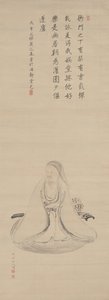
Nukina Kaioku
1778 - 1863 , Ճապոնիա
A művészről röviden
- Artistic Movement Or Style: Nanga Style
- Artists Or Movements Influenced By This Artist: ['Kara-e']
- Artists Who Influenced This Artist: ['Wang Xizhi']
- Date Of Birth: 1778
- Date Of Death: 1863
- Full Name: Nukina Kaioku
- Nationality: Japanese
- Notable Artworks: ['Lake Biwa in Four Seasons']
- Place Of Birth: Shikoku
Kapcsolódó cikkek

Katsushika Hokusai 25 Mesterműve: A Japán Art Élmény, Otthonodban – OriginalUniqueArt
Fedezze fel Katsushika Hokusai 25 legikonikusabb műalkotását! Merüljön el a japán ukiyo-e világában, ismerje meg a 'Nagy Hullám' történetét és más remekműveket. Museum minőségű reprodukciók otthonába – OriginalUniqueArt.com.
Serenity on Canvas: A Guide to the Timeless Beauty of Japanese Landscape Painting
Discover the serene beauty of Japanese landscape painting. From Hokusai's iconic woodblock prints to meditative sumi-e ink washes, explore a visual journey through the 'floating world' and learn how to bring this timeless Zen aesthetic into your modern home decor.

A Romantikus Tájképfestészet 10 Legikonikusabb Műalkotása – OriginalUniqueArt.com
Fedezze fel a romantikus tájképfestészet 10 legikonikusabb műalkotását! Caspar David Friedrich, J.M.W. Turner és más mesterek festményeinek története – inspiráló olajfestmények otthonába. OriginalUniqueArt.com: múzeumi minőségű reprodukciók és egyedi dekorációk online.

Zen on Canvas: The Timeless Beauty and Spiritual Depth of Japanese Landscape Painting
Explore the profound serenity of Japanese landscape painting. From Hokusai's waves to Zen-inspired ink washes, discover the history, technique, and spiritual depth of Ukiyo-e masters in this expert art historical guide for collectors and enthusiasts.
Beyond the Great Wave: The High-Impact Visual Revolution of Japanese Landscape Art
Go beyond Hokusai's Great Wave. Explore the high-impact, graphic world of Japanese Ukiyo-e landscapes and urban prints. Discover how these bold, vibrant woodblock masterpieces continue to shape modern pop culture and contemporary design aesthetics.

