Megtekintés
 Küldés
 Megosztás
 Részletek
 Útmutató

 Letöltés
 Hasonló darabok
 X-ray felvétel
 Diavetítés
 Kérdések és válaszok
 Statisztika
Boy in A dining Car


 Összes részlet megjelenítése
Az ezen az oldalon megjelenített műalkotások szerzői jogi védelem alatt állnak, ami azt jelenti, hogy törvényileg nem készíthetünk és nem adhatunk el belőlük pontos másolatokat. Ez a védelem olyan nemzetközi megállapodások alapján érvényesül, mint például a Berni Egyezmény és a nemzeti jogszabályok által, beleértve azokat is, amelyeket meghatározott Az USA szerzői jogi törvénye – 17. cím.
Ez a módszer teljes mértékben megfelel a szerzői jogi szabályozásnak, mivel nem tartalmazza a védett műalkotás másolását vagy duplikálását. Ehelyett ez egy kreatív újinterpretáció – egy új festmény, amely az eredetivel való összefüggései miatt hatással van rá, de nem az az.
Giclée / Műnyomat
Múzeumi minőségű giclée vagy vászonnyomat, gyors gyártással és rugalmas finomítási lehetőségekkel. ( Kézzel festett másolat rendelése Áttérés digitális képre)




P118B Ft10

P118H Ft10

P118W Ft10

P438Z Ft10

P508JH Ft12

P508YH Ft12

P805H Ft10

P805Z Ft10

P919BZ Ft10

P919G Ft10

P919XJ Ft10

P959ZH Ft10

P968JZ Ft12

W106C Ft8

W218G Ft10

W218JH Ft8

W218Y Ft10

W307PJ Ft10

W316G Ft10

W316PJ Ft8

W316Y Ft10

W398PJ Ft8

W4111J Ft10

W500HY Ft15

W500JH Ft15

W692G Ft12

W849H Ft8

W940BG Ft15

W953PJ Ft8




Válasszon előre meghatározott méreteink közül, amelyek megfelelnek a műalkotás eredeti arányainak.

Írja be a keretének vagy a falának megfelelő szélességet és magasságot. A nyomatot csak le lehet vágni, soha nem tehető nagyobbá, mint az eredeti kép, így egy eltérő alakú méretnél a kép egy része elveszik. Mielőtt bármit kinyatintanánk, küldünk egy digitális próbamodellt jóváhagyásra. Az oldalon látható kép nem tartalmazza a valós levágást — ezt csak a próbamodell mutatja meg.
Világszerte történő kiszállítás területére mindössze 2 hét alatt, a szokásos 4-5 hét helyett. (7 november)

Ingyenes globális expressz szállítás

Prémium minőségű len vászon

Teljes körű szállítási biztosítás

Vámvisszatérítési Garancia

Hiteles színarányosság garancia

100 napos visszaküldési lehetőség (csak hibás termékek esetén)

100% pénzvisszatérítési garancia

Több darab vásárlásakor kedvezmény
 Az üvegkeretes opció csak 110 cm alatti méretben érhető el

Boy in A dining Car
Giclée / Műnyomat
Reprodukció mérete
-


Összesített ár
Ft 26396
Boy in A Dining Car: An Exploration of American Life
Norman Rockwell’s “Boy in a Dining Car,” created in 1946, is more than just an illustration; it's a poignant snapshot of mid-20th century America. This oil on canvas masterpiece, measuring 96.5 x 45.7 cm, captures a fleeting moment of childhood observation and burgeoning responsibility within the context of American travel culture. The painting depicts a young boy engrossed in studying a menu while seated in a dining car, with a patient waiter attentively standing nearby. Rockwell’s ability to imbue everyday scenes with narrative depth makes this piece a quintessential example of American Regionalism.
Artistic Style and Technique
Rockwell's signature style is immediately recognizable through his meticulous attention to detail and masterful storytelling abilities. In “Boy in a Dining Car,” he employs a rich palette of colors and textures to create a sense of depth and realism. The boy’s neatly pressed suit, the crispness of the tablecloth, and the waiter’s uniform are rendered with remarkable precision, showcasing Rockwell's dedication to capturing the nuances of everyday attire. Linear perspective is skillfully utilized to draw the viewer into the scene, while soft lighting emanating from the windows creates a warm and inviting atmosphere. The brushwork is deliberate yet fluid, contributing to the overall sense of realism and narrative clarity. Rockwell’s technique demonstrates his ability to transform an ordinary setting into a compelling visual story.
Historical Context and American Regionalism
Created in 1946, “Boy in a Dining Car” reflects a specific moment in American history – the post-World War II era characterized by optimism and a renewed focus on domestic life. The painting’s setting within a dining car evokes the romance of train travel, a popular mode of transportation before the widespread adoption of automobiles and air travel. The artwork is firmly rooted in the American Regionalism movement, which sought to depict scenes and subjects specific to American life, rejecting European artistic trends. Rockwell's work, alongside artists like Grant Wood and Thomas Hart Benton, celebrated the values and experiences of ordinary Americans, contributing significantly to a uniquely American visual identity. The painting’s depiction of everyday interactions and familiar settings resonated deeply with audiences at the time and continues to evoke nostalgia today.
Symbolism and Meaning
Beyond its surface portrayal of a boy studying a menu, “Boy in a Dining Car” carries layers of symbolic meaning. The scene represents a rite of passage for the young boy, marking his transition from childhood innocence towards greater independence and responsibility. His focused attention on the menu suggests an emerging understanding of financial matters – calculating tips, a task often associated with adulthood. The waiter’s patient demeanor symbolizes guidance and mentorship, representing the subtle lessons learned through everyday interactions. The painting subtly explores themes of observation, anticipation, and perhaps even a touch of loneliness or detachment as the boy navigates this new experience. Ultimately, Rockwell captures a universal moment of growth and self-discovery within a seemingly ordinary setting.
Own a Piece of American Art History
Experience the timeless charm and narrative power of Norman Rockwell’s “Boy in a Dining Car” with our meticulously crafted handmade oil painting reproductions. Each reproduction is created by skilled artists who faithfully recreate Rockwell's original masterpiece, ensuring that every detail – from the subtle nuances of color to the expressive brushstrokes – is preserved. Bring this iconic piece of American art into your home or office and enjoy a lasting connection to a pivotal moment in American culture. The Norman Rockwell Museum and other prominent institutions have recognized Rockwell’s enduring legacy, solidifying his position as one of America's most beloved artists.
Kérdések és válaszok
Mi magyarázza a „Boy in A dining Car”, Norman Rockwell alkotása szerzői jogi helyzetét?
Norman Rockwell alkotása, a "Boy in A dining Car", még szerzői jog védi státuszban van. A szerzői jogi védelem a művész halálától számítod, Norman Rockwell pedig 1978 évben hunyt meg.
Van-e rozšíngtott valóság (AR) előnézete a(z) "Boy in A dining Car" alkotásnak?
A „Boy in A dining Car”, Norman Rockwell alkotása mű kiterjesztett valóság technológiával, egy kompatibilis eszközön keresztül, a mű Kiterjesztett valóság előnézet oldalán megtekinthető a saját falán is.
Hol tudok nyomtatványt vásárolni a(z) „Boy in A dining Car”, Norman Rockwell alkotása alkotásból?
A „Boy in A dining Car”, Norman Rockwell alkotása nyomtatott példányát egyszerűen megrendelheti a következő oldalon: minőségi giclée nyomat pamutvászonon vagy archiváló vászonpapíron, a Művészeti nyomtatvány kautta.
A művész életrajza
A Mirror to the American Soul: The Life and Legacy of Norman Rockwell
Norman Percevel Rockwell, született New Yorkban 1894-ben, nem csupán egy illusztrátor volt; a nagyköznép szívében mélyre ágyúzott amerikai élmény tükré. Legkorai álmai, amikor még apró jegyzeteiben foglalta le a papírt, a tizedekig tartó *Saturday Evening Post*-találó kapcsolatig, Rockwellnak egy különleges képesség volt: képes volt rögzíteni az élet mindennapi lényegét, átalakítva a szinte hétköznapoknak tűnő pillanatokat ikonikus reprezentációkká az amerikai identitásról. Eredete John Rockwellhoz vezethető vissza, aki 1635-ben érte el a koloniális Kelet-Németországot – egy mélyreható kapcsolatot teremtve a nemzet megalapozó éveivel, mely mélyen befolyásolta művészi látását. Rockwell formális tanulmányai a tizennégy éves korában kezdődtek a Chase Art Schoolben, majd folytatták a National Academy of Design és az Art Students League-en, ahol mesterek tanítása – Thomas Fogarty és Frank Vincent Dumond – megteremtette a technikáit, melyeket a narratív történetmesélés alapjául szolgált.Illusztrátor Egy Ideál: Rockwell Művészi Fejlődése
Rockwell karrierje kiteljesedett az első *Saturday Evening Post* címlap illusztrációival 1916-ban, ami egy rendkívül hosszú és virágzó partnerség kezdetét jelentette, mely több mint 300 alkotással ért el. Ezek nem csupán illusztrációk voltak; ablakok az idealizált Amerikára – a becsületes családokra, a csodálatos kisvárosokra és az örök érvényű értékekre. Korai munkái gyakran tartalmazták a könnyed humorral és melegrel teli jeleneteket, melyek mélyen resonáltak az amerikai közönségben. Azonban Rockwell művészi köre sokkal messze terjedt el az idyllikus ábrázeltől. Ahogy az Amerika turbulens időszakokban – két világháború, a nagy depresszió és a civil jogok mozgalma – a művete tükrözte ezeket a bonyodalmakat. A *Willie Gillis* sorozat például egy szívmelenő portréját kínálta egy átlagos katona tapasztalatairól a második világháborúban, humanizálva a konfliktust és rögzítve egy generáció reményeit és félelmeit. Rockwell nem korlátozta a karakterportrékat; a *Four Freedoms* festmények – Beszéd szabadsága, Újhitvallás szabadsága, Végzetetől mentes élet és Szerelem szabadsága – pedig hatalmas szimbólumokká váltak az amerikai ideáloknak, melyek széles körben kerültek kiadásba és kiállításon, több mint 130 millió dollárt gyűjtve a háború elleni erőfeszítések javára.Túl a Szentimentalizmusra: Küzdelmek a Társadalmi Valóságok Értékelésével
Bár gyakran ünneplik a nosztalgikus ábrázolását az amerikai életnek, Rockwell nem volt mentes kritikákból. Egyesek munkáit túlságosan szentimentalista vagy művészi mélység hiányosságai miatt kritizálták. Azonban egy szűkebb vizsgálat rámutat a nehéz társadalmi kérdésekkel való szembenézési készségére, különösen a karrier későbbi szakaszában. A *The Problem We All Live With* festmény, mely 1964-ben készült, példa erre. A kép egy hatéves afroamerikai kislányt ábrázolja, Ruby Bridges-t, aki a rasszista gyűlölet közepette a fedezék marsherek által kísértetésével megy az iskolába. Ez a munka, mely a Barack Obama elnöki időszakban kiállították a Fehér Házzban, meghaladt eredeti kontextusát és egy örök szimbólummá vált a civil jogok harcában. Rockwell készletei nem korlátozódtak a karakterportrékra; a *Four Freedoms* festmények – Beszéd szabadsága, Újhitvallás szabadsága, Végzetetől mentes élet és Szerelem szabadsága – pedig hatalmas szimbólumokká váltak az amerikai ideáloknak, melyek széles körben kerültek kiadásba és kiállításon, több mint 130 millió dollárt gyűjtve a háború elleni erőfeszítések javára.A Kulturális Hatás Ütéseként
Norman Rockwell hatása kiterjed a művészetek világán túl is. Ő lett szinonimusa egy adott látásmódnak az Amerikáról – amely gyökerezett a közösségben, a családi értékekben és az optimizmus érzetében. Művei bekerültek a népi kultúrába, inspirálva számtalan művészt, írót és filmeket készítőt. A "Rockwellesque" kifejezés is beépült a szókészletünkbe, melyet az idézeteknek adott ábrázolásokra használnak, melyek nosztalgikus vagy idealizált portrékat alkotnak az amerikai életből. Bár kezdetben néhány műkritikus kételkedett benne, Rockwell öröksége fennmaradt, festményei ma is jelentős árakon cserélődnek ki a művészeti piacokon és díszeik a hazai múzeumok falain, különösen a Norman Rockwell Múzeumban Stockbridge-ben, Massachusettsban – ami annak bizonyítéka, hogy művei örök érvényűek. 1977-ben kapta meg elismerésként az Amerikai Egyesült Államok Legfőbb Üdvözítőjét, egy megfelelő elismerést a művészet iránti mély elkötelezettségének.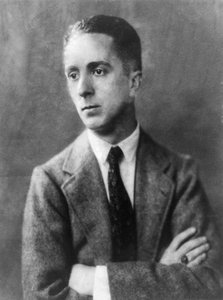
Norman Rockwell
1894 - 1978 , Egyesült Államok
Rövid információk
- Artistic Movement Or Style: Realizmus, illusztráció
- Artists Who Influenced This Artist:
- Fogarty
- Bridgman
- Dumond
- Date Of Birth: Feb 3, 1894
- Date Of Death: Nov 8, 1978
- Full Name: Norman Percevel Rockwell
- Nationality: Amerikai
- Notable Artworks:
- Willie Gillis
- Rosie Riveter
- Négy Szabadalom
- Szerezz magadra
- Place Of Birth: New York City, USA
Kapcsolódó cikkek
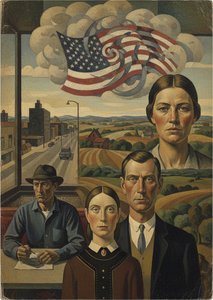
Echoes of Place: Regionalism & American Identity in Interwar Art
Explore the rise of American Regionalism in interwar art! Discover Grant Wood, Thomas Hart Benton & the movement's impact on American identity. Expert analysis & historical context.
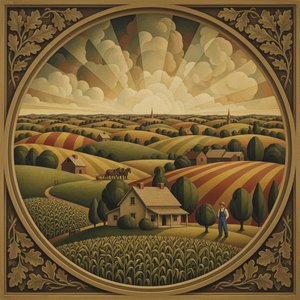
Grant Wood & American Regionalism: Identity, Myth & the Rural Landscape
Explore the world of Grant Wood & American Regionalism with OriginalUniqueArt. Discover the symbolism behind 'American Gothic', recurring themes, and the movement's lasting impact on art history. High-quality reproductions available.

Norman Rockwell: Illuminating American Life Through Narrative Realism
Explore the life & art of Norman Rockwell, America's beloved illustrator. Discover his iconic paintings, social commentary, signature style, and enduring legacy. Learn about collecting Rockwell’s work at OriginalUniqueArt.
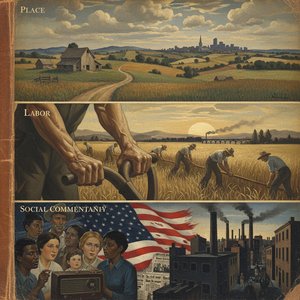
American Regionalism: A Crucible of Identity – Exploring Themes of Place, Labor & Social Commentary
Explore American Regionalism's powerful depiction of the American heartland during the Great Depression. Discover Grant Wood, Thomas Hart Benton & more. Expert analysis & high-quality art reproductions at OriginalUniqueArt.

American Regionalism: The Soul of the Heartland and the Mastery of Grant Wood
Explore the profound history of American Regionalism. Discover how Grant Wood captured the heart of the Midwest through masterpieces like American Gothic. An expert guide to the movement, its cultural impact, and the enduring beauty of American Realism.