
 Megtekintés
 Küldés
 Megosztás
 Részletek
 Útmutató

 Letöltés
 Hasonló darabok
 X-ray felvétel
 Diavetítés
 Kérdések és válaszok
 Statisztika
Peasant and his son

- 75.0 x 56.0 cm


 Összes részlet megjelenítése
Giclée / Műnyomat
Múzeumi minőségű giclée vagy vászonnyomat, gyors gyártással és rugalmas finomítási lehetőségekkel. ( Kézzel festett másolat rendelése Áttérés digitális képre)




P118B Ft10

P118H Ft10

P118W Ft10

P438Z Ft10

P508JH Ft12

P508YH Ft12

P805H Ft10

P805Z Ft10

P919BZ Ft10

P919G Ft10

P919XJ Ft10

P959ZH Ft10

P968JZ Ft12

W106C Ft8

W218G Ft10

W218JH Ft8

W218Y Ft10

W307PJ Ft10

W316G Ft10

W316PJ Ft8

W316Y Ft10

W398PJ Ft8

W4111J Ft10

W500HY Ft15

W500JH Ft15

W692G Ft12

W849H Ft8

W940BG Ft15

W953PJ Ft8




Válasszon előre meghatározott méreteink közül, amelyek megfelelnek a műalkotás eredeti arányainak.

Írja be a keretének vagy a falának megfelelő szélességet és magasságot. A nyomatot csak le lehet vágni, soha nem tehető nagyobbá, mint az eredeti kép, így egy eltérő alakú méretnél a kép egy része elveszik. Mielőtt bármit kinyatintanánk, küldünk egy digitális próbamodellt jóváhagyásra. Az oldalon látható kép nem tartalmazza a valós levágást — ezt csak a próbamodell mutatja meg.
Világszerte történő kiszállítás területére mindössze 2 hét alatt, a szokásos 4-5 hét helyett. (4 november)

Ingyenes globális expressz szállítás

Prémium minőségű len vászon

Teljes körű szállítási biztosítás

Vámvisszatérítési Garancia

Hiteles színarányosság garancia

100 napos visszaküldési lehetőség (csak hibás termékek esetén)

100% pénzvisszatérítési garancia

Több darab vásárlásakor kedvezmény
 Az üvegkeretes opció csak 110 cm alatti méretben érhető el

Peasant and his son
Giclée / Műnyomat
Reprodukció mérete
-


Összesített ár
Ft 26301
A Glimpse into Georgian Rural Life: Niko Pirosmani's "Peasant and his Son"
Niko Pirosmani’s “Peasant and his son,” painted in 1908, offers a poignant window into the soul of rural Georgia at the turn of the twentieth century. This vertical oil painting isn't merely a depiction of two figures; it is an embodiment of generational connection, quiet dignity, and the timeless rhythms of agricultural life. The scene unfolds outdoors, suggested by the tall stalks that rise in the background—resembling reeds or corn—creating a backdrop evocative of the Georgian countryside. An elderly man dominates the left side of the composition, his presence weighty and grounded, while his young son stands to the right, presenting something unseen to his father. This simple act forms the heart of the painting’s narrative, hinting at respect, inheritance, or perhaps the passing down of knowledge—a symbolic exchange that resonates across time and cultures. The overall impression is one of profound stillness, a moment captured in amber, inviting contemplation on themes of family, tradition, and the enduring strength of human bonds.The Language of Primitivism: Style and Technique
Pirosmani’s artistic style defies easy categorization, often described as primitivist or naive. He wasn't formally trained; his skill blossomed from a deep observation of the world around him and an innate ability to translate that vision onto canvas. This lack of formal training is evident in the painting’s deliberate simplicity—a flattened perspective characteristic of folk art traditions, where illusionistic space takes a backseat to emotional impact. The artist employs visible brushstrokes, layering oil paints to create texture, particularly noticeable in the man's beard and robes, lending them a tactile quality that draws the viewer closer. Lines are used purposefully to define forms – both figures and surrounding vegetation—creating a sense of solidity and depth despite the overall flatness. The palette is predominantly dark: browns, blacks, and muted reds dominate, contributing to a somber yet contemplative mood. This restrained use of color amplifies the painting’s emotional weight, focusing attention on the subjects' faces and their interaction. Pirosmani often worked on oilcloth rather than traditional canvas, a testament to his resourcefulness and perhaps adding another layer of rustic authenticity to his work.A Georgian Visionary: Context and Legacy
To fully appreciate “Peasant and his son,” it’s essential to understand the context in which it was created. Niko Pirosmani lived a life largely outside the mainstream art world, working various odd jobs while pursuing his passion for painting. He was a self-taught artist who captured the essence of Georgian culture with remarkable honesty and sensitivity. His work gained recognition later in his life thanks to the support of Russian poets and artists like Mikhail Le-Dantyu and Kirill Zdanevich, who championed his unique vision. Pirosmani’s style resonated with the burgeoning primitivist movement, which celebrated art created outside established academic traditions. He became a pivotal figure in 20th-century Georgian art, influencing generations of artists with his distinctive approach to subject matter and technique. His paintings offer invaluable insights into the social fabric and daily life of Georgia during a period of significant change and transition.Emotional Resonance: A Timeless Portrait
Beyond its historical significance and artistic merit, “Peasant and his son” possesses an undeniable emotional power. The painting evokes a sense of quiet dignity and timelessness—a feeling that transcends the specific time and place depicted. The connection between father and son is palpable, conveyed through their posture and gaze. There's a profound tenderness in the boy’s offering, and a gentle acceptance in the man’s response. This isn’t a grand narrative of triumph or tragedy; it’s a simple moment of human interaction elevated to something extraordinary by Pirosmani’s masterful touch. The painting invites viewers to reflect on their own relationships with family, tradition, and the enduring values that shape our lives—making it a work of art that continues to resonate deeply with audiences today.Kérdések és válaszok
Mely színek dominálnak a(z) „Peasant and his son”, Нико Пиросмани alkotása alkotásban?
A „Peasant and his son”, Нико Пиросмани alkotása színek identitása: egy Earthy paletta, amelyet Black (#150d12) dominál.
Milyen reprodukciós méretet javasol a „Peasant and his son”, Нико Пиросмани alkotása alkotáshoz?
A „Peasant and his son”, Нико Пиросмани alkotása ajánlott nyomtatási mérete: Medium.
Milyen színtelítettséggel rendelkezik „Peasant and his son”, Нико Пиросмани alkotása?
A „Peasant and his son”, Нико Пиросмани alkotása alkotás Muted telítettségű színekkel készült.
A művész életrajza
korai élet és karrier
Niko Pirosmani, a georgiai primitív festő 1862-ben született Mirzaani falujában, Kacheti tartományban. Szülői, Aszlan Pirosmanashvili és Tekle Toklikishvili kis termelőgazdák voltak, akik egy apró szőlőültetvényt is birtokoltak. Fiatal korában árvázzá vált, így két idősebb nővére gondoskodott felőle.művészeti stílus és témák
Pirosmani művészeti stílusa a naiv és a primitív jellegével határozható meg, alkotásai pedig gyakran a georgiai mindennapi élet jeleneteit örökítik meg. Festményei, amelyek többségét olasz vászonra (olajvászon) készítette, egyedülálló kompozíciós érzékét és a alakok frontális elhelyezését mutatják be. A művész mély szeretettel viselték a természetet és a vidéki életet, ezért munkásságában ritkán szerepelnek városi tájak.kiemelt alkotások és kiállítások
Pirosmani legfontosabb alkotásai közé tartozik:- Musha bortartónnyal, egy festmény, amely képes megragadni a georgiai kultúra lényegét.
- Georgiai esküvő, amely a hagyományos georgiai esküvői szertartás regisztrációja.
- Zhdanevich portré, a szovjet költő, Mihail Lerdantj portréja, amely lenyűgözte Kirill Zhdanevicsot és testvérét, Ilija Zhdanevicsot is.
örökség és posztumós elismerés
Pirosmani életét mély szegénység kísérte, de halála után kapott elismerése jelentős volt. Művészete számos kiállítás során dicséretre futott, beleértve az első nagy georgiai festők kiállítását 1918-ban. Nap idag festményei a georgiai művészeti múzeumban és a szighnaghai történelmi-etnográfiai múzeumban láthatóak, több mint 350 000 látogató számára. Tekintse meg Niko Pirosmani műveit az OriginalUniqueArt oldalon Olvasson tovább Niko Pirosmaniról a Wikipédián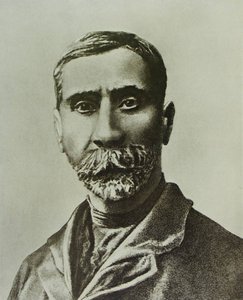
Нико Пиросмани
1862 - 1918 , Грузия
Rövid információk
- Artistic Movement Or Style: Primitivism Art
- Artists Who Influenced This Artist: ['Vladimir Lado Gudiashvili']
- Date Of Birth: May 5, 1862
- Date Of Death: April 9, 1918
- Full Name: Nikoláy Aslánovich Pirosmanashvíli
- Nationality: Georgian
- Notable Artworks:
- Musha with a Wineskin
- Georgian Wedding
- Portrait of Zhdanevich
- Place Of Birth: Mirzaani, Kakheti Province, Georgia
Kapcsolódó cikkek
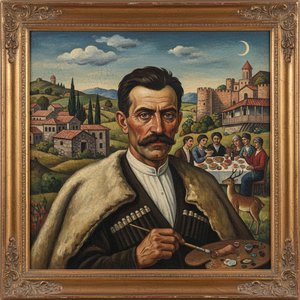
Niko Pirosmani: A Georgian Visionary – Life, Legacy, and the Poetics of Outsider Art
Discover the captivating life & art of Niko Pirosmani, Georgia’s celebrated primitivist painter. Explore his unique oilcloth paintings, lasting influence, and enduring legacy with OriginalUniqueArt.
Cultivating Visions: Rural Life & Social Commentary in Art History
Explore the rich history of rural life in art! Discover masterpieces from Dutch Masters to Van Gogh & Courbet. Uncover artistic movements, social significance & expert collecting insights at OriginalUniqueArt.
Cultivating Visions: A Historical Exploration of Rural Life in Painting
Explore the rich history of rural life in painting! Discover masterpieces from Dutch Masters to Courbet & Watteau. Uncover the artistic and social significance of idyllic landscapes and peasant scenes.

Echoes of Rural Life: Nostalgia, Labor & Identity in Art History
Explore the rich history of rural life in art! Discover how Realism captured labor & identity through masterpieces by Van Gogh, Millet & more. Expert analysis for collectors and enthusiasts.

Echoes of Rural Life: Art's Enduring Representations of the Countryside
Explore the rich history of rural life in art! Discover masterpieces from Millet to Mauve & beyond. Learn about Realism, Barbizon School & find inspiration for your home with OriginalUniqueArt.
