
 Megtekintés
 Küldés
 Megosztás
 Részletek
 Útmutató

 Letöltés
 Hasonló darabok
 X-ray felvétel
 Diavetítés
 Kérdések és válaszok
 Statisztika
Bear hunting

- 107.0 x 57.0 cm


 Összes részlet megjelenítése
Giclée / Műnyomat
Múzeumi minőségű giclée vagy vászonnyomat, gyors gyártással és rugalmas finomítási lehetőségekkel. ( Kézzel festett másolat rendelése Áttérés digitális képre)




P118B Ft10

P118H Ft10

P118W Ft10

P438Z Ft10

P508JH Ft12

P508YH Ft12

P805H Ft10

P805Z Ft10

P919BZ Ft10

P919G Ft10

P919XJ Ft10

P959ZH Ft10

P968JZ Ft12

W106C Ft8

W218G Ft10

W218JH Ft8

W218Y Ft10

W307PJ Ft10

W316G Ft10

W316PJ Ft8

W316Y Ft10

W398PJ Ft8

W4111J Ft10

W500HY Ft15

W500JH Ft15

W692G Ft12

W849H Ft8

W940BG Ft15

W953PJ Ft8




Válasszon előre meghatározott méreteink közül, amelyek megfelelnek a műalkotás eredeti arányainak.

Írja be a keretének vagy a falának megfelelő szélességet és magasságot. A nyomatot csak le lehet vágni, soha nem tehető nagyobbá, mint az eredeti kép, így egy eltérő alakú méretnél a kép egy része elveszik. Mielőtt bármit kinyatintanánk, küldünk egy digitális próbamodellt jóváhagyásra. Az oldalon látható kép nem tartalmazza a valós levágást — ezt csak a próbamodell mutatja meg.
Világszerte történő kiszállítás területére mindössze 2 hét alatt, a szokásos 4-5 hét helyett. (4 november)

Ingyenes globális expressz szállítás

Prémium minőségű len vászon

Teljes körű szállítási biztosítás

Vámvisszatérítési Garancia

Hiteles színarányosság garancia

100 napos visszaküldési lehetőség (csak hibás termékek esetén)

100% pénzvisszatérítési garancia

Több darab vásárlásakor kedvezmény
 Az üvegkeretes opció csak 110 cm alatti méretben érhető el

Bear hunting
Giclée / Műnyomat
Reprodukció mérete
-


Összesített ár
Ft 26538
A Savage Symphony in Oilcloth: Niko Pirosmani’s “Bear Hunting”
Niko Pirosmani, a largely forgotten titan of Georgian art, possessed an extraordinary ability to distill the essence of rural life and primal emotion onto humble oilcloth canvases. His work, often dismissed as naive or primitive during his lifetime, now stands as a testament to raw honesty and a uniquely captivating vision. “Bear Hunting,” painted in the 1890s, is arguably Pirosmani’s most dramatic and compelling piece – a visceral depiction of a hunting expedition that transcends mere representation, plunging the viewer directly into the heart of Georgian wilderness and the brutal beauty of its traditions.
The scene unfolds within a dense, almost claustrophobic forest. A group of French chasseurs, clad in meticulously rendered uniforms of dark blue and brown, pursue a colossal bison – an animal rendered with astonishing power and scale. The composition is deliberately chaotic; figures are crammed together, limbs tangle, and the bison dominates the frame, its immense form dwarfing the hunters below. Pirosmani eschews traditional perspective, favoring instead a flattened, frontal approach that intensifies the drama and immediacy of the action. Lines are bold and directional, guiding the eye relentlessly across the canvas, mirroring the hunters’ desperate pursuit.
The Primitivist Palette: Color and Texture
Pirosmani's distinctive style is immediately recognizable through his masterful use of color and texture. He employs a restricted palette dominated by deep greens, earthy browns, and muted blues – colors that evoke the dampness and shadow of the forest floor. These somber tones are punctuated by flashes of brighter hues—the crimson of blood (implied), the ochre of the bison’s hide, and the occasional splash of yellow or white to highlight key figures. Crucially, Pirosmani worked on oilcloth, a readily available and inexpensive material in Georgia, which lends his paintings a unique tactile quality. The thick, impasto brushstrokes are visible throughout the composition, creating a palpable sense of physicality – you can almost feel the roughness of the bark beneath your fingers and the weight of the hunters’ clothing.
The technique itself is deliberately rough-hewn, reflecting Pirosmani's lack of formal training. He eschewed meticulous detail in favor of capturing the *feeling* of the scene – the tension, the urgency, the raw energy of the hunt. This approach aligns perfectly with the principles of Primitivism, a movement that sought to strip away academic conventions and return to a more direct, emotionally charged form of expression.
Symbolism of the Hunt: Power, Tradition, and Mortality
“Bear Hunting” is far more than just a depiction of a hunting scene; it’s laden with symbolic meaning. The hunt itself represents power, control, and the enduring traditions of Georgian rural life. For centuries, hunting had been a vital part of the region's economy and culture, providing sustenance and reinforcing social hierarchies. However, Pirosmani doesn’t glorify this activity. Instead, he presents it with a stark realism that acknowledges its inherent violence and potential for destruction.
The massive bison, a symbol of strength and wildness, embodies the forces of nature that the hunters seek to subdue. The implied bloodshed – hinted at through subtle color choices—underscores the cost of this conquest. Furthermore, Pirosmani’s unflinching portrayal of human figures engaged in such a brutal act raises questions about humanity's relationship with the natural world and the consequences of unchecked ambition. The painting subtly evokes themes of mortality and the fleeting nature of life, mirroring the precariousness of both hunter and hunted.
A Window into Georgian Soul: Pirosmani’s Legacy
Niko Pirosmani's work offers a rare glimpse into the soul of Georgia in the late 19th century. His paintings are not merely aesthetically pleasing; they are windows into a world of hardship, resilience, and profound connection to the land. Rediscovered in the mid-20th century, Pirosmani’s art has since gained international recognition as a cornerstone of Georgian primitivism and a powerful example of outsider art. Reproductions of “Bear Hunting” – available through OriginalUniqueArt – allow us to experience this extraordinary vision firsthand, inviting us to contemplate the enduring power of raw emotion and the timeless beauty of the Georgian landscape.
Kérdések és válaszok
Milyen technikával készült és milyen méretű „Bear hunting”, Нико Пиросмани alkotása?
A "Bear hunting" alkotás Oil On Canvas technikával készült, eredeti mérete pedig 107 x 57 cm.
Mekkora méretű nyomtatás Bear hunting alkotást illene a szobámba?
A „Bear hunting”, Нико Пиросмани alkotása javasolt nyomtatási mérete Large egy Living Room számára.
Milyen közös tulajdonságokat oszt meg a "Bear hunting" Нико Пиросмани további alkotásaival?
A "Bear hunting" megosztja Нико Пиросмани többi művével a Primitivism stílust és a rögzített témákat: european realism influence, georgian rural life depiction, power & nature conflict, hunter's instincts shown, pirosmani's primitive style, iconic georgian portraiture, early 20th century vision, unique artistic voice.
A művész életrajza
korai élet és karrier
Niko Pirosmani, a georgiai primitív festő 1862-ben született Mirzaani falujában, Kacheti tartományban. Szülői, Aszlan Pirosmanashvili és Tekle Toklikishvili kis termelőgazdák voltak, akik egy apró szőlőültetvényt is birtokoltak. Fiatal korában árvázzá vált, így két idősebb nővére gondoskodott felőle.művészeti stílus és témák
Pirosmani művészeti stílusa a naiv és a primitív jellegével határozható meg, alkotásai pedig gyakran a georgiai mindennapi élet jeleneteit örökítik meg. Festményei, amelyek többségét olasz vászonra (olajvászon) készítette, egyedülálló kompozíciós érzékét és a alakok frontális elhelyezését mutatják be. A művész mély szeretettel viselték a természetet és a vidéki életet, ezért munkásságában ritkán szerepelnek városi tájak.kiemelt alkotások és kiállítások
Pirosmani legfontosabb alkotásai közé tartozik:- Musha bortartónnyal, egy festmény, amely képes megragadni a georgiai kultúra lényegét.
- Georgiai esküvő, amely a hagyományos georgiai esküvői szertartás regisztrációja.
- Zhdanevich portré, a szovjet költő, Mihail Lerdantj portréja, amely lenyűgözte Kirill Zhdanevicsot és testvérét, Ilija Zhdanevicsot is.
örökség és posztumós elismerés
Pirosmani életét mély szegénység kísérte, de halála után kapott elismerése jelentős volt. Művészete számos kiállítás során dicséretre futott, beleértve az első nagy georgiai festők kiállítását 1918-ban. Nap idag festményei a georgiai művészeti múzeumban és a szighnaghai történelmi-etnográfiai múzeumban láthatóak, több mint 350 000 látogató számára. Tekintse meg Niko Pirosmani műveit az OriginalUniqueArt oldalon Olvasson tovább Niko Pirosmaniról a Wikipédián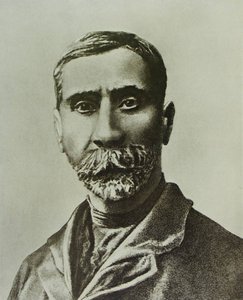
Нико Пиросмани
1862 - 1918 , Грузия
Rövid információk
- Artistic Movement Or Style: Primitivism Art
- Artists Who Influenced This Artist: ['Vladimir Lado Gudiashvili']
- Date Of Birth: May 5, 1862
- Date Of Death: April 9, 1918
- Full Name: Nikoláy Aslánovich Pirosmanashvíli
- Nationality: Georgian
- Notable Artworks:
- Musha with a Wineskin
- Georgian Wedding
- Portrait of Zhdanevich
- Place Of Birth: Mirzaani, Kakheti Province, Georgia
Kapcsolódó cikkek

The Enduring Legacy of Oil on Canvas: Technique, History & Aesthetic Impact
Explore the rich history & techniques of oil painting – from Renaissance masters to Impressionism. Discover pigments, layering methods, and why this timeless medium endures. Expert insights for artists & art enthusiasts.

The Enduring Power of Painting: A Historical & Contemporary Exploration of Form and Emotion
Explore the rich history & enduring techniques of oil painting with OriginalUniqueArt. Discover masterpieces, learn about art collecting, and find authentic handmade reproductions crafted by skilled artists.

Oil on Canvas: A Historical & Technical Exploration of a Timeless Artistic Medium
Explore the rich history & enduring techniques of oil painting on canvas. Discover the science behind its longevity, conservation practices, and contemporary relevance. Expert insights for art enthusiasts.
Niko Pirosmani: A Georgian Visionary – Life, Legacy, and the Poetics of Outsider Art
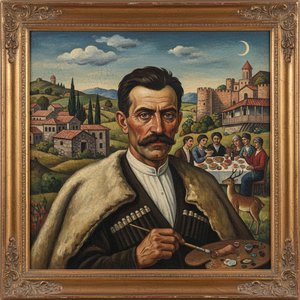
Discover the captivating life & art of Niko Pirosmani, Georgia’s celebrated primitivist painter. Explore his unique oilcloth paintings, lasting influence, and enduring legacy with OriginalUniqueArt.

Az olajfestészet örökös hagyatéka: technika, történelem és kortárs gyakorlat
Fedezze fel az olajfestészet történetét, technikáit és a kortárs művészeti trendeket! Szakértői útmutatók, híres festők alkotásai és tippek az olajfestmény ápolásához. Inspirálódjon most!
