Váltás nyomtatványra
 Összes részlet megjelenítése







































 A bármely oldalsó méretét túlszálaló 105 cm (kb. 41 hüvelyk) meghaladó műalkotások vagy reprodukciók esetében a keret összeszerelhető készletként, szétszerelve kerül szállításra. Ez a módszer biztosítja a biztonságos szállítást, és megakadályozza a szállítás során fellépő sérüléseket.


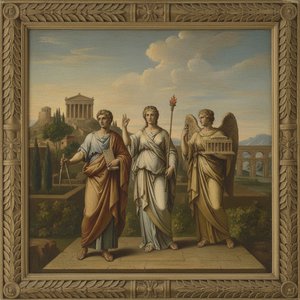
A Symphony of Myth and Light: Exploring Nicolas Poussin’s “Selene and Endymion”
The painting "Selene and Endymion" by Nicolas Poussin stands as a cornerstone of French Baroque art, yet its roots lie firmly planted in the intellectual fervor of Renaissance Italy. More than just a depiction of mythological figures—the lunar goddess Selene and her beloved Endymion—it’s an exquisitely crafted meditation on themes of beauty, immortality, and the sublime, achieved through masterful technique and imbued with profound symbolic resonance. Poussin's Roman apprenticeship profoundly shaped his artistic sensibilities, fostering a dedication to classical ideals that would permeate his oeuvre throughout his prolific career.- Subject Matter: The artwork portrays Selene, queen of the moon, gently guiding Endymion, a shepherd king renowned for his eternal slumber and youthful complexion, towards a radiant celestial bed. This narrative draws heavily from Greek mythology, specifically Hesiod’s “Works and Days,” where Selene tirelessly pursues Endymion across the heavens to bestow upon him everlasting beauty and tranquility.
- Style: Poussin's style exemplifies High Baroque aesthetics—characterized by monumental scale, idealized forms, and a deliberate restraint of color. Unlike the exuberant dynamism prevalent in many contemporary canvases, “Selene and Endymion” exudes serenity and contemplative grace. The artist prioritizes clarity of form and composition over dramatic gesture, creating an image that feels timeless and profoundly serene.
- Technique: Poussin employed a technique known as *alla prima,* meaning "at first sight," which involved applying paint directly onto the canvas in a single session. This method ensured exceptional tonal accuracy and allowed for meticulous blending—a hallmark of his distinctive style. The artist skillfully utilized chiaroscuro, manipulating light and shadow to sculpt form and heighten emotional impact, guiding the viewer’s gaze across the expansive landscape and towards the luminous celestial bed.
Historical Context: Echoes of Antiquity and Renaissance Humanism
Painted around 1640-1642 during Poussin's peak creative period in Rome, “Selene and Endymion” reflects the broader intellectual climate of its time—a resurgence of interest in classical antiquity fueled by humanist scholarship. The rediscovery of Greek texts and sculptures invigorated artistic imagination, prompting artists to emulate the grandeur and moral seriousness of ancient art. Poussin’s depiction aligns perfectly with this trend, presenting a harmonious vision of idealized beauty rooted in philosophical contemplation. It stands as a testament to the enduring influence of classical ideals on European culture.Symbolism: Light, Beauty, and Transcendence
Beyond its narrative content, “Selene and Endymion” is laden with symbolic significance. The celestial bed represents immortality—a realm beyond earthly concerns where beauty reigns supreme and time ceases to exist. Selene’s gentle guidance symbolizes divine providence, suggesting that even in the face of mortality, grace and compassion prevail. The luminous landscape serves as a backdrop for this ethereal drama, embodying the sublime—that awe-inspiring experience of encountering something vast and powerful beyond human comprehension.Emotional Impact: A Balm for the Soul
The painting’s enduring appeal lies in its ability to evoke profound emotional responses. Its tranquil atmosphere invites contemplation and fosters a sense of wonder, transporting viewers to a realm of idealized beauty and spiritual serenity. “Selene and Endymion” speaks to our deepest desires—for peace, harmony, and an appreciation for the sublime—making it a timeless masterpiece that continues to inspire artists and collectors alike.Kérdések és válaszok
A „Selene and Endymion”, Poussin Nicolas alkotása a művész honcountryjában található?
Nem – a műtárgy külföldön található. Poussin Nicolas Franciaország-ban született, a „Selene and Endymion” eredeti darabja pedig Egyesült Államok-ban található múzeum gyűjteményében található.
Milyen fényerő ébreszt fel „Selene and Endymion”, Poussin Nicolas alkotása alkotást?
Összességében a "Selene and Endymion" alkotás deep_shadow fényerőséget mutat. A tapasztalt fényerő azt írja le, hogy a mű mennyire tűnik világosnak vagy sötétnek.
Ki készítette a "Selene and Endymion" alkotást, és milyen stílusú?
A „Selene and Endymion” alkotását Poussin Nicolas készítette French Baroque stílusban. A művész és a műveszetség meghatározza a mű hagyományát.
Több információ erről a festményről
 Megtekintés
 Küldés
 Megosztás
 Részletek
 Útmutató

 Letöltés
 Hasonló darabok
 X-ray felvétel
 Diavetítés
 Kérdések és válaszok
 Statisztika