

 Megtekintés
 Küldés
 Megosztás
 Részletek
 Útmutató

 Letöltés
 Hasonló darabok
 X-ray felvétel
 Diavetítés
 Q&A
Q&A Statisztika
CONVERSATION GALANTE


 Összes részlet megjelenítése
Giclée / Műnyomat
Múzeumi minőségű giclée vagy vászonnyomat, gyors gyártással és rugalmas finomítási lehetőségekkel. ( Kézzel festett másolat rendelése Áttérés digitális képre)




P118B Ft10

P118H Ft10

P118W Ft10

P438Z Ft10

P508JH Ft12

P508YH Ft12

P805H Ft10

P805Z Ft10

P919BZ Ft10

P919G Ft10

P919XJ Ft10

P959ZH Ft10

P968JZ Ft12

W106C Ft8

W218G Ft10

W218JH Ft8

W218Y Ft10

W307PJ Ft10

W316G Ft10

W316PJ Ft8

W316Y Ft10

W398PJ Ft8

W4111J Ft10

W500HY Ft15

W500JH Ft15

W692G Ft12

W849H Ft8

W940BG Ft15

W953PJ Ft8




Válasszon előre meghatározott méreteink közül, amelyek megfelelnek a műalkotás eredeti arányainak.

Írja be a keretének vagy a falának megfelelő szélességet és magasságot. A nyomatot csak le lehet vágni, soha nem tehető nagyobbá, mint az eredeti kép, így egy eltérő alakú méretnél a kép egy része elveszik. Mielőtt bármit kinyatintanánk, küldünk egy digitális próbamodellt jóváhagyásra. Az oldalon látható kép nem tartalmazza a valós levágást — ezt csak a próbamodell mutatja meg.
Világszerte történő kiszállítás területére mindössze 2 hét alatt, a szokásos 4-5 hét helyett. (30 október)

Ingyenes globális expressz szállítás

Prémium minőségű len vászon

Teljes körű szállítási biztosítás

Vámvisszatérítési Garancia

Hiteles színarányosság garancia

100 napos visszaküldési lehetőség (csak hibás termékek esetén)

100% pénzvisszatérítési garancia

Több darab vásárlásakor kedvezmény
 Az üvegkeretes opció csak 110 cm alatti méretben érhető el

CONVERSATION GALANTE
Giclée / Műnyomat
Reprodukció mérete
-


Összesített ár
Ft 25847
A Glimpse into Rococo Society: Unveiling Conversation Galante
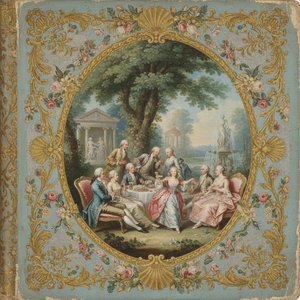
Nicolas Lancret’s “Conversation Galante” isn't merely a painting; it’s a meticulously crafted window into the opulent and subtly decadent world of 18th-century French aristocracy. Completed around 1743, during the reign of Louis XV, this work embodies the Rococo style at its most charming – a delicate dance between flirtation, leisure, and social maneuvering. The scene unfolds within a lush, verdant landscape, hinting at an idyllic retreat from the formalities of court life. Lancret masterfully captures not just appearances but also the unspoken language of polite society, where glances, gestures, and carefully chosen words held immense significance.
The composition immediately draws the eye to a central couple – a man and woman engaged in what appears to be a lighthearted exchange. A smaller figure, likely a young gentleman, is positioned slightly behind them, suggesting an attentive observer or perhaps a hopeful suitor. The arrangement isn’t overtly dramatic; instead, it exudes a sense of relaxed elegance, typical of the *fête galante* genre that Lancret so expertly portrayed. Notice how the figures are draped in flowing fabrics, their postures graceful and unhurried – a deliberate contrast to the rigid formality often associated with aristocratic gatherings.
A Symphony of Pastel Colors and Delicate Brushwork
Lancret’s technical skill is immediately apparent in the painting's exquisite color palette. He employs a masterful use of pastel hues—soft yellows, blush pinks, muted blues, and earthy greens—creating an atmosphere of airy lightness and refined beauty. The brushstrokes are remarkably subtle, almost translucent, contributing to the overall sense of softness and fluidity. This technique, characteristic of Rococo painting, emphasizes texture and light rather than sharp outlines or dramatic contrasts. Observe how Lancret uses *sfumato*, a blurring effect that softens edges and creates an ethereal quality, particularly in the foliage and the figures’ clothing.
The impasto technique is also evident in certain areas, notably in the details of the flowers and foliage, adding a tactile dimension to the painting. Lancret's attention to detail extends to the rendering of fabrics – the folds of the dresses, the textures of the velvet cushions—each element meticulously crafted to convey a sense of luxury and refinement. The lighting is diffused and gentle, originating from an unseen source on the left side of the composition, casting subtle shadows that enhance the depth and dimensionality of the scene.
Symbolism and the Language of Courtly Life
“Conversation Galante” is rich in symbolic meaning, reflecting the values and conventions of 18th-century French society. The setting itself—a secluded garden or park—represents a space of escape and intimacy, shielded from the pressures of public life. The conversation between the figures suggests a delicate dance of courtship, where social graces and unspoken desires intertwine. The small gestures – a glance exchanged, a hand lightly touching—speak volumes about the complex dynamics of relationships within aristocratic circles.
The painting’s overall mood is one of playful sophistication, but beneath the surface lies a subtle commentary on the constraints and expectations placed upon women in that era. While seemingly engaged in a lighthearted exchange, the woman's posture and expression hint at a degree of restraint and carefully controlled behavior. Lancret captures this duality with remarkable sensitivity, offering viewers a glimpse into both the pleasures and the limitations of aristocratic life.
A Timeless Masterpiece: Reproduction and Beyond
“Conversation Galante” remains a captivating work of art, admired for its exquisite beauty, technical skill, and insightful portrayal of 18th-century society. Reproductions offer an accessible way to experience the charm and elegance of this iconic painting, bringing its delicate colors and subtle nuances into any interior space. Consider framing a high-quality reproduction in a classic style to complement its Rococo aesthetic, or explore options for commissioning a custom hand-painted replica that captures the spirit of Lancret’s original masterpiece.
Kérdések és válaszok
Mennyire világos összességében a "CONVERSATION GALANTE"?
A „CONVERSATION GALANTE”, Nicolas Lancret alkotása érzetelt fényessége shadow. Ez összehangolható az adott tér világításával.
Milyen viszonyban áll egymáshoz a "CONVERSATION GALANTE" színei?
A „CONVERSATION GALANTE”, Nicolas Lancret alkotása színei Unified Palette harmóniát mutatnak be. A harmónia azt írja le, hogyan kapcsolódnak egymáshoz a színek.
Hogyan épül fel a „CONVERSATION GALANTE”, Nicolas Lancret alkotása színes kompozíciója?
A „CONVERSATION GALANTE”, Nicolas Lancret alkotása színelemzése Gentle kontrasztot és Unified Palette harmóniát mutat be.
A művész életrajza
Nicolas Lancret: A Rokoko Bájának Világa
Nicolas Lancret, akit gyakran Watteau árnyékában emlegetnek, mégis egyedi hangon szólaltatott meg a 18. századi francia művészetben. Párizsban született 1690 januárjában, és 1743 szeptemberében itt is hunyt el, élete során lenyomatot hagyva a Rokoko kor eleganciáján és játékosságán. Bár az életéről kevesebb információ maradt fenn, mint munkáiról, Lancret művészpályája egyértelműen Pierre d’Ulin tanítványaként kezdődött, majd Antoine Watteau lenyűgöző hatása alatt állt, tanulmányai során Jean-Baptiste Gillot mester irányítása alatt is fejlődve, aki maga is Watteau diákja volt. Ez a képzési időszak alapozta meg Lancret jellegzetes stílusát, amely könnyed ábrázolásokat kínál a párizsi társadalomról és az *fêtes galantes* ünnepségeiről.A Rokoko Színtere: Életképek és Társadalmi Ábrázolások
Lancret neve hamarosan összeforrt a francia társadalom mindennapi életének ragyogó ábrázolásával, a Régence korában és a fiatalabb Károly király uralkodása alatt. Művészete a Rokoko eleganciájának és játékosságának megtestesítője lett, festményein bájos jeleneteket örökítve meg bálokról, vásárokról, falusi esküvésekről és más társadalmi összejövetelekről. A *Le Déjeuner de Jambon* (1735), a Musée Condé gyűjteményében található remekmű, tökéletes példa erre: egy vidám sonkahasítást ábrázol élénk figurákkal, mely a kor hangulatát sugallja. *La Servante Justifiée* (1735-1740) pedig Lancret képességét mutatja be arra, hogy humorral és szeretettel ábrázolja az otthoni élet apróbb pillanatait. A *Le Jeu des Quatre-Coins* játékos leképezése egy népszerű játéknak, a társas interakciók energiáját és szórakozását rögzítve. Emellett portréi is kiemelkednek, mint például a *Marie-Anne de Camargo* (1730), amely a kor divatos alakjait mutatja be mesteri módon.Watteau Öröksége és Saját Hang
Lancret művészetének szoros kapcsolata Watteauval vitathatatlan, gyakran összehasonlítják őket. Bár egyes kritikusok Lancret munkáit kevésbé mélynek tartották Watteauéhoz képest, képei a francia társadalom lényegét ragadják meg a 18. században, ami kiérdemelten biztosította számára a helyet a művészettörténetben. Lancret stílusa egyre kifejezőbb lett az évek során; bár kezdetben Watteau hatása erőteljes volt, hamarosan saját, élénkebb színekkel és harmonikusabb kompozíciókkal megkülönböztető stílust alakított ki. Későbbi alkotásai, mint a *Montreir de lanterne magique* és a *Family in a Garden*, művészetének csúcspontját jelentik, ahol egyre nagyobb mélységet és intimitást tudott elérni kompozícióiban.A Rokoko Kor Tükre: Művészi Fejlődés és Történelmi Jelentőség
Lancret munkássága nem csupán a Rokoko stílusának reprezentációja, hanem egyben fontos dokumentuma is a 18. századi francia társadalomnak és kultúrának. Képei betekintést engednek a kor divatjába, szórakozásába és társadalmi szokásaiba. Művészete François Boucher-t is inspirálta, bizonyítva Lancret jelentőségét a későbbi generációk számára. A művei ma világszerte elismert gyűjteményekben találhatók meg, mint például a Nemzeti Galériában és az Orsay Múzeumban, biztosítva, hogy Lancret öröksége továbbra is éljen és inspirálja a francia Rokoko művészet iránti tiszteletet.
Nicolas Lancret
1690 - 1743 , Franciaország
Rövid információk
- Elhalálozási Dátum: 1743. szeptember 14.
- Jelentős Művek:
- Le déjeuner de jambon
- La servante justifiée
- Le jeu des quatre-coins
- Marie-Anne de Camargo
- Művészek, Akik Hatással Voltak Rá:
- Pierre d’Ulin
- Jean-Baptiste Gillot
- Antoine Watteau
- Művészek/Mozgások, Amelyeket Befolyásolt: ['François Boucher']
- Művészeti Stílus: Rokoló
- Nemzetiség: Francia
- Születési Dátum: 1690. január 22.
- Születési Hely: Párizs, Franciaország
- Teljes Név: Nicolas Lancret
Kapcsolódó cikkek
The Rococo Style: Aristocratic Leisure & the Pursuit of Delight in 18th-Century Art
Explore the opulent world of Rococo art! Discover Watteau, Boucher & Nattier's masterpieces. Expert insights for collectors seeking museum-quality reproductions and custom portraits at OriginalUniqueArt.
Rococo Art Guide: Elegance, Ornamentation, and the Era of Luxury
Explore the elegance of Rococo art. From Watteau to Fragonard, discover the history, aesthetics, and masters of 18th-century luxury in this expert guide for art lovers and collectors.

A Rokoko Mesterek: 10 alkotás, mely meghatározta a művészetet | OriginalUniqueArt.com
Fedezze fel a Rokoko művészet 10 legikonikusabb remekművét! Ismerje meg Watteau, Boucher és Fragonard festményeinek történetét. Elegáns dekorációk inspirációja – OriginalUniqueArt.com kínálatában megtalálható minden művészi nyomat. Explore the full collection online!

The Allure of Elegance in Art: A Historical & Aesthetic Exploration of Refinement & Grace
Explore the exquisite world of Rococo art! Discover its history, masters (Watteau, Boucher & more), and defining elegance. Expert insights for collectors seeking museum-quality reproductions & custom portraits.

The Rococo Aesthetic: Opulence, Rebellion & the Pursuit of Pleasure in 18th-Century Art
Explore the opulent world of Rococo art! Discover its origins, key artists like Watteau & Boucher, and lasting influence on design. Expert insights for collectors & enthusiasts.

