

 Előnézet
 Megosztás
 Megosztás
 Részletek
 Útmutató

 Letöltés
 Hasonló darabok
 X-ray felvétel
 Diavetítés
 Statisztika
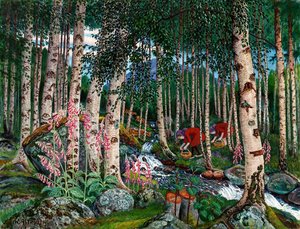
Gethsemane
 Oil On Board
- Neo-Romanticism
 1926
1926- Modern
 42.0 x 32.0 cm
 Bergen Kunstmuseum
 Tovább olvasom
Kézzel készített olajfestmény reprodukció
Kézzel festett olajvastú vászon, az Ön által választott méretben és keretben, művészeink készítik meglévőre. ( Váltás nyomtatványra Áttérés digitális képre)




P118B Ft10

P118H Ft10

P118W Ft10

P438Z Ft10

P508JH Ft12

P508YH Ft12

P805H Ft10

P805Z Ft10

P919BZ Ft10

P919G Ft10

P919XJ Ft10

P959ZH Ft10

P968JZ Ft12

W106C Ft8

W218G Ft10

W218JH Ft8

W218Y Ft10

W307PJ Ft10

W316G Ft10

W316PJ Ft8

W316Y Ft10

W398PJ Ft8

W4111J Ft10

W500HY Ft15

W500JH Ft15

W692G Ft12

W849H Ft8

W940BG Ft15

W953PJ Ft8




Válasszon előre meghatározott méreteink közül, amelyek megfelelnek a műalkotás eredeti arányainak.

Írja be a kívánt szélességet és magasságot, hogy illeszkedjen a keretéhez vagy a falához. Mivel ez kézzel festett alkotás, egy eltérő formájú méret esetén a művész akár festhet is valamivel többet a kép körül, vagy korolathat is belőle — az Ön döntésének megfelelően. A festés megkezdése előtt küldünk egy digitális tervezetet jóváhagyásra. Az oldalon látható kép nem tartalmazza a végeredményt — csak a tervezet mutatja meg a valódi eredményt.
A rendelést követően a OriginalUniqueArt.com csapata e-mailt küld az ügyfélnek az instrukciókért, és biztosít egy előnézeti képet (mockup).
Világszerte elérhető szállítás () 3-4 hét alatt a szokásos 5 hét helyett. (21 október). A minőség nem kérdőjelezhető.

Ingyenes globális expressz szállítás

Prémium minőségű len vászon

Teljes körű szállítási biztosítás

Vámvisszatérítési Garancia

Tökéletes színarányosság garancia

100 napos visszaküldési garancia (csak gyártási hibás termékek esetén)

100% pénzvisszatérítési garancia

Több darab vásárlásakor kedvezmény
 Az üvegkeretes opció csak 110 cm alatti méretben érhető el

Gethsemane
Reprodukciós technika
Reprodukció méretei
-


Összesített ár
Ft 94790
A Visionary Encounter in the Norwegian Garden
In the quiet, evocative depths of Nikolai Astrup’s 1926 masterpiece, Gethsemane, the boundaries between biblical history and the intimate landscapes of Norway begin to dissolve. While the title refers to the sacred garden in Jerusalem where Christ faced his darkest hour, Astrup performs a profound act of artistic localization. He transports this monumental moment of spiritual agony into the familiar, lush surroundings of the parsonage garden in Ålhus. This is not merely a religious illustration; it is a dreamlike fusion of the divine and the terrestrial. The viewer is invited into a space where the heavy atmosphere of the crucifixion narrative meets the verdant, mystical textures of the West Norwegian landscape, creating a scene that feels both ancient and deeply personal.
The composition breathes with a sense of quiet drama, capturing a moment of profound transition. As the eye wanders through the painting, one encounters a scene that oscillates between a somber historical event and a visionary hallucination. The presence of figures—some appearing caught in the weight of the narrative, others seemingly lost in a trance-like state—suggests a world where the veil between reality and the supernatural is perilously thin. This sense of mystery is heightened by the scattered birds that drift through the sky and perch upon the landscape, acting as silent witnesses to the unfolding drama. For the collector or designer, this piece offers more than just a subject; it offers an atmosphere of contemplative depth that can anchor a room with its soulful, introspective energy.
Technique and the Language of Light
Astrup’s technical mastery is evident in his use of oil on cardboard, a medium that allows for a rich, concentrated application of pigment. His style, rooted in Neo-Romanticism, eschews clinical realism in favor of an intense, emotive color palette. The textures are tactile and layered, reflecting the artist's lifelong obsession with the "visual language" of his homeland. He employs light not just to illuminate form, but to evoke mood; the shadows are deep and heavy, yet they are pierced by a spectral luminosity that suggests the presence of a divine vision. This interplay of light and shadow creates a rhythmic movement across the canvas, guiding the viewer through the dense foliage and toward the heart of the spiritual struggle.
The brushwork possesses a certain raw, organic vitality that mirrors the ruggedness of the Norwegian fjords. There is no sterile perfection here; instead, there is a deliberate, expressive quality that celebrates the natural world's untamed spirit. For those seeking to incorporate fine art into a sophisticated interior, a high-quality reproduction of Gethsemane provides a centerpiece of immense character. The painting’s ability to command attention through its complex textures and brooding tones makes it an ideal choice for spaces designed for reflection, such as libraries, study alcoves, or quiet sitting rooms where the interplay of history and nature can be fully appreciated.
A Legacy of Spiritual and National Identity
To understand Gethsemane is to understand Nikolai Astrup’s broader mission: to capture the very soul of Norway. By situating a universal Christian narrative within his own local topography, he elevates the Norwegian landscape to a stage for the eternal. This technique of "sacralizing" the everyday—turning a simple garden patch into a site of cosmic significance—is what makes his work so enduringly powerful. The painting serves as a bridge between the theological and the topographical, making the profound accessible through the familiar.
For the discerning art lover, owning a reproduction of this work is an opportunity to possess a fragment of this visionary legacy. It is a piece that invites continuous re-examination, revealing new layers of symbolism and emotion with every viewing. Whether one is drawn to its historical weight, its masterful use of color, or its ability to evoke the misty, magical atmosphere of a Norwegian night, Gethsemane remains a breathtaking testament to the power of art to transform the world we see into a world we feel.
Gyakran Ismételt Kérdések
A Nikolai Astrup alkotása, a "Gethsemane", a jogi szabadhasználatban (public domain) áll-e, és miért?
A "Gethsemane" szerzői jogi státusza - a joghallgatói schützenesség körébe tartozik – a szerzői jog lejártt - a művész 1928 évi halálából következik.
Milyen motívumok jelennek meg a(z) „Gethsemane”, Nikolai Astrup alkotása alkotásban?
A(z) „Gethsemane”, Nikolai Astrup alkotása a következőket ábrázolja: biblical scene, religious, jesus christ, gethsemane, norway landscape, night scene, visionary.
Hogyan helyezhető el történelmileg a "Gethsemane"?
Történelmileg a "Gethsemane" a szélesebb körű Modern korszak Neo-Romanticism alkotása.
A művész életrajza
Nikolai Astrup: Vestlandet víziója
Nikolai Astrup (1880–1928) egyedülálló alakként áll a norvég művészettörténetben; festő, akinek mély érzékelt kapcsolata a Vestlandet tájához és hagyományaihoz biztosította helyét korának legkülönlegesebb neo-romantikus művészei között. A Bremanger, Sogn og Fjordane környékén született Astrup gyermeklénye, amely a vad jeges fiordok és a békés völgyek közé szórt, alapjaiban formálta művészeti érzékét, egy olyan stílus felé terelve, amelyet intenzív színpaletták és a vidéki Norvégia mindennapi életének elkötelezett ábrázolása jellemez. Öröksége nem csupán esztétikailag gyönyörű vásznak felel meg, hanem abban a kiodonáló erőfeszítésben is rejlik, amellyel képes volt megteremtni azt a nemzeti „vizuális nyelvet”, amely hazája hagyományait és népművészetét keltette életre.- Korai évek és oktatás: Astrup alakformáló éveket meghatározta az a családiáttisztaság, amelyet apja, Christian Astrup, a lelkész, próbált átébreszteni benne, aki teológiai tanulmányaira ösztönözte fiát. Annak ellenére, hogy kezdetileg a lelkészi szolgálat felé hajlandult, a rajzolás és festés iránti szenvedélye végül arra késztette, hogy feladja a Trondheim Katedrális Iskolát, és Kristiania (Oslo) felé indult, hogy művészeti vágyait kieltisztelje, ahol Harriet Backer mentorálása alatt csiszolhatta készségeit.
- Párizsi hatások: Párizs rövid ideig tartó tartózkodása megismétette Astrupt az ébredő avantgarde mozgalommal, kapcsolatokat teremtve olyan kortárs művészekkel, mint Christian Krohg, és gazdagította az impresszionista technikák iránti megértését. Ez az időszak megerősítette kísérletező kedvét és szélesítette művészeti horizontját.
- Visszatérés Jølsterbe és művészi fejlődés: 1902-ben, gdy visszatért ősi otthonába, Jølsterbe, Astrup egy olyan családot alapított, amelynek középpontja felesége, Engel Sunde volt, akivel nyolc gyermeknek adott életet. Életük gazdasági nehézségei ébredték művészi hajszát, és arra késztették őt, hogy teljesen elmerüljön környezete ábrázolásában – egy olyan tájban, amely örök forrásként szolgált inspirációjához.
- Jelentős kiállítások: Astrup művészi hírneve folyamatosan növekedett három jelentős kiállتás révén, amelyeket Kristianiában (1905), Bergenben (1908) és Osloban (1911) rendeztek meg. Ezek a prezentációk kritikai elismerést nyertek, és meghatározottá tették őt a norvég művészeti élet egyik vezérszavának.
- Főbb eredmények és örökség: Astrup tartós hozzájárulása a norvég művészethez az művészi hitesség iránti rendíthetetlen törekvéseben rejlik – abban az elkötelezettségben, amellyel Vestlandet szépségét és szellemét kompromisszumok nélküli őszinteséggel ábrázolta. Festményei ma is éreztetik, mint a nemzeti örökség erőteljes jelképei, testreformálva a neo-romantika eszméjét.
Nikolai Astrup
1880 - 1928 , Norvégia
Gyors információk
- Artistic Movement Or Style: Neoromantika
- Artists Or Movements Influenced By This Artist: ['Skandináv művészet']
- Artists Who Influenced This Artist: ['Christian Krohg']
- Date Of Birth: 1880
- Date Of Death: 1928
- Full Name: Nikolai Johannes Astrup
- Nationality: Norvég
- Notable Artworks:
- A lelkes vallási
- Meztelen fák
- Kalı spunog
- Place Of Birth: Bremanger, Norvégia
Kapcsolódó cikkek

Johan Christian Dahl: Pioneering Norwegian Romantic Landscape Painting
Explore the life & art of Johan Christian Dahl, Norway's first great Romantic painter. Discover his iconic landscapes, cultural impact, and lasting legacy with OriginalUniqueArt.

A Romantikus Tájképfestészet 10 Legikonikusabb Műalkotása – OriginalUniqueArt.com
Fedezze fel a romantikus tájképfestészet 10 legikonikusabb műalkotását! Caspar David Friedrich, J.M.W. Turner és más mesterek festményeinek története – inspiráló olajfestmények otthonába. OriginalUniqueArt.com: múzeumi minőségű reprodukciók és egyedi dekorációk online.

John Constable 25 Mesterműve: A Természet Lényege Vászonon – OriginalUniqueArt.com
Fedezze fel John Constable 25 legszebb művészeti alkotását! Ismerje meg a romantika ikonikus tájképeit, Dedham Vale szépségét és a természet lenyűgöző ábrázolásait. Vászonkép reprodukcióinkkal eleganciát csempészhet otthonába – OriginalUniqueArt.com

Evocations of Place: A Historical Journey Through Landscape Art
Explore the rich history of landscape art with OriginalUniqueArt. Discover renowned artists, movements like Impressionism & Romanticism, and expert guidance for collecting timeless pieces. Find your perfect serene escape today!

The Sublime and the Picturesque: Exploring Emotion & Nature in Romantic Landscape Painting
Explore the emotional power of Romantic landscape painting! Discover the sublime & picturesque traditions, key artists like Friedrich & Cole, and find your perfect artwork at OriginalUniqueArt.