Surrealism
Le oiseau (Nick James)
Nick James (1980) alkotása: Le oiseau A Surrealism irányzathoz tartozik. A műtárgyat a Coventry, United Kingdom-i Coventry University-ben őrzik. Mérete 183 × 133 cm.
- 183 × 133 cm
- Coventry University

 Megtekintés

 Kézzel festett olajfestmény
 Küldés
 Megosztás
 Információs lap


 Letöltés
 Hasonló darabok
 X-ray felvétel
 Diavetítés
 Kérdések és válaszok

 Statisztika
Le oiseau röviden
- Cím
- Le oiseau
- Művész
- Nick James (1980)
- Méretek
- 183 × 133 cm
- Megtekinthető helyszín
- Coventry University, Coventry, United Kingdom
- Mozgalom
- Surrealism
- Téma
- surreal wildlife, bold line art, dreamlike imagery, abstract animal, vibrant color palette, folk art style
Melyik múzeumban található meg a Le oiseau?
Coventry University
Coventry, United Kingdom
A Tapestry of Innovation and Heritage In the heart of England’s West Midlands, Coventry University emerges not merely as an academic institution but as a vibrant sanctuary where scholarly rigor meets the boundless possibilities of public accessibility. Its story is one of profound metamorphosis, tracing a lineage that began in 1843 with the prestigious Coventry School of Design. This evolution—from its origins as a specialized design school to the era of Lanchester Polytechnic and finally attaining university status in 1992—mirrors the very resilience and adaptability of Coventry itself.

Le oiseau nagy felbontású képei
Szerzői jogi védelem alatt áll: ezek a fájlok kizárólag személyes megtekintésre szolgálnak, nem jelentik a képek újrarováltásához szükséges engedélyt.
Nick James, Le oiseau, Coventry University.
Le oiseau kapcsán felmerülő kérdések megválaszolva
Hol látható ma a(z) „Le oiseau”, Nick James alkotása?
A „Le oiseau”, Nick James alkotása kiállítva található a Coventry University, Coventry, United Kingdom-ben. A múzeumi hivatkozás az eredeti műre vonatkozik, nem a reprodukciókra.
Mekkora a mérete az eredeti „Le oiseau”, Nick James alkotása alkotásnak?
A(z) "Le oiseau" eredeti mérete 183 x 133 cm. Az eredeti adatok hasznos referenciát nyújtanak a reprodukció méretének kiválasztásakor.
Mit ábrázol a „Le oiseau”, Nick James alkotása?
A „Le oiseau”, Nick James alkotása alkotás témái közé tartozik a surreal wildlife, bold line art, dreamlike imagery, abstract animal, vibrant color palette, folk art style, symbolic composition. Ezek együtt foglalják össze a mű tárgyát.
Szabadon reprodukálható-e a/az „Le oiseau”, Nick James alkotása képe?
A „Le oiseau”, Nick James alkotása szerzői jogi státusza: a mű még szerzői jog védi. Ez határozza meg, hogy a kép másolatai szabadon készíthetők-e.
Ki készítette a(t): "Le oiseau"?
A „Le oiseau” műtémét Nick James alkotójának tulajdonítják.
Mely művészeti irányba tartozik a „Le oiseau”, Nick James alkotása?
A „Le oiseau”, Nick James alkotása a Surrealism irányzat része. Ez az irányzat adja a mű stilisztikai kontextusát.
Hová sorolható a Nick James pályájának mely szakaszába a "Le oiseau"?
A "Le oiseau" Nick James pályájának a Mature Period szakaszába tartozik. Ez a besorolás összekapcsolja a művet a művész fejlődésével.
Hová sorolható a "Le oiseau" Nick James életművében?
A "Le oiseau" Nick James Surrealism korszakának alkotása, melynek témakörében exploration of the unconscious, recurring animal motifs, bold visual language, personal mythology, folk art traditions, naive painting style, surrealist symbolism, graphic design roots is feltűlik.
Milyen összefüggésben áll a "Le oiseau" témája Nick James megszokott motíveivel?
Nick James dokumentált témái – exploration of the unconscious, recurring animal motifs, bold visual language, personal mythology, folk art traditions, naive painting style, surrealist symbolism, graphic design roots – között a „Le oiseau” különös hangsúlyt fektet surreal wildlife, bold line art, dreamlike imagery, abstract animal, vibrant color palette, folk art style, symbolic composition-ra.
A művészről: Nick James
1980
Nick James
The Poetics of Salvage: Introducing Nick James Nick James is an artist who doesn’t so much *create* sculpture as he exhumes it, breathing new life into the discarded fragments of our collective past. Emerging from a foundation at WahooArt, his work isn't rooted in traditional artistic training but rather in a deeply intuitive understanding of material and memory. He operates not within the pristine realm of untouched canvas or virgin clay, but amongst the detritus of everyday existence – forgotten toys, corroded metal, chipped porcelain, and weathered wood. These aren’t simply objects repurposed; they are vessels carrying echoes of previous lives, carefully assembled into hauntingly beautiful wearable assemblages that explore themes of vulnerability, loss, and the surreal nature of recollection.
Nick James további művei
 Peligro, enfermo, no pasar
 Se estremeció solo de pensarlo
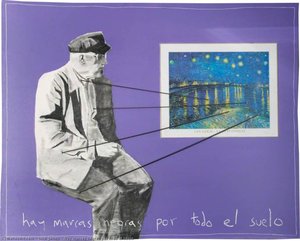 Hay marcas negras por todo el suelo
 Pruneau
Le oiseau témában esszék
 James Abbott McNeill Whistler 25 Mesterműve: Hangulatok és Elegancia a FalakonFedezze fel James Abbott McNeill Whistler 25 legszebb művét! Ismerje meg a Nocturnok, portrék és az amerikai impresszionizmus mesterét. Ele…
 Awe vs. Charm: Understanding the Sublime and the PicturesqueMaster the distinction between the Sublime and the Picturesque through Romantic era art. Explore the beauty of awe and charm today.
 Jacques-Laurent Agasse: Pioneering Animalier Painting & Romantic NaturalismExplore the captivating animal paintings of Jacques-Laurent Agasse (1767-1849). Discover his pioneering realism, Romantic influences & lega…