- Főoldal

- Vászonra nyomtatás
- nelson martinessi
- Untitled

 Preview
 Készíttetnék festményként Kép letöltése
 Megosztás
 Megosztás
 Részletek
 Kedvencekhez ad

 Letöltés
 Hasonló alkotások
 X-ray felvétel
 Diavetítés
Untitled
 Painting
- Contemporary Realism
 1998
1998- Contemporary
 88.0 x 88.0 cm
 Texo Foundation
 Tovább olvasom
Giclée / Műnyomat
Múzeumi minőségű giclée vagy vászonnyomat, gyors gyártással és rugalmas finomítási lehetőségekkel.




P118B $10

P118H $10

P118W $10

P438Z $10

P508JH $12

P508YH $12

P805H $10

P805Z $10

P919BZ $10

P919G $10

P919XJ $10

P959ZH $10

P968JZ $12

W106C $8

W218G $10

W218JH $8

W218Y $10

W307PJ $10

W316G $10

W316PJ $8

W316Y $10

W398PJ $8

W4111J $10

W500HY $15

W500JH $15

W692G $12

W849H $8

W940BG $15

W953PJ $8




Válasszon előre meghatározott méreteink közül, amelyek megfelelnek a műalkotás eredeti arányainak.

Megadhat saját méreteket is egy konkrét kerethez vagy helyszínhez igazítva. Amennyiben a kiválasztott méret nem egyezik az eredeti kép arányokkal, a műalkotást le fogjuk vágni, vagy kiegészítjük a képet tükrözött vagy egyszínű szélekkel. A gyártás megkezdése előtt egy digitális tervezetet küldünk jóváhagyásra.
Kérjük, vegye figyelembe, hogy a képernyőn látható előnézet nem tükrözi a tényleges levágást vagy kiegészítést. Csak a tervezet mutatja pontosan a végső kompozíciót.
Bár az egyedi méretek is elérhetőek, az eredeti arányok megőrzése érdekében azt javasoljuk, hogy válasszon a előre meghatározott listából származó méretet.
Világszerte történő kiszállítás területére 2 hét alatt, a szokásos 4-5 hét helyett. 24 július

Ingyenes globális expressz szállítás

Prémium minőségű len vászon

Teljes szállítási biztosítás

Vámvisszatérítési Garancia

Tökéletes színpontosság garancia

60 napos visszaküldési lehetőség (csak gyártási hibák esetén)

100%-os pénzvisszatérítési garancia

Kedvezmény több termény esetén
 Az üvegkeretes opció csak 110 cm alatti méretben érhető el

Untitled
Giclée / Műnyomat
A reprodukció mérete
-


Összesített ár
-
Termékinformációk
A Symphony of Domestic Life
In this captivating 1998 work titled Untitled, Nelson Martinessi invites the viewer into a vibrant, lived-in sanctuary that pulses with the energy of a shared moment. The painting presents a lush, colorful depiction of a woman seated at a dining table, surrounded by the beautiful clutter of daily existence. Bottles, cups, bowls, and books are scattered across the surface, suggesting a narrative of intellectual pursuit intertwined with domestic comfort. This is not merely a still life, but a cinematic tableau where every object serves as a character in a larger story of companionship and quiet reflection. The presence of chairs positioned around the table—some near the periphery and others clustered toward the center—hints at an impending or recently concluded gathering, imbuing the scene with a sense of warmth and social vitality.
The composition extends beyond the immediate intimacy of the dining area to reveal a glimpse of a kitchenette, complete with an oven tucked into the far right of the frame. This architectural detail grounds the painting in reality, transforming the canvas from a mere artistic expression into a window onto a tangible home. A single potted plant provides a touch of organic greenery in the background, acting as a soft, living counterpoint to the man-made objects on the table. Through this careful arrangement, Martinessi creates an atmosphere that is both lively and inviting, capturing that fleeting, magical essence of a dinner party where time seems to slow down, allowing the soul to linger amidst the warmth of good company.
Technique and Visual Resonance
Martinessi, widely recognized for his profound ability to articulate identity through the lens of Paraguayan cinema, translates his directorial eye to the canvas with remarkable skill. The technique employed in this piece utilizes a rich palette that breathes life into the domestic setting. The interplay of light and color across the various textures—the smooth surfaces of glass bottles, the matte finish of ceramic bowls, and the organic softness of the greenery—demonates a masterful command over visual depth. There is a rhythmic quality to the way the objects are placed, guiding the eye in a continuous loop around the table, much like the flow of conversation during a festive meal.
For the discerning collector or interior designer, this artwork offers a profound emotional resonance. It serves as more than just a decorative element; it is an invitation to nostalgia and a celebration of the beauty found in the mundane. The painting’s ability to evoke feelings of comfort, community, and peace makes it an ideal centerpiece for spaces designed for relaxation and connection. Whether placed in a sophisticated dining room or a cozy study, this reproduction brings with it a sense of narrative depth and a timeless, painterly elegance that can transform the character of any interior environment.
A művész életrajza
A Cinematic Voice from Paraguay: Nelson Martinessi
Nelson Martinessi stands as a pivotal figure in Paraguayan cinema, a director whose work has consistently challenged conventional narratives and brought the rich cultural tapestry of his nation to international attention. Born in Paraguay, Martinessi emerged during a period when the country’s film industry was still nascent, largely overshadowed by more established Latin American production centers. He didn't simply aim to create films; he sought to construct a visual language that could articulate the complexities of Paraguayan identity, history, and social realities. His early career was marked by a dedication to independent filmmaking, often navigating limited resources with remarkable ingenuity and artistic vision. This commitment fostered a uniquely intimate connection between Martinessi and his subject matter, allowing him to portray Paraguay not as an exotic locale but as a living, breathing entity filled with nuanced stories waiting to be told.Early Films and the Seeds of a Distinct Style
Martinessi’s initial forays into filmmaking were characterized by a documentary-like realism, often focusing on marginalized communities and untold narratives within Paraguayan society. El Toque del Oboe (1998), one of his earliest recognized works, established several hallmarks that would become central to his style: a deliberate pacing, an emphasis on atmospheric detail, and a refusal to shy away from difficult social issues. The film explored the lives of musicians in a rural community, subtly revealing the economic hardships and cultural resilience of its subjects. María Escobar (2002) further solidified his reputation as a director willing to tackle complex themes with sensitivity and depth. This film delved into the story of a woman struggling against societal expectations and personal demons, offering a poignant commentary on gender roles and the challenges faced by women in Paraguay. These early works weren’t merely depictions of reality; they were carefully constructed portraits imbued with a poetic sensibility that resonated deeply with audiences both domestically and abroad.Hamaca Paraguaya: A Landmark Achievement
The release of Hamaca Paraguaya (2006) marked a turning point in Martinessi’s career, catapulting him to international acclaim. The film, loosely based on a short story by Augusto Roa Bastos, is a masterful exploration of memory, identity, and the enduring power of storytelling. Set against the backdrop of Paraguay's turbulent history, it follows a group of characters grappling with the legacy of colonialism, dictatorship, and political violence. The film’s non-linear narrative structure, coupled with its evocative imagery and haunting score, created a uniquely immersive experience for viewers. It wasn’t simply a historical drama; it was a meditation on the collective trauma of a nation and the ways in which stories shape our understanding of the past. Hamaca Paraguaya garnered numerous awards at international film festivals, establishing Martinessi as one of Latin America's most important contemporary filmmakers.Influences and Artistic Development
Martinessi’s work is deeply rooted in the literary tradition of Paraguay, particularly the writings of Augusto Roa Bastos, whose exploration of national identity and historical memory profoundly influenced his cinematic vision. He also draws inspiration from the works of Latin American magical realism, incorporating elements of myth and folklore into his narratives. His films often feature a dreamlike quality, blurring the boundaries between reality and imagination. Beyond literature, Martinessi’s artistic development has been shaped by his engagement with Paraguayan visual arts and music. He frequently collaborates with local artists and musicians, incorporating their work into his films to create a uniquely authentic aesthetic experience. His commitment to showcasing Paraguayan culture extends beyond his cinematic creations; he actively supports initiatives aimed at promoting the country's art and heritage on an international scale.Legacy and Historical Significance
Nelson Martinessi’s contribution to Paraguayan cinema is immeasurable. He not only helped establish a national film industry but also created a space for diverse voices and perspectives within it. His films have challenged conventional narratives, prompting critical dialogue about Paraguay's history, culture, and social realities. His work has inspired a new generation of Paraguayan filmmakers, encouraging them to explore their own unique stories and artistic visions. Martinessi’s legacy extends beyond the realm of cinema; he is recognized as a cultural ambassador for Paraguay, bringing the country's rich heritage to audiences around the world. He continues to direct films, remaining committed to his vision of creating a cinematic language that can articulate the complexities of Paraguayan identity and foster a deeper understanding of its place in the global landscape.
nelson martinessi
Paraguay
Rövid tények
- Artistic Movement Or Style: Latin American cinema
- Full Name: Nelson Martinessi
- Nationality: Paraguayan
- Notable Artworks:
- El toque del oboe
- María Escobar
- Hamaca Paraguaya
- Place Of Birth: Paraguay
Kapcsolódó cikkek

A Szín Játékai: 10 Mestermű, Amelyek Meghatározták a Vizuális Világot | OriginalUniqueArt
Fedezze fel a színek lenyűgöző világát 10 ikonikus műalkotással! Monet, Van Gogh és Picasso mesterművei inspirálnak. Múzeumi minőségű reprodukciók otthonába – OriginalUniqueArt.com.

Claude Monet 25 Mesterműve: A Fény és a Szín Zsenialitása – OriginalUniqueArt.com
Fedezze fel Claude Monet 25 legikonikusabb mesterművét! Ismerje meg az impresszionizmus zseniális festőjének történetét, a fény és szín varázsát. Vásároljon exkluzív reprodukciókat otthona dekorációjához a OriginalUniqueArt.com-on!

Henri Matisse 25 Mesterműve: Színek és Érzések Világa - OriginalUniqueArt
Fedezze fel Henri Matisse 25 legikonikusabb művét! Ismerje meg a fauvizmus színeit, az expresszionizmus formáit és a modern művészet mesterének életművét. Vászonképek, nyomatok – inspiráció otthonába a OriginalUniqueArt.com-on!

Paul Cézanne 25 Mesterműve: A Modern Művészet Úttörői | OriginalUniqueArt
Fedezze fel Paul Cézanne 25 legikonikusabb művét! Ismerje meg a posztimpresszionizmus úttörőjének festményeit, technikáját és inspirációit. Vászonképek, portrék, tájképfestmények – minden otthonba. Böngéssze gyűjteményünket a OriginalUniqueArt-on!
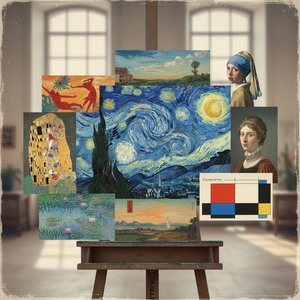
A színek harmóniája: 10 mestermű egyensúlyban – Vászonképek otthonra a OriginalUniqueArt-tól
Fedezze fel a 10 legikonikusabb festményt, melyek tökéletes színkompozícióval ámulnak el! Monet, Van Gogh és más mesterek művészete – inspiráció otthonra. Vászonkép reprodukciók magas minőségben a OriginalUniqueArt-tól. Böngéssze online kínálatunkat!

