 Összes részlet megjelenítése


 A bármely oldalsó méretét túlszálaló 105 cm (kb. 41 hüvelyk) meghaladó műalkotások vagy reprodukciók esetében a keret összeszerelhető készletként, szétszerelve kerül szállításra. Ez a módszer biztosítja a biztonságos szállítást, és megakadályozza a szállítás során fellépő sérüléseket.


Több információ erről a festményről
A szöveg mérete

() ·
Egy Önnek készült, kézzel festett alkotás
Kézzel készített olajfestmény reprodukció
Kézzel festett olajvastú vászon, az Ön által választott méretben és keretben, művészeink készítik meglévőre. ( Váltás nyomtatványra Áttérés digitális képre)
A gyűjtemény leírása
Admire Napoleon Michał Iłłakowicz’s ‘Self-Portrait,’ a classical 19th-century oil painting showcasing the artist's intellect & artistic dedication. Explore its rich texture, directional lighting & formal style.
A művész életrajza
Discover Napoleon Michał Iłłakowicz, a Polish painter & decorator (1811-1861). Explore his self-portraits & vibrant works reflecting Polish identity amidst European travels.
előbb ·
1. fejezet
Mekkora méretű legyen?
Húzza a csúszkát a méret megváltoztatásához; a bal oldali kép a keret valós szélességét mutatja. Az eredeti arányok megmaradnak.
Standard méret
egyedi méretű
CM
INCH
Válasszon előre meghatározott méreteink közül, amelyek megfelelnek a műalkotás eredeti arányainak.
Méretek betöltése...

szélesség
magasság
Írja be a kívánt szélességet és magasságot, hogy illeszkedjen a keretéhez vagy a falához. Mivel ez kézzel festett alkotás, egy eltérő formájú méret esetén a művész akár festhet is valamivel többet a kép körül, vagy korolathat is belőle — az Ön döntésének megfelelően. A festés megkezdése előtt küldünk egy digitális tervezetet jóváhagyásra. Az oldalon látható kép nem tartalmazza a végeredményt — csak a tervezet mutatja meg a valódi eredményt.
2. fejezet
Hogyan érkezzen meg?
Válaszd ki a feszített vászon széleit
Válassza ki a keretet

Fehér Ft1

Elmosódott szélek Ft1

Kiterjesztett Ft1

P118B Ft10

P118H Ft10

P118W Ft10

P438Z Ft10

P508JH Ft12

P508YH Ft12

P805H Ft10

P805Z Ft10

P919BZ Ft10

P919G Ft10

P919XJ Ft10

P959ZH Ft10

P968JZ Ft12

W106C Ft8

W218G Ft10

W218JH Ft8

W218Y Ft10

W307PJ Ft10

W316G Ft10

W316PJ Ft8

W316Y Ft10

W398PJ Ft8

W4111J Ft10

W500HY Ft15

W500JH Ft15

W692G Ft12

W849H Ft8

W940BG Ft15

W953PJ Ft8

H24-GOLD Ft30

H24-SILVER Ft30

H36-GOLD Ft45

H36-SILVER Ft45
Keretezett
Keretprofil: . A kerettel együtt vett teljes méret: .
3. fejezet
Ki festi, és változtatni kellene-e bármit?
Példák a módosíthatóságra: Az arc kicserélése a vásárló fotójára; háziállat hozzáadása (pl. macska kicserélése kutyára); rejtett üzenet elhelyezése a háttérben; a háttér tájéképének vagy elemeinek megváltoztatása.
A megrendelést követően a OriginalUniqueArt.com csapat e-mailt küld a vásárlónak az instrukciókkal, és biztosítja a tervezeti előnézetet
A megrendelést követően a OriginalUniqueArt.com csapat e-mailt küld a vásárlónak az instrukciókkal, és biztosítja a tervezeti előnézetet
Világszerte elérhető szállítás () 3-4 hét alatt a szokásos 5 hét helyett. (5 november). A minőség nem kérdőjelezhető.
4. fejezet
Az utolsó finomhangolás
Egy felirat, mint egy múzeumban?
A gravírozott bronztábla részletei
This elegant plaque features the artist's name and the title of the artwork, finely engraved for a timeless presentation.
It is made from bronze with a refined, elegant finish. The text is precisely laser-engraved for a sharp and permanent result. Measuring 9x2 cm, the plaque is compact yet easy to read. It's built to be durable and scratch-resistant, offering a professional, museum-quality look. Mounting is simple thanks to the included adhesive backing.
Átlátszó akril tábla részletei
The plaque includes essential engraved details such as the artist's name, the title of the artwork, the date it was created, the type of media used-like oil on canvas or watercolor-a brief description of the piece, and a QR code that links to the complete artwork information.
It is crafted from clear acrylic, offering a sleek, modern appearance. The text is UV-engraved in black to ensure strong visual contrast. With a size of 10x15 cm, it ensures optimal readability. It comes equipped with two metal hooks for secure wall mounting. The plaque is designed to be weather-resistant, making it suitable for various environments, and it includes interactive features that work seamlessly with smartphone scanning.
Fekete akril tábla részletei
This elegant plaque includes engraved information such as the artist's name, the title of the artwork, the date it was created, the type of media used (like oil on canvas or watercolor), a short description of the artwork, and a QR code for quick access to more information.
The plaque itself is made from refined black acrylic with a premium finish. The text is laser-engraved in white for high contrast and readability. Its size is 10x15 cm, designed to be easy to read. It comes with two metal hooks for professional mounting. The design is sleek and fits any interior style. It is also weather-resistant and durable, with built-in digital integration for mobile compatibility.
Egy védőréteg?
Mikor lenne szüksége rá?
5. fejezet
Az Ön által megrendelt festmény
Self-portrait
Reprodukciós technika
Reprodukció mérete
-
Kiváló mesterművész
Nagyobb részletesség, finomság és bővített gyártási idő
-
Reprodukció keretezése
-
-
A bármely oldalsó méretét túlszálaló 105 cm (kb. 41 hüvelyk) meghaladó műalkotások vagy reprodukciók esetében a keret összeszerelhető készletként, szétszerelve kerül szállításra. Ez a módszer biztosítja a biztonságos szállítást, és megakadályozza a szállítás során fellépő sérüléseket.
Szakmész összeszerelést igényel – ez nem DIY (önösszeszerelhető) termék.
A készletet egy tapasztalt keretező szakembernek kell összeszerelnie és a vásznat feszítenie kell, fa ragasztó (nem tartalmazza a csomag), vásznfeszítő fogó és szorítók használatával, amelyek a ragasztó száradásáig a keretrészeket egymáshoz vuôngjba tartják. A helytelen összeszerelés vagy a nem egyenletes vásznfeszítés maradandó károsíthatja a műalkotást, és ez nem része a garanciánknak.
A készlet tartalmazza az összes tömörfa rudat, pontosan méretre vágva.
A mellékelt csavarokkal, valamint a sarokszerekhez szükséges faütő ragasztóval kell összeszerelnie (ez nem tartalmazható a csomagban), így a keretrendezőnek külön kell beszereznie.
A csomag nem tartalmazza a szükséges professzionális eszközöket: egy vászonfeszítőt és klipseket a rácsok vízszintes tartásához a ragasztó megszáradásáig.
Fontos:
A sarokcsatlakozásokhoz fánylagra van szükség, a keretrudakat szorítókapcsokkal kell rögzíteni, amíg a rag teljesen meg nem szárad, a kész keretre feszített vászonhoz pedig vászonfeszítő fogat szükséges. Ezek egyike sem található meg a készletben. Kérjük, rendelés előtt győződjön meg róla, hogy rendelkezik tapasztalt keretező szakemberrel.
Névtábla
-
-
Védőréteg (Lakk)
Fényes lakk (intenzívabb színek, védelem a fény és a nedvesség hatása ellen)
-
Műalkotásom egyedi igényre szabása
Példák a módosíthatóságra: az arc kicserélése az ügyfél fotójára; háziállat hozzáadása (pl. macska helyett kutya); rejtett üzenet elhelyezése a háttérben; a háttér tájainak vagy elemeinek megváltoztatása.
-
Sürgős
Világszerte szóló szállítás () mindössze 3-4 hét alatt, a szokásos 5 hét helyett. (5 november). A minőség nem kérdőjelezhető.
-
Express szállítás
Világszerte elérhető szállítás területre 5 héten belül. (12 november).
A szállítás díja tartalmazza
Összesített ár
Ft 98120
Az üvegkeretes opció csak 110 cm alatti méretben érhető el
Minden rendelés mellé tartalmazva
- Ingyenes globális expressz szállítás
- Prémium minőségű len vászon
- Teljes körű szállítási biztosítás
- Vámvisszatérítési Garancia
- Hiteles színarányosság garancia
- 100 napos visszaküldési lehetőség (csak hibás termékek esetén)
- 100% pénzvisszatérítési garancia
- Több darab vásárlásakor kedvezmény
 Megtekintés
 Küldés
 Megosztás
 Részletek
 Útmutató

 Letöltés
 Hasonló darabok
 X-ray felvétel
 Diavetítés
 Kérdések és válaszok
 Statisztika
Számokban kifejezve
- 29választható keretek
- standard méretek, saját arányokkal
- 5hetek a festésre és a kézbesítésre
Az eredeti műről


Napoleon Michał Iłłakowicz
1811 - 1861, Poland
Gyors információk Napoleon Michał Iłłakowicz művészről
- Artistic Movement Or Style: 19th Century Painting
- Artists Who Influenced This Artist: ['Jan Rustem']
- Date Of Birth: 1811
- Date Of Death: 1861
- Full Name: Napoleon Michał Iłłakowicz
- Nationality: Polish
- Notable Artworks:
- Self-Portrait
- Portrait of a Woman
- Place Of Birth: Vilnius, Poland
A művész életrajza
A Life Painted Across Borders: The Story of Napoleon Michał Iłłakowicz
Napoleon Michał Iłłakowicz, a name perhaps unfamiliar to many, represents a fascinating intersection of Polish Romanticism, European artistic currents, and the turbulent political landscape of the 19th century. Born in Vilnius, Poland, in 1811, his life was one marked by both creative pursuit and patriotic fervor. Iłłakowicz wasn’t merely a painter; he was a witness to history, an émigré shaped by upheaval, and an artist who sought to capture not just likenesses but the very spirit of his nation amidst exile. His early artistic training took place at Vilnius University under Jan Rustem, laying the foundation for a career that would see him traverse France, Italy, Spain, and England before ultimately returning to his beloved Poland.From Uprising to Exile: The Formation of an Artist
The defining moment that propelled Iłłakowicz’s life onto its unconventional course was the November Uprising of 1830-31 – a desperate attempt by Poles to regain independence from Russian rule. His participation in this ill-fated rebellion proved pivotal, forcing him into exile after its suppression. This experience wasn't simply a disruption; it became a crucible for his artistic identity. The years spent wandering through Europe weren’t merely about honing technique but also about forging a sense of self and purpose away from home. He continued his studies in France, immersing himself in the Parisian art scene, then broadened his horizons further with time in Zaragoza. This period was crucial in developing his style – a blend of academic precision with an emerging sensitivity to realism, tinged by the emotional weight of his personal history. He wasn’t content to remain within one artistic sphere; he sought knowledge and inspiration from diverse sources, working at the court of Queen Victoria in London alongside periods spent in Italy and Spain.A Style Reflecting a Nation: Themes and Techniques
Iłłakowicz's oeuvre is characterized by a remarkable versatility, encompassing portraits, decorative works, and *self-portraits* that offer intimate glimpses into the artist’s soul. While he embraced academic conventions – evident in his meticulous drawing and balanced compositions – there’s a distinct emotional depth to his work. His paintings often reflect a quiet dignity and resilience, qualities perhaps born from his own experiences of displacement and struggle. The *Portrait of a Woman* (1852), painted during his time in Paris, exemplifies this mature period. The subject, an unknown woman likely close to the artist, is rendered with a delicate touch, showcasing a mid-19th century aesthetic that blends academic rigor with traces of Biedermeier informality. The subdued colors and careful attention to detail create an aura around the figure, drawing the viewer’s eye to her face and revealing a psychological depth beyond mere physical representation. His *Self-Portrait* is equally compelling, offering a powerful statement of artistic dedication and intellectual presence. He masterfully employed directional lighting and texture in his works, adding layers of complexity and realism.Return and Remembrance: The Final Years
In 1848, Iłłakowicz returned to Poland, settling first in Lviv and later in Vilnius. This homecoming wasn’t a return to normalcy; he remained under the watchful eye of the authorities due to his past involvement in revolutionary activities. Despite this surveillance, he continued to paint, leaving behind a small but significant body of work that offers valuable insights into Polish society and identity during a period of intense political repression. His later works demonstrate a refined technique honed through years of travel and study. He was a relatively obscure figure during his lifetime, yet his paintings resonated with contemporaries who appreciated his skill and sensitivity. The recent rediscovery of previously unknown works, like the *Portrait of an Unknown Noble Woman*, underscores the importance of Iłłakowicz in the broader context of 19th-century Polish art.Historical Significance and Legacy
Napoleon Michał Iłłakowicz’s significance lies not only in his artistic talent but also in his embodiment of the Polish Romantic spirit – a yearning for freedom, a deep connection to national identity, and a willingness to sacrifice personal comfort for political ideals. He was an artist who lived on the margins, constantly navigating between exile and homeland, revolution and repression. His paintings serve as poignant reminders of a nation struggling for self-determination and the individuals who dedicated their lives to its cause. While his work may not be widely known, it offers a unique perspective on 19th-century European art and the complex interplay between artistic expression and political upheaval. Illakowicz’s legacy is one of quiet resilience, artistic dedication, and a profound love for Poland – qualities that continue to resonate with viewers today. His story serves as a testament to the power of art to preserve memory, capture identity, and inspire hope in the face of adversity. He remains an important figure in understanding Polish art history.Kapcsolódó cikkek

A Neoklasszicizmus 10 Mesterműve: Klasszikus Stílusú Festmények és Dekorációk a OriginalUniqueArt-on
Fedezze fel a neoklasszicizmus 10 legikonikusabb műalkotását! Jacques-Louis David, Ingres és más mesterek klasszikus festményeinek története. Vászonképek, faliképek - inspirálja otthonát OriginalUniqueArt.com kínálatával! Fedezze fel a teljes gyűjteményt online.

Oil on Canvas: A Historical & Technical Exploration of a Timeless Artistic Medium
Explore the rich history & enduring techniques of oil painting on canvas. Discover the science behind its longevity, conservation practices, and contemporary relevance. Expert insights for art enthusiasts.
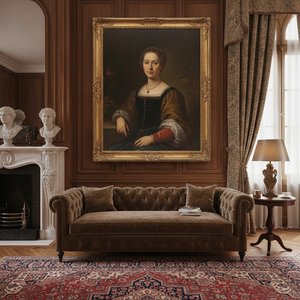
Timeless Elegance: The Ultimate Buyer's Guide to Choosing Classical Portraits for Sophisticated Interiors
Discover how to select the perfect classical portrait for your home. Our expert guide explores matching art styles to interiors, choosing between hand-painted oils and Giclée prints, and transforming personal photos into timeless masterpieces with professional artistry.

The Enduring Legacy of Oil on Canvas: Technique, History & Aesthetic Impact
Explore the rich history & techniques of oil painting – from Renaissance masters to Impressionism. Discover pigments, layering methods, and why this timeless medium endures. Expert insights for artists & art enthusiasts.