
 Megtekintés
 Küldés
 Megosztás
 Részletek

 Letöltés
 Hasonló darabok
 X-ray felvétel
 Diavetítés
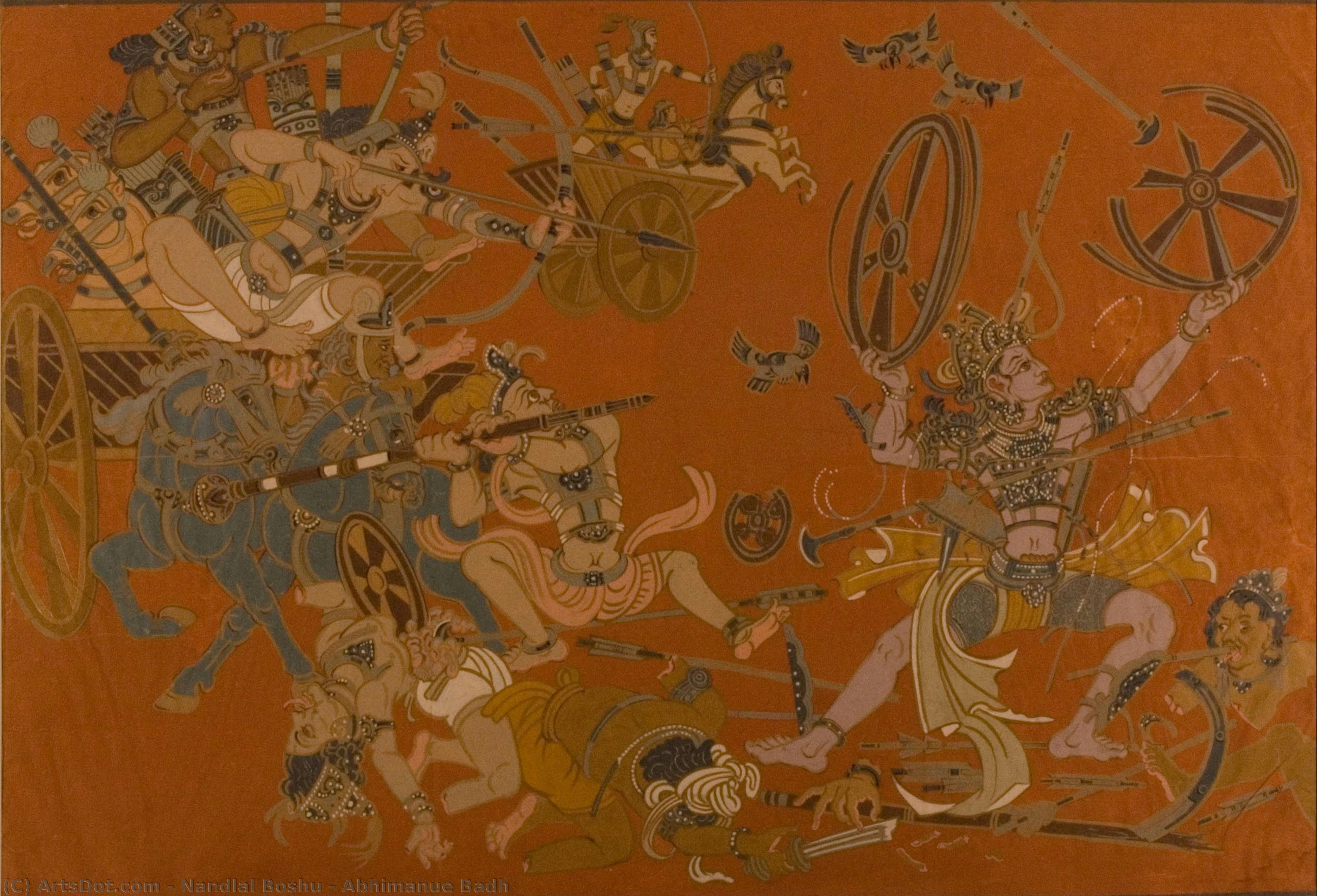
Abhimanue Badh
 Indo-Islamic Style
 1947
1947- Modern
 1790.0 x 1300.0 cm
 National Gallery of Modern Art
 Összes részlet megjelenítése
Giclée / Műnyomat
Múzeumi minőségű giclée vagy vászonnyomat, gyors gyártással és rugalmas finomítási lehetőségekkel. ( Kézzel festett másolat rendelése Kép letöltése)




P118B $10

P118H $10

P118W $10

P438Z $10

P508JH $12

P508YH $12

P805H $10

P805Z $10

P919BZ $10

P919G $10

P919XJ $10

P959ZH $10

P968JZ $12

W106C $8

W218G $10

W218JH $8

W218Y $10

W307PJ $10

W316G $10

W316PJ $8

W316Y $10

W398PJ $8

W4111J $10

W500HY $15

W500JH $15

W692G $12

W849H $8

W940BG $15

W953PJ $8




Válasszon előre meghatározott méreteink közül, amelyek megfelelnek a műalkotás eredeti arányainak.

Megadhat saját méreteket is egy konkrét kerethez vagy helyszínhez igazítva. Amennyiben a kiválasztott méret nem egyezik az eredeti kép arányokkal, a műalkotást le fogjuk vágni, vagy kiegészítjük a képet tükrözött vagy egyszínű szélekkel. A gyártás megkezdése előtt egy digitális tervezetet küldünk jóváhagyásra.
Kérjük, vegye figyelembe, hogy a képernyőn látható előnézet nem tükrözi a tényleges levágást vagy kiegészítést. Csak a tervezet mutatja pontosan a végső kompozíciót.
Bár az egyedi méretek is elérhetőek, az eredeti arányok megőrzése érdekében azt javasoljuk, hogy válasszon a előre meghatározott listából származó méretet.
Világszerte történő kiszállítás területére mindössze 2 hét alatt, a szokásos 4-5 hét helyett. (21 augusztus)

Ingyenes globális expressz szállítás

Prémium minőségű len vászon

Teljes körű szállítási biztosítás

Vámvisszatérítési Garancia

Hiteles színpontosság garancia

60 napos visszaküldési lehetőség (csak hibás termékek esetén)

100% pénzvisszatérítési garancia

Több darab vásárlása esetén kedvezmény
 Az üvegkeretes opció csak 110 cm alatti méretben érhető el

Abhimanue Badh
Giclée / Műnyomat
Reprodukció mérete
-


Összesített ár
$ 80
Gyűjthető leírása
A Heroic Tragedy in Gold and Ochre
In the heart of Nandalal Bose’s profound contribution to Indian modernism lies Abhimanue Badh, a work that breathes life into the ancient echoes of the Mahabharata. This masterpiece captures the tragic moment of the young hero Abhimanyu’s demise, an episode defined by both unparalleled bravery and heartbreaking injustice. As one of the most significant figures of the Bengal School, Bose does not merely illustrate a myth; he orchestrates a visual symphony of chaos and courage. The painting presents a dense, kinetic landscape where the boundaries between man and myth blur, inviting the viewer into a swirling vortex of combat that feels both timeless and urgently present.
The composition is a masterclass in controlled chaos. Within a crowded and energetic frame, the artist utilizes a flattened perspective reminiscent of classical Indian mural traditions to emphasize the sheer scale of the struggle. The eye is immediately drawn to the interplay of geometric precision—the sharp lines of spears, the circular strength of shields, and the rotating wheels of chariots—against the fluid, organic forms of the warriors' bodies. This tension between structure and movement creates a rhythmic pulse throughout the piece, ensuring that even in its most crowded moments, the painting maintains a sense of epic grandeur.
The Alchemy of Color and Line
Technically, Abhimanue Badh is an exploration of warmth and intensity. The palette is dominated by a luminous spectrum of oranges, golds, and deep ochres, creating an atmosphere that feels as though it is radiating heat from the very center of the battlefield. This monochromatic warmth serves to unify the disparate elements of the battle, casting a divine yet violent glow over the scene. Bose’s meticulous brushwork achieves a rich, layered texture that suggests the weight of history itself, giving the surface a tactile quality that invites close inspection.
The artist's lineage, deeply rooted in the study of the Ajanta cave murals and Mughal miniature traditions, is evident in his masterful use of line. Every contour of a muscle, every arc of a weapon, is defined with a precision that speaks to his disciplined training at Kala Bhavana. These lines do more than define shape; they direct the emotional flow of the piece, guiding the viewer from the frantic energy of the periphery toward the tragic epicenter of the hero's stand. For the collector or designer, this work offers a profound sense of movement and light that can serve as a commanding focal point in any sophisticated interior.
A Legacy of Cultural Revival
Beyond its aesthetic brilliance, this artwork stands as a testament to the revival of Indian visual identity. Created during a period of immense national transformation, Bose’s work reflects his commitment to a "new visual language"—one that drew strength from India's classical past to forge a modern future. The symbolism of the chariot and the heroic struggle serves as a metaphor for the indomitable human spirit in the face of overwhelming odds. To possess a reproduction of this work is to hold a piece of the soul of Indian modernism, bringing into one's space a narrative of resilience, artistry, and the eternal drama of the human condition.
A művész életrajza
korai életút és karrier
nandalal bose, a ہندوستان híres művésze, 1882. december 3-án született egy középosztálybeli bengáli családba a Bihar tartománybeli Munger kerület, Haverli Kharagpur településen. A művészet iránti szenvedélye már korán kialakult, és bár családja kezdeti ellenvetése ellenére, később ezt a szenvedélyét váltotta professzióvá. nandalal bose a Kalkutta Művészeti Iskolában tanult, ahol a ajanta-barlangok freskói mély nyomot hagytak a fejlődésében. Az alkotók és írók nemzetközi körének tagjaként részt vett a klasszikus indiai kultúra újjáélesztésére irányuló küzdelemben. Ez a társadalmi elkötelezettség vezette a şiddőmentes mozgalomba való bevonódásához is, amelyet egy 1930-as, fehér alapon megjelenő fekete linóleum metszete örökít meg Mahatma Gandhira, ahogy bot साथ sétál.művészeti stílus és hozzájárulások
nandalal bose művészeti stílusa az úgynevezett „indiai stílusra” jellemző volt, amely a hagyományos indiai és perzsa hatások harmonikus ötvözete volt. Műveiben az indiai mitológiák jelenetei, a női alakok és a vidéki élet szimbolikája ötszőlik bele a néző tekintetébe, ami modern indiai művészet egyik úttörőjeként biztosította számára a világszerte kapott elismerést. nandalal bose néhány kiemelkedő alkotása közé tartozik:- egy oroszlán (59 x 63 cm, National Gallery of Modern Art, New Delhi, tempera) - [https://OriginalUniqueArt.com/@@/d3zhue-nandlal-boshu-a-lion](https://OriginalUniqueArt.com/@@/d3zhue-nandlal-boshu-a-lion)
- dhol wala (59 x 63 cm, National Gallery of Modern Art, New Delhi, tempera) - [https://OriginalUniqueArt.com/@@/d3zgtg-nandlal-boshu-dhol-wala](https://OriginalUniqueArt.com/@@/d3zgtg-nandlal-boshu-dhol-wala)
- pranam (50 x 55 cm, National Gallery of Modern Art, New Delhi, tempera) - [https://OriginalUniqueArt.com/@@/d3zgta-nandlal-boshu-pranam](httpshttps://OriginalUniqueArt.com/@@/d3zgta-nandlal-boshu-pranam)
örökség és elismerés
nandalal bose hozzájárulása az indiai művészethez felbecsülhetetlen. Megbíztatták India alkotmányának megillustrálásával is, és az India Leletgyűjtő Szolgálata (Archaeological Survey of India) 1976-ban az egyik „kilenc művészként” ismerte el, akinek munkássága „művészeti kincsnek” számít. Napjainkban a Delhi National Gallery of Modern Art több mint 7000 alkotását őrzi. fontos linkek:* nandalal bose életrajza a Wikipédián - [https://en.wikipedia.org/wiki/nandalal_bose](https://en.wikipedia.org/wiki/nandalal_bose)
* nandlal boshu művei az OriginalUniqueArt.com oldalon - [https://OriginalUniqueArt.com/@/nandlal-boshu](https://OriginalUniqueArt.com/@/nandlal-boshu)

Nandlal Bose
1882 - 1966 , India
A művészről röviden
- Artistic Movement Or Style: Indiai stílus
- Artists Or Movements Influenced By This Artist: ['Ajanta-barlang freskók']
- Artists Who Influenced This Artist: ['Abanindranath Tagore']
- Date Of Birth: 1882. december 3.
- Date Of Death: 1966. ápril 16.
- Full Name: Nandalal Bose
- Nationality: Indiai
- Notable Artworks:
- Egy oroszlán
- Dhol Wala
- Pranam
- Place Of Birth: Kharagpur, India
Kapcsolódó cikkek

Hogyan emelik a konyhák és fürdőszobák hangulatát a falfestmények – A funkcionális terek átalakítása művészettel
Emlékeztető: A konyha és fürdőszoba hangulatát falfestményekkel alakítsa át! Szakértői tanácsok, prémium minőségű kézzel festett műalkotások a -tól. Inspirációk és egyedi megoldások otthona számára.

A dzsungel jelenetektől az aranylevél geometriáig: A mai legkeresettebb falfestési stílusok
Fedezze fel a legújabb falfestési trendeket! Szakértői útmutatókkal segítünk megtalálni a tökéletes faldekorációt otthonába vagy üzletébe. Prémium minőség, egyedi tervezés – inspirálódjon velünk!
Falfestmények mint belsőépítészeti alapkomponensek: Egy átfogó útmutató szállodatervezők számára
Fedezze fel, hogyan emelhetik a falfestmények szállodája hangulatát! Szakértői útmutató stílusokhoz, anyagokhoz és tervezéshez. Prémium minőség a -tól!
Márkák vizuális identitása: Hogyan teremthet egyedi falművészet tartós benyomást?
Fedezze fel, hogyan teremthet tartós benyomást vendéglátóipari létesítményeiben egyedi falművészettel! Szakértői tanácsok a vizuális identitás építéséhez és a tökéletes hangulat megteremtéséhez.
Emelje Felsőre a Belépőket: Művészi Falfestményekkel Megváltoztatott Előterek – Egy Tervező Útmutatója
Fedezze fel, hogyan emelheti szállodája előterének hangulatát művészi falfestményekkel! Szakértői útmutató a tervezéshez, stílusokhoz és költségvetéshez. Inspirálódjon luxushotel projektekből!

