() ·

A painting made for you, by hand

The Tailor

Kézzel készített olajfestmény reprodukció

Kézzel festett olajvastú vászon, az Ön által választott méretben és keretben, művészeink készítik meglévőre. ( Váltás nyomtatványra Áttérés digitális képre)

A gyűjtemény leírása

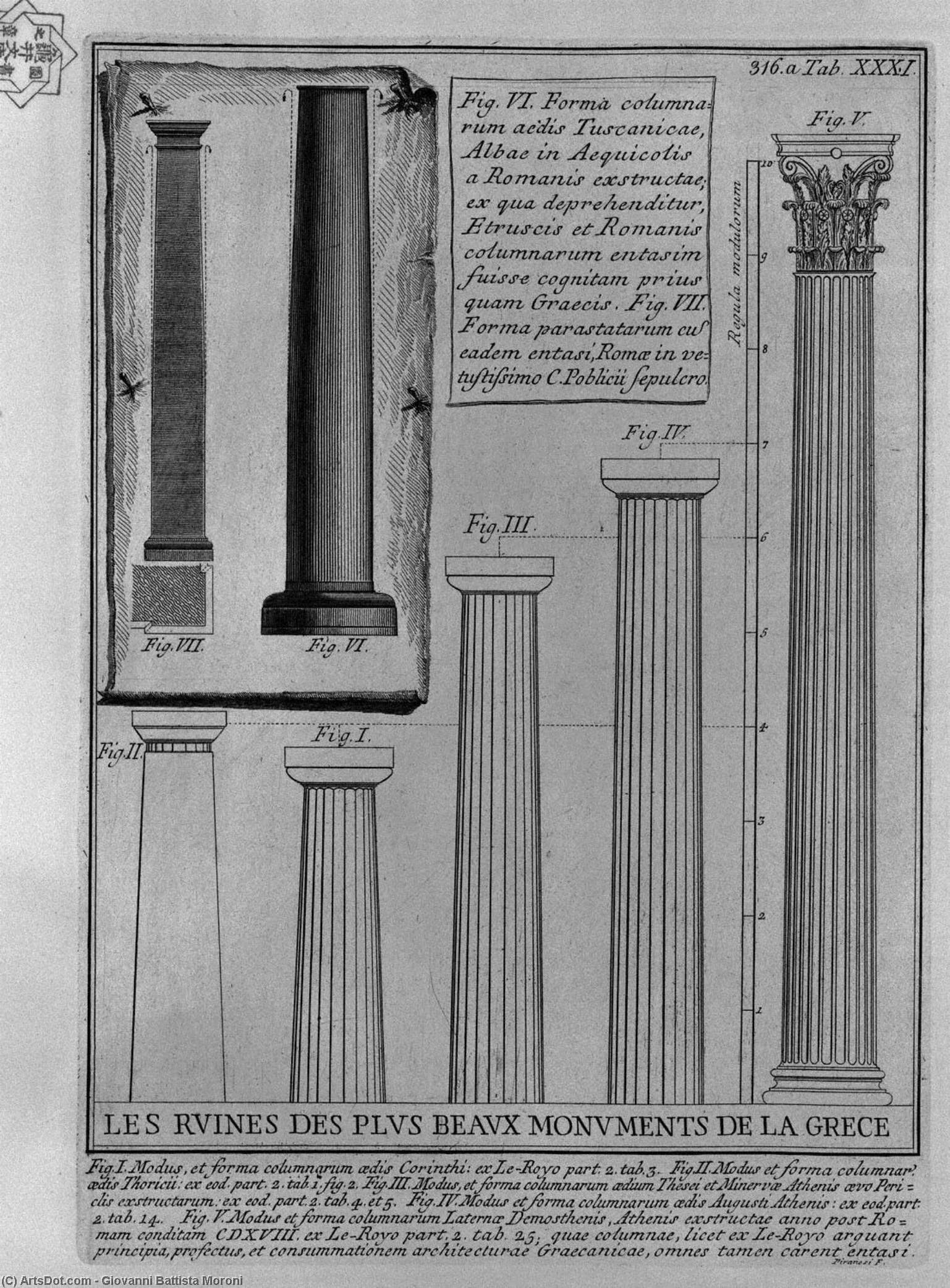
Explore Giovanni Battista Moroni’s ‘The Tailor,’ a 1570 masterpiece showcasing classical architecture & meticulous detail. A rare glimpse into Renaissance illustration.

A művész életrajza

Giovanni Battista Moroni (1520-1578): olasz manierista festész, a reneszánsz nemesség és egyházasság realista portréinak mestere. A Cinquecento kor egyik kulcsfontosságú alakja.

from ·

Chapter 1

How large should it be?

Slide to change the size; the picture on the left shows the frame at its real width. The proportions of the original are kept.

Standard méret
egyedi méretű
CM
INCH

Válasszon előre meghatározott méreteink közül, amelyek megfelelnek a műalkotás eredeti arányainak.

szélesség
magasság

Írja be a kívánt szélességet és magasságot, hogy illeszkedjen a keretéhez vagy a falához. Mivel ez kézzel festett alkotás, egy eltérő formájú méret esetén a művész akár festhet is valamivel többet a kép körül, vagy korolathat is belőle — az Ön döntésének megfelelően. A festés megkezdése előtt küldünk egy digitális tervezetet jóváhagyásra. Az oldalon látható kép nem tartalmazza a végeredményt — csak a tervezet mutatja meg a valódi eredményt.

Chapter 2

How should it arrive?

Choose the edges of the stretched canvas

Choose your frame

Corner sample of the WhiteWrap canvas edge finish, stretched on tömörfa bars
White Ft1
Corner sample of the BlurSideWrap canvas edge finish, stretched on tömörfa bars
Blurside Ft1
Corner sample of the ExtendedWrap canvas edge finish, stretched on tömörfa bars
Extended Ft1
Corner sample of the P118B picture frame: formázott polisztirol, 5 cm wide and 3 cm thick
P118B Ft10
Corner sample of the P118H picture frame: formázott polisztirol, 5 cm wide and 3 cm thick
P118H Ft10
Corner sample of the P118W picture frame: formázott polisztirol, 5 cm wide and 3 cm thick
P118W Ft10
Corner sample of the P438Z picture frame: formázott polisztirol, 5.5 cm wide and 3.5 cm thick
P438Z Ft10
Corner sample of the P508JH picture frame: formázott polisztirol, 7 cm wide and 3.5 cm thick
P508JH Ft12
Corner sample of the P508YH picture frame: formázott polisztirol, 7 cm wide and 3.5 cm thick
P508YH Ft12
Corner sample of the P805H picture frame: formázott polisztirol, 5 cm wide and 3.5 cm thick
P805H Ft10
Corner sample of the P805Z picture frame: formázott polisztirol, 5 cm wide and 3.5 cm thick
P805Z Ft10
Corner sample of the P919BZ picture frame: formázott polisztirol, 7 cm wide and 3.5 cm thick
P919BZ Ft10
Corner sample of the P919G picture frame: formázott polisztirol, 7 cm wide and 3.5 cm thick
P919G Ft10
Corner sample of the P919XJ picture frame: formázott polisztirol, 7 cm wide and 3.5 cm thick
P919XJ Ft10
Corner sample of the P959ZH picture frame: formázott polisztirol, 5 cm wide and 3 cm thick
P959ZH Ft10
Corner sample of the P968JZ picture frame: formázott polisztirol, 6 cm wide and 4 cm thick
P968JZ Ft12
Corner sample of the W106C picture frame: tömörfa, 5 cm wide and 3 cm thick
W106C Ft8
Corner sample of the W218G picture frame: tömörfa, 5 cm wide and 3 cm thick
W218G Ft10
Corner sample of the W218JH picture frame: tömörfa, 5 cm wide and 3 cm thick
W218JH Ft8
Corner sample of the W218Y picture frame: tömörfa, 5 cm wide and 3 cm thick
W218Y Ft10
Corner sample of the W307PJ picture frame: tömörfa, 6 cm wide and 3 cm thick
W307PJ Ft10
Corner sample of the W316G picture frame: tömörfa, 6 cm wide and 3 cm thick
W316G Ft10
Corner sample of the W316PJ picture frame: tömörfa, 6 cm wide and 3 cm thick
W316PJ Ft8
Corner sample of the W316Y picture frame: tömörfa, 6 cm wide and 3 cm thick
W316Y Ft10
Corner sample of the W398PJ picture frame: tömörfa, 5 cm wide and 3 cm thick
W398PJ Ft8
Corner sample of the W4111J picture frame: tömörfa, 6.5 cm wide and 3.5 cm thick
W4111J Ft10
Corner sample of the W500HY picture frame: tömörfa, 7 cm wide and 5 cm thick
W500HY Ft15
Corner sample of the W500JH picture frame: tömörfa, 7 cm wide and 5 cm thick
W500JH Ft15
Corner sample of the W692G picture frame: tömörfa, 8 cm wide and 4 cm thick
W692G Ft12
Corner sample of the W849H picture frame: tömörfa, 5 cm wide and 3 cm thick
W849H Ft8
Corner sample of the W940BG picture frame: tömörfa, 7.5 cm wide and 4.5 cm thick
W940BG Ft15
Corner sample of the W953PJ picture frame: tömörfa, 6 cm wide and 3.5 cm thick
W953PJ Ft8
Corner sample of the H24-GOLD picture frame: faragott fa gesszóval, 10 cm wide and 6 cm thick
H24-GOLD Ft30
Corner sample of the H24-SILVER picture frame: faragott fa gesszóval, 10 cm wide and 6 cm thick
H24-SILVER Ft30
Corner sample of the H36-GOLD picture frame: faragott fa gesszóval, 15 cm wide and 6.5 cm thick
H36-GOLD Ft45
Corner sample of the H36-SILVER picture frame: faragott fa gesszóval, 15 cm wide and 6.5 cm thick
H36-SILVER Ft45

Moulding: . Overall size with the frame: .

Chapter 3

Who paints it, and should anything change?

Examples of what can be changed: Replace face with customer photo; Add pet (e.g., replace cat with dog); Include hidden message in background; Change background landscape or elements.
After order, OriginalUniqueArt.com team will email client for instructions and provide a mockup preview

Világszerte elérhető szállítás () 3-4 hét alatt a szokásos 5 hét helyett. (1 november). A minőség nem kérdőjelezhető.

Chapter 4

The finishing touches

A nameplate, as in a museum?

A gravírozott bronztábla részletei

This elegant plaque features the artist's name and the title of the artwork, finely engraved for a timeless presentation.

It is made from bronze with a refined, elegant finish. The text is precisely laser-engraved for a sharp and permanent result. Measuring 9x2 cm, the plaque is compact yet easy to read. It's built to be durable and scratch-resistant, offering a professional, museum-quality look. Mounting is simple thanks to the included adhesive backing.

Átlátszó akril tábla részletei

The plaque includes essential engraved details such as the artist's name, the title of the artwork, the date it was created, the type of media used-like oil on canvas or watercolor-a brief description of the piece, and a QR code that links to the complete artwork information.

It is crafted from clear acrylic, offering a sleek, modern appearance. The text is UV-engraved in black to ensure strong visual contrast. With a size of 10x15 cm, it ensures optimal readability. It comes equipped with two metal hooks for secure wall mounting. The plaque is designed to be weather-resistant, making it suitable for various environments, and it includes interactive features that work seamlessly with smartphone scanning.

Fekete akril tábla részletei

This elegant plaque includes engraved information such as the artist's name, the title of the artwork, the date it was created, the type of media used (like oil on canvas or watercolor), a short description of the artwork, and a QR code for quick access to more information.

The plaque itself is made from refined black acrylic with a premium finish. The text is laser-engraved in white for high contrast and readability. Its size is 10x15 cm, designed to be easy to read. It comes with two metal hooks for professional mounting. The design is sleek and fits any interior style. It is also weather-resistant and durable, with built-in digital integration for mobile compatibility.

A protective varnish?

When do you need it?

Chapter 5

Your painting, as you ordered it

The Tailor

Reprodukciós technika

Reprodukció mérete

-

Kiváló mesterművész

Nagyobb részletesség, finomság és bővített gyártási idő

-

Reprodukció keretezése

-

-

A bármely oldalsó méretét túlszálaló 105 cm (kb. 41 hüvelyk) meghaladó műalkotások vagy reprodukciók esetében a keret összeszerelhető készletként, szétszerelve kerül szállításra. Ez a módszer biztosítja a biztonságos szállítást, és megakadályozza a szállítás során fellépő sérüléseket.

Szakmész összeszerelést igényel – ez nem DIY (önösszeszerelhető) termék.
A készletet egy tapasztalt keretező szakembernek kell összeszerelnie és a vásznat feszítenie kell, fa ragasztó (nem tartalmazza a csomag), vásznfeszítő fogó és szorítók használatával, amelyek a ragasztó száradásáig a keretrészeket egymáshoz vuôngjba tartják. A helytelen összeszerelés vagy a nem egyenletes vásznfeszítés maradandó károsíthatja a műalkotást, és ez nem része a garanciánknak.

  • A készlet tartalmazza az összes tömörfa rudat, pontosan méretre vágva.

  • A mellékelt csavarokkal, valamint a sarokszerekhez szükséges faütő ragasztóval kell összeszerelnie (ez nem tartalmazható a csomagban), így a keretrendezőnek külön kell beszereznie.

  • A csomag nem tartalmazza a szükséges professzionális eszközöket: egy vászonfeszítőt és klipseket a rácsok vízszintes tartásához a ragasztó megszáradásáig.

Fontos:
A sarokcsatlakozásokhoz fánylagra van szükség, a keretrudakat szorítókapcsokkal kell rögzíteni, amíg a rag teljesen meg nem szárad, a kész keretre feszített vászonhoz pedig vászonfeszítő fogat szükséges. Ezek egyike sem található meg a készletben. Kérjük, rendelés előtt győződjön meg róla, hogy rendelkezik tapasztalt keretező szakemberrel.

Névtábla

-

-

Védőréteg (Lakk)

Fényes lakk (intenzívabb színek, védelem a fény és a nedvesség hatása ellen)

-

Műalkotásom egyedi igényre szabása

Példák a módosíthatóságra: az arc kicserélése az ügyfél fotójára; háziállat hozzáadása (pl. macska helyett kutya); rejtett üzenet elhelyezése a háttérben; a háttér tájainak vagy elemeinek megváltoztatása.

-

Sürgős

Világszerte szóló szállítás () mindössze 3-4 hét alatt, a szokásos 5 hét helyett. (1 november). A minőség nem kérdőjelezhető.

-

Express szállítás

Világszerte elérhető szállítás területre 5 héten belül. (8 november).

A szállítás díja tartalmazza

Összesített ár

Ft 98242

Összesített ár Ft 98242

Az üvegkeretes opció csak 110 cm alatti méretben érhető el

Included with every order

  • Ingyenes globális expressz szállítás
  • Prémium minőségű len vászon
  • Teljes körű szállítási biztosítás
  • Vámvisszatérítési Garancia
  • Hiteles színarányosság garancia
  • 100 napos visszaküldési lehetőség (csak hibás termékek esetén)
  • 100% pénzvisszatérítési garancia
  • Több darab vásárlásakor kedvezmény

The Tailor: A Renaissance Portrait of Skill and Dignity

Giovanni Battista Moroni’s “The Tailor” stands apart from many portraits of the Cinquecento—the Italian Renaissance era—primarily due to its unconventional subject matter. Rather than depicting a noble lord or wealthy merchant adorned in opulent fabrics, Moroni chose to portray a craftsman engaged in his trade: a tailor meticulously marking fabric with chalk and holding shears. This decision wasn’t merely stylistic; it reflected Moroni's astute observation of social hierarchies and his fascination with the dignity inherent in honest labor—a concept that resonated deeply within humanist thought of the time. The painting itself is remarkable for its technical prowess and psychological realism, qualities rarely found in portraits commissioned during this period. Moroni eschewed idealized representations favored by artists like Titian and Veronese, opting instead for a depiction that captures a fleeting moment of concentration—a man pausing from his work to gaze directly at the viewer. This intimate engagement creates an immediate connection between subject and observer, conveying a sense of immediacy and spontaneity that distinguishes “The Tailor” from its contemporaries. Moroni’s masterful handling of color contributes significantly to the painting's expressive impact. He employs a restrained palette—primarily muted yellows, greens, and browns—but utilizes subtle tonal variations to create depth and luminosity. Notably, Moroni achieved remarkable effects by applying paint directly onto wet canvas, layering thin glazes over thicker undercoats to build up texture and imbue the image with vibrancy. This technique is particularly evident in the depiction of the tailor’s beard and hair, where Moroni skillfully blended pigments to achieve a luminous sheen that captures the subtle nuances of light and shadow. Beyond its artistic merits, “The Tailor” holds considerable symbolic significance within the context of Renaissance art history. As mentioned earlier, Moroni's choice to portray a craftsman challenged prevailing conventions regarding portraiture—traditionally reserved for members of the aristocracy—demonstrating an openness to representing individuals from diverse social strata. Furthermore, the inclusion of tools like shears and chalk serves as a visual reminder of the importance of practical skills and honest labor—values championed by humanist thinkers who sought to elevate the status of artisans and craftsmen alongside intellectuals and nobles. The painting’s enduring appeal lies in its ability to evoke emotions of quiet contemplation and admiration for human achievement. “The Tailor” invites viewers to consider the dignity inherent in pursuing one's craft with diligence and precision—a sentiment that transcends temporal boundaries and continues to resonate powerfully today. Its understated elegance, combined with Moroni’s exceptional technical skill, ensures its place as a cornerstone of Renaissance portraiture and a testament to the artist’s profound understanding of human psychology and social dynamics.

Kérdések és válaszok

Milyen érzelmi hangulat kíséri a "The Tailor" alkotás Renaissance stílusát?

A Renaissance irányzat részeként a "The Tailor" egy Romantic hangulatban készült.

Milyen hangulat és érzelem ötvöződik a "The Tailor" alkotásban?

A "The Tailor" alkotásban egy Elegant hangulat kíséri egy Romantic érzelmet.

Milyen felhasználásra javasolt a „The Tailor”, Moroni, Giovanni Battista alkotása?

A „The Tailor” nyomtatvány ajánlott felhasználása: Accent.

More about this painting

Megtekintés AR előnézet Váltás nyomtatványra Áttérés digitális képre Küldés
Részletek Útmutató Kedvencekhez ad Letöltés Hasonló darabok X-ray felvétel Diavetítés Q&A Statisztika

In numbers

  • 1570the year it was painted
  • 29frames to choose from
  • standard sizes, in its own proportions
  • 5weeks to paint and deliver it
Moroni, Giovanni Battista

Moroni, Giovanni Battista

1520 - 1578, Olaszország

Quick facts about Moroni, Giovanni Battista

  • Birth Date: 1520
  • Birth Place: Albino, Olaszország
  • Death Date: 1578
  • Influenced:
    • Fra' Galgario
    • Pietro Longhi
  • Influenced By: Tizian, Alessandro Bonvicino
  • Movement: Manierizmus
  • Name: Giovanni Battista Moroni
  • Nationality: olasz
  • Notable Works:
    • A fazonőr
    • Gian Lodovico Madruzzo

A művész életrajza

Giovanni Battista Moroni: Élet és örökség

Kora és képzése

Giovanni Battista Moroni (úgy is ismert, mint Giambattista Moroni) 1520-ben született Albino településében, Bergamo közelében, Olaszországban. A művész fejlődését olyan környezet övezte be, amely alapjaiban formálta szemeit: édesapja, Andrea Moroni építész volt, biztosítva számára a művészi fejlődéshez szükséges inspiratív hátteret. Első szakmai tapasztalatait Brescia városában szerezte Alessandro Bonvicino, más néven Moretto tanítása alatt. Ez a korai megtanulási időszak fektette le a technikai tudás alapjait, és segítette őt a reneszánsz festészet bonyolult technikáinak mélyebb megértésében.

Művészeti fejlődés és hatások

Moroni művészeti utazása számos olasz várost átszelve vezetett őt, köztük Trento és Bergamo sorsfordító állomásai során. Egy meghatározó pillanatot jelentett tartói időszakában Trento városában, ahol találkozott Tiziannal és Cristoforo Madruzzo gróf-püspökkel. Tizian hatása egyértelműen felismerhető Moroni színhasználatában és a fény kifinomult kezelésében. Bár kezdetben a korábbi reneszánsz stílusok határozták meg alkotásait, Moroni fokozatosan fejlesztett ki egy sajátos manierista lendületet, amelyet az elegancia és a mélységes realizmus jellemzett.

Művészetének legfontosabb jellemzői

  • Portretisztészet: Moroni elsősorban a helyi nemesség és az egyházi hierarchia portréiról vált híres. Ezek a művek nem csupán egyszerű hasonlátások, hanem karakterstudik, amelyek képesek megörökíteni modelljeik méltóságát és pszichológiai mélységét is.
  • Realizmus és naturalizmus: A festész természetes technikákat alkalmazott és éles tekintettel figyelte a részleteket, ezzel egyfajta azonosságot és jelenlétérzetet teremtve portéitban.
  • Ezüstös tónusok: Moroni festményeit gyakran különleges, ezüstös tónusú világosság jellemzi, amelyet a fény és az árnyék finom gradációival érelt el.
  • Vallásos festmények: Bár portréihoz képest kevesebb ilyen alkotást készített, Moroni vallási témájú vászonokat is alkotott. Ezek a művek inkább archaikus stílust mutatnak, amely a Quattrocento későbbi kompozícióira emlékeztet.

Kiemelt alkotások

Moroni legmeghatározóbb festményei közé tartozik:

  • A fazonőr (The Tailor): A londoni National Galleryban őrzött alkotás tökéletesen példázza művész καθηnapok valóságos ábrázolását és karakterépítését.
  • Gian Lodovico Madruzzo: Egy lenyűgöző portré, amely Moroni képességét mutatja be a hatalom és az önreflexió egyidejességének megörökítésében.
  • Számos Bergamo nemesek portréja, amelyek értékes vizuális dokumentumként szolgálnak a 16. századi társadalom megismeréséhez.

Történelmi jelentőség és örökség

Giovanni Battista Moroni munkássága alapvető helyet foglal 차지 az olasz művészettörténetben. Áthidalta a szakadékot a magasan fejlődött reneszánsz ideálok és a feltörekvő manierista stílus között, olyan portrékat alkotva, amelyek egyszerre voltak elegánsak és pszichológiailag meggyőzőek. Hatása kiterjedt későbbi művészekre is, mint például Fra' Galgario vagy Pietro Longhi, akik csodálták képességét, amellyel képes volt a témái lényegét megörökíteni. Napjainkban Moroni festményei olyan tekintélyes múzeumokban kapnak helyet, mint az Uffizi Galéria vagy a National Gallery, tovább inspirálva a művészettudósokat és a nézőket egyaránt.

Záró gondolatok

Moroni öröksége abban rejlik, hogy képes volt a portretisztaságot a puszta ábrázolaton túlvalag magasabb szintre emelni. Műveit emberi mélységgel és olyan pszichológiai rétegekkel töltötte meg, amelyek évszázadokkal később is érezhetőek a nézőben. Festményei egyedülálló ablakot nyitnak a 16. századi Olaszország életébe és személyiségeibe, megerősítve helyét a Cinquecento kor egyik mestereként.

Gyors információk

  • Influences: Titian
  • Notable elements or techniques: Detailed realism; Subtle shading; Precise line drawing
  • Artistic style: Academic illustration
  • Medium: Oil on canvas
  • Year: 1570
  • Subject or theme: Portraiture; Craftsmanship
Fedezze fel a műalkotásokat témák, stílusok és jellemzők szerint csoportosítva.