
 Megtekintés
 Küldés
 Megosztás
 Részletek

 Letöltés
 Hasonló darabok
 X-ray felvétel
 Diavetítés
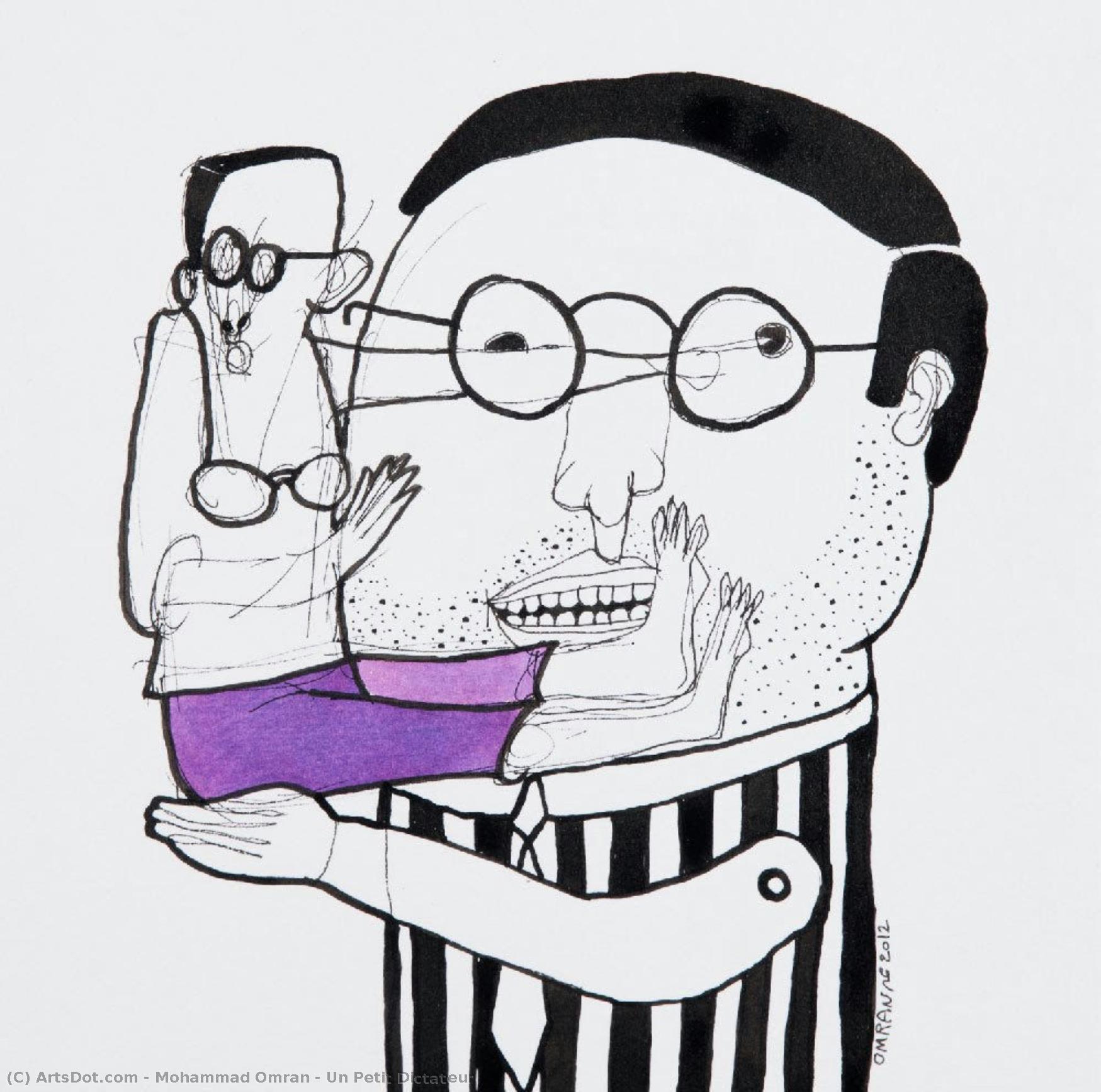
Un Petit Dictateur


 Összes részlet megjelenítése
Kézzel készített olajfestmény reprodukció
Kézzel festett olajvastú vászon, az Ön által választott méretben és keretben, művészeink készítik meglévőre. ( Nyomat rendelése Kép letöltése)




































Válasszon előre meghatározott méreteink közül, amelyek megfelelnek a műalkotás eredeti arányainak.

Ön megadhat saját méreteket egy adott kerethez vagy térhez igazításhoz. Ha a kiválasztott méret nem egyezik az eredeti kép arányával, akkor a műalkotást levágjuk, vagy további kézzel festett elemekkel meghosszabbítjuk a festményt. A gyártás megkezdése előtt küldünk Önnek egy digitális előnézetet jóváhagyásra.
Kérjük, vegye figyelembe, hogy a képernyőn megjelenő előnézet nem tükrözi a tényleges vágást vagy kiterjesztést. Csak az előnézet fog pontosan mutatni a végső kompozíciót.
Bár egyedi méretek állnak rendelkezésre, javasoljuk, hogy válasszon egy méretet az előre meghatározott listából az eredeti arányok megőrzése érdekében.
A rendelést követően a OriginalUniqueArt.com csapata e-mailt küld az ügyfélnek az instrukciókért, és biztosít egy előnézeti képet (mockup).
Világszerte elérhető szállítás () 3-4 hét alatt a szokásos 5 hét helyett. (18 augusztus). A minőség nem kérdőjelezhető.

Ingyenes globális expressz szállítás

Prémium minőségű len vászon

Teljes körű szállítási biztosítás

Vámvisszatérítési Garancia

Hiteles színpontosság garancia

60 napos visszaküldési lehetőség (csak hibás termékek esetén)

100% pénzvisszatérítési garancia

Több darab vásárlása esetén kedvezmény
 Az üvegkeretes opció csak 110 cm alatti méretben érhető el

Un Petit Dictateur
Reprodukciós technika
Reprodukció mérete
-


Összesített ár
$ 350
A művész életrajza
The Sculpted Soul: The Artistic Journey of Mohammad Omran
Born in the historic heart of Damascus, Syria, in 1979, Mohammad Omran has emerged as a profound voice in contemporary art, weaving a narrative that bridges the ancient weight of Middle Eastern history with the visceral anxieties of the modern era. His journey began within the hallowed halls of the Faculty of Fine Arts at Damascus University, where he first mastered the tactile language of sculpture. This early foundation in three-dimensional form would later become the cornerstone of his aesthetic, allowing him to manipulate mass and void to express the complexities of the human condition. As his path led him from the Levant to the academic rigor of France, Omran’s work underwent a transformative evolution, shaped by deep scholarly inquiry and the turbulent political landscapes of his homeland.
The transition to Europe marked a pivotal chapter in his creative odyssey. Pursuing advanced studies at the University of Lyon, Omran earned both a Master’s degree and a PhD in art history. This academic immersion did not merely supplement his technical skill; it fundamentally altered his artistic lens. By studying the historical trajectories of human representation, he gained the tools to critique the present through the echoes of the past. His relocation to Paris in 2007 provided a cosmopolitan stage where his sculptural roots could merge with new explorations in painting and video art, creating a multidisciplinary practice that is as intellectually dense as it is visually arresting.
Deformation and the Human Condition
To encounter an Omran piece is to confront the raw, unvarnished reality of existence. Moving far beyond the idealized proportions of classical models, his work delves into the shadows of humanity, focusing on the beauty found within flaws, distortions, and imperfections. He often utilizes the motif of the tortured or exhausted human body to serve as a metaphor for broader social and political struggles. His sculptures frequently feature distorted faces and slumped figures that evoke a sense of profound empathy, yet they are simultaneously laced with a sharp, cynical edge that can provoke disgust or even dark humor.
The symbolism in his work is deeply intertwined with the socio-political climate of Syria and the global repercussions of violence. Through his use of animal metaphors and the depiction of physically burdened figures, Omran critiques the mechanisms of tyranny, the abuse of power, and the pervasive nature of systemic violence. His art does not merely observe suffering; it embodies it, using the very texture of the medium—whether the ruggedness of a bronze bust or the delicate, weary lines of a drawing—to mirror the resilience and anguish of those caught in the crossfire of history.
A Legacy of Global Resonance
The significance of Mohammad Omran’s contribution to contemporary art lies in his ability to translate localized trauma into a universal language of human endurance. His reach extends far beyond the borders of Syria and France, with his works finding homes in some of the world's most prestigious institutions. His artistic impact is reflected in several key areas:
- Institutional Recognition: His pieces are held in esteemed collections such as the British Museum in London, the Institut du Monde Arabe in Paris, and the Atassi Foundation.
- Exhibition Breadth: Omran has successfully navigated the international gallery circuit, exhibiting in diverse cultural hubs including Berlin, Beirut, Copenhagen, Kuwait, and Mexico City.
- Multidisciplinary Mastery: His ability to transition seamlessly between the permanence of sculpture and the expressive fluidity of painting allows him to capture different temporalities of human experience.
Ultimately, Mohammad Omran stands as a storyteller of the modern age. His work serves as a vital bridge between cultures, using the language of deformity and strength to illuminate the shared stories that connect us all. In an era defined by fragmentation, his art seeks a profound, albeit painful, interconnectedness, reminding the viewer that even in our most broken states, the human element remains indomitable.

mohammad omran
1979 - , Syrian Arab Republic
A művészről röviden
- Artistic Movement Or Style: Contemporary Art
- Date Of Birth: 1979
- Full Name: Mohammad Omran
- Nationality: Syrian
- Notable Artworks:
- Entends-tu?
- Untitled 4
- Untitled 7
- Place Of Birth: Damascus, Syria

