A szöveg mérete

() ·

Egy Önnek készült, kézzel festett alkotás

Az Éjszakai Szállót

Kézzel készített olajfestmény reprodukció

Kézzel festett olajvastú vászon, az Ön által választott méretben és keretben, művészeink készítik meglévőre. ( Váltás nyomtatványra Áttérés digitális képre)

A gyűjtemény leírása

Millet ikonikus Éjszakai Szállója egy nyugodt vidéki táj és vallásos szentülés képei Franciaországban az 1850-es években. Együtt vizsgáljuk művészét, technikáját és történelmi jelentését!

A művész életrajza

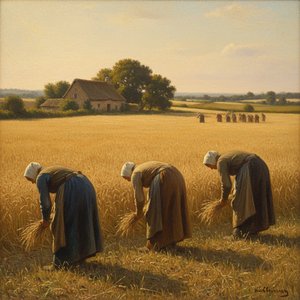
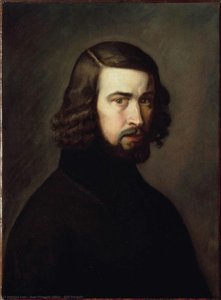
Jean-François Millet (1814-1875): A francia realista festőművész, aki a vidéki élet egyszerű szépségét és a munkások méltóságát ábrázolta. Népszerű alkotásai: 'A Kalászszedők', 'Az Angelus'.

előbb ·

1. fejezet

Mekkora méretű legyen?

Húzza a csúszkát a méret megváltoztatásához; a bal oldali kép a keret valós szélességét mutatja. Az eredeti arányok megmaradnak.

Standard méret
egyedi méretű
CM
INCH

Válasszon előre meghatározott méreteink közül, amelyek megfelelnek a műalkotás eredeti arányainak.

szélesség
magasság

Írja be a kívánt szélességet és magasságot, hogy illeszkedjen a keretéhez vagy a falához. Mivel ez kézzel festett alkotás, egy eltérő formájú méret esetén a művész akár festhet is valamivel többet a kép körül, vagy korolathat is belőle — az Ön döntésének megfelelően. A festés megkezdése előtt küldünk egy digitális tervezetet jóváhagyásra. Az oldalon látható kép nem tartalmazza a végeredményt — csak a tervezet mutatja meg a valódi eredményt.

2. fejezet

Hogyan érkezzen meg?

Válaszd ki a feszített vászon széleit

Válassza ki a keretet

Corner sample of the WhiteWrap canvas edge finish, stretched on tömörfa bars
Fehér Ft1
Corner sample of the BlurSideWrap canvas edge finish, stretched on tömörfa bars
Elmosódott szélek Ft1
Corner sample of the ExtendedWrap canvas edge finish, stretched on tömörfa bars
Kiterjesztett Ft1
Corner sample of the P118B picture frame: formázott polisztirol, 5 cm wide and 3 cm thick
P118B Ft10
Corner sample of the P118H picture frame: formázott polisztirol, 5 cm wide and 3 cm thick
P118H Ft10
Corner sample of the P118W picture frame: formázott polisztirol, 5 cm wide and 3 cm thick
P118W Ft10
Corner sample of the P438Z picture frame: formázott polisztirol, 5.5 cm wide and 3.5 cm thick
P438Z Ft10
Corner sample of the P508JH picture frame: formázott polisztirol, 7 cm wide and 3.5 cm thick
P508JH Ft12
Corner sample of the P508YH picture frame: formázott polisztirol, 7 cm wide and 3.5 cm thick
P508YH Ft12
Corner sample of the P805H picture frame: formázott polisztirol, 5 cm wide and 3.5 cm thick
P805H Ft10
Corner sample of the P805Z picture frame: formázott polisztirol, 5 cm wide and 3.5 cm thick
P805Z Ft10
Corner sample of the P919BZ picture frame: formázott polisztirol, 7 cm wide and 3.5 cm thick
P919BZ Ft10
Corner sample of the P919G picture frame: formázott polisztirol, 7 cm wide and 3.5 cm thick
P919G Ft10
Corner sample of the P919XJ picture frame: formázott polisztirol, 7 cm wide and 3.5 cm thick
P919XJ Ft10
Corner sample of the P959ZH picture frame: formázott polisztirol, 5 cm wide and 3 cm thick
P959ZH Ft10
Corner sample of the P968JZ picture frame: formázott polisztirol, 6 cm wide and 4 cm thick
P968JZ Ft12
Corner sample of the W106C picture frame: tömörfa, 5 cm wide and 3 cm thick
W106C Ft8
Corner sample of the W218G picture frame: tömörfa, 5 cm wide and 3 cm thick
W218G Ft10
Corner sample of the W218JH picture frame: tömörfa, 5 cm wide and 3 cm thick
W218JH Ft8
Corner sample of the W218Y picture frame: tömörfa, 5 cm wide and 3 cm thick
W218Y Ft10
Corner sample of the W307PJ picture frame: tömörfa, 6 cm wide and 3 cm thick
W307PJ Ft10
Corner sample of the W316G picture frame: tömörfa, 6 cm wide and 3 cm thick
W316G Ft10
Corner sample of the W316PJ picture frame: tömörfa, 6 cm wide and 3 cm thick
W316PJ Ft8
Corner sample of the W316Y picture frame: tömörfa, 6 cm wide and 3 cm thick
W316Y Ft10
Corner sample of the W398PJ picture frame: tömörfa, 5 cm wide and 3 cm thick
W398PJ Ft8
Corner sample of the W4111J picture frame: tömörfa, 6.5 cm wide and 3.5 cm thick
W4111J Ft10
Corner sample of the W500HY picture frame: tömörfa, 7 cm wide and 5 cm thick
W500HY Ft15
Corner sample of the W500JH picture frame: tömörfa, 7 cm wide and 5 cm thick
W500JH Ft15
Corner sample of the W692G picture frame: tömörfa, 8 cm wide and 4 cm thick
W692G Ft12
Corner sample of the W849H picture frame: tömörfa, 5 cm wide and 3 cm thick
W849H Ft8
Corner sample of the W940BG picture frame: tömörfa, 7.5 cm wide and 4.5 cm thick
W940BG Ft15
Corner sample of the W953PJ picture frame: tömörfa, 6 cm wide and 3.5 cm thick
W953PJ Ft8
Corner sample of the H24-GOLD picture frame: faragott fa gesszóval, 10 cm wide and 6 cm thick
H24-GOLD Ft30
Corner sample of the H24-SILVER picture frame: faragott fa gesszóval, 10 cm wide and 6 cm thick
H24-SILVER Ft30
Corner sample of the H36-GOLD picture frame: faragott fa gesszóval, 15 cm wide and 6.5 cm thick
H36-GOLD Ft45
Corner sample of the H36-SILVER picture frame: faragott fa gesszóval, 15 cm wide and 6.5 cm thick
H36-SILVER Ft45

Keretprofil: . A kerettel együtt vett teljes méret: .

3. fejezet

Ki festi, és változtatni kellene-e bármit?

Példák a módosíthatóságra: Az arc kicserélése a vásárló fotójára; háziállat hozzáadása (pl. macska kicserélése kutyára); rejtett üzenet elhelyezése a háttérben; a háttér tájéképének vagy elemeinek megváltoztatása.
A megrendelést követően a OriginalUniqueArt.com csapat e-mailt küld a vásárlónak az instrukciókkal, és biztosítja a tervezeti előnézetet

Világszerte elérhető szállítás () 3-4 hét alatt a szokásos 5 hét helyett. (6 november). A minőség nem kérdőjelezhető.

4. fejezet

Az utolsó finomhangolás

Egy felirat, mint egy múzeumban?

A gravírozott bronztábla részletei

This elegant plaque features the artist's name and the title of the artwork, finely engraved for a timeless presentation.

It is made from bronze with a refined, elegant finish. The text is precisely laser-engraved for a sharp and permanent result. Measuring 9x2 cm, the plaque is compact yet easy to read. It's built to be durable and scratch-resistant, offering a professional, museum-quality look. Mounting is simple thanks to the included adhesive backing.

Átlátszó akril tábla részletei

The plaque includes essential engraved details such as the artist's name, the title of the artwork, the date it was created, the type of media used-like oil on canvas or watercolor-a brief description of the piece, and a QR code that links to the complete artwork information.

It is crafted from clear acrylic, offering a sleek, modern appearance. The text is UV-engraved in black to ensure strong visual contrast. With a size of 10x15 cm, it ensures optimal readability. It comes equipped with two metal hooks for secure wall mounting. The plaque is designed to be weather-resistant, making it suitable for various environments, and it includes interactive features that work seamlessly with smartphone scanning.

Fekete akril tábla részletei

This elegant plaque includes engraved information such as the artist's name, the title of the artwork, the date it was created, the type of media used (like oil on canvas or watercolor), a short description of the artwork, and a QR code for quick access to more information.

The plaque itself is made from refined black acrylic with a premium finish. The text is laser-engraved in white for high contrast and readability. Its size is 10x15 cm, designed to be easy to read. It comes with two metal hooks for professional mounting. The design is sleek and fits any interior style. It is also weather-resistant and durable, with built-in digital integration for mobile compatibility.

Egy védőréteg?

Mikor lenne szüksége rá?

5. fejezet

Az Ön által megrendelt festmény

Az Éjszakai Szállót

Reprodukciós technika

Reprodukció mérete

-

Kiváló mesterművész

Nagyobb részletesség, finomság és bővített gyártási idő

-

Reprodukció keretezése

-

-

A bármely oldalsó méretét túlszálaló 105 cm (kb. 41 hüvelyk) meghaladó műalkotások vagy reprodukciók esetében a keret összeszerelhető készletként, szétszerelve kerül szállításra. Ez a módszer biztosítja a biztonságos szállítást, és megakadályozza a szállítás során fellépő sérüléseket.

Szakmész összeszerelést igényel – ez nem DIY (önösszeszerelhető) termék.
A készletet egy tapasztalt keretező szakembernek kell összeszerelnie és a vásznat feszítenie kell, fa ragasztó (nem tartalmazza a csomag), vásznfeszítő fogó és szorítók használatával, amelyek a ragasztó száradásáig a keretrészeket egymáshoz vuôngjba tartják. A helytelen összeszerelés vagy a nem egyenletes vásznfeszítés maradandó károsíthatja a műalkotást, és ez nem része a garanciánknak.

  • A készlet tartalmazza az összes tömörfa rudat, pontosan méretre vágva.

  • A mellékelt csavarokkal, valamint a sarokszerekhez szükséges faütő ragasztóval kell összeszerelnie (ez nem tartalmazható a csomagban), így a keretrendezőnek külön kell beszereznie.

  • A csomag nem tartalmazza a szükséges professzionális eszközöket: egy vászonfeszítőt és klipseket a rácsok vízszintes tartásához a ragasztó megszáradásáig.

Fontos:
A sarokcsatlakozásokhoz fánylagra van szükség, a keretrudakat szorítókapcsokkal kell rögzíteni, amíg a rag teljesen meg nem szárad, a kész keretre feszített vászonhoz pedig vászonfeszítő fogat szükséges. Ezek egyike sem található meg a készletben. Kérjük, rendelés előtt győződjön meg róla, hogy rendelkezik tapasztalt keretező szakemberrel.

Névtábla

-

-

Védőréteg (Lakk)

Fényes lakk (intenzívabb színek, védelem a fény és a nedvesség hatása ellen)

-

Műalkotásom egyedi igényre szabása

Példák a módosíthatóságra: az arc kicserélése az ügyfél fotójára; háziállat hozzáadása (pl. macska helyett kutya); rejtett üzenet elhelyezése a háttérben; a háttér tájainak vagy elemeinek megváltoztatása.

-

Sürgős

Világszerte szóló szállítás () mindössze 3-4 hét alatt, a szokásos 5 hét helyett. (6 november). A minőség nem kérdőjelezhető.

-

Express szállítás

Világszerte elérhető szállítás területre 5 héten belül. (13 november).

A szállítás díja tartalmazza

Összesített ár

Ft 106168

Összesített ár Ft 106168

Az üvegkeretes opció csak 110 cm alatti méretben érhető el

Minden rendelés mellé tartalmazva

  • Ingyenes globális expressz szállítás
  • Prémium minőségű len vászon
  • Teljes körű szállítási biztosítás
  • Vámvisszatérítési Garancia
  • Hiteles színarányosság garancia
  • 100 napos visszaküldési lehetőség (csak hibás termékek esetén)
  • 100% pénzvisszatérítési garancia
  • Több darab vásárlásakor kedvezmény

A vidéki ájtosság időtlen eleganciája

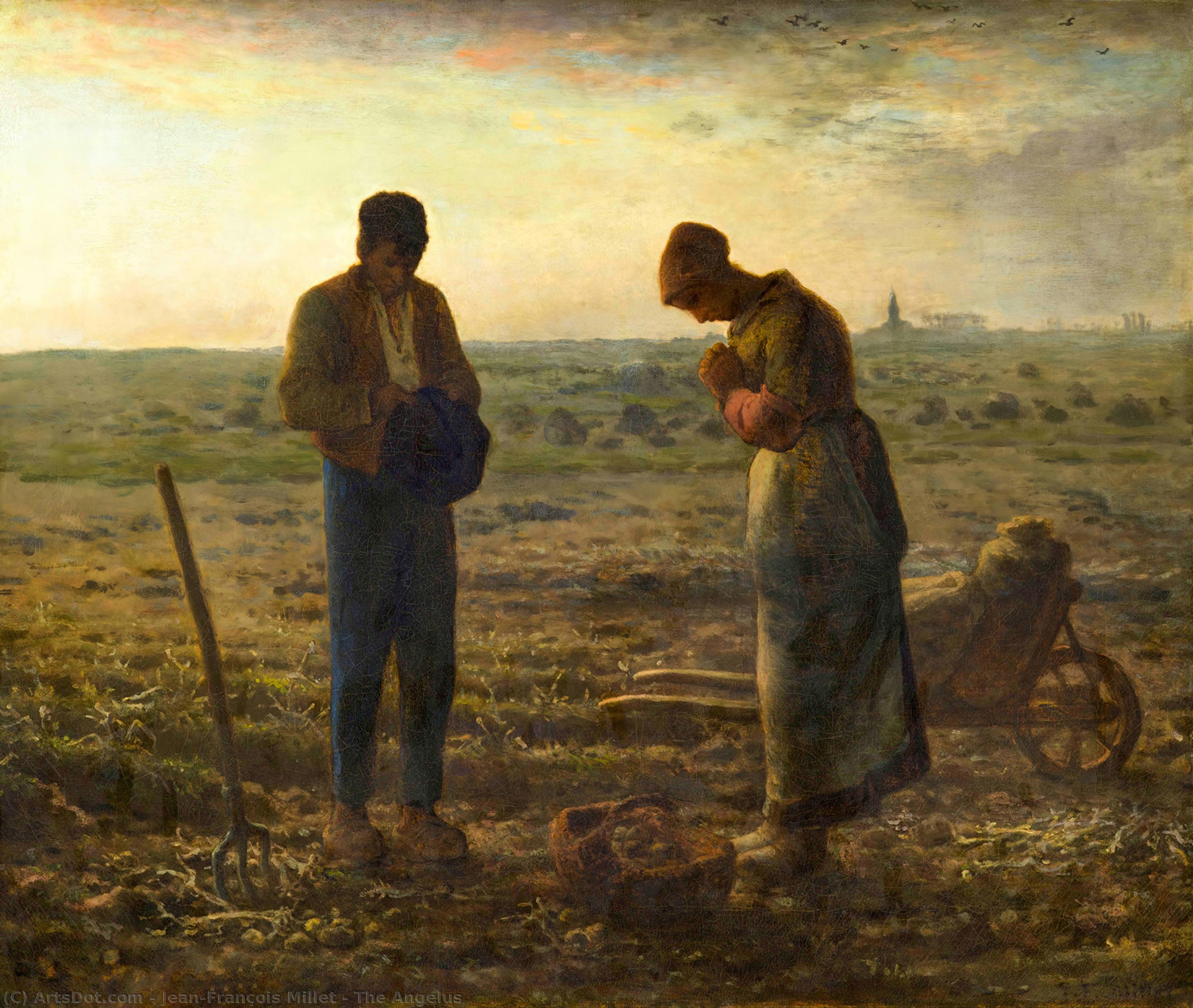
Jean-François Millet „Az Angelus” című alkotása egy olyan remekmű, amely 19. századi Franciaország vidéki életének lényegét és spirituális ájtosságát örökíti meg. Ez az ikonikus festmény, amely 1857 és 1859 között készült el, két földműves alakját ábrázolja, akik megállnak a burgonyás szüret során, hogy elmondják az Angelus imádot alkonyatkor. A jelenet egy hatalmas, nyílt táj előtt bontakozik ki egy lágy, diffúz égbolt alatt, csendes kontemplációt és a kemény munka súlyát idézve elő.

A realizmus mesterműve

Millet, a realizmus művészeti áramlatának és a Barbizon-iskola kulcsfontosságú alakja, a paraszti élet megható ábrázolásáról vált híres. Az „Angelus” kiváló példája annak az elkötelezettségnek, amellyel a vidéki munkások méltóságát és szívósságát ábrázolta. A festmény realista stílusa ötvözi a alakok és a környezet részletes megjelenítését a fény és a szín lágyabb, atmoszférikus kezelésével.

Technika és kompozíció

A mű két fő részmese oszt się: az éles előteret, ahol a alakok helyezkednek el, és a háttérre, amely egy kiterjedt mezőt és a távoli horizontot mutatja be. Millet aprólékos ecsetmunkája kiemeli a ruházat és az eszközök textúráját, míg a hátteret lazábban dolgozta meg, ötvözve a színeket a távolság érzékének létrehozása érdekében. A vízszintes vonalak használata hangsúlyozza a táj végtelenségét, miközben a függőleges elemek mélységet és dinamikát kölcsönöznek a kompozíciónak.

Történelmi kontextus és szimbolika

Az „Angelus” eredetileg „Imákozás a burgonyatermet azért” cíccel jelent meg, de nevét akkor változtatták meg, miután Millet egy távoli templomtornyot is hozzárendelt a háttérhez. A festmény a vidéki parasztok mindennapi életét tükrözi, akik megálltak a munkájukban, hogy elmondják az Angelus imát a templomi harangszó hallatánál. Ez a rituálé jelképezte a napi munka végét, és egy pillanatnyi spirituális megfontolódásra nyílt lehetőséget biztosított.

Érzelmi hatás

Az „Angelus” érzelmi tónusa kontemplatív és komoly, empátiát ébresztve a alakok küzdelmes létezése iránt. A részletgazdag előterek és a elmosódott háttér közötti kontraszt lenyűgöző vizuális dinamikát teremt, amely magába vonja a nézőt a jelenetbe, miközben hangsúlyozza annak tágasságát. Ez a festmény nem csupán a vidéki élet ábrázolása, hanem egy meditáció a hitről, a nehézségekről és az élet körforgásáról is.

Miért válassza ezt a reprodukciót?

A művészettanárazóknak, gyűjtőknek és belsőépítészeknek, akik időtlen eleganciát szeretnének vinni környezetükbe, az „Angelus” ideális választás. Gazdag történelme, mély szimbolikája és érzelmi mélysége értékes kiegészítővé teszi bármely gyűjteményben. Ennek a mesterműnek a kiváló minőségű reprodukciója elhozza Millet munkásságának szépségét és jelentőségét otthonába vagy irodájába, inspirálva a gondolkodást és az csodálatot.

Kérdések és válaszok

Milyen helyet foglal el a művészettörténelemben a "Az Éjszakai Szállót"?

A „Az Éjszakai Szállót”, Millet alkotása művészettörténeti besorolása a Contemporary Realism, a 19. század korszakba tartozik.

„Az Éjszakai Szállót”, Millet alkotása egy világos vagy egy sötét tónusú alkotás?

A „Az Éjszakai Szállót”, Millet alkotása érzetelt fényessége közepes fényességű. Ez összehangolható az adott tér világításával.

A "Az Éjszakai Szállót" egy híres Contemporary Realism művészeti alkotás?

A „Az Éjszakai Szállót”, Millet alkotása a Ikonikus kategóriába tartozik, és a Contemporary Realism irányzat részeként tekinthető.

Több információ erről a festményről

Megtekintés AR előnézet Váltás nyomtatványra Áttérés digitális képre Küldés
Részletek Útmutató Kedvencekhez ad Letöltés Hasonló darabok X-ray felvétel Diavetítés Kérdések és válaszok Statisztika

Számokban kifejezve

  • 29választható keretek
  • standard méretek, saját arányokkal
  • 5hetek a festésre és a kézbesítésre
Millet

Millet

1814 - 1875, Franciaország

Gyors információk Millet művészről

  • Artistic Movement Or Style: Realizmus, Barbizoni iskola
  • Artists Or Movements Influenced By This Artist:
    • Impressionizmus
    • Társadalmi realizmus
  • Artists Who Influenced This Artist:
    • Holland mesterek
    • Paul Delaroche
  • Date Of Birth: 1814. okt. 4.
  • Date Of Death: 1875. jan. 20.
  • Full Name: Jean-François Millet
  • Nationality: Francia
  • Notable Artworks:
    • A Kalászszedők
    • A Magvető
    • Az Angelus
  • Place Of Birth: Gruchy, Francia

A művész életrajza

A Life Rooted in the Soil: The World of Jean-François Millet

Jean-François Millet, a name inextricably linked to the dignity of rural life and the burgeoning Realist movement in 19th-century France, was born not into the rarefied atmosphere of artistic privilege but squarely within the very world he would tirelessly immortalize on canvas. October 4, 1814, found him arriving in Gruchy, a small Norman village nestled deep within a landscape defined by its agricultural traditions. This upbringing wasn’t merely a picturesque backdrop to his life; it *was* his life, shaping his artistic vision with an authenticity that resonated profoundly with a society undergoing profound and rapid transformation. His parents, Jean-Louis-Nicolas and Aimée-Henriette-Adélaïde Henry Millet, were themselves farmers, instilling in young Jean-François not just a connection to the land but also a deep understanding of its rhythms – the sowing, the reaping, the threshing – tasks that would become recurring motifs in his paintings, imbued with both physical labor and quiet dignity. Early education wasn’t confined to formal schooling, though local priests recognized his intellectual potential and facilitated access to it; equally formative were the experiences gleaned from participating directly in farm work, a visceral understanding of hardship, resilience, and the simple beauty of rural existence.

From Academic Aspirations to Rural Revelation

Millet's artistic journey began with a traditional path – formal training. Initially, he studied portraiture under Bon Du Mouchel in Cherbourg, followed by Théophile Langlois de Chèvreville, a student of Baron Gros, in the same town. In 1837, he ventured to Paris and enrolled at the prestigious École des Beaux-Arts, immersing himself in the academic traditions of the Salon system. However, this environment proved stifling; the rigid expectations and emphasis on idealized subjects clashed with Millet’s burgeoning artistic sensibilities. His early works – portraits and small mythological and pastoral scenes – were met with initial successes, but these were quickly followed by rejections from the Salon, leading to a period of considerable artistic disillusionment. A pivotal turning point arrived in the 1840s, marked by profound personal tragedy – the untimely loss of his beloved wife, Pauline-Virginie Ono – and a growing dissatisfaction with the romanticized depictions of peasant life prevalent at the time. He began to actively reject these idealized pastoral scenes, seeking instead to portray rural existence with an unflinching honesty that reflected the realities faced by those who labored in the fields. This shift was powerfully influenced by his association with other artists committed to capturing the truth of everyday life – figures like Constant Troyon, Narcisse Diaz, and Charles Jacque – forming a core group within the Barbizon school. This movement prioritized *plein air* painting—working directly from nature—and rejected the artificiality of academic artifice, embracing a more direct and immediate approach to representation.

The Poetry of Labor: Themes and Techniques

Millet’s oeuvre is profoundly characterized by his deep empathy for the working class, particularly peasant farmers. He didn't simply depict their labor; he elevated it to a level of dignity and spiritual significance previously unseen in art. His paintings are not sentimental idealizations but rather honest portrayals of hardship, resilience, and quiet devotion. The Gleaners (1857), perhaps his most iconic work, exemplifies this approach. The three women depicted gathering leftover grain after the harvest aren’t romanticized figures; they are laborers, bent double by toil, yet possessing a quiet dignity that commands respect – a dignity born not of beauty but of perseverance and necessity. The Angelus (1850-1861), another masterpiece, captures a moment of profound spirituality – a peasant couple pausing in their work to pray as the evening bell tolls – transforming an everyday act into something sacred. The scene is rendered with remarkable realism, capturing not just the physical postures but also the emotional weight of the moment. The Sower (1850) stands as an equally powerful image, representing the cyclical nature of agricultural labor and humanity’s fundamental connection to the land – a connection that transcends mere economic necessity. Millet's technical approach was deeply rooted in the traditions of Dutch Masters like Jan Vermeer and Frans Hals, particularly their masterful use of light and shadow to create depth and atmosphere. He also drew inspiration from classical sculpture, evident in the monumental quality of his figures and their carefully constructed poses. Millet employed a limited palette, primarily earthy tones – browns, ochres, greens – that reflected the colors of the countryside, and built up layers of paint with meticulous detail to create a sense of texture and depth, imbuing his canvases with a palpable sense of physicality.

A Lasting Legacy: Millet’s Influence and Historical Significance

Jean-François Millet died in Barbizon on January 20, 1875, leaving behind a body of work that profoundly impacted the course of modern art. He played a pivotal role in establishing Realism as a dominant force in painting, challenging the conventions of academic art and paving the way for future movements like Impressionism and Social Realism. His focus on everyday life and social issues resonated deeply with artists who sought to depict the world around them with honesty and authenticity. His influence extended beyond painting; his images became symbols of rural virtue and working-class solidarity, inspiring writers, poets, and political thinkers. Artists such as Correa Benito Rebolledo continued to explore themes of rural life and social justice, directly influenced by Millet’s example. Despite facing criticism during his lifetime – often accused of being a socialist for his depictions of the poor – Millet's work gradually gained recognition and acclaim. A major retrospective exhibition in Paris and London in 1975–76 was instrumental in rehabilitating his reputation, demonstrating the enduring power and significance of his art. Today, Millet’s paintings continue to captivate audiences with their timeless beauty, emotional depth, and enduring message of human dignity – a testament to his ability to capture not just the outward appearance but also the inner spirit of those who labored beneath the sun.

Major Works

  • The Gleaners (1857): A poignant depiction of women gathering leftover grain.
  • The Angelus (1850-1861): A symbol of rural piety and a moment of quiet devotion.
  • The Sower (1850): An iconic image representing the cycle of agricultural labor.
  • Man with a Hoe: A powerful representation of physical toil and human endurance.
  • Harvesters Resting: Capturing a moment of respite amidst arduous work.

Gyors információk

  • Artist: Jean-François Millet
  • Medium: Olajfestmény
  • Location: Yale Egyetem Északi Galériája
  • Year: 1850
  • Subject or theme: Falusi élet
  • Artistic style: Realizmus

Művészeti kvíz

Minden kérdésre csak egy helyes válasz létezik.

Kérdés 1:
Mik az „Az Ébresztő Szerződés” című művészi alkotás fő témája?
Kérdés 2:
Jean-François Millet milyen művészi mozgalomhoz tartozik?
Kérdés 3:
Milyen technikával készül el Millet alkotása?
Kérdés 4:
Mi volt az „Az Ébresztő Szerződés” eredeti cíne?
Kérdés 5:
Mi jelképezi meg az Ébresztő Szerződés művészi alkotását?