Előnézet
 Megosztás
 Megosztás
 Részletek
 Útmutató

 Letöltés
 Hasonló darabok
 X-ray felvétel
 Diavetítés
 Statisztika
Ignudo (13)


 Tovább olvasom
Giclée / Műnyomat
Múzeumi minőségű giclée vagy vászonnyomat, gyors gyártással és rugalmas finomítási lehetőségekkel. ( Kézzel festett másolat vásárlása Áttérés digitális képre)




P118B Ft10

P118H Ft10

P118W Ft10

P438Z Ft10

P508JH Ft12

P508YH Ft12

P805H Ft10

P805Z Ft10

P919BZ Ft10

P919G Ft10

P919XJ Ft10

P959ZH Ft10

P968JZ Ft12

W106C Ft8

W218G Ft10

W218JH Ft8

W218Y Ft10

W307PJ Ft10

W316G Ft10

W316PJ Ft8

W316Y Ft10

W398PJ Ft8

W4111J Ft10

W500HY Ft15

W500JH Ft15

W692G Ft12

W849H Ft8

W940BG Ft15

W953PJ Ft8




Válasszon előre meghatározott méreteink közül, amelyek megfelelnek a műalkotás eredeti arányainak.

Írja be a keretének vagy a falának megfelelő szélességet és magasságot. A nyomatot csak le lehet vágni, soha nem tehető nagyobbá, mint az eredeti kép, így egy eltérő alakú méretnél a kép egy része elveszik. Mielőtt bármit kinyatintanánk, küldünk egy digitális próbamodellt jóváhagyásra. Az oldalon látható kép nem tartalmazza a valós levágást — ezt csak a próbamodell mutatja meg.
Világszerte történő kiszállítás területére mindössze 2 hét alatt, a szokásos 4-5 hét helyett. (24 október)

Ingyenes globális expressz szállítás

Prémium minőségű len vászon

Teljes körű szállítási biztosítás

Vámvisszatérítési Garancia

Tökéletes színarányosság garancia

100 napos visszaküldési garancia (csak gyártási hibás termékek esetén)

100% pénzvisszatérítési garancia

Több darab vásárlásakor kedvezmény
 Az üvegkeretes opció csak 110 cm alatti méretben érhető el

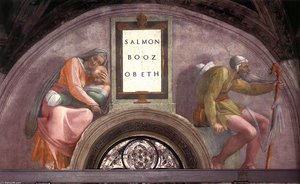
Ignudo (13)
Giclée / Műnyomat
Reprodukció méretei
-


Összesített ár
Ft 25605
Michelangelo’s *Ignudo*: A Silent Echo of Humanity
Within the monumental grandeur of the Sistine Chapel, amidst scenes of biblical drama and divine power, resides a small yet profoundly moving fresco – *Ignudo*, Latin for “ignorant” or “unlearned.” Painted by Michelangelo Buonarroti in 1509, this seemingly simple figure transcends its modest scale to offer an intimate glimpse into the artist’s genius, his unparalleled understanding of human anatomy, and perhaps, a poignant reflection on the very essence of our shared humanity. More than just decorative detail within the larger narrative, *Ignudo* stands as a quiet meditation on vulnerability, repose, and the inherent dignity found in simple existence – a testament to Michelangelo's ability to capture profound emotion with remarkable restraint.
The fresco’s placement is crucial to understanding its significance. Situated in the lower left corner of the “Sacrifice of Noah” panel, *Ignudo* acts as a subtle counterpoint to the vibrant action and dramatic storytelling above. The scene depicts the aftermath of the great flood, with figures emerging from the waters and rebuilding their lives. The figure’s deliberate positioning suggests a moment of pause, an observation of this renewal amidst the chaos – a quiet contemplation offered by Michelangelo within the whirlwind of artistic creation. It's as if he invites us to step away from the grand narrative and consider the individual experience of being human.
A Masterclass in Form and Gesture
Michelangelo’s mastery of anatomy is immediately apparent in *Ignudo*. The figure’s body is rendered with an astonishing level of detail – every muscle, vein, and contour meticulously observed and flawlessly translated onto the frescoed surface. Yet, this isn't a cold, clinical depiction; rather, it’s imbued with a palpable sense of life. The relaxed posture, achieved through masterful *contrapposto* (a technique where weight is shifted to one leg), creates a dynamic balance within the figure’s stillness. Notice how the subtle curve of his spine echoes the gentle arc of his arms – a visual harmony that speaks volumes about Michelangelo’s understanding of proportion and movement. The artist's use of *sfumato* – a technique employing hazy, blurred outlines to soften transitions between light and shadow – further enhances the figure’s ethereal quality, creating an atmosphere of serenity and seclusion.
The hands are particularly noteworthy; they are not rigidly posed but gently raised as if shielding the face. This gesture invites interpretation: is it a defense against the knowledge of sin, a plea for protection from the harsh realities of the world, or simply a moment of quiet introspection? The subtle details – the delicate veins visible beneath the skin, the slight furrowing of the brow – contribute to the figure’s profound sense of vulnerability and humanity.
Symbolism and an Open Invitation
The identity of *Ignudo* remains deliberately ambiguous, fueling centuries of speculation and adding to the fresco's enduring appeal. Some scholars suggest he represents a young Adam, shielding himself from the knowledge of his impending fall – a poignant premonition of humanity’s inherent vulnerability. Others interpret him as a symbol of innocence or simply a reminder of our shared human condition, stripped bare of pretension and adorned only with quiet dignity. The act of covering his face could be seen as a gesture of protection, a desire to escape the burdens of the world. Regardless of its precise meaning, *Ignudo* invites viewers to contemplate themes of mortality, faith, and the search for inner peace – offering a space for individual reflection and connection with timeless human experiences.
Bringing *Ignudo* Home: A Faithful Reproduction
OriginalUniqueArt is proud to offer meticulously crafted oil painting reproductions of Michelangelo’s *Ignudo*. Our skilled artisans painstakingly recreate every detail of the original fresco, using only the finest pigments and archival-quality materials. We strive for an accuracy that captures not just the visual likeness but also the emotional resonance of the original – ensuring that your reproduction faithfully reflects Michelangelo's genius. Whether you're an art enthusiast, a collector seeking a piece of Renaissance history, or simply drawn to the beauty and serenity of this iconic image, our *Ignudo* reproduction provides a stunning way to experience Michelangelo’s vision in your own home. Explore our collection today and discover the perfect addition to your space – a silent echo of humanity's enduring spirit.
Discovering the Art of the Sistine Chapel | Sistine Chapel ceiling | Michelangelo
Gyakran Ismételt Kérdések
Hová sorolható a "Ignudo (13)" Michelangelo Buonarroti életművében?
A "Ignudo (13)" Michelangelo Buonarroti High Renaissance korszakának alkotása, melynek témakörében classical ideals, humanism, balance, catholic doctrine, biblical narrative, papal commission, visual testament, sistine chapel is feltűlik.
Hogyan kapcsolódnak „Ignudo (13)”, Michelangelo Buonarroti alkotása színei a mű érzelmeitől?
A „Ignudo (13)”, Michelangelo Buonarroti alkotása egy Földszínek színpalettát ötvöz a Belső elmélyülésre invitáló hangulatú tónussal.
Ki árul „Ignudo (13)”, Michelangelo Buonarroti alkotása kézzel festett másolatait?
A „Ignudo (13)”, Michelangelo Buonarroti alkotása kézzel festett reprodukcióját közvetlenül a(z) Kézzel festett másolat oldalon is megrendelheti: kézzel festett olajfesték reprodukció lino vászonon, egyedi igény szerinti gyártással.
A művész életrajza
Egy reneszánsz zseni születése és korai évei
Michelangelo Buonarroti, a nevét a Reneszánsz csúcspontjával szinte egybeolvasztó művész, évszázadokon keresztül álló bizonyítéka az emberi alkotóképességnek. 1475. március 6-án született Caprese Michelangelo faluban, a toszkán dombok között, élete rendkívüli találkozása volt a tehetségnek, az ambíciónak és az isteni ihletnek. Bár apja kezdetben ellenállt művészi pályafutásának, ifjú Michelangelo természetes rajztehetsége megcáfolhatatlannak bizonyult, elindítva őt azon az úton, amelyen átalakítani fogja a szobrászat, a festészet és az építészet határait. Korai tanulmányait Domenico Ghirlandaio műhelyében kezdte, ahol alapvető freskó- és rajzkészségeket sajátított el, de a Medici-kertekben – a klasszikus antikvitás menedékében – ébredt fel igazán művészi lelke. A görög és római szobrok tanulmányozásával Michelangelo elsajátította az anatómia, a proporciók és az ideális szépség elveit, amelyek stílusának védjegyévé váltak. Ez a formatív időszak nem csupán technikai képzés volt; filozófiai elmerülés volt a Reneszánsz virágkorában kibontakozó humanista eszméikbe, az emberi méltóság és potenciál hangsúlyozásába, amely mélyen formálta művészi látásmódját.A Pietà fájdalmától a Dávid erejéig
Michelangelo felemelkedése a művészvilágban figyelemre méltóan gyors volt. 1496-ra Rómába utazott, ahol első jelentős megbízatása érkezett: a *Pietà* szobor elkészítése. 1499-ben készült el Kardinál Jean de Bilhères számára ez a lélegzetelállító márványremekmű – ma a Szent Péter Bazilikában található –, azonnal megalapozta Michelangelo hírnevét páratlan ügyességű és érzelmi mélységű szobrászként. Mária arca nyugodt szépsége, Krisztus testének fájdalmas gondoskodása forradalmasinak bizonyult, demonstrálva a képességét arra, hogy hideg köveket mély emberi érzésekkel ruházzon fel. Ez a korai siker megnyitotta az utat következő monumentális vállalkozása előtt: a *Dávid* szobor elkészítése. 1501 és 1504 között egyetlen Carrarai márványtömbből faragva a több mint öt méter magas szobor Firence köztársasági eszméinek szimbólumává vált – egy bátran megtestesítő ereje, bátorsága és polgári erénye. A *Dávid* anatómiai pontossága, dinamikus póza és pszichológiai intenzitása példátlan volt, megerősítve Michelangelo hírnevét mester szobrászként, aki képes életre kelteni a követ. Nem csupán a mérete lenyűgözte; az érezhető benne rejtőző energia, a márványba fagyasztott cselekvés előtti várakozás volt az, ami akkor és ma is elvarázsolja a nézőket.A szisztemai kápolna: egy isteni vászon
Talán Michelangelo legmaradandóbb öröksége a szisztemai kápolna falain rejlik. 1508-ban VIII. Julius pápa megbízta őt a kápolna mennyezetének festésével – feladat, amely négy évet vett igénybe és örökké megváltoztatta a nyugati művészet menetét. Kezdetben vonakodva, mivel elsősorban szobrásznak tartotta magát, Michelangelo mégis elfogadta a kihívást, monumentális freskóciklusba kezdve, amely a Teremtés jeleneteit ábrázolja. Nehéz körülmények között dolgozott, gyakran órákon át feküdt háton, több mint 300 figurát festett lélegzetelállító részlettel és kompozíciós zsenialitással. *Ádám teremtése*, a kápolna mennyezetének talán legismertebb képe megrázóan ábrázolja az isteni szikra átadását Isten és az emberiség között – a teremtés és a potenciál erőteljes szimbóluma. A híres panelen túl az egész ciklus tanúbítja Michelangelo narratív erejét, az anatómia elsajátítását és képességét arra, hogy komplex teológiai fogalmakat vizuális történetmesélésen keresztül közvetítsen. Ugyanakkor megkezdte VIII. Julius pápa sírboltjának munkáját – egy ambiciózus projektet, amely eredeti nagyságában befejezetlen maradt, de olyan erőteljes szobrokat eredményezett, mint *Mózes*.Építészet, manierizmus és tartós hatás
Élete későbbi éveiben Michelangelo tehetsége az építészetre is kiterjedt. 1520-ban a Szent Péter Bazilika építészévé vált Rómában, jelentősen megváltoztatva Bramante eredeti tervét impozánsabb és szerkezetileg biztonságosabb tervekkel. Ez az átmenet a manierizmus felé való elmozdulást jelentette – egy stílust, amelyet a megnyúlt formák, a túlzó pózok és a drámai kompozíciók jellemeztek. Ez a stiláris fejlődés élénken látható *A végső ítélet* freskón, amelyet 1536 és 1541 között festett a szisztemai kápolna oltárfalán. A freskó Krisztus második eljövetelét ábrázolja lenyűgöző drámával és érzelmi intenzitással, tükrözve egy turbulensebb lelki légkört. Michelangelo hatása élete után is messze túlmutatott. Mélyen befolyásolta a reneszánsz és a manierista művészeti mozgalmakat, generációk inspirálta az anatómiai pontossággal, dinamikus kompozíciókkal és az emberi létezés mély feltárásával.Egy időtlen örökség
Michelangelo 1564. február 18-án halt meg Rómában, páratlan életművet hagyva maga után, amely továbbra is elvarázsol és inspirál. Továbbra is a művészettörténet tornyos alakja – a kvintesszenciális „reneszánsz ember” –, akinek szobrai, festményei és építészeti tervei formálták szépségünk, hatalmunk és emberi potenciálunk megértését. Öröksége nem csupán művészi teljesítmény öröksége; tanúságtétel a kreativitás, az odaadás és a tökéletesség könyörtelen keresésének tartós erejéről. Megmutatta, hogy a művészet túlléphet a puszta ábrázoláson, mély lelki és érzelmi kifejezés eszközévé válhat. A géniusz visszhangja szerte a világ múzeumaiban és templomaiban csendül, biztosítva, hogy Michelangelo Buonarrotit örökké az egyik legnagyobb művésznek fogják emlékezni, aki valaha élt.- Hatások: Klasszikus antikvitás (görög és római szobrászat), reneszánsz humanizmus, firenzei művészeti hagyomány (Donatello, Masaccio).
- Főbb alkotások: *Pietà*, *Dávid*, a szisztemai kápolna mennyezetének freskói (*Ádám teremtése*), *A végső ítélet*, VIII. Julius sírboltja.
- Művészeti stílus: Kezdetben klasszikus idealizmus, fejlődve egy dinamikus és kifejező manierizmus felé.

Michelangelo Buonarroti
1475 - 1564 , Olaszország
Gyors információk
- Artistic Movement Or Style: Magas-reneszánsz, manierizmus
- Artists Or Movements Influenced By This Artist:
- Magas-reneszánsz
- Manierizmus
- Artists Who Influenced This Artist:
- Donatello
- Masaccio
- Date Of Birth: 1475. március 6.
- Date Of Death: 1564. február 18.
- Full Name: Michelangelo Buonarroti
- Nationality: Olasz
- Notable Artworks (List Of Titles):
- Dávid
- Pietà
- Sistine Chapel
- Place Of Birth (City And Country): Caprese, Olaszország
Kapcsolódó cikkek

A családi örökség festői világa: Hogyan őrizzük meg a múltat a falakon?
Őrizze meg családja történetét festményekkel! Egyedi portrék, régi fényképek restaurálása és családi címer tervezése profi művészek által. Fedezze fel a kínálatát!

Mastering the Heavens: A Definitive Guide to the Sistine Chapel's Renaissance Masterpieces
Embark on a sophisticated journey through the Sistine Chapel. Discover the profound artistry of Michelangelo’s frescoes, from the iconic ceiling to the altar wall, through an expert exploration of Renaissance mastery and theological depth.

The Enduring Legacy of Fresco: Technique, History & Artistic Expression Across Cultures
Explore the rich history & enduring legacy of fresco painting! Discover ancient techniques, Giotto's masterpieces, and modern applications. Expert insights for art lovers & professionals.

Michelangelo Buonarroti 25 Mesterműve: A Reneszánsz Legikonikus Alkotásai – OriginalUniqueArt
Fedezze fel Michelangelo Buonarroti 25 legikonikus művészeti alkotását! A reneszánsz szobrászat és festészet mesterművei – David, Sixtus kápolna, Pietà és még sok más. Múzeumi minőségű reprodukciók a OriginalUniqueArt-on. Explore the full collection online!

The Enduring Legacy of Fresco Painting: Techniques, History & Contemporary Relevance
Explore the rich history & enduring artistry of fresco painting – from Giotto to Michelangelo! Discover techniques, conservation efforts, & modern applications. Learn how OriginalUniqueArt brings this timeless art form to your home.