- Főoldal

- Vászonra nyomtatás
- mcarthur binion
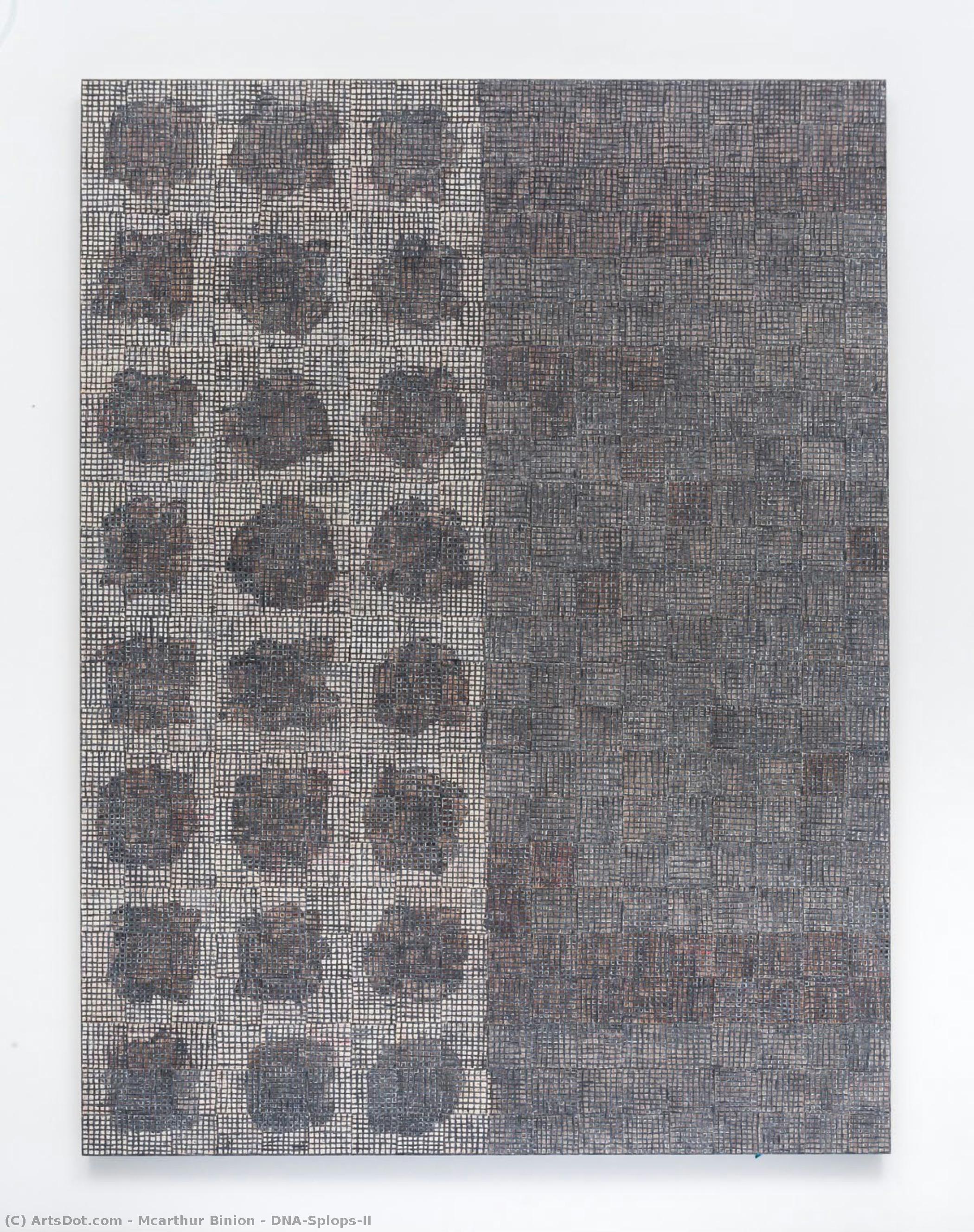
- DNA:Splops:II
 Készíttetnék festményként Kép letöltése
 Megosztás
 Megosztás
 Részletek
 Kedvencekhez ad

 Letöltés
 Hasonló alkotások
 X-ray felvétel
 Diavetítés
DNA:Splops:II
 2017
2017 243.0 x 182.0 cm
 THAT'S CONTEMPORARY
 Tovább olvasom
Giclée / Műnyomat
Múzeumi minőségű giclée vagy vászonnyomat, gyors gyártással és rugalmas finomítási lehetőségekkel.




































Válasszon előre meghatározott méreteink közül, amelyek megfelelnek a műalkotás eredeti arányainak.

Megadhat saját méreteket is egy konkrét kerethez vagy helyszínhez igazítva. Amennyiben a kiválasztott méret nem egyezik az eredeti kép arányokkal, a műalkotást le fogjuk vágni, vagy kiegészítjük a képet tükrözött vagy egyszínű szélekkel. A gyártás megkezdése előtt egy digitális tervezetet küldünk jóváhagyásra.
Kérjük, vegye figyelembe, hogy a képernyőn látható előnézet nem tükrözi a tényleges levágást vagy kiegészítést. Csak a tervezet mutatja pontosan a végső kompozíciót.
Bár az egyedi méretek is elérhetőek, az eredeti arányok megőrzése érdekében azt javasoljuk, hogy válasszon a előre meghatározott listából származó méretet.
Világszerte történő kiszállítás területére 2 hét alatt, a szokásos 4-5 hét helyett. 22 július

Ingyenes globális expressz szállítás

Prémium minőségű len vászon

Teljes szállítási biztosítás

Vámvisszatérítési Garancia

Tökéletes színpontosság garancia

60 napos visszaküldési lehetőség (csak gyártási hibák esetén)

100%-os pénzvisszatérítési garancia

Kedvezmény több termény esetén
 Az üvegkeretes opció csak 110 cm alatti méretben érhető el

DNA:Splops:II
Giclée / Műnyomat
A reprodukció mérete
-


Összesített ár
-
A művész életrajza
The Soul in the Surface: The Abstract Journey of Mcarthur Binion
In the quiet, textured depths of contemporary American abstraction, the work of Mcarthur Binion emerges as a profound meditation on the unseen. Born in 1946 in Macon, Mississippi, Binion’s artistic lineage is rooted in the rich, soulful traditions of the American South, yet his visual language speaks a universal dialect of emotion and form. His formal education provided the rigorous scaffolding necessary for his later explorations; after earning his bachelor’s degree from Wayne State University in Detroit in 1971, he moved to the prestigious Cranbrook Academy of Art in Bloomfield Hills, Michigan, to complete his master's degree. This academic journey through the heart of the American industrial and artistic landscape allowed him to synthesize a technical mastery of medium with a deep, philosophical inquiry into the nature of perception.
Binion’s practice is far from a mere exercise in decoration; it is an intentional descent into the psychological. Eschewing the literalism of representational art, he embraces the tenets of Abstract Expressionism to map the contours of the human spirit. His preferred medium—ink on canvas—allows for a unique interplay of transparency and density. Through meticulous mixed-media techniques, Bin ar creates surfaces that possess a physical weight, where layers of pigment and texture invite the viewer to linger. In works such as Ink: Work (Verde/Violetta), one encounters vibrant, clashing hues of green and purple that do not simply sit upon the canvas but seem to pulse with an internal life, capturing what the artist describes as deep emotional landscapes.
Memory, Identity, and the Grid
A defining characteristic of Binion’s oeuvre is his ability to transform abstract geometry into deeply personal narratives. He is perhaps most renowned for his "family portraits," a series that challenges the very definition of portraiture. Rather than rendering recognizable features, Binion utilizes textured grids and deliberate voids to evoke the essence of familial connection and the fragmented nature of memory. These pieces function as emotional blueprints, where the space between lines represents the unspoken bonds and the silences that define our closest relationships. This approach finds a parallel in his "interior landscapes," where color palettes are chosen not for their descriptive accuracy, but for their ability to evoke specific moods and atmospheric pressures of the inner self.
The structural integrity of his work often draws from the minimalist traditions of Josef Albers and Barnett Newman. By adopting a reductive aesthetic, Binion strips away the superfluous to focus on the fundamental elements of color, line, and space. This is strikingly evident in pieces like Ink: Work (Blanco/Cobalto), where the use of white space and structured grids creates a sense of profound stillness. In these moments, the artist achieves a delicate balance between the tension of the composition and the serenity of the void, proving that abstraction can be as much about what is withheld as what is presented.
Legacy and Contemporary Resonance
As a figure within the landscape of contemporary American art, Mcarthur Binion occupies a space where history meets introspection. His significance lies in his ability to bridge the gap between the monumental scale of mid-century Color Field Painting and the intimate, often fragmented experience of modern identity. His work serves as a reminder that abstraction is not an escape from reality, but a deeper immersion into it. Through his mastery of texture and his fearless use of color, Binion continues to push the boundaries of how we perceive the intersection of personal history and universal emotion, leaving behind a body of work that remains as vital and evocative as the landscapes of the mind themselves.

mcarthur binion
1946 - , United States of America
Rövid tények
- Artistic Movement Or Style: Abstract
- Date Of Birth: 1946
- Full Name: mcarthur binion
- Nationality: American
- Notable Artworks:
- Ink: Work (Blanco/Cobalto)
- DNA:Splops:II
- Ink: Work (Verde/Violetta)
- Place Of Birth: Macon, United States

