Symbolism
Redemptive Death (Klinger Max)
Klinger Max (1857–1920) megalkotta: Redemptive Death. A Symbolism irányzathoz tartozik.

 Megtekintés

 Kézzel festett olajfestmény
 Küldés
 Megosztás
 Információs lap


 Letöltés
 Hasonló darabok
 X-ray felvétel
 Diavetítés
 Kérdések és válaszok

 Statisztika
Redemptive Death röviden
- Cím
- Redemptive Death
- Művész
- Klinger Max (1857–1920)
- A művész születési helye
- Lipcse, Németország
- Mozgalom
- Symbolism
- Téma
- grief and mourning, death & mortality, classical imagery, monochrome art, symbolic scene, renaissance influence
Redemptive Death nagy felbontású képei
Felfüggesztett szerzői jogok: a művész 1920-ben halt meg.
Klinger Max, Redemptive Death. Felfüggeszthető jogforrás
Redemptive Death kapcsán felmerülő kérdések megválaszolva
Milyen témák jelennek meg a(z) „Redemptive Death”, Klinger Max alkotása alkotásban?
A "Redemptive Death" alkotás tárgyai: grief and mourning, death & mortality, classical imagery, monochrome art, symbolic scene, renaissance influence, emotional depth.
A „Redemptive Death” művészeti alkotás mentes a szerzői jogoktól?
A „Redemptive Death”, Klinger Max alkotása közösségi tulajdon – a szerzői jog lejártt státuszú mű. Ez a jogi státusz határozza meg, hogy a mű képmásolata hogyan reproduzható.
Ki készítette a(t): "Redemptive Death"?
A "Redemptive Death" alkotását Klinger Max készítette. Az ezen az oldalon található információk Klinger Max eredeti művészetét mutatják be.
Mely művészeti irányba tartozik a „Redemptive Death”, Klinger Max alkotása?
A „Redemptive Death”, Klinger Max alkotása a Symbolism irányzat része. Ez az irányzat adja a mű stilisztikai kontextusát.
A „Redemptive Death” Klinger Max pályájának mely szakaszát képviseli?
Klinger Max pályaművében a „Redemptive Death” a Mature Period korszakba tartozik. Ez az időszak segít összehasonlíthatóvá tenni a művet a művész többi alkotásával.
A Klinger Max alkotása, a "Redemptive Death", a jogi szabadhasználatban (public domain) áll-e, és miért?
A "Redemptive Death" szerzői jogi státusza – közösségi tulajdon – a szerzői jog lejártt – a művész 1920 évi halálából adódik.
Milyen közös tulajdonságokat oszt meg a "Redemptive Death" Klinger Max további alkotásaival?
A "Redemptive Death" Klinger Max Symbolism korszakának alkotása, melynek témakörében renaissance & baroque echoes, classical grief narrative, symbolist psychological depth, german morality & loss, critique of bourgeois values, exploring human suffering, bridge to social commentary, key symbolist engraving" is feltűlik.
A "Redemptive Death" jellemző arra, amit Klinger Max általában alkotott?
A "Redemptive Death" a grief and mourning, death & mortality, classical imagery, monochrome art, symbolic scene, renaissance influence, emotional depth ábrázol, míg Klinger Max dokumentált témái a renaissance & baroque echoes, classical grief narrative, symbolist psychological depth, german morality & loss, critique of bourgeois values, exploring human suffering, bridge to social commentary, key symbolist engraving". A kettő összevetése megmutatja, hogyan kapcsolódik ez a mű a művész megszokott motívumaihoz.
A művészről: Klinger Max

1857–1920, Németország
Klinger Max
The Shadowed World of Max Klinger: A Pioneer of Symbolism Max Klinger, born in Leipzig in 1857, emerged as a pivotal figure bridging the gap between Realism and the burgeoning world of Symbolism. His artistic journey wasn’t one of immediate recognition but rather a gradual unfolding of a unique vision—a descent into the psychological depths that would profoundly influence modern art. Klinger's early training at the Academy of Fine Arts in Karlsruhe, under Karl Gussow, provided him with a solid foundation in traditional techniques, yet it was his fascination with the etchings of artists like Menzel and Goya that truly ignited his imagination. These masters demonstrated the power of printmaking to convey not merely visual representation but also narrative complexity and emotional intensity—qualities Klinger would masterfully employ throughout his career.
Klinger Max további művei
 The death peeing
 The Isle of the Dead
 Presa
 Y sin embargo!
Esszék a Redemptive Death körül
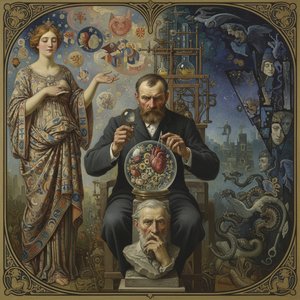 Max Klinger: Symbolism, Science & the Subconscious – A German Master's LegacyExplore the captivating world of Max Klinger, a pivotal German Symbolist artist. Discover his groundbreaking prints, psychological themes, …
 Beyond Reality: Exploring Symbolism's Influence on Modern Art & Psychological ExpressionExplore the captivating world of Symbolism! Discover key artists, psychological themes & its lasting impact on modern art. Expert insights …
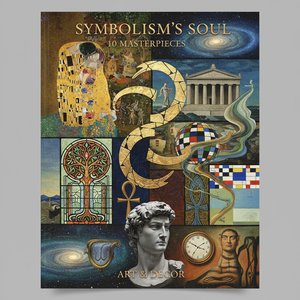 A Szimbolizmus 10 Mesterműve: A Lélek Rejtélyes Világa a Falakon – OriginalUniqueArt.comFedezze fel a Szimbolizmus 10 legikonikusabb műalkotását! Gustave Moreau, Klimt és más szimbolista festők rejtélyes világa – történetek, te…