

 Előnézet
 Megosztás
 Megosztás
 Részletek
 Útmutató

 Letöltés
 Hasonló darabok
 X-ray felvétel
 Diavetítés
 Statisztika
Sin título


 Tovább olvasom
Az ezen az oldalon megjelenített műalkotások szerzői jogi védelem alatt állnak, ami azt jelenti, hogy törvényileg nem készíthetünk és nem adhatunk el belőlük pontos másolatokat. Ez a védelem olyan nemzetközi megállapodások alapján érvényesül, mint például a Berni Egyezmény és a nemzeti törvények által, beleértve azokat is, amelyeket meghatározott Az USA szerzői jogi törvénye – 17. cím.
Ez a módszer teljes mértékben megfelel a szerzői jogi szabályozásnak, mivel nem tartalmazza a védett műalkotás másolását vagy duplikálását. Ehelyett ez egy kreatív újinterpretáció – egy új festmény, amely az eredetivel való összefüggései miatt hatással van rá, de nem az az.
Giclée / Műnyomat
Múzeumi minőségű giclée vagy vászonnyomat, gyors gyártással és rugalmas finomítási lehetőségekkel. ( Kézzel festett másolat vásárlása Áttérés digitális képre)




P118B Ft10

P118H Ft10

P118W Ft10

P438Z Ft10

P508JH Ft12

P508YH Ft12

P805H Ft10

P805Z Ft10

P919BZ Ft10

P919G Ft10

P919XJ Ft10

P959ZH Ft10

P968JZ Ft12

W106C Ft8

W218G Ft10

W218JH Ft8

W218Y Ft10

W307PJ Ft10

W316G Ft10

W316PJ Ft8

W316Y Ft10

W398PJ Ft8

W4111J Ft10

W500HY Ft15

W500JH Ft15

W692G Ft12

W849H Ft8

W940BG Ft15

W953PJ Ft8




Válasszon előre meghatározott méreteink közül, amelyek megfelelnek a műalkotás eredeti arányainak.

Írja be a keretének vagy a falának megfelelő szélességet és magasságot. A nyomatot csak le lehet vágni, soha nem tehető nagyobbá, mint az eredeti kép, így egy eltérő alakú méretnél a kép egy része elveszik. Mielőtt bármit kinyatintanánk, küldünk egy digitális próbamodellt jóváhagyásra. Az oldalon látható kép nem tartalmazza a valós levágást — ezt csak a próbamodell mutatja meg.
Világszerte történő kiszállítás területére mindössze 2 hét alatt, a szokásos 4-5 hét helyett. (24 október)

Ingyenes globális expressz szállítás

Prémium minőségű len vászon

Teljes körű szállítási biztosítás

Vámvisszatérítési Garancia

Tökéletes színarányosság garancia

100 napos visszaküldési garancia (csak gyártási hibás termékek esetén)

100% pénzvisszatérítési garancia

Több darab vásárlásakor kedvezmény
 Az üvegkeretes opció csak 110 cm alatti méretben érhető el

Sin título
Giclée / Műnyomat
Reprodukció méretei
-


Összesített ár
Ft 25718
A Descent into the Unconscious: Examining Max Ernst’s “Sin título”
Max Ernst's "Sin título" (Untitled) isn’t merely a black and white etching; it’s an invitation to a psychological landscape, a confrontation with primal fears rendered in stark, unsettling detail. The artwork immediately commands attention through its dynamic composition – a wrestling match between a man and a colossal serpent dominates the frame, interwoven with a ghostly cameo of Mona Lisa that subtly complicates the narrative. Ernst, a pivotal figure in both Dada and Surrealism, masterfully employs a technique reminiscent of engraving or etching, creating an extraordinary contrast between light and shadow, sharp lines, and a flattened perspective that contributes to the work’s dreamlike quality. This isn't simply a depiction of physical struggle; it’s a visual representation of internal conflict, a battle waged within the depths of the human psyche.
The choice of materials – likely etched onto a metal plate and subsequently printed – speaks volumes about Ernst’s artistic process. The rigid linearity of the linework, while creating a graphic appearance, also suggests an underlying tension, mirroring the struggle depicted on the surface. The deliberate lack of shading or realistic depth further enhances this sense of unease, pushing the scene into the realm of symbolism and allegory. It's crucial to note that Ernst was deeply interested in exploring the subconscious, and “Sin título” is a prime example of his ability to translate complex psychological themes into visual form.
The Symbolism of Serpent and Woman: Echoes of Mythology and Art History
The serpent itself is a potent symbol throughout history – representing temptation, chaos, knowledge, and the cyclical nature of life. Here, it’s not merely a beast but an embodiment of primal urges, a force resisting control. The man wrestling with it embodies humanity's struggle against these darker aspects of its own being. Interestingly, positioned within this chaotic scene is a subtle yet significant detail: the inclusion of Mona Lisa. This iconic portrait, instantly recognizable and imbued with an aura of serene beauty, acts as a counterpoint to the turmoil unfolding before us. Some art historians interpret this juxtaposition as representing the eternal conflict between reason and emotion, or perhaps the allure of the unattainable – a reminder that even in moments of intense struggle, there exists a lingering sense of beauty and detachment.
The tower-like structure in the background adds another layer to the symbolism. Towers often represent ambition, power, and reaching for the heavens—but here, it feels somewhat ominous, perhaps suggesting an unattainable goal or a precarious position within this internal struggle. The overall composition suggests a descent into the unconscious, a confrontation with fundamental human dilemmas.
Ernst’s Methodologies: Frottage and the Surrealist Approach
Understanding Max Ernst's artistic methods is key to appreciating “Sin título.” He was a pioneer of techniques like *frottage* – rubbing a pencil over textured surfaces to create unexpected images – and *grattage*, scraping paint across canvas to reveal hidden patterns. These processes were designed to bypass conscious control, tapping into the subconscious mind and generating surprising visual results. This approach is clearly evident in “Sin título,” where the deliberate use of line work and the seemingly random arrangement of elements contribute to a sense of controlled chaos. Ernst wasn’t simply painting what he *saw*; he was actively seeking to access and translate the hidden realities of his inner world.
The artwork's stark black and white palette further emphasizes this exploration of the subconscious. It strips away any distractions, forcing the viewer to confront the raw emotion and psychological intensity of the scene. It’s a testament to Ernst’s skill that he can create such a powerful and unsettling image using such a limited range of tones.
A Reproduction for the Collector: Bringing “Sin título” into Your Space
OriginalUniqueArt offers meticulously hand-painted reproductions of Max Ernst's "Sin título," capturing the essence of this iconic work with unparalleled detail and fidelity. Our artists replicate Ernst’s distinctive linework, creating a stunning visual experience that faithfully reproduces the artwork’s unsettling atmosphere and symbolic depth. Whether you are an art collector seeking to expand your Surrealist collection or simply looking for a unique piece of art to enhance your interior design, our reproduction provides a beautiful and authentic representation of this seminal work. The high-quality materials used ensure that the reproduction will last for generations, preserving the power and mystery of Ernst’s vision. Explore our options today and bring this captivating image into your world.
Gyakran Ismételt Kérdések
Ki készítette a(t): "Sin título"?
A „Sin título” műtémét Max Ernst alkotójának tulajdonítják.
Hová sorolható a "Sin título" Max Ernst ismétlődő témái közé?
Max Ernst dokumentált témái – dada & surrealist echoes, mythic confrontation, psychological tension, humanity's dark side, symbolic allusion, ernst's dreamscapes", exploring the unconscious", recurring serpent motif – között a „Sin título” különös hangsúlyt fektet serpent symbolism, mona lisa echoes, dreamlike struggle, duality of man, surreal landscape, mythological art, black and white drama-ra.
Milyen típusú alkotás a "Sin título"?
A katalógusban a „Sin título”, Max Ernst alkotása alkotás a WallArt kategóriába tartozik. Ez a besorolás segít hasonló művek megtalálásában.
A művész életrajza
A Life Immersed in the Surreal
Max Ernst, született Maximilian Maria Ernst néven április 1-jén 1891-ben Brühl városban, Németországban, egy nyugodt lelkű ember volt, akit a művészet iránti szenvedély és a társadalmi normák elleni szorongás vezéreltek. Élete nem volt hagyományos művészi tanulmányok sorozata; inkább önmagában irányított felfedezés volt, melyet filozófiai gondolkodással, pszichológiai vonzalommal és mély elmélettel a társadalmi elvárásokkal szemben. Apja, egy tanár a vakok számára és amatőr festő, mindkét oldalon érzékenységet adott neki a világ felé, mind pedig ellenállást az elismert hatalommal szemben. Ez korai kettősség meghatározó vonása lett művészeti látásának.
Ernst tanulmányi évei a Bonni Egyetemen – filozófia, művészettörténet, irodalom, pszichológia és pszichiátria területén – nem csupán szórólapok voltak, hanem mélyen befolyásoló alapvető elemek, melyek formálták későbbi munkáit. Nemcsak arra törekedett, hogyan kell festeni; hanem arra is, miért. Ez az érvelőkészsége elvezette őt a legújabb művekkel találkozásához Picasso, Van Gogh és Gauguin esetében a Cologne Sonderbund kiállításon 1912-ben, ami véglegesen megváltoztatta művészi pályáját. A modernizmus magjában rejlett.
Dada Szüntetése és a Surrealista Vizek Kezdeti
A I. világháború kataklízaszerű eseménye mélyen megrendítette Ernst életét. Seregben töltött évei, mind keleti, mind nyugati fronton, mélyen megnevették, mély szkeptikus hozzáállást alakított ki iránta a megragadott renddel szemben és egy új kifejezési módok vágyását. Ez a csalódtatás termékeny talajt biztosított a virágzó Dada mozgalom számára, melyet 1918-ban visszatérve Kölnbe fogadta el teljes szívvel. Hans Arp – egy élethosszig tartó barát és kollégája – mellett Ernst lett a mozgás kulcsembere, elutasítva a hagyományos művészi konvenciókat és elfogadva az abszurditást, a véletlenséget és az irracionalitást.
A Dada azonban csak egy lépcső volt. A 1920-as évek elején Ernst Párizsba költözött és csatlakozott a Surrealistákhoz, melyet André Breton vezette. Ez jelölte be a válás irányát a tudattalan világ felé, az álomvilág felé és az irracionális erők felé. A pszichoanalitikus elméletek (Sigmund Freud) hatására Ernst arra törekedett, hogy felfedezze az emberi lélek mélyebb rétegeit művészetén keresztül. Nem a valóság ábrázolását akarta megtenni, hanem az alábbi erőkövetelések feltárását, amelyek alakították azt.
Innovatív Technikák: Frottage, Grattage és Collage
Ernst művészi innovációja nem csupán a témaválasztásban mutatkozott meg; ő egy fáma kísérletező volt. Nem csupán elfogadva az előzetes módszereket – hanem újokat is feltalált. Lehetséges legnépszerűbb hozzájárulása a frottage, ami egy olyan folyamat, amely során egyenes vagy grafitot sürünk texturált felületre, hogy váratlan és vonzó képeket hozzunk létre. Ez a technika, mely egy pillanatnyi unalom közben keletkezett, lehetővé tette Ernst számára, hogy belekészüljön a tudattalanba és olyan formákat generáljon, amelyek ellentmondanak a tudatos kontrollnak.
Közel kapcsolódóan a grattage technikát alkalmazta, ahol a festéket leharcoljuk vászonra, feltárva az alábbi rétegeket.
Ő pedig mesteri módon használt collage-t is, összerakva különböző elemeket – képeket magazinokból, tudományos illusztrációkból, fotókból – szürrealisztikus kompozíciókba, amelyek megkérdőjelezték a hagyományos ábrázolás fogalmát. Ezek a technikák nem csupán stilisztikai választások voltak; hanem integrálisan kapcsolódtak az ő tudattalan felfedezéséhez és a hagyományos művészi határok megsértésére irányuló törekvésehez. Képei gyakran tartalmaznak szimbólumokat: madarakat (különösen a saját alter egóját, Loplopt), elszigetelt tájakat, zavaró egymásbahelyezéseket és egyveleget.
Innovációk és Hatások Öröksége
A II. világháború kitörése Ernstot kényszerítette Európából menekülésre, ahol menedékben találkozott az Egyesült Államokban. Folytatta a festést és új technikák kísérletezését a számkölcsönző időszakban, végül Franciaországba tért vissza háború után, ahol aktív maradt halálaig 1976-ban Párizsban.
Ernst hozzájárulásai a Dada és a Surrealizmus mozgásokhoz elkerülhetetlenek voltak. Megkérdőjelezték a művészi normákat, beásták az emberi lélek mélyebb rétegeibe és innovatív technikákat hoztak létre, amelyek továbbra is inspirálják a művészeket ma.
- Névleges művek: The Entire City, Euclides, Ofrenda funeraria, The Equivocal Woman, L'Ange du foyer
- Hatások: Pablo Picasso, Vincent van Gogh, Paul Gauguin, Sigmund Freud, Giorgio de Chirico
- Mozi: Dada, Surrealizmus
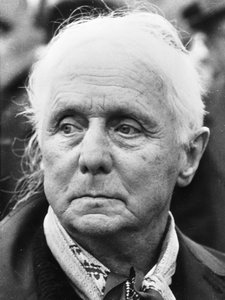
Max Ernst
1891 - 1976 , Németország
Gyors információk
- Artistic Movement Or Style: Dada, Surrealizmus
- Artists Or Movements Influenced By This Artist:
- Surrealizmus
- Dada
- Artists Who Influenced This Artist:
- Picasso
- Van Gogh
- Gauguin
- Date Of Birth: Április 1, 1891
- Date Of Death: Április 1, 1976
- Full Name: Max Ernst
- Nationality: Német-amerikai, Francia
- Notable Artworks:
- Ofrenda funerária
- The Equivocal Woman
- L'Ange du foyer
- Place Of Birth: Brühl, Németország
Kapcsolódó cikkek

A Fekete Szín Mesterei: 10 Híres Festmény, Amelyek Elvarázsolnak – OriginalUniqueArt.com
Fedezze fel a 10 leghíresebb, fekete tónusú festményt! Rembrandt, Goya és Manet remekművei elvarázsolják. Művészettörténet, inspiráció otthonába – OriginalUniqueArt.com kínálatából. Fedezze fel a teljes gyűjteményt online!

Monochrome Edge: The Ultimate Design Flex—Level Up Your Space with Bold Black & White Art
Master the monochrome aesthetic with high-impact Black & White art from OriginalUniqueArt.com. From custom hand-painted oils to iconic pop culture remixes, discover the ultimate design flex for your urban space. Elevate your decor with bold, premium, and timeless monochrome masterpieces.
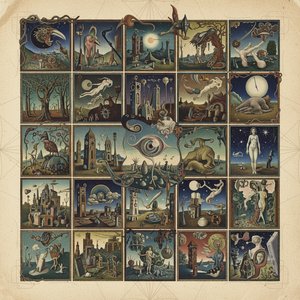
Max Ernst Mesterek: A 25 Leglenyűgözőbb Kép, Ami Megváltoztatja a Terét – OriginalUniqueArt
Fedezze fel Max Ernst 25 legikonikusabb művét! Merüljön el a szürrealizmus, dadaizmus világában és ismerje meg a német festő álomképeit. Művészeti reprodukcióinkkal egyedi faliképekkel varázsolja otthonát galériává – OriginalUniqueArt.

Monochrome Visions: Exploring the Aesthetic & Historical Significance of Black & White Photography
Explore the rich history & artistic power of black and white photography. From early techniques to iconic masters like Ansel Adams, discover why monochrome continues to captivate art lovers today. Expert insights for collectors.

A Fehér Szín Mesterei: 10 Híres Festmény, Amelyek Elvarázsolnak – OriginalUniqueArt.com
Fedezze fel a 10 legikonikusabb fehér tónusú festményt! Monet, Van Gogh és más mesterek alkotásainak története. Vászonképek, reprodukciók – inspiráció otthonába. OriginalUniqueArt.com: minőségi művészet online.


